
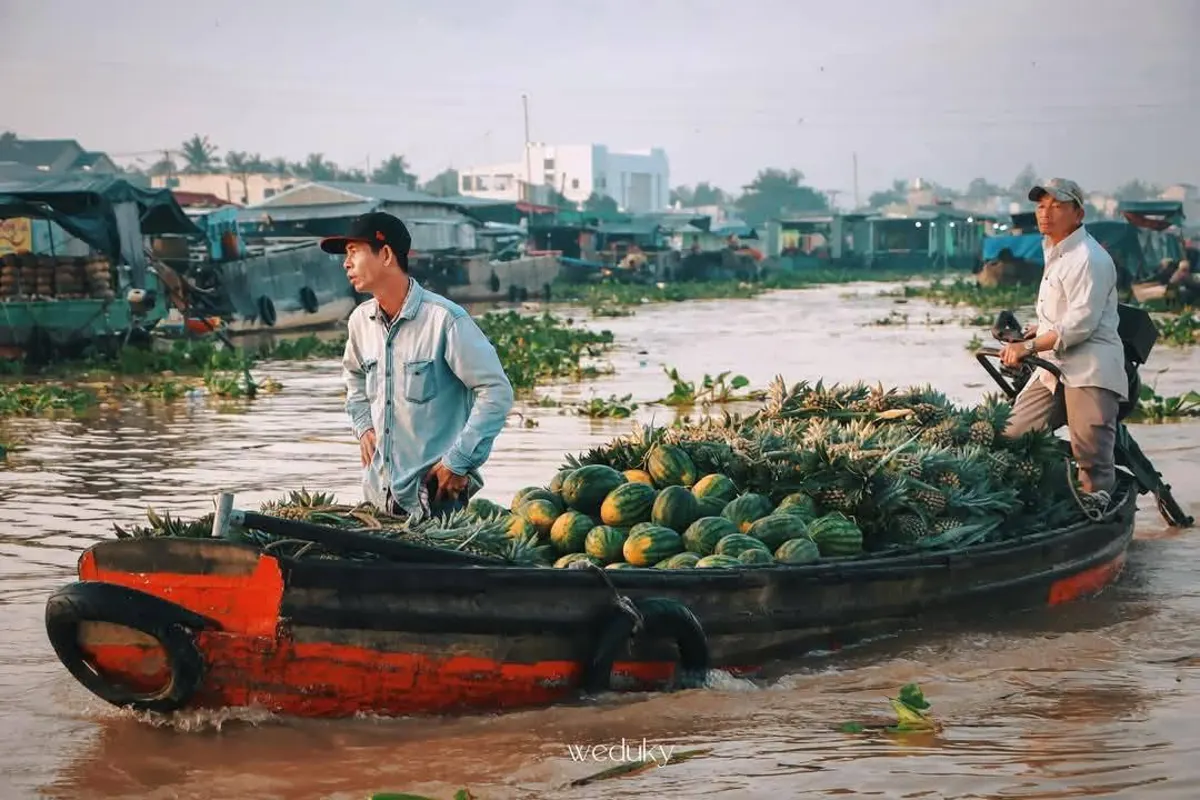
Tra Vinh, a province located within Vietnam's Mekong Delta, presents a distinct cultural landscape, particularly influenced by its Khmer population. While many areas of the Mekong Delta are popular tourist destinations, Tra Vinh offers a more focused experience, drawing travelers interested in its unique heritage and serene environment. This guide aims to equip visitors with practical information for planning a trip to this southern Vietnamese region, detailing how to get there, what to see, local dishes to sample, and where to stay.
Understanding Tra Vinh's Location and Cultural Identity
Tra Vinh province is situated in the remote reaches of the Mekong Delta, sharing borders with Ben Tre, Vinh Long, and Soc Trang provinces. Despite its somewhat secluded position, it has gained recognition as a destination for those seeking to understand the diverse cultures of southern Vietnam. The area is particularly noted for its significant Khmer community, whose traditions and architectural styles are evident throughout the province, offering a different perspective compared to other parts of the delta.
The cultural fabric of Tra Vinh is deeply intertwined with its Khmer residents. Their influence is visible in the local customs, festivals, and especially in the numerous Khmer pagodas that dot the landscape. These religious sites are not merely places of worship but also serve as historical markers, reflecting the long-standing presence and development of the Khmer people in this region. Visitors often find that exploring Tra Vinh provides a deeper appreciation for the ethnic diversity within Vietnam.
Travel Routes to Tra Vinh
Accessing Tra Vinh typically involves travel by road from Ho Chi Minh City, Vietnam's major economic and tourism hub. For those who prefer independent travel by motorbike, a specific route is available. Starting from the central area of Ho Chi Minh City, travelers should head towards Binh Chanh District. At the Binh Thuan intersection, turn onto National Route 1 and continue for approximately 16 kilometers to My Yen, Vinh Loc. The journey then involves crossing Ben Luc Bridge and Tan An Bridge into Long An Province, proceeding through Tien Giang Province, and reaching My Tho City. From My Tho, the route continues across Rach Mieu Bridge to Ben Tre City, then over Ham Luong Bridge to May Co District, and finally across Co Chien Bridge, which leads directly into Tra Vinh Province.
Alternatively, a more convenient option for many visitors is to arrange a guided tour to Tra Vinh from a reputable tour operator in Ho Chi Minh City. These tours often streamline the travel process, eliminating the need for personal navigation and ensuring visits to key points of interest. Such organized trips can simplify logistics, allowing travelers to focus on the experience without concerns about maps or directions. When considering travel within Vietnam, understanding transport options from Ho Chi Minh City can be beneficial for onward journeys.
Key Attractions and Cultural Sites
The attractions in Tra Vinh are largely connected to the history and cultural practices of the Khmer community. A visit here offers insights into this ethnic group's way of life. The following sites are commonly recommended for exploration:
- Âng Pagoda: Considered a symbolic landmark of Tra Vinh, this ancient Khmer pagoda is located in Ward 8, Tra Vinh City. It forms part of a complex that includes Ba Om Pond and the Khmer Ethical and Cultural Museum. Originally constructed in the 10th century, the pagoda underwent reconstruction in 1842 and has seen several renovations since. Its architecture features intricate carvings and designs inspired by Khmer folklore.
- Bà Om Pond: Adjacent to Âng Pagoda, Bà Om Pond is situated at National Route 53, Ward 8, Tra Vinh City, approximately 5 kilometers southwest of the city center. The pond is bordered by trees over a century old, providing a shaded and cool atmosphere. The extensive roots of these trees create natural alcoves. The pond itself is often adorned with blooming pink lotus and water lily flowers, contributing to its natural appeal. Local legends and stories are associated with this site, reflecting Khmer cultural narratives.
- Khmer Museum: Also located in Ward 8, Tra Vinh City, about 5 kilometers from the provincial center, the Khmer Museum opened its doors in 1995. It houses a collection of artifacts that document significant historical events of the Khmer people, particularly during wartime, and illustrates aspects of their spiritual life and culture. The museum's design blends traditional and contemporary architectural elements, featuring a ground floor and an upper level. A surrounding garden with tall green trees offers a place for visitors to rest.
- Ba Động Beach: Approximately 50 kilometers southeast of the city center, Ba Động Beach is found at the confluence of the Cung Hau (Tien River) and Dinh An (Hau River) estuaries. Due to alluvial deposits, only a section of the beach features white sand and calm, clear turquoise water, making it suitable for beach visits. It is a popular spot for relaxation, especially during the Tet holiday period, when people gather to enjoy the coastal air.
- Ông Pagoda: Situated at 44 Dien Bien Phu Street, Ward 2, Tra Vinh City, Ông Pagoda is recognized as a significant architectural example and a cultural repository for the Chinese community in Vietnam. In 2005, it received national historic site designation, becoming a prominent destination in Tra Vinh. The structure is characterized by its double-charged tiled roof and interiors adorned with precious wood patterns. Walls, pillars, and altars display detailed carvings.
- Hang Pagoda: This Khmer pagoda attracts visitors not only for its historical character but also for its bird sanctuary and the artistic works displayed within. It showcases distinct Khmer cultural and historical elements, setting it apart from other pagodas in the Mekong Delta. The main chamber features elaborate decorations, topped by a pointed tower, and contains a large Buddha statue. A statue of the mythical Naga snake guards the entrance to the guest area.
For those interested in the broader Mekong Delta region, exploring other provinces like Dong Thap offers additional natural and cultural sites to consider.
Local Culinary Experiences in Tra Vinh
Tra Vinh's food scene offers unique flavors that reflect its regional identity. When visiting, several dishes are recommended to experience the local cuisine.
- Ám Porridge: This specialty is prepared by boiling fish cut into small pieces. The resulting broth is then used to cook rice, forming a savory porridge. Additional ingredients such as dried prawns, grilled squid, and grilled onions are often incorporated to enhance the flavor. Ám porridge is considered a must-try dish in Tra Vinh.
- Other Local Delicacies: Beyond Ám porridge, the area offers a variety of rice noodle soups, crabs stir-fried with tamarind, and local products like Xuan Thanh wine, Vinh Kim dried prawns, and Cau Ke coconuts. These items provide a taste of the diverse agricultural and culinary traditions of the province. For more regional culinary insights, a culinary guide to Can Tho might also be of interest, as it shares some regional influences.
Accommodation Options in Tra Vinh
Finding suitable lodging is a common consideration for travelers. Tra Vinh offers several budget-friendly hotel options. Prices listed below are approximate and subject to change; visitors should verify current rates directly with the establishments.
| Hotel Name | Address | Approximate Price (VND/room/night) |
|---|---|---|
| Cửu Long Hotel | 210 Nguyễn Thị Minh Khai Street, Ward 7, Trà Vinh City, Trà Vinh Province | From 400,000 |
| Villa Basi Hotel | Đầu Giồng, Basi Commune, Càng Long District, Trà Vinh Province | From 200,000 |
| Thanh Thủy Hotel | 35A National Route 53, Ward 8, Trà Vinh City, Trà Vinh Province | From 450,000 |
| Gia Hòa Hotel | 75 Nguyễn Thị Minh Khai Street, Ward 7, Trà Vinh City, Trà Vinh Province | From 200,000 |
| Ngọc Hương Hotel | Nguyễn Đáng Street, Ward 5, Trà Vinh City, Trà Vinh Province | From 200,000 |
| Thanh Trà Hotel | 01 Phạm Thái Bường Street, Ward 3, Trà Vinh City, Trà Vinh Province | From 250,000 |
| An Khang Hotel | 69 Võ Văn Kiệt Street, Ward 7, Trà Vinh City, Trà Vinh Province | From 400,000 |
| Sanh Phúc Hotel | 419 Đồng Khởi Street, Ward 9, Trà Vinh City, Trà Vinh Province | From 200,000 |
| Tấn Hằng Hotel | 14 Điện Biên Phủ Street, Ward 2, Trà Vinh City, Trà Vinh Province | From 250,000 |
| Palace 1 Hotel | 3 Lê Thánh Tôn Street, Trà Vinh City, Trà Vinh Province | From 700,000 |
Planning Your Visit to Tra Vinh
The climate in Tra Vinh is consistent with other Mekong Delta provinces, featuring distinct rainy and dry seasons. Many suggest that the most opportune times to visit are during special occasions, such as Khmer festivals, which provide opportunities for engaging in cultural activities and celebrations. These festivals offer a deeper insight into the local traditions and community spirit.
Regarding the duration of a stay, trips from Ho Chi Minh City to Tra Vinh typically range from two to four days, depending on the traveler's itinerary and desired depth of exploration. Tour operators frequently offer multi-day packages from Ho Chi Minh City that cover the province's main attractions. These structured tours can be particularly helpful for visitors looking to maximize their time and experience the best of what Tra Vinh has to offer without extensive personal planning. For a broader exploration of the region, consider a Southern Vietnam Craft Villages & Mekong Delta Discovery tour, which can complement a visit to Tra Vinh.
Frequently Asked Questions
What is Tra Vinh known for?
Tra Vinh is primarily recognized for its significant Khmer population and the rich cultural heritage they contribute to the region. The province is characterized by numerous ancient Khmer pagodas, unique local traditions, and a distinct culinary scene that sets it apart within the Mekong Delta.
How many days are recommended for a visit to Tra Vinh?
Most travelers find that a visit of two to four days is sufficient to explore Tra Vinh's main attractions and experience its cultural offerings, especially when traveling from Ho Chi Minh City. This duration allows for visits to key pagodas, the Khmer Museum, Ba Om Pond, and sampling local cuisine.
What are some must-try local dishes in Tra Vinh?
When in Tra Vinh, visitors are encouraged to try Ám porridge, a savory dish made with fish, rice, dried prawns, grilled squid, and onions. Other local specialties include various rice noodle soups, crabs stir-fried with tamarind, Xuan Thanh wine, Vinh Kim dried prawns, and Cau Ke coconuts.
Is Tra Vinh suitable for independent travelers or group tours?
Tra Vinh accommodates both independent travelers and those preferring organized tours. Independent travelers can navigate the province by motorbike or local transport, while numerous tour operators in Ho Chi Minh City offer multi-day itineraries that simplify logistics and cover key attractions, making it accessible for group tours as well.
What is the best time of year to visit Tra Vinh?
The climate in Tra Vinh is typical of the Mekong Delta, with a rainy and a dry season. While pleasant year-round, visiting during local Khmer festivals is often recommended as it provides an opportunity to engage with the vibrant cultural celebrations and community activities.








