
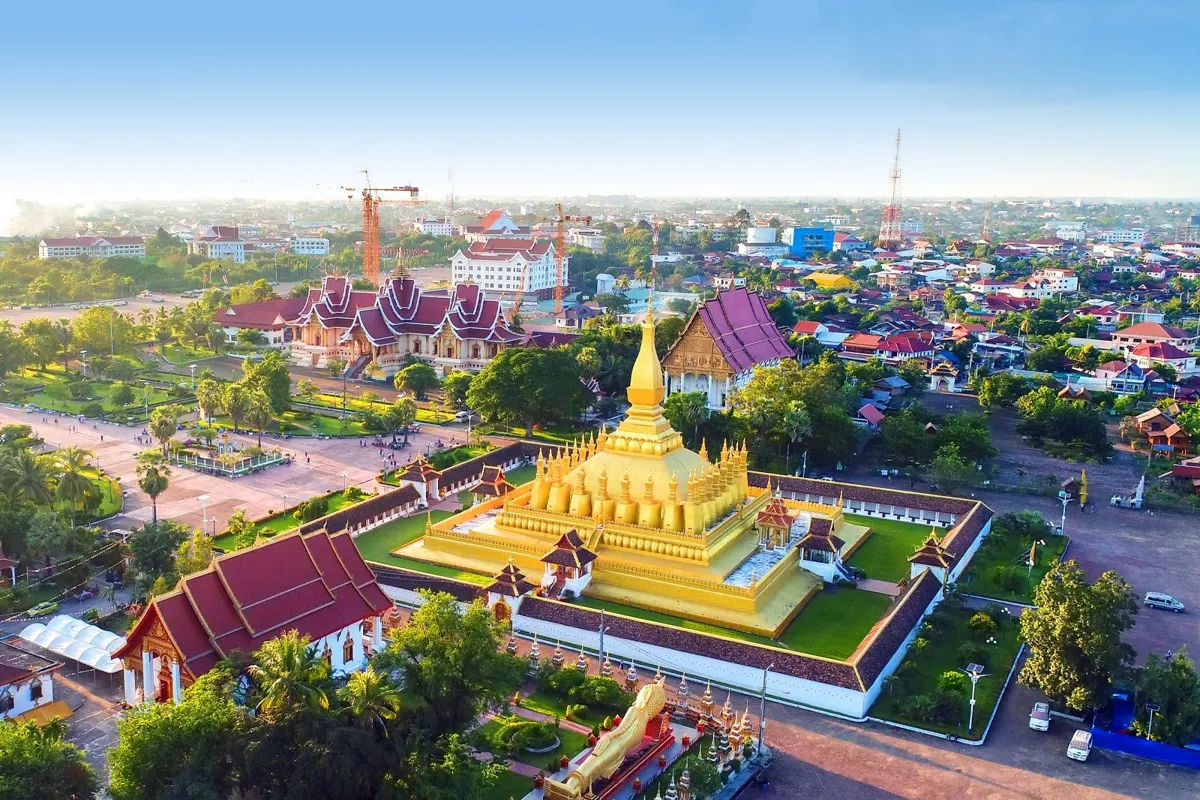
Vientiane, the capital city of Laos, serves as a key entry point for international travelers. Visitors typically arrive by air from nearby countries or by land, primarily utilizing the Thai-Lao Friendship Bridge that connects the city with Nong Khai in Thailand. This guide provides detailed information on various transportation options, including flights, trains, and buses, to assist with planning your journey to Vientiane.
Arriving in Vientiane by Air
The primary aerial gateway to Vientiane is Wattay International Airport (VTE), situated approximately six kilometers west of the city center. This airport facilitates connections with a select group of airlines, including China Eastern, EVA Air, Lao Airlines, Thai Airways, and Vietnam Airlines. These carriers offer direct flights or routes with connections to a range of international cities across Asia.
International flight paths to Wattay International Airport originate from destinations such as Bangkok, Hanoi, Ho Chi Minh City, Vinh, Kuala Lumpur, Phnom Penh, Seoul, Singapore, Changzhou, Guangzhou, Nanning, and Kunming. Some routes, like those from Chiang Mai or Siem Reap, may include a stopover in other Lao cities such as Luang Prabang or Pakse. For budget-conscious travelers coming from Bangkok, an alternative approach involves flying domestically into Udon Thani, Thailand, and then completing the journey to Vientiane by crossing the border via bus. Within Laos, Wattay International Airport also connects to domestic locations including Luang Prabang, Luang Nam Tha, Huay Xai, Xieng Khuang, Udomxai, Pakse, and Savannakhet.
Rail Journeys to Vientiane
Traveling to Vientiane from Bangkok by train offers a distinctive experience, particularly with the daily overnight sleeper service. This train route extends directly from Bangkok to Thanaleng Train Station, located in Laos, just a short distance from Vientiane. Upon arrival at Thanaleng, passengers can easily transfer to central Vientiane using local buses or tuk-tuks. For those considering longer rail trips in the region, understanding overnight rail journeys in Vietnam might offer useful insights into similar travel experiences.
An alternative rail option involves taking any train service from Bangkok to Nong Khai in Thailand. From Nong Khai, travelers then arrange their own onward transportation, typically by bus or taxi, to cross the border and reach Vientiane. This method provides flexibility for those who prefer to break up their journey or explore Nong Khai before proceeding to the Lao capital.
Overland Bus Connections
Bus travel presents a comprehensive and often economical way to reach Vientiane from various points in Southeast Asia. Both international and domestic routes are available, catering to different starting locations and travel preferences. Journey durations and costs vary significantly based on the distance and origin point.
For international bus services, several routes connect Vientiane to major cities in neighboring countries. These services are generally direct, though they involve border crossing procedures. Travelers departing from Cambodia's capital might also be interested in a dining guide to Phnom Penh to enhance their trip before embarking on the long bus journey. Below is a summary of typical international bus routes:
| Origin City | Approximate Duration | Approximate Cost (USD) |
|---|---|---|
| Bangkok, Thailand | 12 hours | 30.42 |
| Kunming, China | 32 hours | 89.43 |
| Vinh, Vietnam | 16 hours | 20.00 |
| Hanoi, Vietnam | 22 hours | 25.00 |
| Phnom Penh, Cambodia | 24 hours | 45.00 |
| Siem Reap, Cambodia | 25 hours | 50.00 |
Within Laos, an extensive network of domestic bus routes links Vientiane with other significant towns and provinces. While purchasing tickets directly at bus stations is an option, many visitors choose to book through local travel agencies or guesthouses in Vientiane. This often comes at a slightly higher price but typically includes convenient pickup from your accommodation and a shuttle service to the bus station or departure point, simplifying the initial leg of your journey. When traveling from major regional hubs like Hanoi, it's also practical to consider managing finances in Hanoi before departure.
| Origin City (Laos) | Approximate Duration | Approximate Cost (Lao Kips / USD) |
|---|---|---|
| Luang Prabang or Xiengkhuang | 10 hours | 110,000 - 150,000 Kips (13.49 - 18.40 USD) |
| Pakse | 10 - 12 hours | 110,000 - 170,000 Kips (13.49 - 20.85 USD) |
| Savannakhet | 8 - 10 hours | 100,000 - 120,000 Kips (12.27 - 14.72 USD) |
| Huay Xai | More than 12 hours | 230,000 - 250,000 Kips (28.21 - 30.67 USD) |
Navigating Border Crossings and Local Transfers
For travelers arriving by land from Thailand, the Thai-Lao Friendship Bridge is the primary crossing point. This bridge facilitates vehicle and pedestrian traffic, connecting Nong Khai in Thailand with the Thanaleng area of Laos. Immigration procedures are conducted at the border posts on both sides. It is important to have all necessary travel documents, including passports and any required visa paperwork, ready for inspection.
Upon arrival at Wattay International Airport, various local transport options are available to reach Vientiane's city center. Taxis and tuk-tuks are readily accessible outside the terminal building. It is advisable to agree on a fare before starting the journey or ensure the taxi meter is used. Similarly, from Thanaleng Train Station or the main bus terminals, local buses and tuk-tuks provide convenient connections to accommodations and attractions within central Vientiane. Travelers should confirm their destination with the driver and negotiate fares if a meter is not available.
Planning Your Journey to Vientiane
When organizing your trip to Vientiane, several factors warrant consideration to ensure a smooth arrival. The choice between air, rail, or bus travel often depends on your starting location, budget, and desired travel time. Flights offer the quickest option for longer distances, while trains and buses provide a more grounded perspective of the regional landscape, albeit with longer journey times.
It is always recommended to check current visa requirements for Laos based on your nationality well in advance of your travel date. Additionally, understanding the local currency, Lao Kip, and having some small denominations for immediate expenses like local transport can be beneficial upon arrival. While costs provided for bus and train tickets are based on historical data, prices can fluctuate due to fuel costs, demand, and exchange rates. Verifying current fares closer to your travel date is always a good practice.
Frequently Asked Questions
What is the main airport for Vientiane?
The principal airport serving Vientiane is Wattay International Airport (VTE). It is located approximately six kilometers west of the city center and handles both international and domestic flights.
Can I travel directly by train from Bangkok to Vientiane?
Yes, it is possible to travel by train from Bangkok to Vientiane. A daily overnight sleeper train runs directly from Bangkok to Thanaleng Train Station in Laos, which is a short distance from Vientiane's city center. From Thanaleng, local transport can take you into the city.
What are the typical durations for international bus trips to Vientiane?
International bus journeys to Vientiane vary significantly in duration. For instance, a trip from Bangkok typically takes 12 hours, while a journey from Hanoi is around 22 hours. Longer routes, such as from Kunming, can extend to 32 hours, and from Phnom Penh or Siem Reap, approximately 24-25 hours.
Is it cheaper to fly into Thailand and cross the border to Vientiane?
For some travelers, particularly those originating from Bangkok, flying into Udon Thani in Thailand and then taking a bus across the border to Vientiane can be a more economical option compared to a direct international flight to Wattay International Airport. This is because domestic flights within Thailand are often less expensive than international airfares to Laos.








