
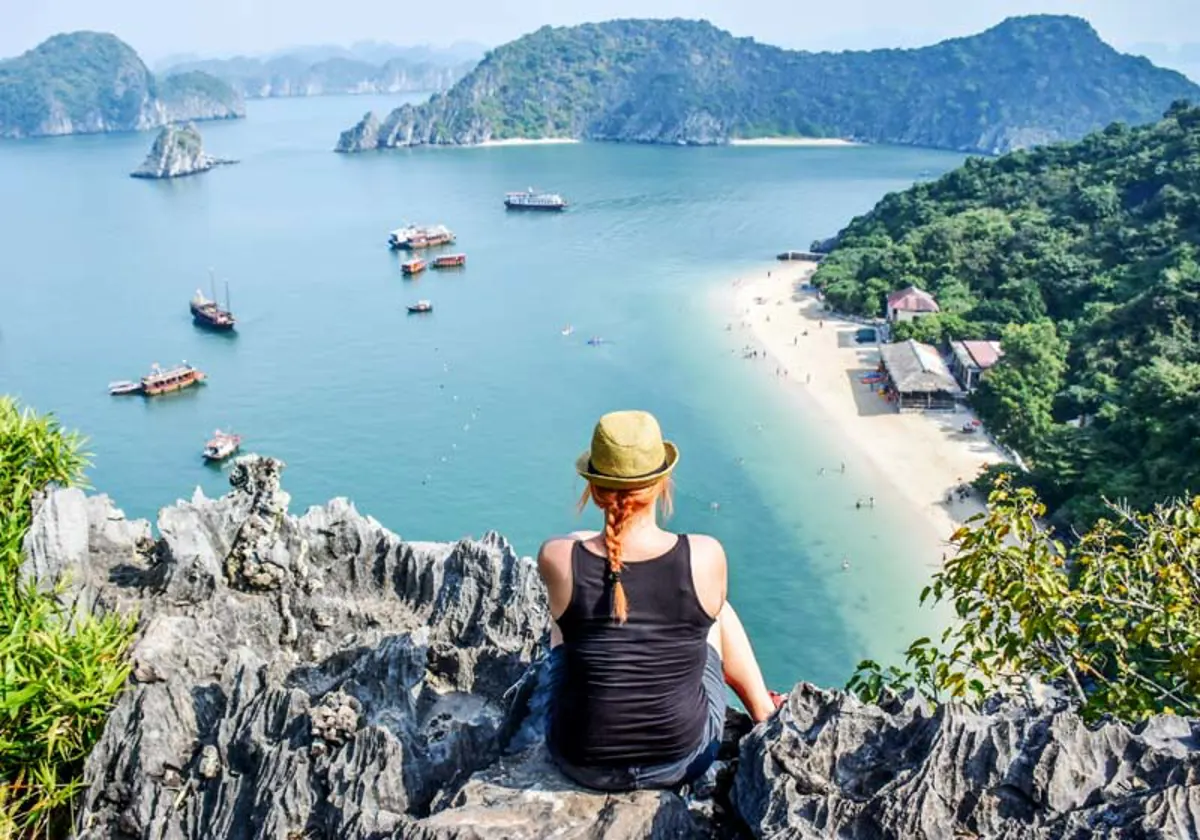
Cat Ba Island, situated off Vietnam's northwest coast, is a favored destination for many travelers. While many visitors primarily experience Lan Ha Bay through overnight cruises, enjoying activities like kayaking, fishing village visits, and beach relaxation, the island also presents significant opportunities for trekking that are often overlooked. This guide provides detailed information for those considering hiking on Cat Ba, potentially encouraging a longer stay to explore its inland natural attractions.
Why Choose Trekking on Cat Ba Island?
Trekking and hiking on Cat Ba provide an opportunity to connect with the island's natural environment and its distinct features. Routes traverse dense jungle, offering chances to observe wildlife, encounter tranquil local fishing communities, and learn about Vietnamese history. The vistas from higher elevations are often described as remarkable, providing a sense of being in a serene, almost ethereal landscape, far removed from daily life.
Cat Ba offers a range of trekking options, accommodating various fitness levels and preferences. Trails vary from straightforward walks to more demanding climbs, making the activity accessible to many. For example, Cat Ba National Park features paths that are generally considered easy, though some sections offer views down into heavily forested valleys that can be quite dramatic due to their height. This variety ensures that both casual walkers and experienced hikers can find a suitable route.
Optimal Seasons for Hiking Cat Ba
Cat Ba experiences a tropical monsoon climate with two main periods. The wet period, from May to October, is characterized by heat and humidity, often accompanied by rain. Conversely, the dry period spans from November to April. Due to the moderating influence of the sea, the island's weather tends to be milder in winter and cooler in summer. The summer months typically see a large influx of domestic tourists, leading to potential full bookings for accommodations and tours; therefore, this time is generally less recommended for those seeking a quieter experience.
The most suitable time to visit for trekking is from November to April, when the weather is pleasant and the island is less crowded. During these months, conditions are generally warm and comfortable for outdoor activities, offering clearer skies and more enjoyable hiking experiences. For broader travel within the country, understanding Vietnam's sleeper train routes can be beneficial for connecting different regions.
Key Trekking Destinations on Cat Ba Island
Cat Ba Island provides several distinct locations for trekking, each offering unique landscapes and challenges.
Cat Ba National Park
Similar to Phu Quoc Island, Cat Ba hosts a national park that serves as a sanctuary for rare and protected species, such as langurs, alongside diverse plant life. This environment offers excellent prospects for individuals interested in trekking and natural exploration. The park features nine distinct trekking paths. A widely chosen route is the National Park – Frog Lake – Viet Hai Village Trail, which extends 14 kilometers. This particular trail is considered somewhat challenging, requiring a trek through a distinctive flooded willow forest situated in a valley above sea level. Following this, a 1.5 to 2-hour walk leads to Ao Ech, the island's largest freshwater body. The journey then continues to Viet Hai commune, a traditional community located within the National Park boundaries.
- Entrance Fee: 40,000 VND (approximately 1.75 USD). Visitors should verify current pricing as it is subject to change.
- Opening Hours: The park typically opens at 8 AM. Arriving early is advisable to avoid peak heat and crowds.
- Address: Cat Ba National Park, Cat Hai District, Hai Phong, Vietnam (General area, specific entrance points may vary).
Ngu Lam Peak
This peak is a prominent feature within Cat Ba National Park, offering panoramic mountain scenery considered among the most striking on the island. The ascent covers a distance of 3.6 kilometers and typically takes about 45 minutes to reach the summit, with the descent requiring approximately 30 minutes. Along the trail, trekkers will pass through points of interest such as a butterfly garden, a zoo, botanical gardens, natural forest on limestone formations, and the Kim Giao forest, before arriving at Ngu Lam Peak. A highlight of this trek is the opportunity to experience the clean air of the Kim Giao forest, following a quiet path with views of green mountains. The Kim Giao forest is also home to ancient, rare, and endangered Kim Giao trees. After your adventures, consider exploring unique purchases and souvenirs to remember your trip to Vietnam.
Cat Ba Monkey Island
Known for its unspoiled natural environment and appealing beaches, Monkey Island is a notable attraction near Cat Ba. While the island's name suggests a primary focus on its monkey population, it offers additional experiences. Many visitors interested in more adventurous exploration choose to climb the island's mountain. This ascent provides expansive views of Lan Ha Bay, dotted with numerous islands of varying sizes rising from the blue waters, complemented by distant white sand beaches. Appropriate footwear is essential for this trek, as the terrain can be more demanding than it appears. While many visitors primarily experience Lan Ha Bay through overnight cruises, enjoying activities like kayaking, fishing village visits, and beach relaxation, the island also presents significant opportunities for trekking that are often overlooked. For those interested in coastal leisure, exploring the beaches of Halong Bay can offer further relaxation options.
Essential Advice for Cat Ba Trekkers
To ensure a safe and enjoyable trekking experience on Cat Ba Island, consider the following practical recommendations:
- Insect Protection: Carry insect repellent, especially for mosquitoes, which can be prevalent in forested and humid areas.
- Hydration: Bring at least a 2-liter water bottle. The climate is very humid, and refreshment stops are not available on all trails, particularly on longer routes within the National Park.
- Appropriate Gear: Wear suitable hiking footwear with good grip, as trails can be uneven and slippery. Pack a lightweight raincoat, even during the dry season, as weather can change unexpectedly.
- Valuables on Monkey Island: When visiting Monkey Island, keep valuables secure and out of sight to prevent them from being taken by monkeys. These animals are known to snatch items, especially food, and may react aggressively if disturbed or provoked.
- Combine Activities: For longer routes, such as the National Park – Frog Lake – Viet Hai Village trail, consider integrating the trek with other local activities. Options include boat trips, kayaking in the surrounding waters, or swimming, and potentially an overnight stay on a Cat Ba cruise to fully appreciate the region.
Frequently Asked Questions
What is the best time of year for trekking on Cat Ba Island?
The most favorable period for trekking on Cat Ba Island is from November to April, during the dry season. The weather is generally warm and pleasant, and the island experiences fewer crowds compared to the humid summer months, making for a more comfortable hiking experience.
Are there trekking options for all fitness levels on Cat Ba Island?
Yes, Cat Ba Island provides a range of trekking options suitable for various fitness levels. These include relatively easy walks within Cat Ba National Park, which are accessible to most visitors, as well as more challenging, longer routes that require greater endurance and preparation.
What should I pack for a trekking trip on Cat Ba Island?
Essential items for a trekking trip on Cat Ba Island include proper hiking shoes, a lightweight raincoat, effective insect repellent, and at least a 2-liter water bottle due to the humid conditions and limited access to shops on many trails. Additionally, keeping valuables secure is advised, particularly when visiting Monkey Island.
Is there an entrance fee for Cat Ba National Park?
Yes, there is an entrance fee for Cat Ba National Park, which was 40,000 VND (approximately 1.75 USD) at the time of this writing. It is always recommended for visitors to verify current pricing before their visit, as fees can be subject to change. The park typically opens at 8 AM.








