
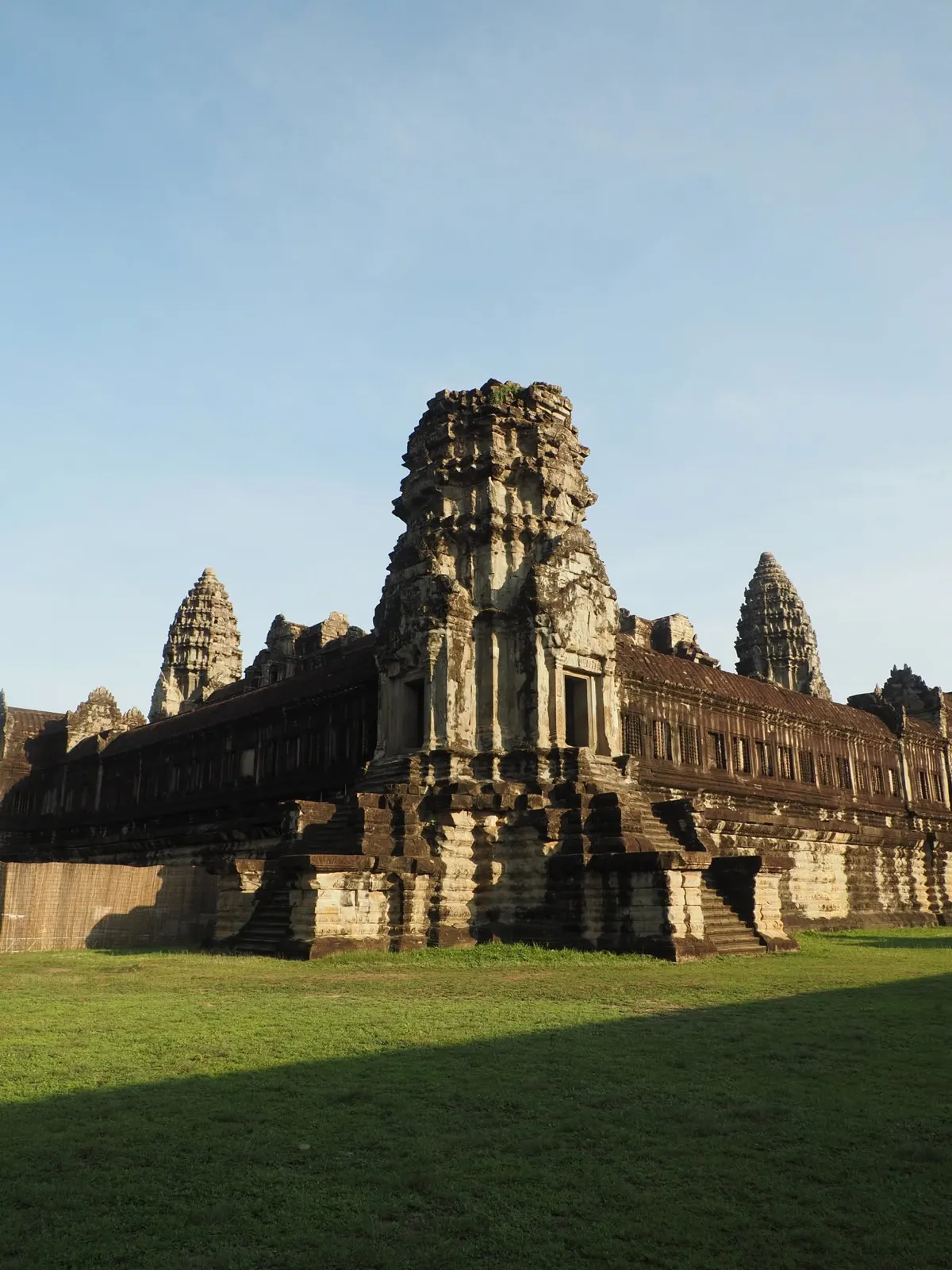
Cambodia, a nation celebrated for its rich history and cultural landmarks, also provides a variety of distinctive experiences for those seeking something beyond typical tourist routes. Visitors can find opportunities to connect with local life, engage with nature, and explore unique historical sites across the country. This guide highlights several unconventional activities to consider for an enriching Cambodian adventure.
Coastal Relaxation and Natural Wonders
For a truly serene coastal experience, consider relaxing on ocean hammocks, particularly found in areas like Koh Rong Samloem. These firmly woven hammocks, often suspended between trees on rocky outcrops, allow individuals to enjoy the sea breeze and sunshine. Beyond personal relaxation, this vantage point offers views of nearby floating raft houses, providing a glimpse into the rhythm of local maritime existence.
Cambodia's salt lakes present a natural spectacle unfamiliar to many international visitors. These shallow bodies of water, typically only ankle-deep, are known for their calm surfaces that mirror the sky, creating an illusion of an expansive, tranquil painting. The naturally crystallized salt fields, combined with white clouds, form a harmonious landscape, especially striking when the sun reflects the blue sky onto the water. The high concentration of salt and minerals in these lakes, reportedly eight times greater than seawater, allows individuals to float effortlessly on the surface, offering a unique aquatic experience.
Engaging with Local Life and Culinary Traditions
Local markets provide an authentic window into Cambodian daily life. Crab markets, for instance, are popular destinations where merchants source seafood directly from local fishers at nearby ports, ensuring exceptional freshness. These markets operate throughout the day, allowing visitors to purchase and sample various seafood, with crabs being a particular specialty. Many establishments at night crab markets prepare live seafood on the spot, offering a chance to savor freshly cooked dishes amidst aromatic surroundings. Some locations also feature fishing boats docked nearby, providing photo opportunities.
Participating in local activities offers a deeper understanding of Cambodian culture. Travelers can spend time with indigenous communities, learning traditional skills. One such activity involves joining fishers to catch marine worms, mollusks found in the sand during low tide. With the water receded, these creatures are partially exposed in the mud, making them relatively easy to collect with gloves.
Another opportunity for cultural engagement is experiencing agricultural life firsthand. Visitors can participate in various stages of farming, from soil preparation and planting to processing agricultural products. These activities are designed to introduce international guests to the country's farming heritage. Additionally, learning to prepare Cambodian dishes, such as curry vermicelli, offers a practical skill and a taste of local flavors. This dish, often made with chicken and coconut milk, features a rich curry taste and a golden hue.
Cambodian and international cuisine reflects influences from China and India, resulting in a distinct blend of tastes and ingredients. Amok steamed fish is a traditional dish featuring fish, jaggery, coconut water, and fish sauce, creating a unique flavor profile. Red curry, a spicier option, is often served during special occasions such as weddings or family gatherings. It typically includes meat with eggplant, green beans, fresh coconut milk, lemongrass, and chili, often accompanied by bread. For the adventurous palate, stir-fried beef with ants offers a subtle sour note from the ants, which permeates the meat, making it a memorable accompaniment to rice.
Nature Immersion and Wildlife Conservation
For a close connection with nature, consider an overnight stay at a jungle homestay. Unlike conventional accommodations, these often consist of wooden houses with large glass windows set among trees, providing a peaceful environment without an owner present. Guests can witness the sunrise and sunset, and experience the distinct sound of rain falling through the foliage, a unique acoustic quality found in wooden structures.
Some homestays are situated on high slopes, offering views of valleys where mornings can reveal a “sea of clouds,” creating a misty, ethereal landscape. These accommodations typically feature individual rooms with various designs, often decorated with potted ferns. Spending a night in such a setting provides a quiet, forest-like retreat.
The Pangolin Rehabilitation Center plays a crucial role in protecting wild species by providing natural food sources and enriching habitats. Beyond rescue operations, the center organizes events like writing workshops, book launches, and experience-sharing sessions, all aimed at fundraising. A primary objective is to heighten public awareness about wildlife and environmental conservation, specifically concerning pangolins. The center integrates eco-friendly tourism, allowing visitors to observe pangolins. Staff members guide tourists through exhibition areas and discuss various species. The center also engages in breeding techniques and exchanges breeds with other organizations and individuals across the country.
Interacting with elephants in an ethical manner is another unique Cambodian experience. The country has transitioned from elephant riding to an elephant-friendly tourism model, where elephants are returned to their natural forest environments. Visitors can be taken to these locations to observe and even bathe with the elephants. While some may perceive this as risky, local guardians ensure safety. Elephants occasionally engage playfully with visitors, fostering a sense of harmony between humans and animals in a wild setting. These elephant villages offer a truly distinctive encounter.
Historical Reflection and Unconventional Transport
The Killing Fields represent a significant historical site in Cambodia, offering a somber yet important experience. Visitors to these mass burial grounds often report a profound sense of gravity and reflection. The site includes the Torture House Secrets, a former interrogation center, prison, and execution site. Inside, remnants such as torture instruments, skulls, bloodstains, and photographs of victims serve as stark reminders of the atrocities committed under the Pol Pot regime. Today, this location functions as a museum dedicated to documenting these crimes. At its core stands a memorial containing approximately 8,000 skulls, commemorating those who perished.
Preserving these painful memories is a way for Cambodia to educate future generations about a dark period in its national history. These historical sites also contribute to the country's development of cultural and historical tourism. A visit to the Killing Fields in Phnom Penh provides a crucial insight into this past.
In Battambang, the bamboo train, locally known as “Norri,” offers an unusual mode of transport. These vehicles consist of a simple mat, large enough for a few passengers, mounted on rollers to move along railway tracks. Despite their rudimentary appearance, they are considered a safe way to travel. A distinctive aspect of this journey occurs when two trains meet on the single track: one driver and passengers disembark to quickly lift their wagon off the track, allowing the other train to pass, before replacing it on the rails. This experience typically costs US$ 2.5.
Planning Your Cambodian Adventure
Cambodia provides a diverse array of activities that extend beyond its well-known temples, catering to various interests from serene natural escapes to profound historical explorations. Whether seeking cultural immersion, wildlife encounters, or unique modes of transport, the country offers many ways to create a memorable travel experience.
When planning a trip, consider the geographical distribution of these activities. Coastal experiences like ocean hammocks are found in areas such as Koh Rong Samloem, while the unique bamboo train operates in Battambang. Significant historical sites like the Killing Fields are located near Phnom Penh. Researching specific locations for each desired activity will help in structuring an efficient itinerary.
| Activity Type | Example Activity | Primary Location (if specified) | Key Feature |
|---|---|---|---|
| Coastal & Aquatic | Ocean Hammocks | Koh Rong Samloem | Relaxation over water, views of raft houses |
| Coastal & Aquatic | Salt Lakes | (General Cambodia) | Floating on high-mineral water, reflective scenery |
| Cultural & Culinary | Crab Markets | (General Cambodia) | Fresh seafood, live cooking, local interaction |
| Cultural & Culinary | Learning Local Skills | (General Cambodia) | Marine worm catching, farming, cooking classes |
| Nature & Wildlife | Jungle Homestay | (General Cambodia) | Secluded wooden houses, forest sounds, cloud views |
| Nature & Wildlife | Pangolin Center Visit | (General Cambodia) | Wildlife conservation, educational tours |
| Nature & Wildlife | Bathing with Elephants | Elephant Villages | Ethical interaction, local guardians |
| Historical & Transport | Killing Fields | Phnom Penh | Museum, memorial, historical reflection |
| Historical & Transport | Bamboo Train Ride | Battambang | Unique rail transport, manual track clearing |
Frequently Asked Questions
What is the best time of year to visit Cambodia for unique experiences?
Cambodia can be visited throughout the year, with each season offering different advantages. The dry season (November to April) generally provides pleasant weather for outdoor activities, while the green season (May to October) brings lush landscapes and fewer crowds, potentially enhancing nature-based experiences.
Are these unique activities suitable for all types of travelers?
Many of these activities, such as visiting markets, exploring salt lakes, or learning local skills, are accessible to a wide range of travelers. Activities involving physical participation, like marine worm catching or bathing with elephants, may require a moderate level of mobility. Historical sites like the Killing Fields are suitable for those interested in profound cultural and historical reflection.
How can I arrange to participate in local skill-learning experiences?
Opportunities to learn local skills, such as farming or cooking, are often available through community-based tourism initiatives or local tour operators specializing in cultural immersion. It is advisable to research and book these experiences in advance to ensure availability and ethical engagement.
Is it safe to interact with elephants in Cambodia?
Cambodia has shifted towards ethical elephant tourism, focusing on elephant-friendly models where interactions are supervised by local guardians. These experiences prioritize the well-being of the elephants and the safety of visitors, allowing for observation and gentle interaction rather than riding.
What should I wear when visiting historical sites like the Killing Fields?
When visiting historical and memorial sites, it is respectful to dress modestly. This typically means covering shoulders and knees. Comfortable footwear is also recommended, as these sites often involve walking.








