
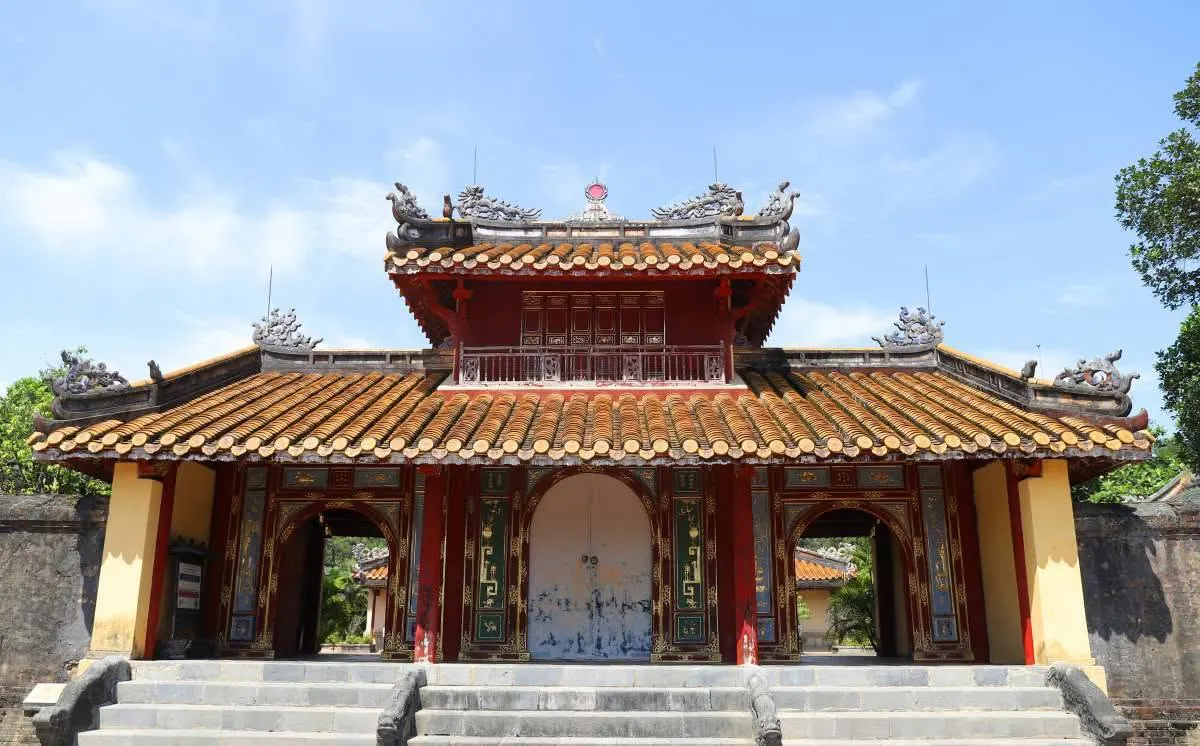
While Hue is widely recognized for its imperial citadel and royal tombs, the city and its surroundings present numerous opportunities for visitors to engage with lesser-known aspects of its heritage and environment. Moving beyond the most frequented attractions allows for a different perspective on this historic Vietnamese destination, revealing local traditions, natural wonders, and unique historical sites.
This guide highlights several distinctive activities that offer a fresh look at Hue, catering to those interested in history, nature, local craftsmanship, and authentic cultural encounters away from typical tourist paths.
Exploring Hue's Distinctive Activities
For individuals desiring a travel experience that moves beyond standard itineraries, Hue provides a variety of options. These activities often involve a closer interaction with local life or a journey into the region's natural settings, offering a more personal understanding of the area. From ancient sites with intriguing histories to tranquil fishing communities, these suggestions aim to enrich your visit.
The experiences outlined here span historical curiosities, traditional skills, and natural landscapes, ensuring a diverse range of choices for different interests. They invite travelers to slow down and appreciate the nuanced character of Vietnam's former imperial city.
Echoes of History and Traditional Craftsmanship
Ho Quyen: The Ancient Tiger and Elephant Arena
Located approximately 5 kilometers west of Hue city, on Long Tho hill in Thuy Bieu ward, stands the historical site of Ho Quyen. This unique arena once served as a venue for staged battles between tigers and elephants, organized for the entertainment of the king and as a means to train soldiers. It also functioned as a significant court festival, encouraging martial arts among the populace. While the site was largely neglected for many years, local authorities have indicated plans for its restoration. Visitors can reach Ho Quyen by motorbike or bicycle, making it an accessible destination for those who enjoy active exploration of historical grounds.
Learning Traditional Brass Work
The creation of products from bronze is a meticulous process, requiring several stages and considerable skill. It typically begins with forming the core of the desired object using clay or wood. The selection of suitable clay, often sourced from local fields for its plasticity and heat resistance, is a critical step. The subsequent heating of copper and its precise pouring into molds demands intense concentration, as any distraction can lead to significant errors. Engaging with this craft offers a hands-on insight into a traditional art form, showcasing the patience and precision involved in Vietnamese craftsmanship. Those interested in unique purchases from a trip to Vietnam might find this experience particularly rewarding.
Natural Escapes and Tranquil Settings
Fishing in Van Quat Dong Village
Van Quat Dong is a peaceful fishing village situated within the vast Tam Giang lagoon, recognized as one of Southeast Asia's largest lagoons. This small community, largely surrounded by water, has preserved its traditional way of life for centuries. While some residents engage in cultivation, the primary livelihood for many is raising floating shrimp on the lagoon. Opportunities to observe or participate in fishing activities may arise, though dedicated tourist services are not widely established. Many families live directly on boats, conducting daily fishing trips. The serene environment, with its expansive sky and water, provides excellent opportunities for photography.
Trekking Through Bach Ma National Park
Bach Ma National Park offers an immersive experience for those with good physical endurance, involving treks of several kilometers through forest trails and across streams. Proper sports footwear is essential for comfortable movement and foot protection. The park features clear streams that form beautiful lakes, where sunlight penetrates the water, creating captivating visual effects. The sounds of murmuring streams, crashing waterfalls, and birdsong contribute to a rich natural soundscape. Trekkers may encounter fallen trees, adding to the adventurous spirit of the journey.
Relaxing at Elephant Springs
Elephant Springs serves as an ideal eco-tourism destination, particularly appealing during warmer seasons. Its shallow areas are suitable for wading and observing small fish. Although the stream contains some slippery rocks, non-swimmers can find safe, shallow sections for bathing. The stream flows along the mountainside, offering numerous spots for visitors to pause and relax. Natural rock formations divide the stream into segments resembling interconnected pools, with water cascading from upstream creating foamy displays. Along the banks, bamboo platforms and thatched huts provide resting areas and dining options, with food and beverages typically available from local vendors at reasonable prices. Important Note: As of the most recent information available (August 28, 2024), Elephant Springs was temporarily closed to ensure safety during an epidemic season and for restoration and upgrade work. Travelers should verify its current operational status before planning a visit.
Adventure and Evening Entertainment
Motorbike Journey to Hai Van Pass
The road leading to Hai Van Pass presents a challenging route for motorcyclists, characterized by steep slopes, narrow turns, and sections with limited visibility. This journey is best undertaken by experienced riders who are comfortable with demanding road conditions and can anticipate potential hazards. Despite the difficulties, the ride offers significant rewards, including expansive views of nature, with the deep sea on one side and towering mountains on the other, often enveloped by clouds. This scenic route can provide moments of profound peace and relaxation for those who undertake it.
Exploring Hue's Nightlife
For those seeking evening entertainment, Hue provides bars where visitors can enjoy draft beer or wine in a contemporary setting. These establishments typically offer a diverse menu of drinks and dishes at accessible prices, attracting a varied clientele. Many bars feature unique decorations, and some boast rooftop areas that offer views of pedestrian streets, creating an ideal atmosphere for socializing with friends. However, late-night activities in these venues can generate noise, potentially affecting nearby households. It is generally advisable to conclude evening outings before midnight to minimize disturbance and support personal well-being.
Planning Your Trip to Hue
When planning a visit to Hue, considering these less conventional activities can provide a richer and more varied travel experience. Beyond the well-trodden paths of imperial history, these options connect visitors with the natural beauty, local traditions, and unique historical narratives of the region. Whether you are seeking adventure, cultural insight, or tranquil relaxation, Hue offers a range of choices that extend beyond its famous citadel.
For practical considerations during your stay, such as managing your finances, understanding banking services in Hue City is helpful. Additionally, familiarizing yourself with healthcare facilities in Hue can provide peace of mind. These resources ensure a smoother and more prepared journey as you explore all that Hue has to offer.
| Activity | Location | Key Features | Notes |
|---|---|---|---|
| Ho Quyen Arena | Long Tho hill, Thuy Bieu ward, ~5 km west of Hue city | Ancient tiger and elephant fighting arena for royalty and military training | Historical site, local authorities plan for recovery; best accessed by motorbike or bicycle |
| Brass Works | Local workshops (specific addresses not provided in source) | Traditional craft involving intricate steps from clay core to molten copper pouring | Requires patience and focus; offers cultural insight into Vietnamese artistry |
| Van Quat Dong Fishing Village | Tam Giang lagoon | Peaceful community with centuries-old fishing traditions and shrimp farming | Serene environment, good for photography; limited dedicated tourist services |
| Bach Ma National Park | (Specific address not provided in source) | Trekking through forests, clear streams, lakes, waterfalls, natural sounds | Requires good physical health and appropriate footwear; offers an adventurous experience |
| Elephant Springs | (Specific address not provided in source) | Natural eco-tourism spot with rock-divided pools for swimming and relaxation | Temporarily closed as of August 2024 for safety and upgrades; verify status before visiting |
| Nightlife Bars | (Specific addresses not provided in source) | Venues offering diverse drinks and food, some with rooftop views of pedestrian streets | Modern atmosphere; advisable to conclude activities before midnight to respect local residents |
| Hai Van Pass | (Specific address not provided in source) | Scenic mountain pass with challenging roads for motorbike travel | Recommended for experienced motorcyclists due to steep slopes and sharp turns; offers expansive natural views |
Frequently Asked Questions
What makes Hue different from other Vietnamese cities?
Hue distinguishes itself through its profound imperial history, serving as Vietnam's capital for many centuries. This legacy is reflected in its unique architecture, traditional customs, and a generally calmer pace of life compared to larger Vietnamese metropolises. It offers a blend of ancient heritage, cultural depth, and natural beauty.
Is Bach Ma National Park suitable for all visitors?
Bach Ma National Park involves considerable trekking through varied terrain, including forest paths and streams. Therefore, it is most appropriate for individuals who possess good physical fitness and endurance. Visitors should come prepared with suitable sports footwear for comfort and safety.
Can I participate in local craft activities in Hue?
Yes, opportunities exist to observe and sometimes engage with traditional crafts, such as brass work. These experiences provide valuable insight into the meticulous processes and artistic skills that are integral to Hue's cultural identity.
What should I know about visiting Elephant Springs?
Elephant Springs is a natural area popular for swimming and relaxation. However, it is important for travelers to note that, as of August 2024, the site was temporarily closed for safety, restoration, and upgrades. It is highly recommended to confirm its current operational status before planning any visit.
Is the Hai Van Pass motorbike ride safe for everyone?
The Hai Van Pass route is known for its challenging conditions, including steep gradients and sharp, often blind, turns. For these reasons, it is primarily recommended for experienced motorcyclists who are confident in navigating difficult roads and are aware of the potential risks involved.








