
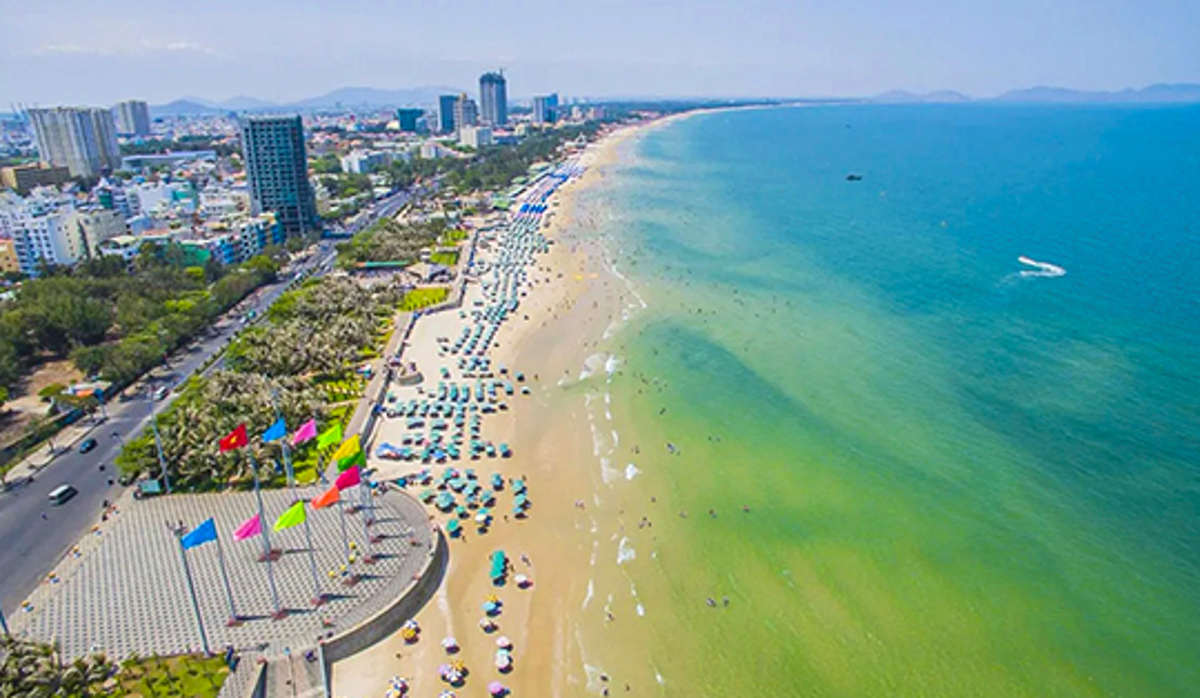
Vung Tau, a coastal city located in southern Vietnam, presents numerous opportunities for travelers seeking a blend of beach relaxation and cultural exploration. Visitors often come to enjoy its shores, visit notable architectural structures, and sample local cuisine, particularly fresh seafood. To make the most of a visit, understanding the city's main points of interest can help in planning an efficient itinerary.
Coastal Relaxation: Vung Tau's Beaches
Vung Tau is a favored destination for short getaways, attracting both local and international visitors to its sandy coastlines. The city features several beaches, each offering a distinct atmosphere for those looking to unwind or engage in water activities.
Among the most frequented is Back Beach, known locally as Bai Sau. This stretch of white sand is popular for swimming and surfing, and amenities such as umbrellas and chairs are available for rent, providing comfortable spots for relaxation. In contrast, Front Beach, or Bai Truoc, typically offers a quieter experience, appealing to those who prefer a more serene environment away from larger crowds. Both beaches provide opportunities to enjoy the ocean breeze and coastal scenery.
Significant Landmarks and Historical Structures
Vung Tau hosts several prominent sites that reflect its history and offer panoramic views of the surrounding area. These include a towering statue, a historic lighthouse, and a colonial-era villa.
Christ of Vung Tau
A notable feature of Vung Tau is the Christ of Vung Tau statue, also referred to as the Giant Christ King. Situated on a high hill, the statue with its expansive arms overlooks the sea. Reaching the monument involves ascending hundreds of stairs, a journey that rewards climbers with extensive vistas of Vung Tau and the ocean. There is no admission charge to access this site. Visitors are advised to bring hats for sun protection and carry sufficient drinking water, especially during warmer periods, as the climb can be demanding.
Vung Tau Lighthouse
Perched atop Small Mountain (Nui Nho), the Vung Tau Lighthouse stands as an example of French colonial architecture. This historical structure draws many travelers due to the comprehensive 360-degree views it provides of the entire city and the surrounding waters. The ascent to the summit of Small Mountain has become more accessible, with motorbikes and cars now permitted on the winding road. The route from the base of the mountain to the lighthouse spans approximately 2.8 kilometers, offering a scenic drive or walk through shaded areas.
White Villa (Bach Dinh)
Known in Vietnamese as Bach Dinh, the White Villa is a historical building with an intriguing past. While its English translation is straightforward, the original Vietnamese name holds a deeper cultural significance. This site offers visitors a chance to explore its interior and learn about its origins. The villa once served as the residence for Paul Doumer, a French governor of Indochina, who reportedly named it Villa Blanche, or White Villa, in part after his daughter.
Culinary Delights: Seafood in Vung Tau
A visit to Vung Tau is often incomplete without experiencing its local food scene, with seafood being a particular highlight. The city's coastal location ensures a fresh supply of various marine dishes, which are a central part of the local diet and a popular choice for visitors.
Numerous eateries throughout Vung Tau specialize in preparing fresh catches, offering a range of preparations from grilled to steamed. Exploring these establishments provides an authentic taste of the region's culinary traditions. For those interested in Vietnamese cuisine beyond Vung Tau, exploring unique Vietnamese delicacies can broaden one's understanding of the country's diverse food landscape.
Planning Your Visit to Vung Tau
To ensure a smooth and rewarding trip to Vung Tau, some advance preparation and awareness of local conditions are beneficial. Given its popularity as a short-term holiday spot, especially for those traveling from nearby urban centers, understanding travel logistics is key.
Vung Tau is frequently visited by travelers from Ho Chi Minh City, making it a convenient coastal escape. For those planning a broader trip through the region, exploring Ho Chi Minh City, Vietnam's leading destination, can offer additional insights into urban Vietnamese culture. When visiting outdoor attractions like the Christ of Vung Tau statue, remember to account for sun exposure and physical exertion. While specific operational details like addresses, phone numbers, and precise opening hours for the mentioned attractions were not provided in the source material, general planning for daytime visits is advisable.
Frequently Asked Questions
What are the primary attractions in Vung Tau?
Vung Tau's main attractions include its beaches, such as Back Beach and Front Beach, as well as significant landmarks like the Christ of Vung Tau statue, the Vung Tau Lighthouse, and the historical White Villa (Bach Dinh).
Are there any entry fees for Vung Tau's main sites?
According to available information, there is no admission fee to visit the Christ of Vung Tau statue. Information regarding fees for other sites like the Lighthouse or White Villa was not provided in the source material.
How can one reach the Vung Tau Lighthouse?
The Vung Tau Lighthouse, situated on Small Mountain (Nui Nho), is accessible by motorbike or car. A winding road, approximately 2.8 kilometers long, leads from the base of the mountain to the lighthouse.
What kind of food is popular in Vung Tau?
Vung Tau is well-known for its fresh seafood. Visitors commonly enjoy a variety of seafood dishes prepared in local restaurants throughout the city.
Is Vung Tau suitable for a short trip?
Vung Tau is a popular choice for short holidays, appealing to both domestic and international travelers seeking a quick coastal retreat. Its proximity to major cities like Ho Chi Minh City makes it a convenient option for brief getaways. For those interested in other coastal areas, a guide to Phu Quoc Island offers another perspective on Vietnam's beach destinations.








