
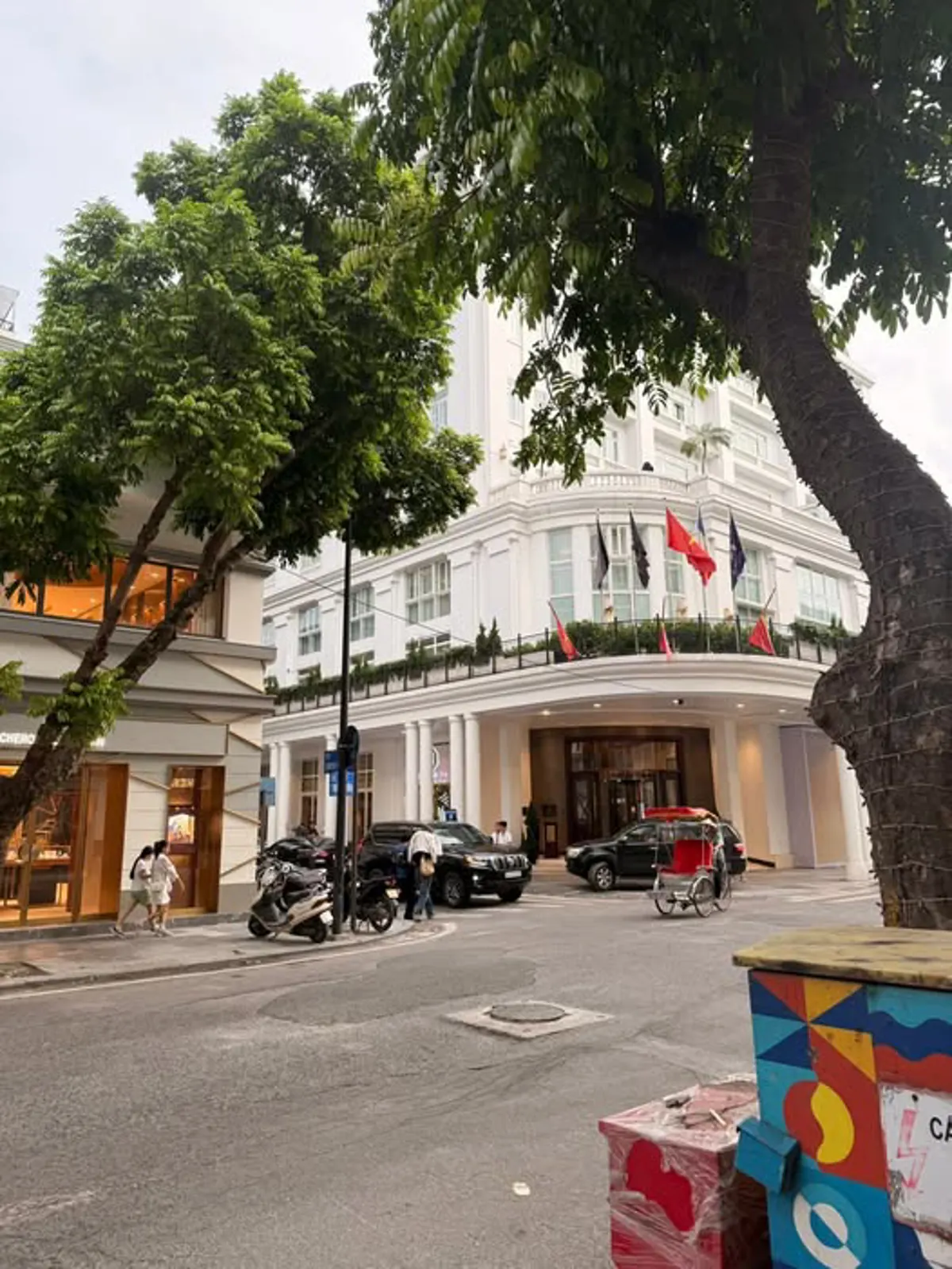
Hanoi's Old Quarter serves as a historical heart within Vietnam's capital, offering visitors a glimpse into the city's enduring heritage and daily life. This compact district, characterized by its narrow streets and traditional architecture, presents a wide range of activities for those seeking to experience local culture and history. Comprising 76 distinct streets, the Old Quarter is centrally located and considered a focal point for tourism in Hanoi.
Historic Landmarks and Cultural Insights
A visit to the Ho Chi Minh Mausoleum complex is a significant experience for many, particularly Vietnamese citizens. This extensive site includes well-maintained gardens and houses the tomb of President Ho Chi Minh. His embalmed remains are displayed within a glass case inside a marble structure. The broader complex also features the Ho Chi Minh Museum, his traditional house-on-stilts, and the Presidential Palace, offering deeper insights into the life of this prominent Vietnamese leader, his role in the nation's independence, and his modest personal existence.
Daily flag ceremonies at Ba Dinh Square, in front of the Mausoleum, are considered a national ritual. The flag-raising ceremony commences at 6 a.m. each morning, while the flag-lowering ceremony takes place at 9 p.m. every evening. These events provide a solemn and memorable observation of national pride.
Strolling around Hoan Kiem Lake offers a peaceful contrast to the city's energy. This lake holds historical significance, linked to the legend of the Lam Son Revolution. According to tradition, King Le Loi returned a magical sword, which aided his victory against the Minh enemy, to the Dragon King via a Golden Turtle in this lake. Consequently, it was renamed "The Lake of the Returned Sword." The lake provides a serene atmosphere in the early morning and a sparkling appearance in the evening, with opportunities for photography of the surrounding scenery, Ngoc Son Temple, and local daily activities.
For those interested in architectural history, Saint Joseph Cathedral in Hanoi stands as a notable site. Known locally as "The Big Church," it was among the first structures built by French colonists in the late 19th century. Beyond its function as a Catholic place of worship, it is a recognized tourist attraction. The cathedral's design reflects French Gothic architectural styles, reminiscent of Notre Dame Cathedral in Paris. Its exterior features a stone cross at the apex, with a clock and religious statues below, contributing to its distinctive appearance. The area surrounding the church is often busy with vendors selling lemon iced tea and various coffee shops, allowing visitors to relax and admire the structure.
Engaging with Vietnamese Arts and Traditions
Experiencing a performance at the Thang Long Water Puppet Theater is a distinctive cultural activity in Hanoi's Old Quarter. Situated on Dinh Tien Hoang street, adjacent to Hoan Kiem Lake, this venue specializes in the unique art form of water puppetry. Performers operate puppets from behind a screen, standing in waist-deep water, making the puppets appear to dance across the water's surface. The shows typically depict common farming narratives, Vietnamese legends, and myths, offering audiences a window into the nation's historical cultural beauty. This theatrical style provides an engaging way to connect with traditional Vietnamese storytelling.
Culinary Experiences in the Old Quarter
Hanoi is celebrated not only for its historical sites but also for its diverse and flavorful street food. Iconic dishes such as Pho Bo (Vietnamese Beef Noodle Soup), Banh Cuon (Steamed Rice Rolls), and Banh Mi (Vietnamese Baguette) are widely available. Exploring the Old Quarter on foot reveals numerous food stalls and small eateries offering these local specialties at accessible prices. The experience of sitting on low chairs, enjoying authentic dishes, and observing the daily rhythm of local life is often highlighted by visitors.
Following a street food exploration, trying egg coffee at Giang Café is a popular choice for many international visitors. This renowned beverage is a specialty of Hanoi. Its primary ingredients include traditional Vietnamese coffee, eggnog, and condensed milk with egg yolks. These components are expertly blended until the mixture achieves a thick, frothy consistency, which is then poured over the coffee, resulting in a smooth texture with a robust caffeine kick. The drink was conceived by Mr. Nguyen Van Giang, a chef at the Metropole Hotel, who aimed to create an appealing yet affordable beverage for Vietnamese people. Giang Café, located at 39 Nguyen Huu Huan street in Hoan Kiem District, is considered the original and a prime spot to sample this local creation.
Evening Entertainment and Shopping
Ta Hien Street, a roughly 100-meter stretch in Hanoi's Old Quarter, transforms into a lively "Beer Street" in the evenings. The street becomes particularly energetic, with numerous small beer establishments situated close to one another. Visitors can enjoy cold beverages at reasonable prices. This area is noted for its blend of local and international influences and serves as a popular gathering spot for friends, particularly on weekends, to socialize and share stories.
Shopping is another prominent activity within the Old Quarter. The district is characterized by narrow shophouses offering a wide array of goods. Traditionally, specific streets specialize in particular products. For example, Hang Gai Street is known for silk items, Hang Bac Street for jewelry, Hang Dau Street for shoes and sandals, and Luong Van Can Street for children's toys. This specialization allows visitors to find various souvenirs, from clothing and fabrics to local specialties. For those interested in acquiring unique items, exploring the diverse array of local products and traditional crafts is a rewarding experience.
A notable shopping opportunity is the weekend night market, which operates every Friday, Saturday, and Sunday evening from 7:00 PM to 11:00 PM. During these hours, the market area is closed to vehicular traffic, allowing pedestrians to browse stalls without concern for traffic. Visitors often find a variety of interesting items here, and bargaining with sellers is a common practice, with prices potentially reducing by 20-30% from the initial offer. This provides a distinct cultural experience for many international travelers.
Exploring the Old Quarter's Streets
Wandering through Hanoi's walking streets is an activity that began in 2016 and encompasses 16 streets surrounding the Old Quarter. This pedestrian-only zone is active every weekend, from 7:00 PM on Friday until midnight on Sunday. During these times, all transportation is restricted, offering visitors, especially those unaccustomed to Vietnamese traffic, a relaxed environment to explore. The walking streets host various activities, including traditional Vietnamese folk games, street food vendors, portrait artists, live performances, and numerous photo opportunities. This setting provides an engaging way to experience Hanoi's cultural vibrancy.
For a more leisurely perspective of the Old Quarter, a cyclo trip offers a traditional mode of transport. Sitting in a cyclo allows passengers to slowly observe the historic beauty of landmarks such as Hoan Kiem Lake, Ngoc Son Temple, and the Hanoi Opera House. It also provides an opportunity to witness the daily activities of local residents from a comfortable vantage point. This method of travel can offer a distinct sense of Hanoi's character and create lasting memories.
Key Locations and Operating Information
Below is a summary of practical details for specific venues and activities within Hanoi's Old Quarter. Please note that opening hours and specific details are subject to change; visitors are advised to verify information locally upon arrival.
| Location/Activity | Address/Area | Operating Hours/Schedule | Notes |
|---|---|---|---|
| Ho Chi Minh Mausoleum Flag Ceremony | Ba Dinh Square | Flag Raising: 6:00 AM daily Flag Lowering: 9:00 PM daily | Verify specific visiting hours for the Mausoleum interior locally. |
| Thang Long Water Puppet Theater | Dinh Tien Hoang street (next to Hoan Kiem Lake) | Performance times vary; check local listings. | Showcases traditional Vietnamese water puppetry. |
| Giang Café (Egg Coffee) | 39 Nguyen Huu Huan street, Hoan Kiem District | Typically open daily; verify specific hours locally. | Original inventor of egg coffee. |
| Ta Hien Street (Beer Street) | Ta Hien Street (approx. 100 meters long) | Evenings, especially Friday-Sunday. | Lively atmosphere with numerous beer establishments. |
| Hanoi Old Quarter Night Market | Various streets within the Old Quarter | Friday, Saturday, Sunday evenings: 7:00 PM - 11:00 PM | Closed to traffic; bargaining is common. |
| Hanoi Walking Street | 16 streets around the Old Quarter | Friday 7:00 PM - Sunday 12:00 AM (midnight) | Closed to traffic; features various activities and performances. |
Frequently Asked Questions
What is the best way to explore Hanoi's Old Quarter?
The Old Quarter is best explored on foot, allowing visitors to navigate its narrow streets, discover hidden shops, and absorb the local atmosphere at a leisurely pace. Cyclo rides offer a relaxed way to see major sights without walking, while the weekend walking streets provide a car-free environment for pedestrian exploration.
Are there specific times to visit certain attractions?
Yes, some attractions have specific schedules. The Ho Chi Minh Mausoleum features daily flag-raising at 6:00 AM and flag-lowering at 9:00 PM. The Hanoi Old Quarter Night Market and Walking Street are active only on weekend evenings (Friday to Sunday). It is always advisable to check current operating hours for specific venues like museums or theaters upon arrival.
What kind of shopping can I expect in the Old Quarter?
The Old Quarter is known for its specialized streets, where each street traditionally focuses on a particular type of product. You can find silk goods on Hang Gai Street, jewelry on Hang Bac Street, shoes on Hang Dau Street, and toys on Luong Van Can Street. The weekend night market also offers a wide variety of souvenirs and local crafts, often with opportunities for bargaining. For visitors managing their finances while in the capital, a guide to banking services in Hanoi can provide useful information.
Is bargaining common when shopping?
Bargaining is a common practice, particularly at markets like the Hanoi Old Quarter Night Market. Vendors often quote higher initial prices, and visitors can typically negotiate for a reduction of 20-30% from the original asking price. This can be an engaging part of the shopping experience.
What are the main cultural experiences available?
Cultural experiences in the Old Quarter include watching a traditional water puppet show at the Thang Long Puppet Theater, observing the flag ceremonies at the Ho Chi Minh Mausoleum, and exploring the architectural details of Saint Joseph Cathedral. Additionally, simply observing daily life, trying local street food, and engaging with vendors offers a rich cultural immersion.








