
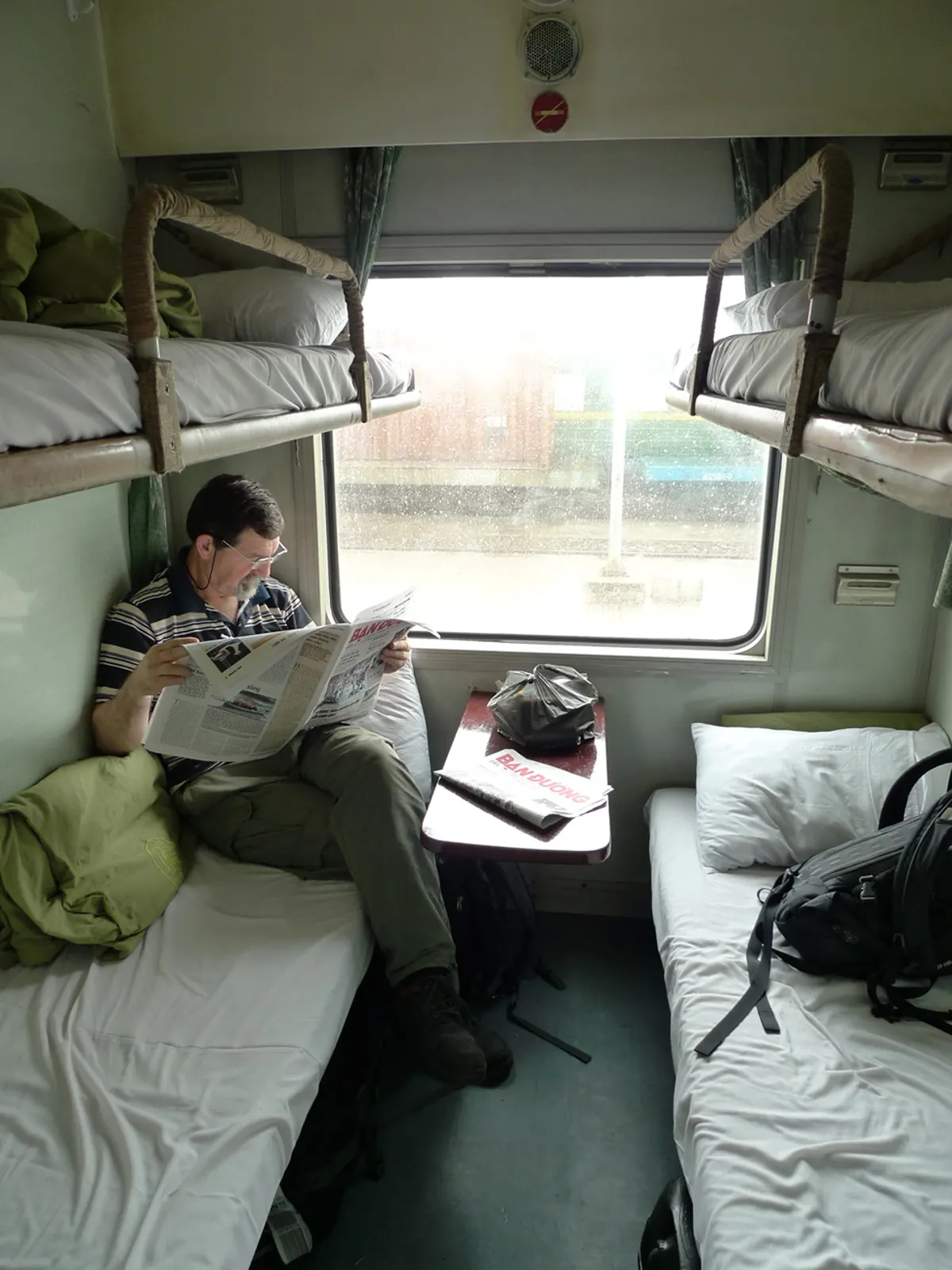
For those contemplating overland travel across Vietnam, sleeper trains present a distinct option for connecting major cities. While air travel has become more prevalent, rail journeys offer a different perspective on the country's diverse landscapes and remain a favored choice for many travelers. This mode of transportation, which predates the country's aviation industry, continues to appeal to individuals seeking a different pace and experience, despite the current railway infrastructure being less extensive than air routes. If you are weighing the merits of a train trip or simply curious about overnight rail services in Vietnam, understanding the practicalities and advantages is key.
Advantages of Rail Travel in Vietnam
Traveling by train through Vietnam offers several compelling benefits that differentiate it from other modes of transport. These advantages often make it a preferred choice for many visitors exploring the country's length.
Firstly, train travel is generally more economical than flying, particularly for longer distances where the price difference becomes more pronounced. Additionally, the railway system frequently provides reduced fares for specific groups such as children, students, and military personnel, making it an even more budget-friendly option. Secondly, train ticket prices tend to be more consistent day-to-day, unlike the fluctuating fares common in air travel. While minor increases may occur during public holidays, prices typically revert to standard rates afterward, offering greater predictability for travelers planning their expenses.
Another significant benefit is the generous luggage allowance. Passengers can typically bring up to 20 kg of baggage on a train, which is considerably more than the standard 7 kg limit for economy class flights or 14 kg for business class. This allowance is particularly useful for those on extended trips or for bringing home souvenirs. Furthermore, rail transport is considered a very secure way to travel. Operating on dedicated tracks, trains face minimal risk of collision with other vehicles, providing a sense of reassurance for passengers. Finally, trains generally have a lower environmental impact compared to cars or airplanes. The emissions from trains are significantly less and do not directly affect the upper atmosphere in the same way aircraft emissions do, making it a more ecologically conscious choice.
Essential Considerations for Sleeper Train Journeys
Before embarking on a sleeper train journey in Vietnam, several practical aspects warrant attention to ensure a smooth and enjoyable experience.
It is advisable to book train tickets in advance, especially if your travel dates coincide with peak seasons or national holidays. Securing tickets through reputable travel agents is often recommended. This process typically involves receiving an email voucher, which you then exchange for a physical ticket at the train station before your departure. Regarding meals, food and beverages are available for purchase onboard. Instant noodles are a particularly popular choice among passengers, though many travelers opt to bring their own snacks and provisions for longer trips.
Upon arrival at the train station to collect your physical ticket, exercise caution to avoid potential scams. Always locate the official counter of the travel agency listed on your voucher. Refrain from handing over your voucher to strangers, even if they offer assistance, as there have been instances of tourists being extorted for its return. It is also prudent to have the contact number of your booking agent readily available in case you encounter difficulty finding their counter. Lastly, consider the size of your luggage. Train corridors can be quite narrow, so ensure your backpack or suitcase is not excessively large and can be easily stowed without obstructing other passengers or causing inconvenience.
Planning Your Vietnamese Train Trip
A journey by train through Vietnam can be an experience in itself, offering a unique perspective on the country's diverse landscapes and daily life. The pace of train travel allows for appreciation of the scenery as the train moves at an average speed, passing through various regions and atmospheres.
The longer the route, the more varied the environment you will observe. While sleeper trains are a popular mode of transport, it is important to note that prices can vary considerably. Certain private sleeper train services may incur higher costs, so it is always wise to verify pricing thoroughly when making reservations. For those interested in specific routes, comfort levels, and costs, further comprehensive details on routes, comfort levels, and costs can assist in planning.
Comparison of Travel Modes in Vietnam
| Feature | Train Travel | Air Travel | Bus Travel |
|---|---|---|---|
| Cost | Generally more affordable, especially for long distances; stable fares. | Can be expensive, especially for last-minute or peak season bookings; fluctuating fares. | Often the cheapest option, but comfort varies significantly. |
| Luggage Allowance | Generous (typically up to 20 kg). | Limited (e.g., 7 kg economy, 14 kg business); extra fees for checked bags. | Varies by operator; generally more flexible than air, but can be cramped. |
| Safety | High; dedicated tracks minimize collision risk. | High; strict safety regulations. | Varies; risk of road accidents higher than rail or air. |
| Comfort | Sleeper cabins offer beds for overnight journeys; soft seats available. | Quickest, but can involve airport transfers and waiting times. | Can be less comfortable for long distances, especially on local services. |
| Scenery & Experience | Offers views of landscapes; slower pace allows appreciation. | Fastest way to cover distance; limited scenic views during travel. | Roadside views; can be subject to traffic and frequent stops. |
| Environmental Impact | Lower emissions compared to cars and planes. | Higher carbon footprint, direct upper atmosphere emissions. | Varies by vehicle type; generally higher emissions than trains. |
Practical Advice for a Smooth Train Experience
To maximize the enjoyment and minimize any potential inconveniences during your Vietnamese train journey, consider these practical tips.
Always verify your booking details and the exact location of your travel agency's counter at the train station well in advance of your departure time. Having a clear plan for ticket collection can save time and reduce stress. While onboard meals are available, packing some of your preferred snacks and drinks can enhance comfort, especially on longer routes. Staying hydrated and having familiar food items can make a significant difference. Furthermore, keeping your valuables secure and close to you, particularly in shared sleeper cabins, is always a good practice. Although trains are generally safe, basic precautions help ensure peace of mind.
Frequently Asked Questions
How comfortable are Vietnamese sleeper trains?
Vietnamese sleeper trains are generally considered more comfortable for long-distance travel than extended journeys by car or bus. They offer dedicated bunks or soft seats, allowing passengers to rest during overnight trips, though comfort levels can vary between different train classes and private cabin options.
What is the typical luggage allowance on a Vietnamese train?
Passengers traveling by train in Vietnam can typically bring a maximum of 20 kg of luggage. This allowance is more generous than standard economy class air travel, making it suitable for travelers with more belongings.
Is traveling by train in Vietnam considered safe?
Yes, train travel in Vietnam is widely regarded as a safe mode of transportation. Trains operate on separate, dedicated tracks, which significantly reduces the risk of collisions with other vehicles compared to road travel.
Is it necessary to book train tickets in advance in Vietnam?
Booking train tickets in advance is highly recommended, particularly if you plan to travel during peak tourist seasons, public holidays, or on popular routes. This helps ensure availability and can often be done through travel agents.
Can I purchase food and drinks while on a Vietnamese train?
Yes, food and drinks are available for purchase on board Vietnamese trains. Instant noodles are a common and popular meal option, but travelers are also welcome to bring their own snacks and beverages for their journey.








