
Vientiane, the capital city of Laos, offers visitors a unique blend of cultural heritage and local experiences. Known for its French colonial architectural influences and numerous Buddhist temples, the city provides a range of activities for those exploring its streets. From significant historical landmarks to diverse culinary delights and distinctive transportation methods, there are various ways to engage with the city's character and understand its relaxed pace of life.
Exploring Vientiane's Culinary Scene
Vientiane presents a diverse array of dining choices, often at remarkably reasonable prices. Travelers will find numerous establishments catering to both local and international tastes, particularly concentrated along Lan Xang and Samsenthai Roads, as well as in areas adjacent to the Mekong River. Options range from simple roadside vendors offering quick bites to more formal restaurants providing a sit-down experience, ensuring there is something to suit every preference and budget.
The city's street food culture shares many similarities with other parts of Southeast Asia, with various forms of Chinese noodles readily available. These dishes often feature fresh ingredients and aromatic broths, providing a flavorful and authentic experience. Given the significant number of visitors from neighboring countries, it is also common to find Vietnamese noodle soup, known as pho, offered throughout the city. This popular dish, characterized by its fragrant broth, rice noodles, and various meats, is a comforting and widely enjoyed meal. Exploring these culinary offerings allows visitors to taste the local flavors and observe daily life.
Historic Sites and Temples in Vientiane
A significant aspect of visiting Vientiane involves exploring its rich historical depth, which is reflected in its many sites of interest. The city primarily features ancient temples and monuments, with most situated within the downtown area, making walking a practical and enjoyable way to see them. These locations hold considerable religious importance, alongside engaging museum exhibits that shed light on the nation's past and distinctive monuments that commemorate significant events.
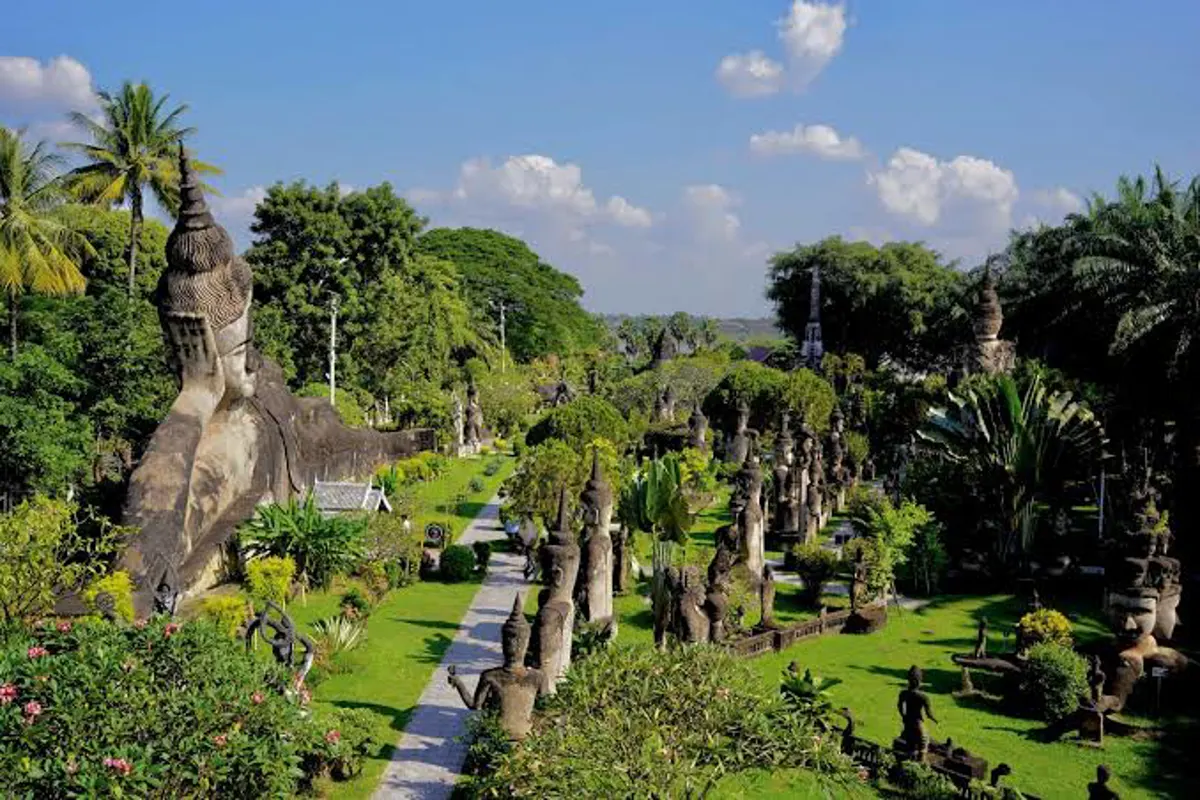
Key places to visit include the Lao National Museum, which offers insights into Lao history and culture, and the Patuxai monument, an arch resembling the Arc de Triomphe, providing panoramic views of the city from its upper levels. Wat Si Saket, known for its cloister wall housing thousands of Buddha images, and the Ho Phra Keo Museum, a former royal temple now displaying a collection of Buddhist sculptures and artifacts, are also prominent. Pha That Luang, a large, gold-covered stupa, stands as a national symbol and a significant religious site. Additionally, the Buddha Park, though located outside the immediate city center, offers an unusual collection of concrete Buddhist and Hindu sculptures and is a notable site for those interested in unique cultural displays.
Navigating Vientiane: Cycling and Tuk-Tuks
Exploring Vientiane by bicycle offers an excellent method for seeing the city's main points of interest at a leisurely pace. Cycling routes can extend to the Lao-Thai Friendship Bridge or Buddha Park, though these longer trips typically require one to two hours each way, making them suitable for those with ample time and a desire for more extensive exploration. For a more central experience, the Mekong Riverfront Route allows cyclists to ride alongside the river for approximately two to three kilometers, observing local life and activities, including fishing and evening strolls by residents.
Another convenient cycling path is the City Landmarks Route, which covers prominent sites such as Wat Ho Phra Keo, Wat Si Saket, the Patuxai Monument, and Pha That Luang. This shorter route can be completed in about 30 minutes, providing a quick overview of central attractions. When cycling, it is advisable to carry bottled water, take regular breaks, and secure the bicycle with a lock when parked to ensure a smooth and worry-free experience. The relatively flat terrain of Vientiane makes cycling accessible for most visitors.
For shorter distances within the city, tuk-tuks serve as a widely used and recognizable mode of transport. These three-wheeled vehicles are managed by the Tuk-Tuk Association of Vientiane Capital, ensuring a degree of organization in their operation. A central tuk-tuk station is conveniently located at the Nam Phou Fountain on Samsenthai Road, making it easy to find a ride. Tuk-tuks typically operate daily from 6:00 am until 6:00 pm, providing a consistent service throughout the day for local commutes and tourist excursions.
While the Tuk-Tuk Association has established standard fares for various destinations, passengers often find opportunities to negotiate prices, particularly for longer journeys or during quieter periods. This common practice allows for some flexibility in travel costs, especially for those familiar with local bargaining customs. Agreeing on a fare before starting the trip is always recommended to avoid any misunderstandings. Riding a tuk-tuk offers a distinct way to experience the city's atmosphere and interact with local drivers.
Relaxation and Wellness in Vientiane
After a day of sightseeing and exploring, many visitors seek out the affordable massage services available throughout Vientiane. These treatments often include a variety of options such as head massages, oil massages, or herbal steam and sauna sessions. Such services are designed to promote physical comfort and mental relaxation, providing a restorative experience that can rejuvenate tired travelers. The tranquil environment and skilled practitioners contribute to a sense of well-being.
The availability of these wellness options contributes to the city's appeal as a destination where travelers can unwind and de-stress. Despite Vientiane being considered one of the smaller capital cities globally, its offerings for relaxation are a notable part of its charm, providing a peaceful contrast to the more energetic pace of other Southeast Asian capitals. These services are generally accessible and provide good value, making them a popular choice for many.
Practical Tips for Visiting Vientiane
When planning a trip to Vientiane, consider the city's relatively compact layout, which makes many central attractions accessible by foot or bicycle. This allows for a more intimate exploration of the streets and local neighborhoods. For longer distances or when time is limited, tuk-tuks offer a convenient alternative, though verifying fares or agreeing on a price before starting the journey is a common and recommended practice to ensure fair pricing.
The local currency is the Lao Kip (LAK). While many larger establishments, particularly in tourist areas, may accept credit cards, cash is generally preferred for smaller purchases, street food, and tuk-tuk fares. It is advisable to carry small denominations for ease of transactions and to facilitate bargaining where applicable. For those interested in broader regional culinary experiences, a dining guide to Phnom Penh also highlights diverse options, offering a comparative look at Southeast Asian cuisine. Additionally, understanding banking services in Hanoi and other major Southeast Asian cities can provide helpful context for managing finances while traveling in the region.
Frequently Asked Questions
What are the primary modes of transport in Vientiane?
For short distances within the city, tuk-tuks are a popular choice, operating from early morning until early evening. Bicycles are also widely used for exploring central areas and specific routes like the Mekong Riverfront, offering a more active way to see the sights.
Can visitors find international cuisine in Vientiane?
Yes, Vientiane hosts a variety of restaurants, particularly in tourist-focused areas along Lan Xang and Samsenthai Roads, and near the Mekong River. These establishments offer both local and international dishes, including popular options like Vietnamese pho and various Chinese noodle preparations.
Are there opportunities for relaxation services in Vientiane?
Affordable massage services are readily available, providing options such as head massages, oil massages, and herbal steam or sauna treatments for visitors seeking to unwind and rejuvenate after exploring the city.
What historical sites should I prioritize in Vientiane?
Key historical and cultural sites include the Lao National Museum, Patuxai, Wat Si Saket, Ho Phra Keo Museum, and Pha That Luang. Many of these are centrally located and can be visited conveniently on foot, offering a comprehensive look at the city's heritage.








