
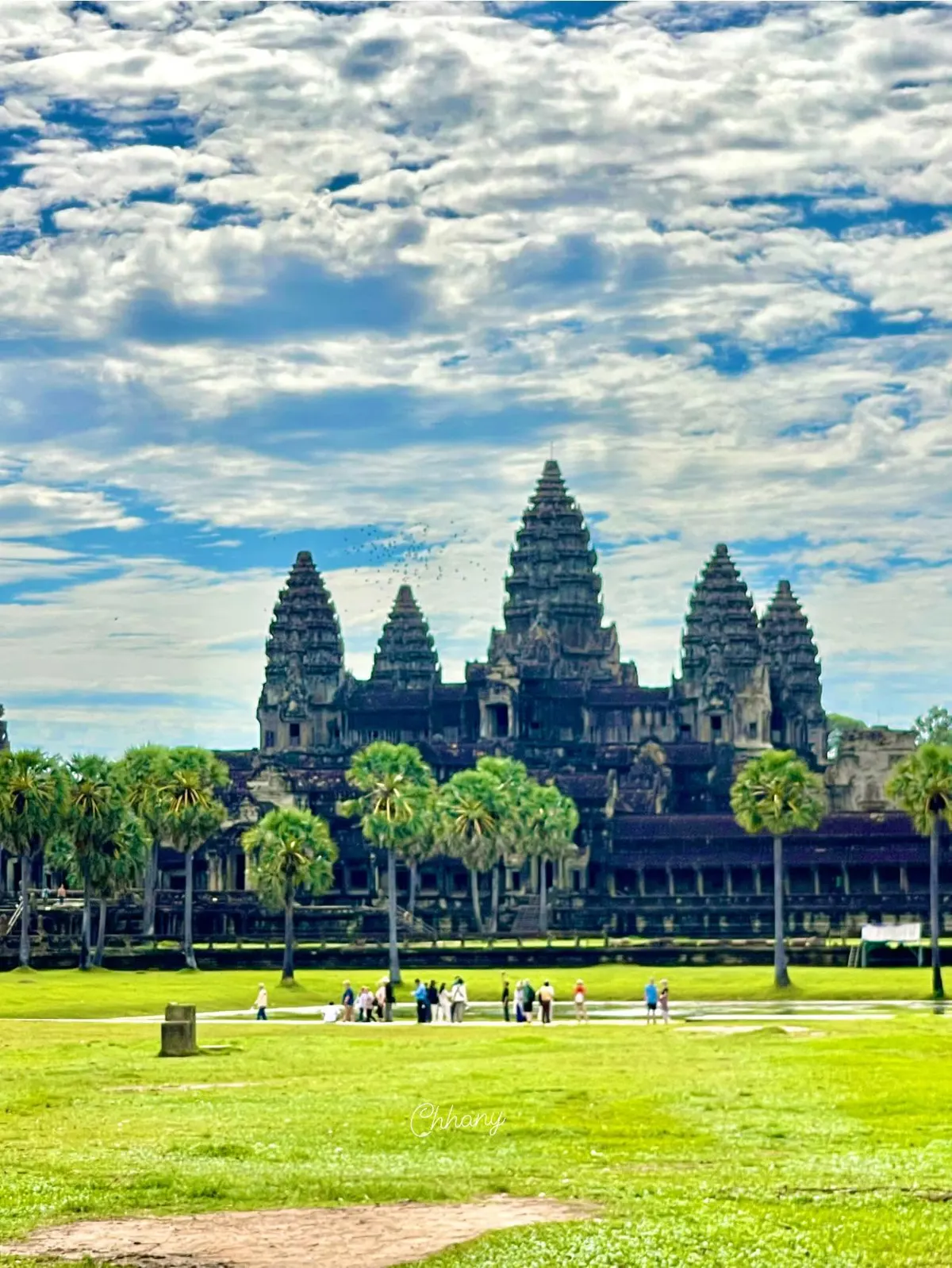
Cambodia welcomes visitors throughout the year, offering a blend of ancient architecture and rich cultural experiences. Deciding the most suitable time for a trip depends largely on individual preferences regarding climate and local festivities. This guide provides insights into Cambodia's seasonal variations and major events to help plan an ideal visit.
Cambodia's Climatic Seasons
Cambodia experiences a tropical climate, characterized by consistently warm temperatures and distinct dry and wet periods. Understanding these seasonal shifts is crucial for planning a comfortable and enjoyable trip. While the country remains warm year-round, average daily temperatures can frequently exceed 35°C during the hottest stretches.
The dry season typically extends from October through April, influenced by the northeast monsoon. This period brings generally clear skies and reduced humidity. November and January often present the most agreeable conditions, with cooler temperatures making outdoor activities more pleasant. However, by March, the heat intensifies, and April can be particularly warm, potentially impacting comfort for some travelers. During this time, unpaved roads become less muddy but can be dusty.
Conversely, the wet season, also known as the monsoon season, runs from May to October. Approximately 70% of Cambodia's annual rainfall occurs during these months. The peak of the rainy period is usually from July to September, where daily rain showers are common. These are often brief, heavy downpours lasting a few hours, though occasionally, rain can persist for an entire day. Travelers should be aware that heavy rainfall can lead to localized flooding and transform unpaved roads into muddy, slippery tracks, potentially slowing down travel.
Major Festivals and Public Holidays
Cambodia is known for its numerous public holidays and cultural celebrations, offering visitors a chance to observe local traditions. These events can significantly enhance a travel experience, though they may also affect local services and accommodation availability.
The Khmer New Year, or Choul Chnam Thmey, is a significant annual cultural event celebrated from April 13th to 15th. This three-day festival marks the conclusion of the harvest season, providing a period of rest for farmers. During this time, many urban areas become quieter as residents return to their home villages for family gatherings and celebrations. Travelers planning to visit during the Khmer New Year should secure accommodations in advance, as hotel rates may increase.
Another prominent event is the Water Festival, Bon Om Touk, which takes place over three days in November. This large-scale celebration draws people from across the country to Phnom Penh and Siem Reap. The festival features colorful boat races on the rivers, accompanied by fireworks displays and traditional dancing. It is important to note that this festival does not involve street water fights, unlike some other Southeast Asian new year celebrations.
Pchum Ben, also known as Ancestor's Day, is a deeply spiritual holiday observed for 15 days, with the final three days designated as public holidays. Occurring in late September or early October, this period is when Cambodians believe the spirits of their ancestors return. Families visit pagodas to offer food to monks, a practice central to honoring their forebears.
The Royal Ploughing Ceremony, or Preah Reach Pithi Chrat Preah Neangkol, is held in May to signify the start of the rice-growing season. During this ceremony, sacred oxen, guided by the king, perform a ceremonial plowing. The oxen are then presented with various plates of food, representing different crops. Predictions for the upcoming agricultural season are made based on which foods the oxen choose to consume.
Planning Your Cambodian Itinerary
Choosing the optimal time for a trip to Cambodia involves weighing the advantages and disadvantages of each season. The dry season, particularly from November to January, is popular for its comfortable weather, making it ideal for exploring ancient sites like Angkor Wat and other outdoor activities. However, this popularity also means higher tourist numbers and potentially increased prices for flights and lodging.
Traveling during the wet season, from May to October, offers a different experience. While rain is more frequent, it often brings a refreshed and greener landscape, especially around the temples, which can be less crowded. This period might appeal to those seeking a more tranquil visit or better value on accommodations. Travelers should pack appropriate rain gear and be prepared for slower transit times on certain routes. For those interested in exploring Cambodian and international cuisine, Phnom Penh offers diverse options regardless of the season.
Practical Advice for Visiting Cambodia
Cambodia, situated in the southern part of Indochina, is bordered by Thailand, Laos, Vietnam, and the Gulf of Thailand. Its geographical position contributes to its tropical climate and rich biodiversity. When preparing for your visit, consider the specific activities you plan to undertake. For extensive outdoor exploration, the cooler dry months are generally more suitable.
Regardless of the season, it is advisable to stay hydrated and protect yourself from the sun. During the wet season, insect repellent is particularly recommended. Always verify specific event dates closer to your travel time, as lunar calendars often influence festival timings, leading to slight variations year-to-year. Being flexible with your itinerary can also be beneficial, especially during the monsoon months when travel might be subject to minor delays due to weather conditions.
| Season | Months | Typical Weather | Rainfall | Road Conditions | Tourist Volume | Notable Festivals |
|---|---|---|---|---|---|---|
| Dry Season | October - April | Warm, less humid; cooler Nov-Jan, very hot Mar-Apr | Minimal | Improved, can be dusty | High (Nov-Jan) | Khmer New Year (April) |
| Wet Season | May - October | Warm, humid | Frequent, heavy showers (Jul-Sep peak) | Muddy, slippery (unpaved) | Lower | Royal Ploughing Ceremony (May), Pchum Ben (Sep/Oct), Water Festival (Nov) |
Frequently Asked Questions
Is Cambodia a year-round travel destination?
Yes, Cambodia can be visited at any time of the year. However, the experience varies significantly between the dry season (October to April) and the wet season (May to October), with each offering distinct advantages and challenges for travelers.
What are the hottest months in Cambodia?
The period from March to April typically experiences the highest temperatures in Cambodia, often exceeding 35°C. These months fall at the end of the dry season, just before the onset of the monsoon.
How does the wet season affect travel to Angkor Wat?
During the wet season, the landscape around Angkor Wat becomes lush and green, and the moats are full, which can offer a different, often less crowded, perspective of the temples. While rain showers are common, they usually last only a few hours, allowing for plenty of exploration time. However, paths can become slippery, so appropriate footwear is advised.
What should I expect during Khmer New Year?
Khmer New Year, celebrated from April 13th to 15th, is a time when many Cambodians return to their hometowns. Major cities may seem quieter, while villages become lively with family gatherings and traditional games. Travelers should anticipate increased demand for accommodation and potentially higher prices during this period.
Is the Water Festival similar to Thailand's Songkran?
While both are significant cultural festivals, Cambodia's Water Festival (Bon Om Touk) in November is distinct from Thailand's Songkran. The Cambodian festival primarily focuses on boat races, parades, and fireworks, celebrating the reversal of the Tonle Sap River's flow. It does not involve the public water fights that are characteristic of Songkran.








