
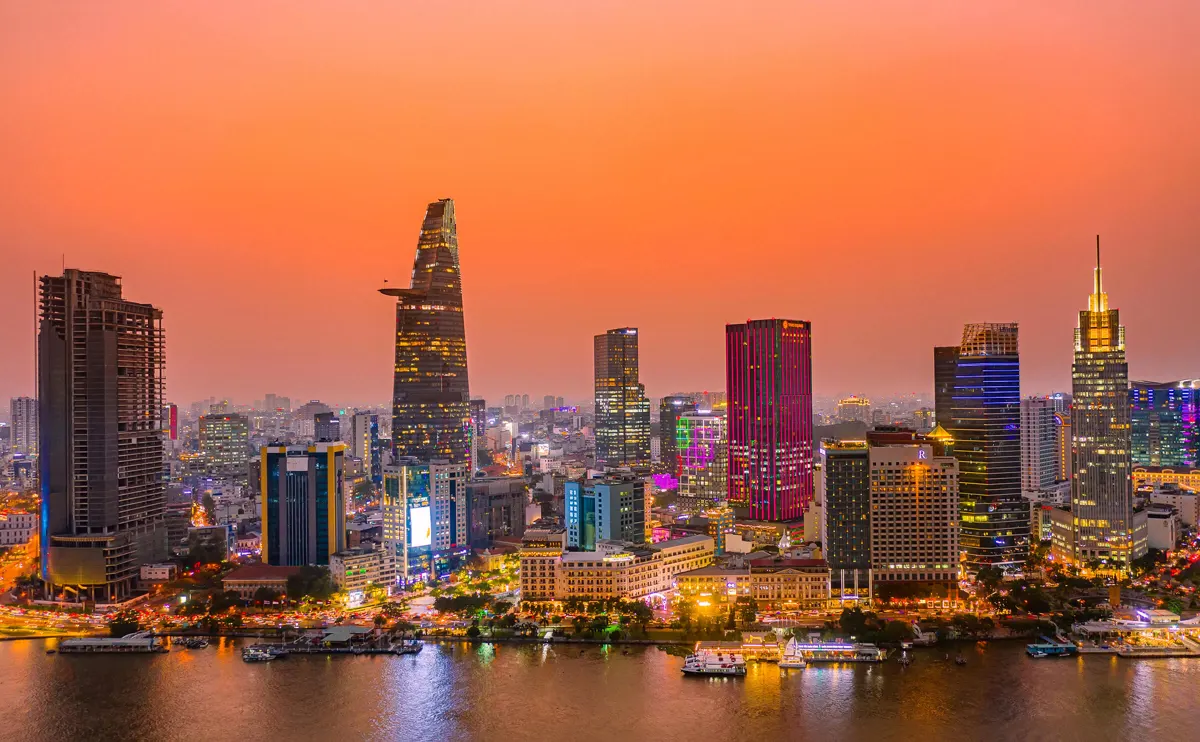
Ho Chi Minh City, often referred to as Saigon, operates under a tropical climate characterized by two primary seasons: a dry period and a rainy period. For many travelers, the optimal time to visit is during the dry season, specifically from December through February, when temperatures are milder and rainfall is minimal. However, each season presents unique aspects that can influence your travel plans and experiences in this major Vietnamese urban center.
Ho Chi Minh City's Climate Overview
Situated in a tropical zone, Ho Chi Minh City experiences consistent warmth throughout the year, with variations primarily in humidity and precipitation. The city's weather patterns are defined by its dry season and its monsoon season. Understanding these two periods is crucial for planning activities and packing appropriately for your visit.
The dry season typically spans from December to April, offering sunnier days and lower humidity. Following this, the monsoon, or wet season, extends from May through November, bringing higher humidity and more frequent rainfall. Temperatures generally remain elevated, though the intensity of the heat can vary between seasons and even within the dry period itself.
Exploring the Dry Season (December to April)
The dry season in Ho Chi Minh City is widely considered the most comfortable time for visitors. From December to February, the weather is particularly agreeable, with morning temperatures potentially dropping to around 17°C (62°F) and rising to a pleasant 24-26°C (75-78°F) in the afternoons and evenings. These months are popular for walking tours and outdoor exploration due to the reduced heat and absence of rain, making them the busiest period for tourism.
This cooler, drier period also coincides with several significant holidays and festivals. Christmas and New Year celebrations bring decorative lights and a festive atmosphere to the city. The Vietnamese Lunar New Year, known as Tet Holiday, typically falls between late January and mid-February. During Tet, the city becomes adorned with decorative flowers and traditional music. However, it's important to note that many local businesses, including shops and restaurants, close for the first three days of Tet as residents travel to their hometowns. Travelers during this time might find fewer services available, though some tour operators can arrange visits to local families for a cultural experience. As the dry season progresses into March and April, temperatures rise significantly, often reaching 36-40°C (97-104°F). Travelers visiting during these hotter months should plan activities with breaks in air-conditioned venues like shopping centers or cafes.
Navigating the Wet Season (May to November)
From May to the beginning of November, Ho Chi Minh City enters its wet season, characterized by increased humidity and regular heavy showers. These daily downpours can provide a welcome cooling effect after periods of intense heat. While rain is frequent, it often occurs in short, intense bursts, allowing for clear periods before and after. However, visitors should be aware that during peak monsoon months, particularly August, September, and October, rainfall can be continuous for several days.
Despite the rain, the wet season offers distinct advantages. The city generally experiences fewer tourists, which can lead to more favorable prices for accommodations and other services. Many locals describe the wet season weather as unpredictable, with sunny mornings quickly giving way to heavy afternoon rains that then clear just as suddenly. Travelers on a tighter budget may find this period appealing due to potential savings. When considering financial aspects of your trip, it's also useful to understand banking services in Ho Chi Minh City for travelers to manage your funds effectively.
Seasonal Activities and Considerations
Each season in Ho Chi Minh City offers different opportunities for visitors. During the dry season, especially from December to February, the pleasant weather is ideal for extensive sightseeing, exploring historical sites like the Reunification Palace or Notre Dame Cathedral, and walking through various districts. This is also a prime time for outdoor markets and street food exploration without the concern of sudden rain. If you plan to purchase items, learning about essential souvenirs and unique purchases from a trip to Vietnam can enhance your shopping experience.
Conversely, the wet season can be suitable for indoor activities such as visiting museums, art galleries, or enjoying the city's cafe culture. The occasional heavy rain can also be a refreshing change, and the city takes on a different atmosphere. Travelers during this time should carry umbrellas or raincoats and be prepared for potential delays in outdoor plans. Regardless of the season, Ho Chi Minh City's culinary scene remains a year-round attraction. For those traveling between cities, considering overnight rail journeys in Vietnam can be an interesting way to experience the country.
Practical Advice for Planning Your Visit
When deciding on the best time to visit Ho Chi Minh City, consider your priorities. If comfortable temperatures, minimal rain, and a lively festive atmosphere are important, the period from December to February is highly recommended. Be prepared for larger crowds and potentially higher prices during these peak months, especially around major holidays like Tet.
If you prefer fewer crowds, more budget-friendly options, and don't mind occasional rain showers, the wet season from May to November can be a good choice. The rain often provides a temporary relief from the heat, and many travelers find the city's energy undiminished. Regardless of when you choose to travel, staying hydrated, dressing in light clothing, and having a flexible itinerary will contribute to a more enjoyable experience in Ho Chi Minh City.
Frequently Asked Questions
What are the typical temperatures in Ho Chi Minh City?
Ho Chi Minh City generally experiences warm temperatures year-round. During the cooler dry season months (December-February), mornings can be around 17°C (62°F), rising to 24-26°C (75-78°F) in the afternoons. In the hotter dry season (March-April), temperatures can reach 36-40°C (97-104°F).
Is it advisable to visit Ho Chi Minh City during Tet Holiday?
Visiting during Tet Holiday (Vietnamese Lunar New Year, typically late January to mid-February) offers a unique cultural experience with festive decorations and music. However, many local businesses, including shops and restaurants, close for the first few days, and the city can feel quieter as residents travel to their hometowns. Plan accordingly for limited services.
What are the benefits of traveling to Ho Chi Minh City during the wet season?
Traveling during the wet season (May-November) often means fewer tourists, which can lead to more affordable accommodation and tour prices. The daily heavy showers can also provide a welcome respite from the heat, and the city's atmosphere remains dynamic despite the rain.
How should I prepare for the wet season in Ho Chi Minh City?
If visiting during the wet season, it is advisable to carry an umbrella or a lightweight raincoat. Plan your daily activities with flexibility, allowing for indoor options during heavy downpours. Footwear that can handle wet conditions is also recommended.
Are there any specific months to avoid for travel to Ho Chi Minh City?
While no month is strictly to be avoided, March and April can be exceptionally hot, with temperatures frequently exceeding 36°C (97°F). If you are sensitive to high heat, these months might be less comfortable for extensive outdoor activities. The wettest months, August to October, can also see prolonged periods of rain.








