
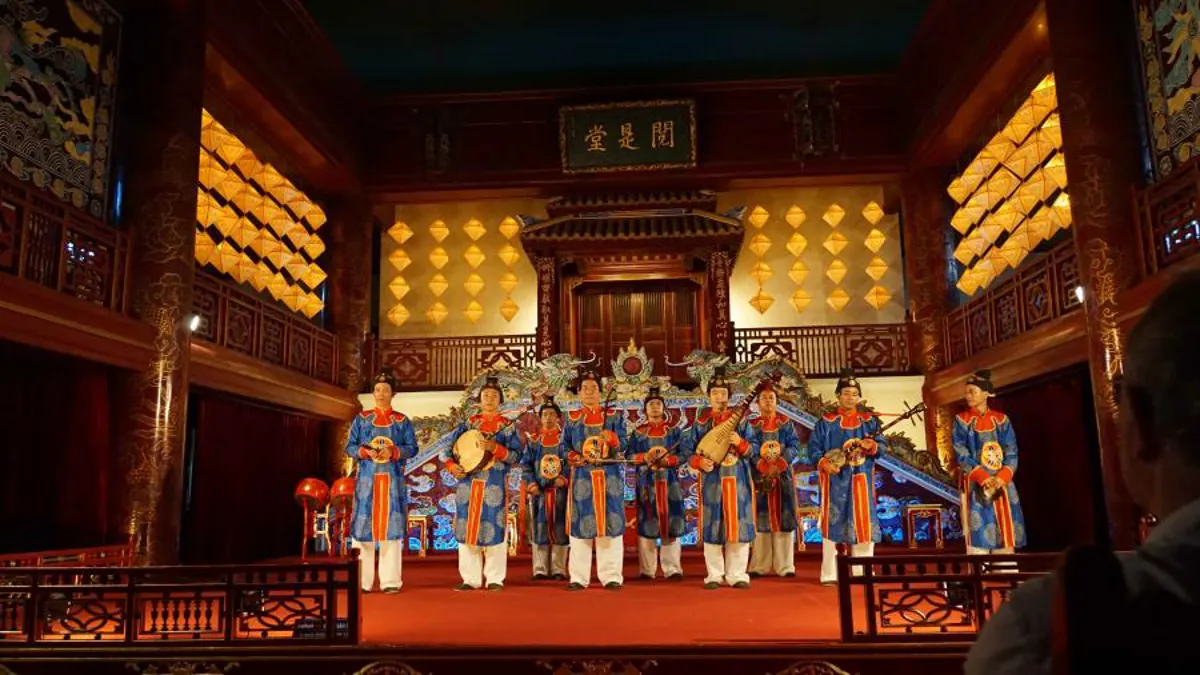
Choosing the right time to travel to Hue, a prominent historical city in Vietnam, significantly enhances the visitor experience. The city's climate, a blend of northern and southern Vietnamese weather influences, shapes the availability and enjoyment of its many attractions. Generally, the period from November through April is considered most favorable for tourists seeking pleasant conditions for sightseeing and cultural engagement.
Understanding Hue's Climate Profile
Hue experiences a tropical monsoon climate, characterized by a transition between equatorial and tropical monsoon zones. This positioning results in weather patterns that combine elements from both northern and southern Vietnam's coastal regions. The average annual temperature across the plains typically ranges from 24°C to 30°C.
The warmer period, extending from May to September, is influenced by southwest winds, leading to dry, warm conditions and elevated temperatures. During these months, average temperatures hover between 27°C and 29°C, with May and June often being the hottest, reaching highs of 38°C to 40°C. Conversely, the cooler period, from October to March of the following year, is marked by the northeast monsoon, bringing substantial rainfall and colder air. Average temperatures in the plains during this time are cooler, around 20°C to 22°C.
Optimal Periods for a Hue Trip
While central and southern Vietnam often divide their year into distinct dry and rainy seasons, Hue presents a slightly different seasonal breakdown: a primary rainy season and a shorter rainy season. The main rainy season typically spans from September to the end of December, followed by a shorter rainy season from late December until approximately April. The remaining months of the year generally see abundant sunshine and warmth.
For international visitors, the window from November until the end of April is widely regarded as the most suitable time to explore Hue. This period offers a balance of cooler temperatures and less intense rainfall, making outdoor activities and historical site visits more comfortable. Planning a trip during these months allows for a more comprehensive appreciation of the city's unique atmosphere.
Experiencing Hue Through Its Seasons
Each season in Hue offers a distinct character, appealing to different preferences. Travelers can choose their visit based on desired weather and cultural experiences.
Autumn and Early Winter: November to December
For those who appreciate cooler temperatures and the distinctive ambiance of rain, November and December present an opportunity to experience what is often described as 'winter in the ancient capital.' During this time, visitors might find pleasure in exploring Hue amidst gentle showers, perhaps enjoying local street foods such as grilled sweet potatoes, corn with spring onions, or dried squid cooked over charcoal, a popular pastime in the cooler, damp weather. The rain in Hue is considered a signature aspect of the city, evoking a sense of nostalgia and deepening the connection to its historical past.
Spring's Arrival: January to February
Hue also experiences a unique spring period, typically from January to the end of February. This transitional phase sees the cooler air gradually recede, giving way to increasing sunshine. The city often appears refreshed and vibrant during these months, with lush greenery emerging everywhere. This period is particularly pleasant for exploring, offering a fresh perspective on the city's serene landscapes and preparing for the celebratory atmosphere of the Lunar New Year.
The Festival Season: April
April stands out as a particularly significant time to visit Hue, primarily due to the Hue Festival. This event, recognized as Vietnam's premier national and international cultural and tourism festival, typically runs from April 1st to April 6th. Attending the festival provides an opportunity to witness Hue's charm and engage directly with its specific cultural traditions, which are often difficult to fully grasp through texts or images alone. The city transforms into a lively hub of artistic and entertainment activities, featuring performances by both local and international troupes. During the festival, Hue is adorned with colorful decorations, resembling its former royal splendor, making it an ideal time for those interested in the city's cultural heritage.
Notable Sites and Cultural Events
Hue's rich history is reflected in its numerous heritage sites and ongoing cultural practices. Visitors have a variety of options for exploring the city's past and present.
Historical Landmarks
- Hue Imperial Citadel: This significant complex serves as the second layer of fortifications within Hue's Imperial City. It protected the most important royal palaces, ancestral shrines of the Nguyen Dynasty, and the Forbidden Purple City, which was exclusively for the emperor and his family. The Imperial Citadel and the Forbidden Purple City are often collectively referred to as the Great Citadel.
- Hue Museum of Royal Fine Arts: The central structure of this museum is a wooden building featuring 128 valuable wooden pillars. These pillars are intricately carved with depictions of four mythical creatures and inscribed with over a thousand poems written in Chinese characters. This building was originally Long An Palace, constructed in 1845 during the reign of Emperor Thieu Tri of the Nguyen Dynasty.
Local Experiences and Markets
- Walking Street: Inaugurated in late September 2017, Hue's walking street encompasses Chu Van An, Pham Ngu Lao, and Vo Thi Sau streets. It operates from 6 PM on Friday, Saturday, and Sunday evenings. Here, visitors can sample a variety of local Hue dishes, enjoy street music performances, or simply relax with beverages among friends.
- Dong Ba Market: As one of Hue's oldest and largest markets, Dong Ba Market offers a comprehensive insight into local commerce and daily life. It is a prime location for finding traditional goods, fresh produce, and local culinary specialties.
Hue's historical significance is profound, with a documented history spanning over 700 years since Lord Nguyen established his capital here. From that period until the end of the Nguyen Dynasty in 1945, Hue served as a convergence point for significant cultural figures and a nexus of ancient aesthetic traditions influenced by both Eastern and Western philosophies. It stands as the only city in Vietnam that largely retains the appearance of a medieval town and the architectural integrity of a monarchical capital, effectively functioning as a vast, invaluable museum. For those managing their finances during their visit, understanding local banking options can be helpful.
Seasonal Overview for Visiting Hue
| Season/Period | Typical Weather | Average Temperature (Plains) | Key Characteristics & Activities |
|---|---|---|---|
| Hot Season (May - September) | Dry, warm, high humidity, southwest winds | 27°C - 29°C (up to 38°C - 40°C in May/June) | Suitable for indoor attractions, river cruises in early mornings/evenings. |
| Cold Season (October - March) | Heavy rain, cooler, northeast monsoon | 20°C - 22°C | Ideal for those who enjoy cool, rainy weather; street food experiences. |
| Rainy Season (September - December) | Frequent, often heavy rainfall | Variable, trending cooler | Experience Hue's unique 'rainy charm'; indoor cultural sites. |
| Short Rainy Season (Late December - April) | Reduced rainfall, transition to drier conditions | Variable, trending warmer | Excellent for general sightseeing; includes Spring and Festival. |
| Spring (January - February) | Transition from cold to sunny, fresh | Mild to warm | Lush greenery, pleasant for walking and outdoor exploration. |
| Hue Festival (April 1 - 6) | Generally pleasant, sunny (part of short rainy season) | Mild to warm | Major cultural event, art performances, royal decorations. |
Frequently Asked Questions
What is the absolute best time to visit Hue for good weather?
The period from November to the end of April is generally considered the most favorable for visiting Hue, offering a balance of comfortable temperatures and less intense rainfall, making it ideal for exploring the city's attractions.
Does Hue experience a true 'winter'?
While not a typical winter with snow, Hue does have a cold season from October to March, influenced by the northeast monsoon. November and December are particularly noted for their cooler temperatures and significant rainfall, which some visitors appreciate as a unique 'winter in the ancient capital' experience.
What is the Hue Festival and when does it occur?
The Hue Festival is Vietnam's premier national and international cultural and tourism festival. It typically takes place in April, from the 1st to the 6th, offering a wide array of art performances, cultural displays, and historical reenactments within the beautifully decorated city.
Are there specific foods recommended during Hue's rainy season?
During the cooler, rainy months, local street foods like grilled sweet potatoes, grilled corn with spring onions, and charcoal-grilled dried squid are popular choices. These warm snacks are often enjoyed by locals and visitors alike.
How does Hue's climate compare to other parts of Vietnam?
Hue's climate is a transitional zone, blending characteristics of both northern and southern Vietnam. Unlike the clear dry and rainy seasons of the south, Hue has a primary rainy season (September-December) and a shorter rainy season (late December-April), with the remaining months being generally sunny.








