
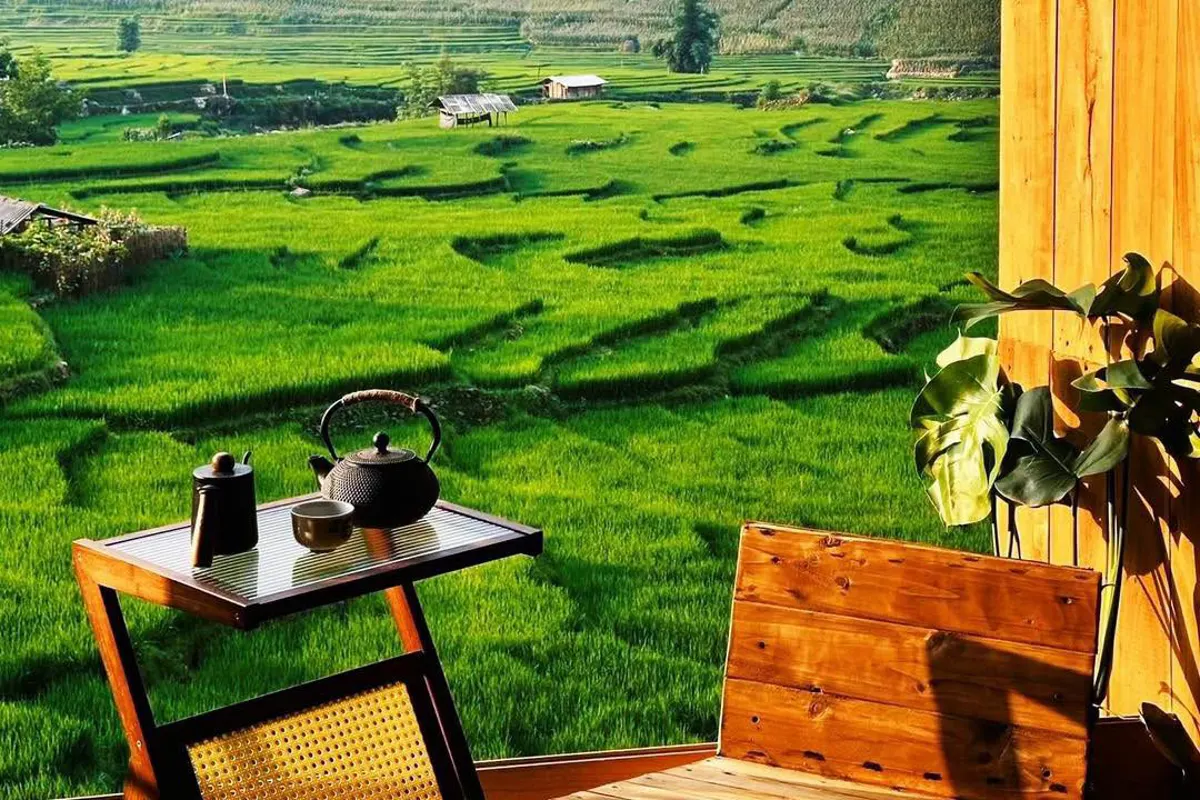
Sapa, a highland community situated in Vietnam's northwestern Lao Cai province, provides travelers with an opportunity to explore its distinctive landscapes and diverse ethnic cultures. A two-day, one-night trekking and homestay itinerary offers a structured approach to experiencing the region's natural beauty and connecting with local communities. This short trip typically involves walking through terraced fields and various villages, culminating in an overnight stay with a local family.
Sapa's Geographic and Cultural Context
Sapa town is positioned at an elevation of 1,600 meters above sea level. It lies approximately 38 kilometers from Lao Cai city and 376 kilometers from Vietnam's capital, Hanoi. The area is home to around 42,000 residents, comprising six distinct ethnic minority groups: Dao, H'mong, Tay, Giay, Xa Pho, Kinh, and Hoa. These communities contribute to the region's rich and varied traditional cultures.
Visitors to Sapa can admire several natural and cultural points of interest, including Heaven Gate, Fansipan Mountain, Muong Hoa Valley, Silver Waterfall, Ham Rong Mountain, and ancient rocky areas. The tranquil environment and natural wonders provide a peaceful escape from daily stresses. Beyond the scenery, engaging with the local population and exploring the Sapa market offers deeper insights into the regional way of life and culinary traditions.
A Detailed Two-Day Trekking and Homestay Plan
This itinerary focuses on a two-day, one-night trekking and homestay experience, providing an opportunity to observe local architecture, appreciate the scenery, and learn about the daily routines of ethnic minority groups. The experience includes staying overnight with a local family, an aspect that many visitors find particularly enriching.
The journey involves visiting several ethnic villages, including Y Linh Ho, Lao Chai, Ta Van, Giang Ta Chai, and Supan. These walks allow for appreciation of the natural surroundings, particularly the terraced fields, and facilitate interaction with members of the Giay and Red Dao communities. An overnight stay in a Giay local house offers a chance to participate in daily life and observe traditional customs.
Day 1: Sapa to Y Linh Ho, Lao Chai, and Ta Van (Approximately 12 km Trek)
The excursion begins from Sapa town at 9:00 AM; participants should gather before this time. The group will walk approximately 6 kilometers southeast from Sapa, following the slopes of Muong Hoa valley, to reach Y Linh Ho, a village inhabited by the Black H'mong people. Following this, the trek continues for another 3 kilometers to Lao Chai village, also home to the H'mong. To enter Lao Chai, travelers cross a small bridge leading into the Muong Hoa valley, which starts about 7-8 kilometers southeast of Sapa town.
Lao Chai is a commune consisting of three main villages with over 100 Black H'mong families, covering an area of 29.35 square kilometers. The residents are known for their welcoming nature, making interactions straightforward. Lunch is typically arranged with a local family in Lao Chai or at a small shop near the river. After a meal and a brief rest, the journey proceeds to Ta Van village, inhabited by the Giay people. Ta Van, a commune of Sapa town located 8 kilometers from the town center, is a multi-ethnic area that also includes H'mong residents. Landmarks here include the Ancient Rock Beach, Cau May, and traditional stilt houses (Nha San). The village also offers various local specialties. Despite being a less affluent commune, the growth of tourism and cultivation of valuable agricultural products like peaches and cardamom have contributed to improving local livelihoods. The first day concludes with an overnight homestay in Ta Van, providing a chance to experience local daily life, observe work routines, and try on traditional attire.
Day 2: Ta Van to Giang Ta Chai, Supan, and Return to Sapa (Approximately 8 km Trek, 10 km Drive)
The second day starts with breakfast at the homestay. The morning involves an 8-kilometer trek to visit Giang Ta Chai and Supan villages, both home to the Red Dao ethnic group. Giang Ta Chai is approximately 15 kilometers from Sapa center, situated on the right side of Muong Hoa valley, and is recognized for its distinctive traditions and customs. Supan village is characterized by its remote location and smaller population. After exploring these two villages, the group will return to the main road to take a jeep back to Sapa town, a drive of about 10 kilometers. The two-day, one-night trekking tour typically concludes between 3:30 PM and 4:00 PM in Sapa town.
Engaging with Local Communities
The homestay component of this itinerary offers a direct way to engage with the local culture. Staying with a family in Ta Van allows visitors to observe and, in some cases, participate in daily household activities. This direct interaction with the Giay and Red Dao communities provides a deeper understanding of their customs, agricultural practices, and social structures. Many visitors find the opportunity to try on traditional clothing and share meals with local hosts to be particularly memorable, fostering a sense of connection that differs from typical tourist experiences. Respectful engagement and an open mind are key to appreciating these cultural exchanges.
Preparing for Your Sapa Trek
Proper preparation is essential for a comfortable and enjoyable trekking experience in Sapa. Given the varying terrain and potential weather changes, appropriate footwear, such as sturdy walking shoes or hiking boots, is recommended. Layered clothing is advisable to adapt to temperature fluctuations throughout the day and evening. It is also wise to carry a small backpack with essentials like water, snacks, sunscreen, a hat, and a rain jacket, especially during the rainy season.
For managing finances during your trip, it's helpful to be aware of the banking facilities in Sapa. While credit cards are accepted in some larger establishments, cash is generally preferred in smaller villages and markets. In case of any medical needs, understanding the healthcare services in Sapa can provide peace of mind. Travelers often reach Sapa from Hanoi, with popular options including overnight buses or overnight rail journeys in Vietnam to Lao Cai, followed by a local transfer to Sapa.
Sapa's Local Flavors and Market Exploration
Beyond the trekking routes, Sapa offers a range of culinary experiences that reflect its highland environment and ethnic diversity. Visitors can sample regional specialties, which often feature fresh local produce, herbs, and meats prepared with traditional techniques. Popular dishes might include various grilled items, hot pot, and specific ethnic minority recipes. Exploring the Sapa market is another way to experience local life, where vendors sell everything from fresh produce and spices to handcrafted textiles and souvenirs. This market provides an excellent opportunity to interact with local people and perhaps find some unique purchases from Vietnam to remember your trip.
Comparison of Trekking Villages
ena>| Village Name | Primary Ethnic Group(s) | Key Features for Visitors | Approx. Trek Distance from Sapa (Day 1) |
|---|---|---|---|
| Y Linh Ho | Black H'mong | First village on the trek, scenic views of Muong Hoa Valley | 6 km |
| Lao Chai | Black H'mong | Larger H'mong community, hospitable locals, lunch stop | 9 km (from Sapa) |
| Ta Van | Giay, H'mong | Ancient Rock Beach, Cau May, Nha San, overnight homestay location | 12 km (from Sapa) |
| Giang Ta Chai | Red Dao | Known for colorful traditions and customs, terraced fields | 8 km (from Ta Van) |
| Supan | Red Dao | More remote and sparsely populated village | Near Giang Ta Chai |
Frequently Asked Questions
What is the altitude of Sapa?
Sapa town is situated at an elevation of approximately 1,600 meters (about 5,250 feet) above sea level.
Which ethnic groups reside in Sapa?
Sapa is home to several ethnic minority groups, including the Dao, H'mong, Tay, Giay, Xa Pho, Kinh, and Hoa people, each contributing to the region's diverse cultural identity.
What are some notable natural attractions in Sapa?
Key natural attractions in Sapa include Heaven Gate, Fansipan Mountain (Vietnam's highest peak), Muong Hoa Valley, Silver Waterfall, and Ham Rong Mountain. The region also features ancient rocky areas.
How far is Sapa from Hanoi?
Sapa is located approximately 376 kilometers (about 234 miles) from Hanoi, the capital city of Vietnam.
What kind of experience does a Sapa homestay offer?
A Sapa homestay provides an opportunity to stay with a local family, observe their daily routines, experience their way of life, and sometimes participate in cultural activities like trying on traditional costumes, offering a more personal cultural exchange.








