
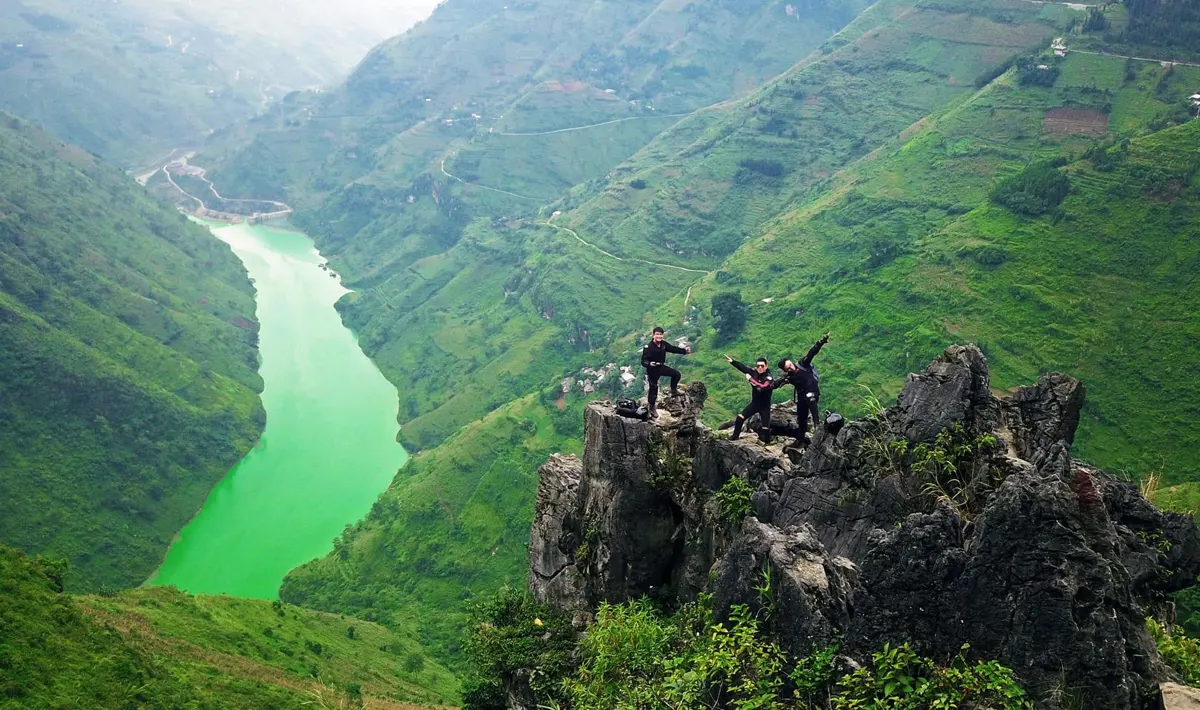
Exploring Sapa on two wheels presents a unique opportunity to experience the region's natural grandeur and rich cultural heritage. While cycling here can be physically demanding, particularly due to the hilly landscape, it rewards riders with unparalleled views of terraced rice fields, lush forests, and close encounters with local communities. This guide outlines popular routes, offers practical advice, and emphasizes safety to help visitors plan a memorable cycling expedition in Sapa.
Understanding Cycling in Sapa's Landscape
Sapa, a mountainous district within Lao Cai province, is renowned for its diverse topography, featuring steep inclines and descents. Cycling here is considered an exciting yet challenging activity, generally recommended for individuals with prior cycling experience. Rides can range from a half-day excursion covering shorter distances to multi-day adventures for those seeking to explore more remote areas. The effort of navigating uphill sections is often balanced by the thrill of downhill stretches, making for a dynamic ride.
When planning a cycling trip, visitors have two primary options: renting a bicycle for independent exploration or joining an organized cycling tour. Rental shops are readily available in Sapa town, offering various types of bicycles. It is crucial to select a well-maintained mountain bike suitable for rugged terrain and to verify its condition before setting out. For navigation, a detailed map of Sapa is indispensable, as major roads are typically marked. Opting for a guided tour can provide added convenience, often including a knowledgeable guide, appropriate bicycles, support vehicles, and some meals, which can enhance the overall experience and safety.
Notable Cycling Destinations Around Sapa
Sapa's surroundings are dotted with villages and markets that offer distinct cultural experiences and scenic beauty, accessible by bicycle. The duration of a trip to these locations can vary, from half-day rides to more extensive multi-day journeys.
| Destination | Distance from Sapa Town | Key Features | Recommended Duration |
|---|---|---|---|
| Ta Phin Village | 17 km | Home to the Red Dao ethnic group, known for preserved traditional culture. | Half-day |
| Lao Chai Village | 6 km | Inhabited by Hmong people, marks the beginning of the Muong Hoa valley, offering views of terraced rice fields. | Half-day to full day |
| Ta Van Village | 10 km | Features narrow roads winding through green corn and rice fields. | Half-day |
| Cat Cat Village | Located in Muong Hoa valley | Primarily a downhill ride, notable for a large waterfall and an old hydroelectric power station; observe women weaving. | Half-day |
| Ban Ho Village | 25 km | Home to the Tay ethnic community; offers opportunities for homestay experiences. | 1-2 days |
| Bac Ha Market | 80 km | A significant and colorful Sunday market where local people exchange goods and socialize. | Full day (challenging ride) |
| Muong Khuong Market | 90 km | Another large Sunday market in the area, selling handicrafts, livestock, vegetables, and traditional incense. | Full day (challenging ride) |
| Tram Ton Pass | (Distance varies depending on starting point) | A very challenging route, leading to 'Heaven Gate' with expansive views. | Full day (experienced cyclists) |
These destinations provide a range of cycling experiences, from relatively short rides to more ambitious journeys that allow for deeper engagement with the local environment and communities. For those interested in exploring more of the region's natural wonders, ascending Vietnam's highest peak, Mount Fansipan, is another popular activity, often accessed via cable car from Sapa. You can find more details on experiencing Mount Fansipan's cable car to Indochina's summit.
Essential Safety and Riding Practices
Safety should be the foremost consideration for any cycling trip in Sapa. The varied terrain and local conditions necessitate careful attention and preparation.
- Stay on Designated Paths: Always ride on open, public trails and roads. Avoid private property or areas marked as closed to cyclists.
- Maintain Control: The diverse landscape of Sapa demands constant vigilance. A momentary lapse in concentration can lead to accidents. Adhere to all local speed regulations and recommendations.
- Yield to Animals: Livestock and other animals may be present on roads and trails. Give them ample space and time to react to your presence to prevent collisions.
- Communicate Your Presence: Use your bicycle horn to alert other trail users, pedestrians, and vehicles to your approach, especially on blind turns or narrow paths.
- Thorough Trip Planning: Before departure, familiarize yourself with your equipment, assess your physical capabilities, and research the specific area you intend to cycle. Prepare for varying weather conditions and potential challenges.
- Wear Protective Gear: A helmet is non-negotiable. Additionally, consider appropriate cycling attire, gloves, and any other safety gear relevant to the terrain and weather.
Proper planning and adherence to safety guidelines will significantly enhance the enjoyment and security of your Sapa cycling adventure. Visitors should also be aware of banking facilities in Sapa for travelers to manage finances during their trip.
Planning Your Sapa Cycling Expedition
Beyond choosing routes and focusing on safety, a successful cycling trip in Sapa involves several practical considerations. Deciding between a self-guided journey and a tour depends on your comfort level with independent travel and your desire for structured support. Self-guided trips offer flexibility, allowing you to set your own pace and itinerary, but require more personal responsibility for navigation and bike maintenance. Guided tours, conversely, provide expert local knowledge, logistical support, and often include cultural interactions that might be harder to arrange independently.
Regardless of your choice, ensure your bicycle is in excellent working order, especially the brakes and gears, given Sapa's hilly environment. Packing essentials like water, snacks, a basic first-aid kit, and weather-appropriate clothing is also crucial. The weather in Sapa can change rapidly, so layers are advisable. Considering local crafts and unique items for purchase can also add to the experience, and you can learn more about essential souvenirs and unique purchases from a trip to Vietnam.
Frequently Asked Questions
Is cycling in Sapa suitable for beginners?
Cycling in Sapa is generally considered challenging due to its mountainous terrain, steep climbs, and descents. It is more suitable for experienced cyclists with good physical fitness. Beginners might find shorter, flatter routes manageable, but should exercise caution and consider a guided tour for support.
What type of bicycle is best for Sapa's terrain?
A mountain bike with good suspension and reliable gears is highly recommended for Sapa's varied terrain, which includes paved roads, dirt tracks, and uneven paths. Ensure the brakes are in excellent condition, especially for downhill sections.
How long should a cycling trip in Sapa be?
Cycling trips can range from a half-day exploration of nearby villages like Lao Chai or Ta Van to multi-day expeditions reaching more distant locations such as Ban Ho or the markets of Bac Ha and Muong Khuong. The ideal duration depends on your fitness level, desired routes, and the depth of cultural immersion you seek.
Are guided cycling tours recommended in Sapa?
Yes, guided cycling tours are often recommended, particularly for those unfamiliar with the area or seeking additional support. Tours typically include a local guide, appropriate bicycles, support vehicles, and sometimes meals, enhancing safety and providing valuable insights into the local culture and geography.
What essential gear should I bring for cycling in Sapa?
Key items include a helmet, comfortable cycling attire (preferably moisture-wicking layers), gloves, sunglasses, sunscreen, a small backpack with water and snacks, a basic first-aid kit, and a rain jacket, as weather can change quickly. A reliable map or GPS device is also important for navigation.








