
The nation of Cambodia, officially known as the Kingdom of Cambodia and historically as the Khmer Empire, is situated in the southern part of the Indochina Peninsula. It shares its borders with Thailand, Laos, Vietnam, and the Gulf of Thailand, presenting a diverse landscape and a deep cultural legacy for visitors. Its capital and largest urban center is Phnom Penh, which serves as the contemporary hub for the country's cultural, governmental, and economic activities.
Geographical Setting and Seasonal Weather Patterns
Cambodia's geographical position contributes to its tropical climate, primarily influenced by monsoon winds. This results in two distinct annual seasons that shape the travel experience. The rainy period extends from May through October, characterized by higher humidity and rainfall. Conversely, the dry season spans from November to April, offering generally clearer skies and more moderate temperatures, often considered a preferred time for many travelers.
The country's varied natural environments encompass a range of terrestrial and aquatic ecosystems. These include extensive rainforests, dry forests, and evergreen woodlands, alongside significant wetlands such as swamps, lakes, and the crucial Mekong and Tonle Sap rivers, which are vital for local life and biodiversity. The coastline along the Gulf of Thailand further adds to its ecological diversity. For those considering when to visit, understanding these seasonal shifts is important for planning activities and packing appropriately. Understanding the distinct weather patterns across the region is key for a well-planned trip.
A Rich Confluence of Culture and Historical Influences
Cambodia's cultural identity has been shaped by a confluence of historical forces, leaving a profound mark on its traditions and daily life. Ancient Hindu influences from early kingdoms, the lasting legacy of the Angkorian era, and the subsequent adoption of Theravada Buddhism have all contributed to its spiritual and artistic heritage. Additionally, the period of French colonization introduced elements that are still observable in certain aspects of the country, including language.
The primary language spoken by Cambodian citizens is Khmer, the official national language. French is also spoken by some, a remnant of the colonial past, and a unique Creole dialect known as Cambodian French has also developed. These linguistic layers reflect the country's complex history and its interactions with various global cultures over centuries. Travelers interested in the country's past might consider a five-day journey exploring Cambodia's royal capital and ancient temples.
Exploring Cambodian Culinary Traditions
The culinary landscape of Cambodia offers a distinctive range of tastes, drawing on indigenous ingredients and regional cooking methods. Similar to many other nations in the Southeast Asian region, rice forms a fundamental part of the diet, frequently served with various preparations of freshwater fish. The Tonle Sap and Mekong Rivers provide an abundant supply of fish, leading to a wide array of cooking styles and dishes.
Cambodian cooking distinguishes itself through the use of specific herbs, spices, and other components less common in Western kitchens. Key flavorings often include coconut milk, various curries, aromatic lemongrass, tangy lime, tart tamarind, and savory soy sauce. These elements combine to create a diverse flavor profile that provides a memorable experience for those seeking new gastronomic adventures. To learn more about the local food, consider exploring essential dishes and flavors of Cambodian cuisine.
Iconic Ancient Temple Complexes of Siem Reap
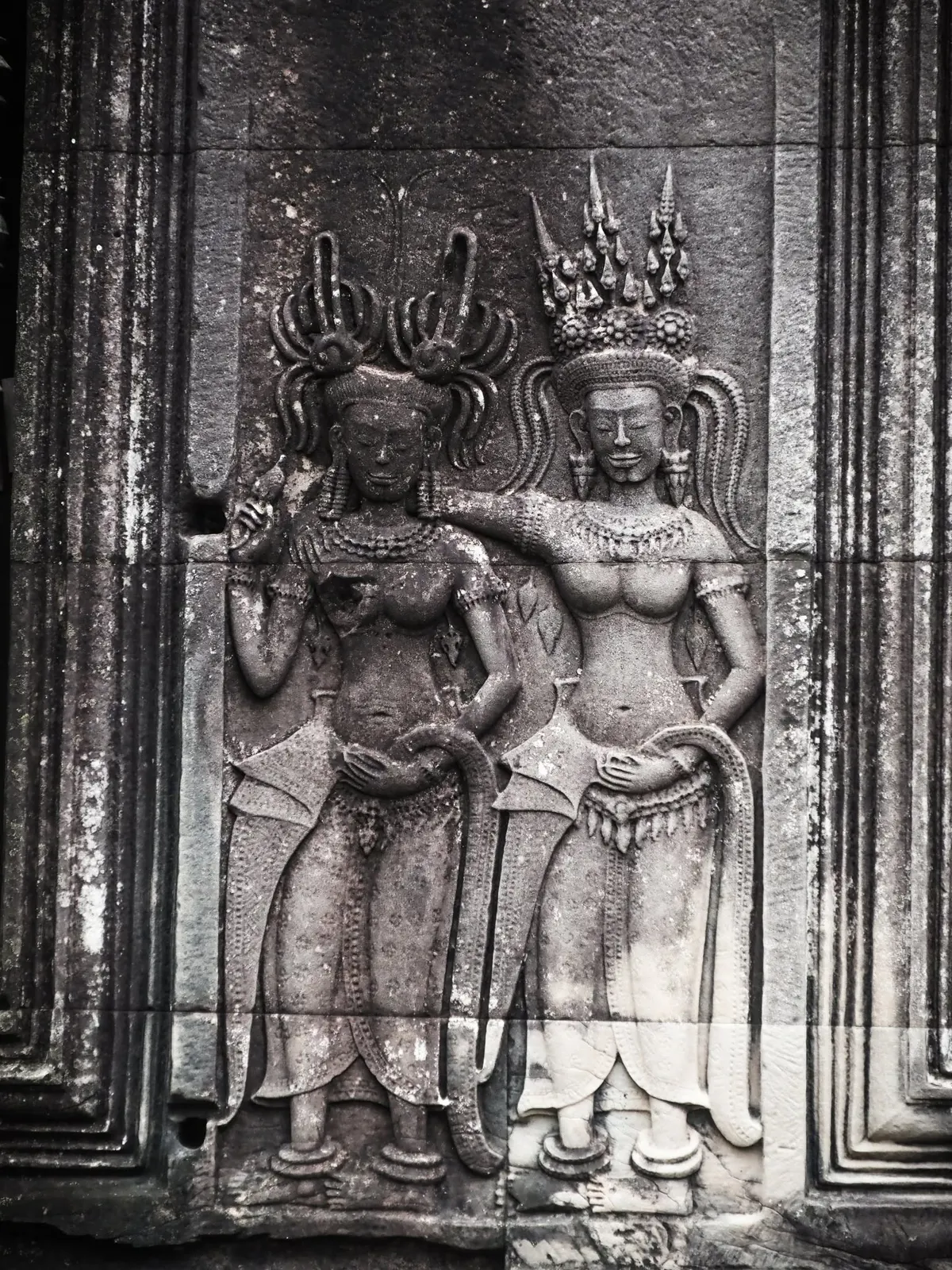
Siem Reap is home to some of the world's most significant historical and architectural wonders, primarily its ancient temple complexes. Among these, Angkor Wat stands as the largest religious monument globally, renowned for its intricate carvings and grand scale. Observing the sunrise over Angkor Wat is a popular activity, with many visitors seeking vantage points on the outer structures to capture the spectacle. Due to its popularity, early arrival is often recommended to secure a good viewing location.
Another significant site in Siem Reap is Angkor Thom, a sprawling temple city that should also be included in any itinerary. While its structures may not be as extensively restored as those at Angkor Wat, the remaining ruins and the distinctive stone carvings, some depicting mythological narratives, offer compelling photographic opportunities and a sense of historical depth. Further within the region lies Ta Prohm, a temple largely left in its natural state, where massive tree roots intertwine with ancient stone walls. This site gained international recognition as a filming location for "Tomb Raider" and serves as a powerful illustration of nature's reclamation of human-made structures over time.
Practical Advice for Visiting Cambodia
Planning a trip to Cambodia involves considering several practical aspects to ensure a smooth and enriching experience. Beyond the historical sites and culinary explorations, understanding local customs and logistical details can enhance your journey. The dry season, from November to April, generally offers more comfortable weather for exploring outdoor attractions like the temples, though it is also the peak tourist period.
When visiting religious sites, respectful attire is expected, typically covering shoulders and knees. Transportation within the country varies, with options ranging from local tuk-tuks and taxis to inter-city buses and domestic flights. For those interested in river travel, exploring Cambodia's Mekong River cruises can offer a different perspective on the landscape and local life.
Frequently Asked Questions
What is the best time of year to visit Cambodia?
The dry season, running from November to April, is generally considered the most favorable time to visit Cambodia due to lower humidity and less rainfall, making it ideal for exploring outdoor attractions. However, this period also sees higher tourist numbers.
What languages are spoken in Cambodia?
The official language of Cambodia is Khmer. French is also spoken by some, particularly older generations and in certain professional contexts, reflecting the country's colonial past. A local Creole, Cambodian French, is also present.
What are the main geographical features of Cambodia?
Cambodia is characterized by its location on the Indochina Peninsula, bordered by Thailand, Laos, Vietnam, and the Gulf of Thailand. Its landscape includes extensive river systems like the Mekong and Tonle Sap, diverse forests, and coastal areas.
What kind of cuisine can I expect in Cambodia?
Cambodian cuisine heavily features rice and freshwater fish, often flavored with ingredients such as coconut milk, various curries, lemongrass, lime, tamarind, and soy sauce. It offers a unique flavor profile distinct from neighboring countries.
Are there specific dress codes for visiting temples in Cambodia?
Yes, when visiting religious sites like the temples of Angkor, it is customary and respectful to dress modestly. This typically means covering your shoulders and knees.








