
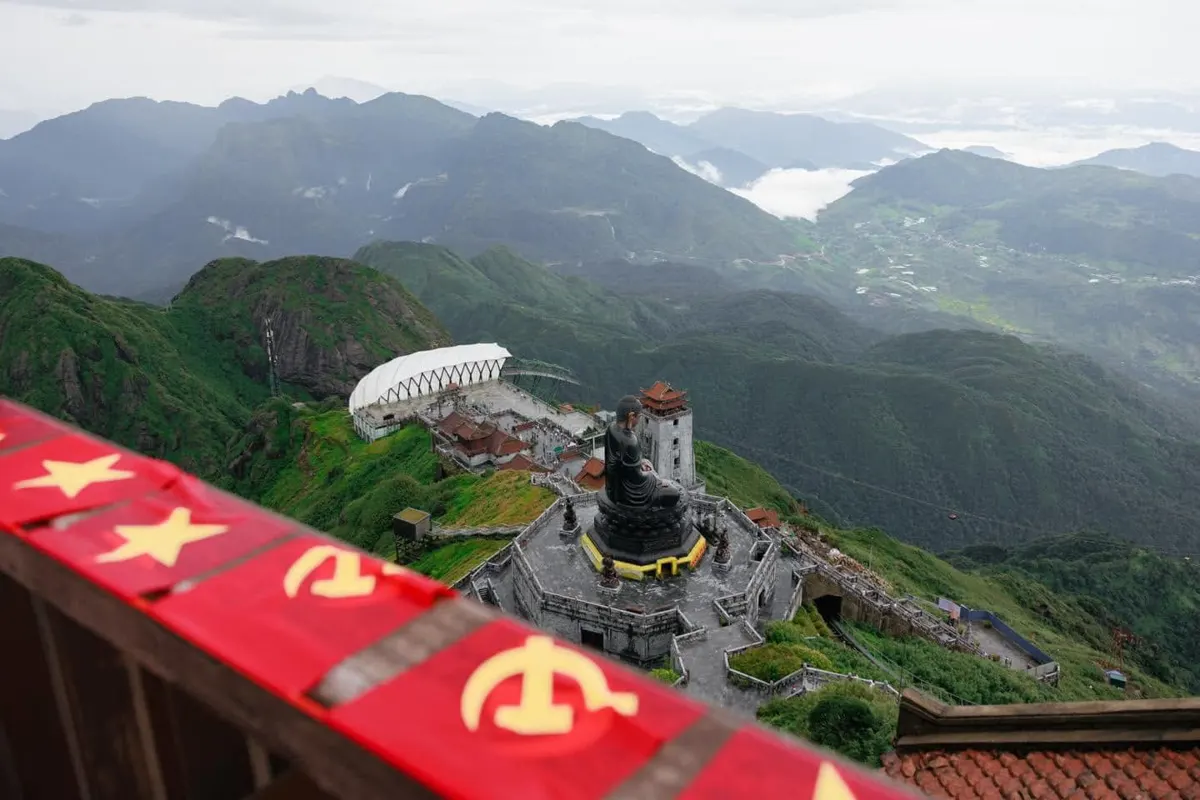
High in Vietnam's northwestern mountains, the terraced rice fields of Sapa present a striking landscape that has become a defining image of the country. These expansive terraces ascend steep hillsides, forming an elaborate pattern of green, gold, and earthy tones that shift with the agricultural calendar. More than mere fields, they embody a deep connection between human effort and the natural world, a testament to generations of ethnic minority farmers who transformed rugged terrain into productive land.
Upon arrival in Sapa, visitors are often greeted by cooler air and mist drifting through the valleys. The terraces unfold below, appearing like a grand staircase leading towards the clouds, each level reflecting sunlight in varying shades. In this secluded part of Vietnam, the pace of life slows, and every turn along the mountain routes reveals another expansive vista. The allure of Sapa's rice terraces is not just visual; it evokes a profound sense of wonder, tranquility, and respect for the resilience of the communities who shaped them.
The Legacy of Sapa's Terraced Fields
The history of the Sapa rice terraces dates back centuries, initiated by ethnic groups such as the H'Mong, Dao, Tay, and Giay who settled in this mountainous area. Facing challenging, steep terrain that made conventional farming nearly impossible, these communities developed inventive solutions. Over time, they meticulously carved steps into the mountainsides to capture rainwater and create flat surfaces suitable for cultivating rice. This agricultural method stands as a remarkable example of sustainable land use globally.
Each terrace reflects significant human perseverance. Farmers constructed stone walls to prevent soil erosion and devised irrigation systems that allow water to flow naturally from higher paddies to lower ones. Seen from above, the terraces gracefully curve and wind around the hills, creating patterns that appear almost artistic. In reality, these designs are the result of precise knowledge and diligent work, passed down through generations. Standing among these fields, one can perceive the enduring rhythm of rural existence that has persisted for centuries. The inhabitants of Sapa plant, tend, and harvest according to the seasons, their lives closely aligned with the earth's cycles. These terraces are not just their means of sustenance; they are an integral part of their cultural identity, representing balance, patience, and a lasting bond between people and the land.
Seasonal Transformations of the Sapa Landscape
A particularly captivating aspect of Sapa's rice terraces is their continuous transformation throughout the year. The scenery is dynamic, evolving with the weather and the farmers' activities, offering visitors a distinct array of colors and atmospheres depending on the season.
From April into early May, Sapa experiences what local residents refer to as the “water-pouring season.” During this period, farmers flood the fields in preparation for planting. The terraces become expansive mirrors, reflecting the sky and creating an ethereal landscape where clouds seem to float on water. The gentle sound of flowing streams fills the air, and each sunrise paints the terraces in soft hues of silver and pink. This season is highly favored by photographers, who capture the surreal reflections of mountains and sky in the watery paddies. For those planning a trip, understanding these seasonal shifts is crucial for planning your Vietnam trip effectively.
By June and July, the rice plants begin to grow, covering the terraces in a verdant carpet that extends across the horizon. The valley becomes lively with the sounds of people working, rustling leaves, and the scent of fresh earth. This green coloration deepens throughout the summer, enveloping the mountains in a blanket of life. From mid-September to early October, the terraces enter their golden season. The mature rice glows in shades of amber and yellow under the autumn sun. This period marks harvest time, widely considered the most renowned and visually appealing season in Sapa. Farmers manually cut rice stalks, and the sounds of conversation and laughter echo across the valley. The terraces appear as golden waves descending the mountainsides, symbolizing abundance and gratitude. Even during the winter months, when the fields are bare and mist often covers the mountains, Sapa’s terraces retain a serene charm. The air is crisp, and the landscape feels quiet and reflective, serving as a reminder that every season possesses its own unique character.
Villages Amidst the Terraces
To truly appreciate the grandeur of Sapa's rice terraces, a visit to the villages that sustain them is essential. Each settlement possesses its own distinct character, customs, and appeal, providing insights into the lives of the people who maintain this remarkable landscape. The Muong Hoa Valley is widely regarded as the core of Sapa's terraced region. This valley lies below Sapa town and contains some of the most accessible and impressive rice fields. Villages such as Y Linh Ho, Lao Chai, and Ta Van are situated along the valley floor, encircled by terraced slopes that appear to stretch endlessly. Local residents extend a warm welcome to travelers, with homestay options allowing visitors to experience daily life in the highlands. Staying in a traditional wooden stilt house, one might awaken to the sound of roosters and the mist gradually lifting from the paddies outside the window.
Cat Cat Village, a short distance from Sapa town, offers another perspective on life among the terraces. It is one of the oldest H'Mong settlements in the area, featuring cobblestone paths that wind past waterfalls, weaving workshops, and traditional dwellings. Although it attracts many visitors, it retains a sense of authenticity, particularly if explored early in the morning before larger crowds arrive, when the terraces are bathed in soft light. For those seeking greater tranquility, Ta Phin and Hau Thao villages offer peaceful retreats into the mountains. Here, the terraces appear more untamed and less uniform, bordered by dense bamboo forests and small streams. The Red Dao people, recognized for their intricate embroidery and distinctive red headscarves, reside here and continue to farm the land much as their ancestors did. Spending time in these villages offers a glimpse into a different world—one where simplicity, cooperation, and respect for nature shape every aspect of existence. Many rural villages in Vietnam offer similar cultural immersion opportunities.
Key Villages and Their Features
| Village Name | Key Characteristics | Ethnic Group(s) | Proximity to Sapa Town |
|---|---|---|---|
| Y Linh Ho, Lao Chai, Ta Van | Extensive terraced fields, homestay opportunities, valley views | H'Mong, Tay, Giay | Accessible via treks from Sapa |
| Cat Cat Village | Oldest H'Mong village, waterfalls, traditional weaving, cultural performances | H'Mong | Short walk (approx. 3 km) |
| Ta Phin, Hau Thao | Quieter, less uniform terraces, bamboo forests, Red Dao cultural insights | Red Dao | More remote (approx. 12 km) |
Ways to Traverse the Terraced Countryside
Exploring the rice terraces in Sapa involves more than just observation; it is about engaging with the environment. The most effective way to appreciate their scale and beauty is by walking through them deliberately, taking in the sounds, scents, and textures of the land. Trekking routes vary in difficulty and length, but even a brief walk brings you closer to the rhythm of the countryside. As you follow narrow dirt paths between the paddies, you might observe farmers working knee-deep in water, carefully planting rice seedlings. You could encounter children running along the ridges or water buffalo grazing peacefully beside the trails. The blend of effort and grace in the farmers’ movements creates a natural choreography, and each step reveals a new perspective of the terraces’ intricate design. For a comprehensive experience, consider a Sapa Hill Tribe Trek & Muong Hoa Valley tour.
For travelers who prefer a less physically demanding experience, motorbike tours or private car excursions offer excellent alternatives. The winding roads connecting Sapa to more distant villages like Ban Ho or Su Pan provide panoramic views from elevated positions. Each bend in the road unveils another valley filled with terraces descending into the distance. Observing the sunset from these vantage points, as golden light spreads across the mountains, is often cited as a profoundly memorable moment in Vietnam.
Engaging with Local Cultures
The rice terraces of Sapa are intrinsically linked to the cultures of the people who cultivate them. Each ethnic group contributes its distinct traditions, language, and artistic expressions to the region's identity. Visiting local markets provides an excellent opportunity to witness this diversity firsthand. On market days, villagers from surrounding areas gather in town, dressed in colorful traditional attire and carrying baskets filled with produce and handcrafted items. H'Mong women are recognized for their indigo-dyed hemp fabrics, which they adorn with intricate patterns using beeswax and embroidery. The Dao people, identifiable by their bright red headscarves, are known for their herbal medicine and natural remedies. Sharing a cup of green tea with a local family or learning about their natural fabric dyeing techniques offers a cultural exchange that enriches any journey.
Homestays provide another layer of cultural connection. Spending a night with a local family allows visitors to experience life at a slower pace. Guests might assist with preparing dinner over an open fire, listen to traditional folk songs by candlelight, or simply sit outdoors observing the stars appear above the valley. These shared human moments serve as a reminder that travel encompasses not only places but also people, their hospitality, their endurance, and their narratives.
Essential Information for Visiting Sapa
A trip to Sapa's rice terraces requires some planning, as the mountainous environment can be unpredictable. The optimal time to visit depends on the specific scenery you wish to experience. For reflective, water-filled terraces, plan your visit for late April to early May. For lush green landscapes, the period between June and August is suitable. For the golden harvest views, September and early October are ideal. For more practical advice for a smoother trip to Vietnam, consider researching regional weather patterns.
Weather in Sapa can change rapidly. Mornings often start clear, but fog and rain can develop by afternoon. It is advisable to bring a waterproof jacket, durable footwear, and multiple layers of clothing to adapt to temperature fluctuations. The higher altitudes mean the air is generally cooler than in most other parts of Vietnam, particularly at night.
Transportation to Sapa is relatively straightforward. From Hanoi, overnight trains and sleeper buses operate daily to Lao Cai, the nearest significant town. From Lao Cai, it is approximately an hour's drive up the mountain to Sapa. Many accommodations and tour operators offer pickup services. Once in Sapa, hiring a local guide for treks is recommended; this not only ensures safety on challenging paths but also directly supports the local economy. For those interested in extended stays, a Sapa Highlands & Ecolodge Retreat by Rail offers a blend of comfort and cultural immersion.
Given tourism's significant role in Sapa’s economy, responsible travel practices are important. Visitors should remain on designated trails to avoid damaging crops and always request permission before photographing local residents. Small acts of respect, such as purchasing a handmade souvenir or contributing to a community fund, help preserve both the culture and environment that make Sapa so distinctive. Consider a Sapa Hill Tribe Homestay Trek for a deeper connection with local communities.
Frequently Asked Questions
What is the best time of year to see the rice terraces in Sapa?
The best time depends on the desired scenery. Late April to early May offers reflective, water-filled terraces. June to August showcases lush green fields. Mid-September to early October is ideal for the golden harvest views, which are considered the most photogenic.
How were the Sapa rice terraces created?
The terraces were carved into the steep mountainsides by ethnic minority groups, including the H'Mong, Dao, Tay, and Giay, over hundreds of years. This was done to create flat surfaces for rice cultivation and to manage rainwater for irrigation.
Can visitors stay in local villages near the terraces?
Yes, many villages in areas like the Muong Hoa Valley (e.g., Y Linh Ho, Lao Chai, Ta Van) offer homestay accommodations. This provides an opportunity to experience daily life and connect with local families.
What activities are available for exploring the terraces?
Trekking is a popular way to explore, with various routes available. Motorbike tours and private car journeys also offer panoramic views from different vantage points. Visiting local markets and participating in homestays provide cultural engagement.
How do I travel to Sapa from Hanoi?
From Hanoi, visitors can take an overnight train or a sleeper bus to Lao Cai, which is the closest major town. From Lao Cai, it is approximately a one-hour drive by car or local transport up to Sapa. For more details on this mode of transport, consult a guide to rail travel in Vietnam.








