
The Cua Ong Temple Festival is an important annual cultural event celebrated in the Halong Bay region of Vietnam. Taking place during the second and third months of the Lunar Calendar, this festival honors General Tran Quoc Tang, a significant historical figure from the Tran dynasty. Visitors to the area during this period can experience traditional ceremonies and folk activities that reflect the rich history and spiritual traditions of the region.
Understanding the Cua Ong Temple Festival
Beyond its renowned natural landscapes, the broader Halong area hosts several cultural celebrations throughout the year. Among the most prominent is the Cua Ong Festival, which draws both local residents and international travelers. This event is centered around the Cua Ong Temple, a site dedicated to General Tran Quoc Tang, a military leader who played a crucial role in defending Vietnam's northeastern territories.
The festival's timing, typically in February and March according to the Lunar Calendar, means its exact dates vary each year. It serves as an opportunity for attendees to pay respects to historical heroes and engage with traditional Vietnamese customs. The temple itself is recognized as one of the most significant Tran dynasty historical sites in Vietnam's northeastern provinces, offering a glimpse into the nation's past.
Historical Significance of Cua Ong Temple
Cua Ong Temple holds deep historical roots, particularly in its connection to the Tran dynasty. The architectural complex comprises three distinct sections: the Low temple, the Middle temple, and the High temple. These structures are positioned to overlook the expansive waters of Bai Tu Long Bay, creating a distinctive setting. While the temple has faced damage from historical conflicts, it has undergone restoration efforts that have preserved its original design and character.
The primary figure revered at Cua Ong Temple is General Tran Quoc Tang, the third son of Lord Tran Hung Dao. General Tran Quoc Tang is celebrated for his military achievements, particularly his contributions to the resistance against the Mongolian forces. He commanded a garrison at Cua Suot, the former name for the area where Cua Ong Temple now stands, safeguarding the border and maritime regions of the northeast. Prior to its dedication to Tran Quoc Tang, the site also served as a shrine honoring Hoang Can, a local individual credited with protecting villagers from banditry.
Ceremonies and Activities at the Festival
The Cua Ong Festival is notable for being the only festival that comprehensively honors the family of Tran Hung Dao and his military commanders. Within Cua Ong Temple, there are 34 statues, each crafted with considerable artistic skill by professional artisans, representing important historical figures. Many visitors come to the temple during the festival period to seek good fortune and health, as well as to offer tribute to Vietnam's heroic general.
During the festival, Cua Ong Temple becomes a focal point for numerous visitors. The ceremonies commence with a procession dedicated to Tran Quoc Tang, followed by incense offerings to commemorate the esteemed general. Following these solemn rituals, a variety of traditional folk arts, sports, and recreational activities take place. These often include dragon dances, flag displays, blindfolded games, drumming performances, and tug-of-war competitions, providing a lively atmosphere for all attendees.
Planning Your Visit to Cua Ong Festival
For those considering a trip to the Cua Ong Festival, several travel options are available. Visitors can reach the area by land, often traveling through Ha Long City, or by water routes that traverse the famous waters of Halong Bay and Bai Tu Long Bay. The journey itself offers scenic views, particularly when approaching the temple by water.
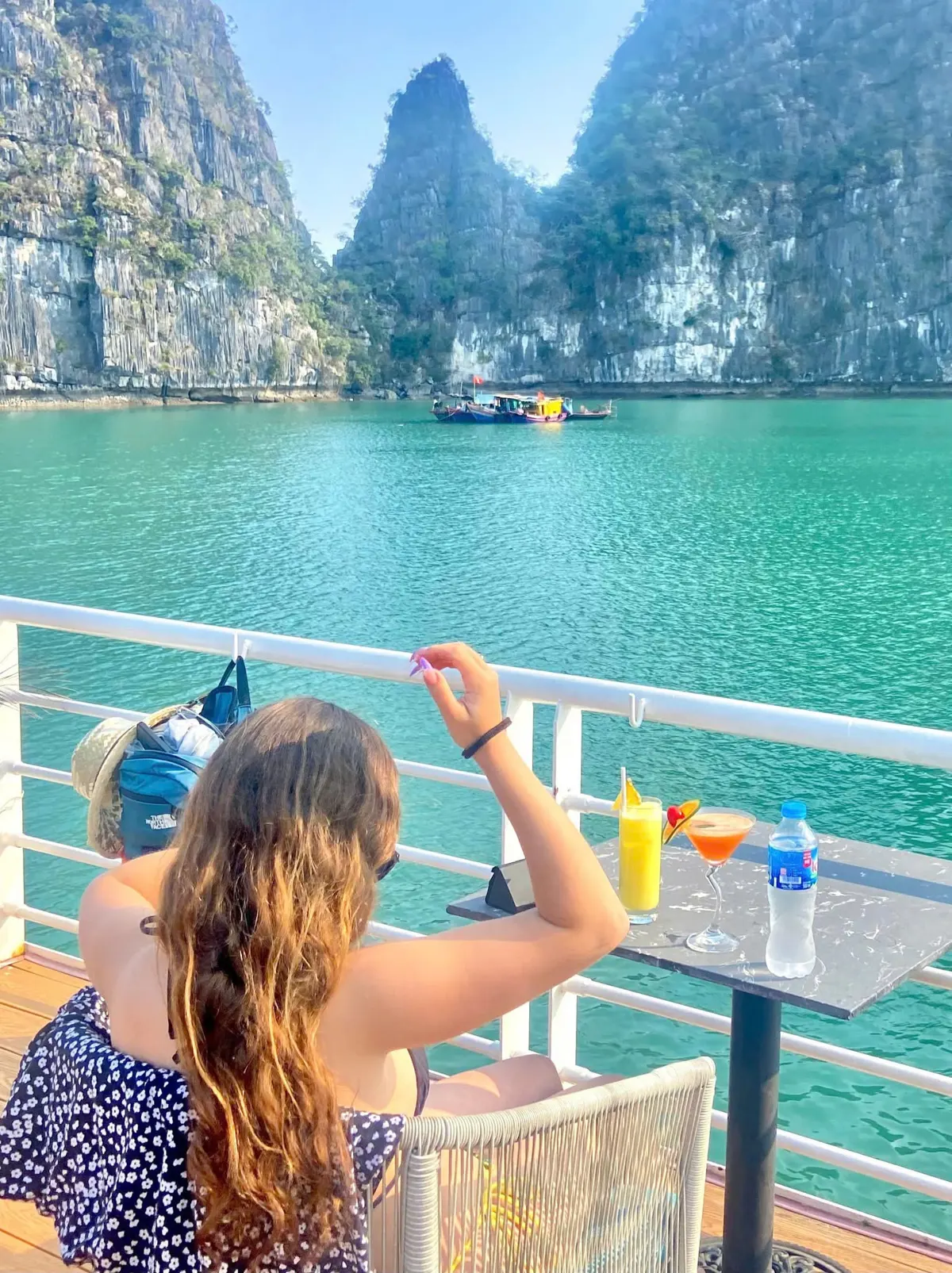
A recommended part of the experience is ascending to the High Temple. From this elevated position, visitors can enjoy expansive views of Bai Tu Long Bay, characterized by its numerous islands and distinctive rock formations. The vista provides a serene contrast to the energetic festival activities below. The weather during the festival months of February and March (Lunar Calendar) is generally comfortable, with clear skies, sunshine, and pleasant temperatures. It is advisable to bring a light sweater for cooler moments. For those managing financial needs during their stay, banking services in Halong City are readily available.
Frequently Asked Questions
When does the Cua Ong Temple Festival take place?
The Cua Ong Temple Festival is an annual event held during the second and third months of the Lunar Calendar. The specific Gregorian calendar dates will vary each year, so it is advisable to check local schedules for the exact timing.
Who is honored at Cua Ong Temple?
The Cua Ong Temple primarily honors General Tran Quoc Tang, the third son of Lord Tran Hung Dao, for his military contributions against the Mongolian army. Historically, it also recognized Hoang Can, a local protector.
What types of activities can visitors expect at the festival?
Visitors can observe traditional ceremonies such as the procession of Tran Quoc Tang and incense offerings. The festival also features folk arts and sports, including dragon dances, flagging, blindfolded games, drumming, and tug-of-war.
Can visitors reach Cua Ong Temple by water?
Yes, Cua Ong Temple is accessible by waterway. Travelers can journey along Halong Bay and through Bai Tu Long Bay to reach the temple, offering a unique perspective of the coastal landscape.
What is the significance of the High Temple?
The High Temple offers visitors a vantage point to observe panoramic views of Bai Tu Long Bay, showcasing its numerous islands and natural beauty. It provides a peaceful experience after participating in the festival's activities.








