
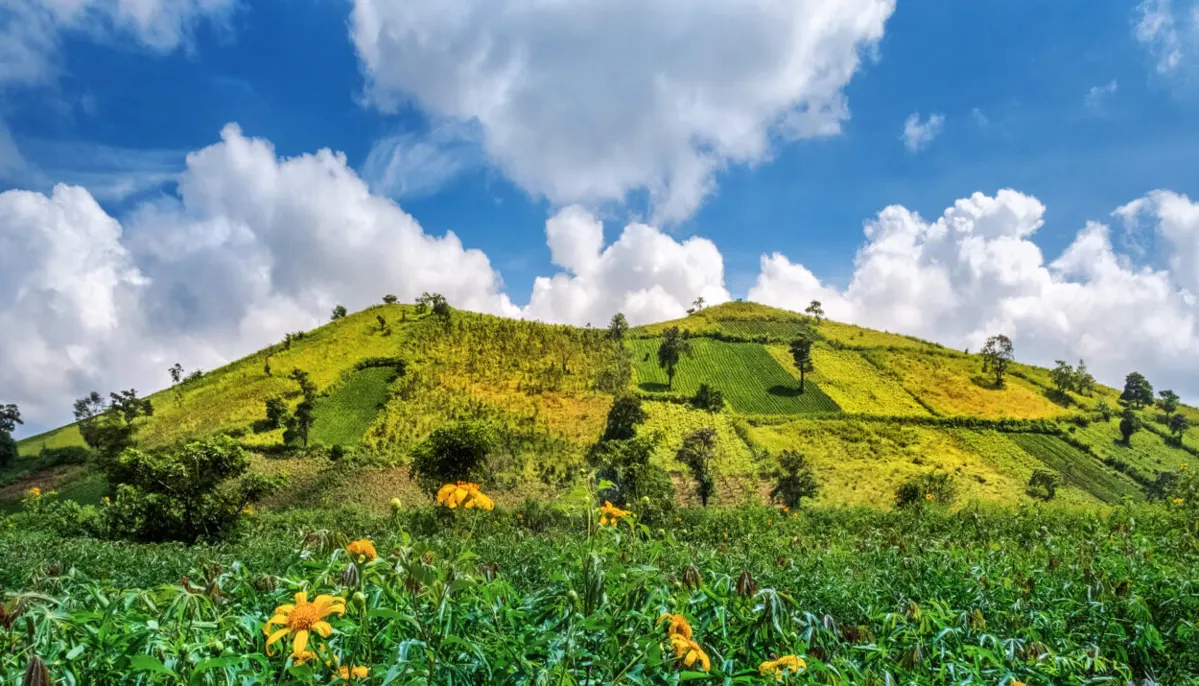
Pleiku, a prominent city within Vietnam's Central Highlands, presents a distinctive atmosphere where contemporary structures coexist with older architecture and rolling hills. Unlike some other regional destinations such as Da Lat or Buon Ma Thuot, Pleiku maintains its own character, blending modern development with a sense of history and specific local cultural elements. Visitors often find a harmonious environment here, rich with the essence of its highland setting.
Natural Landscapes and Scenic Views
The region surrounding Pleiku is characterized by its expansive natural beauty, inviting exploration of its green spaces and water features. One notable destination is T'Nung Lake, often referred to as the "Ocean Lake" of Pleiku due to its considerable size and serene expanse. Located just a short distance from the city center, its surface reflects an emerald hue under the Central Highlands sun and wind, offering a tranquil setting for contemplation and photography. The lake is a caldera formed by an ancient volcano, contributing to its distinct geological character.
Beyond the lake, visitors can explore extensive pine forests, some featuring trees that have stood for a century or more, creating a serene, almost painted landscape that feels removed from urban life. The cool, fresh air here provides a refreshing contrast. The region also boasts vast tea plantations, where meticulously cultivated rows of deep green foliage extend across valleys, swaying gently with the breeze and presenting a verdant panorama. These plantations are not only scenic but also integral to the local economy. Further afield, Chu Dang Ya Volcano, an ancient geological formation, now stands as a prominent natural landmark. This dormant volcano, with its unique crater shape, becomes particularly striking during certain times of the year, especially when the wild sunflowers bloom across its slopes, painting the landscape in vibrant yellow and adding significantly to the region's visual appeal.
Cultural and Historical Sites
Within Pleiku city limits, several locations offer insights into the region's heritage and development. Minh Thanh Pagoda is recognized as one of Gia Lai province's largest and most significant temples, serving as a spiritual and architectural focal point. Its grandeur reflects the cultural importance it holds for the local community.
For those interested in the area's past, the Gia Lai Provincial Museum provides exhibits detailing local history and ethnic cultures. Nearby, the historic Pleiku Prison offers a somber reflection on earlier periods. Dien Hong Park provides a green space for public recreation, while the Hoang Anh Gia Lai Football Academy highlights a modern aspect of the city's community life and its engagement with sports. Each of these sites contributes to understanding the broader narrative of Pleiku and the Central Highlands.
A Taste of Pleiku: Unique Local Cuisine
Pleiku is recognized for its diverse and flavorful culinary offerings, presenting a range of dishes that reflect the highland environment and local traditions. One distinctive specialty is "one-sun" dried beef, originating from the Krong Pa district of Gia Lai. This particular preparation method involves sun-drying the beef for a specific duration, resulting in a unique texture and concentrated flavor that makes it a signature local delicacy, often enjoyed with a spicy dipping sauce.
Accompanying many meals are unique condiments that capture the essence of the local flora. These include wild ant salt, which offers a tangy and slightly spicy kick, and é leaf salt, imparting specific aromatic and savory notes derived from the highland forests. These salts are typically served with grilled meats or fresh vegetables, enhancing the overall dining experience. Grilled native chicken, often prepared with aromatic herbs and served alongside bamboo-tube rice, is another popular dish. The rice, cooked inside bamboo, absorbs a subtle, earthy flavor, providing a rustic and satisfying meal that is a staple in the region. For those seeking a more adventurous flavor profile, the fermented crab noodle soup (bún mắm cua) offers a memorable and intense taste that is both savory and pungent, a true local favorite that often leaves a lasting impression.
Perhaps the most iconic local dish, and a must-try for any visitor, is the yin-and-yang pho, also known as twin pho (phở khô Gia Lai). This unique preparation features two separate bowls: one containing dry rice noodles topped with fried shallots, seasoned minced meat, and crispy pork fat, and the other holding a clear, aromatic beef broth. Diners typically mix the dry noodles with the toppings and then spoon the broth over them or enjoy it separately. The combination of textures and flavors—savory, sweet, aromatic, and slightly crunchy—in this dish is often cited by visitors as a highlight of their culinary experience in Pleiku, distinguishing it from the more common pho varieties found elsewhere in Vietnam.
Planning Your Trip to Pleiku
When considering a visit to Vietnam's Central Highlands, Pleiku offers an experience distinct from its regional counterparts. While cities like Da Lat are widely known for their cooler climates and French colonial architecture, attracting visitors with their romantic appeal, and Buon Ma Thuot is celebrated as the nation's coffee capital with a focus on plantations and waterfalls, Pleiku provides a different perspective. It offers a unique blend of expansive natural landscapes, significant historical depth, and a culinary identity that is distinctly its own. The city serves as an excellent base for exploring the wider Gia Lai province, which is Vietnam's second-largest, offering a broader range of highland experiences.
Visitors typically find Pleiku to be a place where the pace is somewhat slower than major urban centers, allowing for a more reflective exploration of its surroundings and a deeper engagement with local life. The optimal time to visit often depends on what natural phenomena one wishes to observe, such as the vibrant blooming season of wild sunflowers, which typically occurs from late October to early December. Compared to the more tourist-heavy destinations in Vietnam, Pleiku offers a chance to experience a less commercialized aspect of highland life, making it appealing for those seeking authenticity. For travelers interested in other highland destinations and their unique characteristics, a guide to Dalat might offer further comparative insights into the region's diverse appeal and help in planning a multi-city itinerary.
| City | Primary Characteristics | Key Attractions (General) | Typical Atmosphere |
|---|---|---|---|
| Pleiku | Natural landscapes, local culture, unique cuisine | T'Nung Lake, Minh Thanh Pagoda, Chu Dang Ya Volcano | Blends modernity with historical essence |
| Da Lat | Cool climate, French colonial influence, flower gardens | Xuan Huong Lake, Da Lat Market, Crazy House | Romantic, popular tourist destination |
| Buon Ma Thuot | Coffee capital, ethnic minority cultures, waterfalls | Dray Nur Waterfall, Ako Dhong Village, Coffee Museum | Focus on coffee production and highland traditions |
| Gia Nghia | Emerging destination, natural beauty, local life | Ta Dung Lake, various waterfalls | Less developed, authentic local experience |
Frequently Asked Questions
What is Pleiku known for?
Pleiku is recognized for its combination of natural attractions like T'Nung Lake and extensive pine forests, significant cultural and historical sites such as Minh Thanh Pagoda, and a distinctive local cuisine that includes dishes like yin-and-yang pho and "one-sun" dried beef. It offers a unique Central Highlands experience.
How does Pleiku compare to other Central Highlands cities?
Pleiku stands apart from cities like Da Lat, which is known for its cooler climate and French architecture, or Buon Ma Thuot, famous for its coffee. Pleiku offers a more specific blend of natural scenery, local history, and a culinary identity that is distinctly its own, providing a less overtly tourist-focused experience.
What kind of food should visitors try in Pleiku?
Visitors to Pleiku should sample the yin-and-yang pho, a two-bowl noodle dish, and "one-sun" dried beef. Other local specialties include grilled native chicken with bamboo-tube rice, fermented crab noodle soup, and unique condiments like wild ant salt and é leaf salt.
Are there any natural attractions near Pleiku?
Yes, key natural attractions include T'Nung Lake, often called the "Ocean Lake," vast pine forests, expansive tea plantations, and the ancient Chu Dang Ya Volcano. These areas are particularly scenic, especially during the blooming season of wild sunflowers.
What cultural sites can be visited in Pleiku?
Cultural and historical sites within Pleiku include Minh Thanh Pagoda, a large and important temple, the Gia Lai Provincial Museum, the historic Pleiku Prison, and Dien Hong Park. The Hoang Anh Gia Lai Football Academy also represents a modern cultural aspect of the city.








