
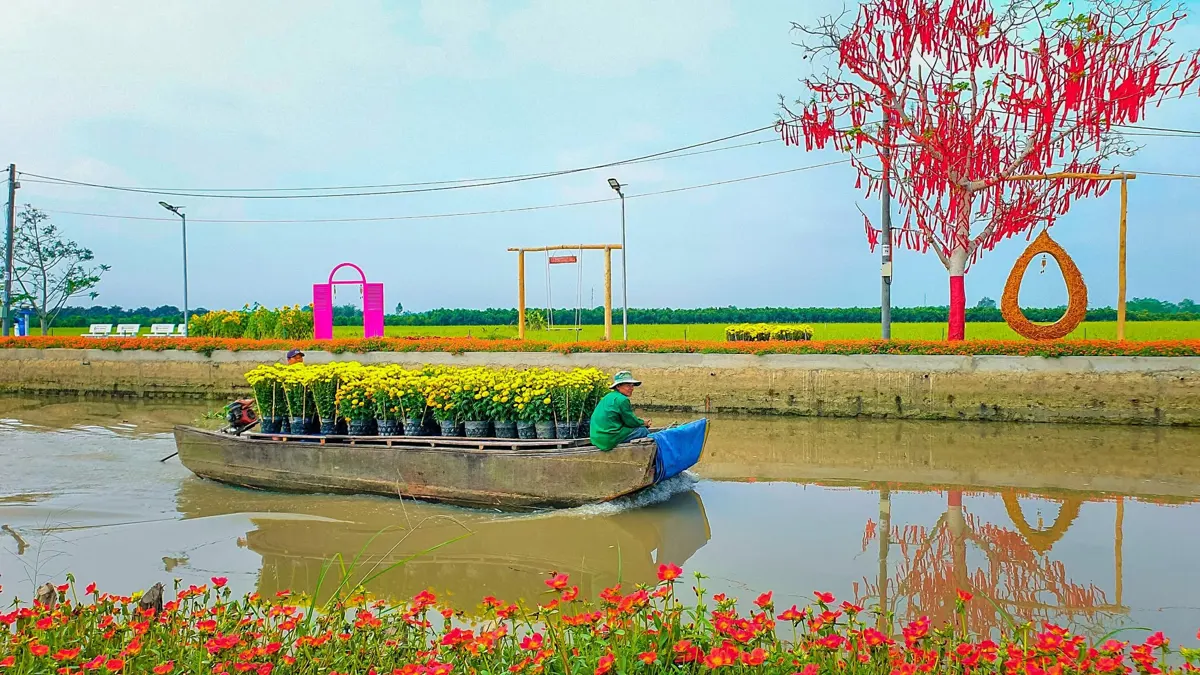
The Mekong Delta region of southern Vietnam is characterized by an extensive network of rivers, canals, and streams, which supports a thriving agricultural landscape. This unique aquatic environment has also fostered a distinctive cultural practice: trading goods directly on the water, known as floating markets. These markets offer a glimpse into the daily lives of local communities and present a different kind of commercial experience compared to land-based markets.
Exploring the Mekong Delta's Floating Markets
The Mekong Delta's geography naturally led to the development of these waterborne marketplaces, where boats serve as mobile stalls. For generations, residents have utilized the river system for commerce, exchanging agricultural products and other necessities. These markets are not merely places for transactions; they are central to the social fabric, reflecting the region's enduring traditions.
While many floating markets historically served as primary trading hubs, some have adapted over time, with varying levels of tourist interaction. Visitors often find these locations offer insights into the local way of life, observing how goods are bought and sold from boat to boat. The experience provides an opportunity to appreciate the ingenuity and resilience of the people who call the Delta home.
Notable Floating Markets to Visit
The Mekong Delta hosts several significant floating markets, each with its own character and specialties. From the large, active centers to more tranquil local exchanges, these markets provide diverse experiences for travelers.
Cai Be Floating Market
Situated in Cai Be District, Tien Giang Province, Cai Be Floating Market is recognized as one of the larger markets in the area. Its proximity to Ho Chi Minh City, Vietnam's economic center, makes it a frequent inclusion in Mekong Delta travel plans. The journey from Ho Chi Minh City typically takes about two hours by motorbike, offering views of green rice paddies along the route.
A visit to Cai Be can involve a leisurely cruise through its waterways, observing the calm pace of trade. Vendors on smaller boats often approach larger vessels to offer various foods and beverages. Common items available include rice noodle soups, coffee, grilled pork with noodles, and crab paste noodle soups. Beyond the market, visitors can explore Cai Be Church and nearby fruit orchards. For those planning a trip from the city, consider exploring Ho Chi Minh City's essential sights and excursions before heading to the Delta.
Cai Rang Floating Market
Can Tho City, often referred to as the capital of the Mekong Delta, features Cai Rang Floating Market, widely considered the most active market in the region. Reaching Cai Rang from Ninh Kieu Pier typically requires about 30 minutes by boat. This substantial market is characterized by numerous boats functioning as floating shops, presenting a lively scene.
These floating stores offer a wide array of fresh agricultural products, such as rambutans, mandarins, grapefruits, durians, guavas, jackfruits, pineapples, mangosteens, mangos, and longans. To witness the market at its peak activity, an early morning visit is recommended, as this is when it is most crowded. The cool morning air also contributes to a pleasant viewing experience of this traditional commercial hub. After the market, the My Khanh Tourist Attraction, described as a miniature Mekong Delta, is a nearby point of interest. For more on the regional capital, see our guide to Can Tho attractions.
Phung Hiep Floating Market (Nga Bay Floating Market)
Phung Hiep Floating Market is located at the confluence of seven rivers, a geographical feature that gives it its alternative name, Nga Bay Floating Market. This advantageous position ensures a steady flow of merchants and goods, making it a busy trading location. A distinctive aspect of Phung Hiep, shared with some other floating markets, is the practice of vendors displaying their goods on tall bamboo poles, allowing buyers to identify products from a distance.
While navigating the market, visitors can experience local life by sampling specific foods and drinks, such as coconut water and coffee, directly from boats. Occasionally, local performers present "đờn ca tài tử," a traditional folk music style of the Mekong Delta, which adds to the cultural atmosphere.
Nga Nam Floating Market
Situated in Soc Trang Province, Nga Nam Floating Market lies at the intersection of five rivers: Ca Mau, Vinh Quoi, Thanh Tri, Phung Hiep, and Long My. This market has a long history as a center for local livelihoods. It operates early in the morning, typically opening around 3:00 AM and concluding by 8:00 AM.
Boats at Nga Nam are laden with typical Mekong Delta agricultural produce, including various tropical fruits. Vendors also offer special food items served directly on their boats. Locals, often dressed in "áo bà ba," a traditional southern Vietnamese garment, are known for their hospitality and readiness to recommend regional specialties.
Long Xuyen Floating Market
In An Giang Province, Long Xuyen Floating Market offers a different atmosphere compared to the more active markets like Cai Be and Cai Rang. It maintains a quieter, more serene character, having been less impacted by large-scale tourism. This contributes to a more authentic local experience.
Merchants here are often described as generous, sometimes offering items as gifts, which means bargaining is generally not expected. The market provides a variety of goods and foods, with vegetables and local dishes being prevalent. Specialties include fish rice noodle soups, Vietnamese noodles in coconut cream (bánh tằm bì), and steamed layer cakes (bánh da lợn). Beyond edibles, some floating shops also sell handicrafts, scarves, wallets, purses, accessories, and clothing.
Tra On Floating Market
Tra On Floating Market, positioned on the Hau River, is recognized as one of the oldest floating markets in the Mekong Delta. Its activity level is influenced by the river's water levels; when the water rises, more merchants gather, leading to increased trade.
Like other markets in the region, Tra On offers a selection of local foods and snacks. A particular recommendation is beef noodle soup served with banana flowers, a combination of local ingredients. The market also provides an opportunity to hear traditional music, sometimes featuring recordings of the late singer Út Trà Ôn.
Ca Mau Floating Market
Located on the Ganh Hao River in Ca Mau City, Ca Mau Province, this market benefits from its position at the intersection of three rivers, facilitating trade. It serves as a gathering point for merchant boats from various districts within the province, including Năm Căn Đầm Dơi, Ngọc Hiển, and Cái Nước.
The primary goods exchanged at Ca Mau Floating Market are agricultural products sourced from nearby orchards. A notable item found here is mats, often adorned with patterns depicting the Delta's landscapes, such as trees, mountains, paths, animals, rivers, or boats.
For a deeper exploration of the region's unique culture and natural beauty, consider a Mekong Delta homestay and floating markets tour, which can provide an authentic experience of riverine life.
Comparing Mekong Delta Floating Markets
To help travelers decide which markets align with their interests, the table below summarizes key characteristics.
| Market Name | Location | Typical Atmosphere | Key Goods/Features | Best Time to Visit |
|---|---|---|---|---|
| Cai Be Floating Market | Cai Be District, Tien Giang Province | Relaxed, tourist-friendly | Farm produce, local foods (noodle soups, coffee), nearby orchards | Morning |
| Cai Rang Floating Market | Can Tho City | Active, largest, more commercial | Wide variety of fresh tropical fruits, local dishes | Early morning (before 8:00 AM) |
| Phung Hiep Floating Market | Nga Bay, Hau Giang Province | Busy, traditional display methods | General commodities, food, folk music | Morning |
| Nga Nam Floating Market | Soc Trang Province | Traditional, early morning activity | Tropical fruits, local food, "áo bà ba" attire | 3:00 AM - 8:00 AM |
| Long Xuyen Floating Market | An Giang Province | Quiet, authentic, less tourist-influenced | Vegetables, local dishes (bánh tằm bì, bánh da lợn), handicrafts | Morning |
| Tra On Floating Market | Hau River, Tra On District, Vinh Long Province | Activity varies with water level, historical | Diverse foods (beef noodle with banana flowers), traditional music | When water levels are high |
| Ca Mau Floating Market | Ganh Hao River, Ca Mau City | Trading hub, local produce | Farm produce, decorative mats | Morning |
Practical Advice for Visiting Floating Markets
To make the most of a visit to the Mekong Delta's floating markets, planning is beneficial. These markets often begin their operations very early in the morning, sometimes before dawn, and activity typically subsides by late morning. Arriving early ensures visitors witness the peak trading period and experience the cooler temperatures.
Transportation to and within the markets is primarily by boat. Many tours originate from major cities like Ho Chi Minh City or Can Tho, providing organized transport and guides. For those interested in a more structured visit, a Mekong Delta discovery tour can offer comprehensive exploration of the markets and surrounding areas. For those preferring independent travel, motorbikes are a common way to reach some departure points, though navigating the waterways requires hiring a local boat. It is advisable to verify current operating times and accessibility, as these can vary.
When considering what to eat, the markets offer a range of local dishes and snacks prepared directly on boats. Trying regional specialties is a significant part of the experience. Remember to bring small denominations of local currency for purchases. The atmosphere at these markets is generally relaxed, and engaging with local vendors, even with language barriers, can enhance the visit.
Exploring the culinary offerings is a highlight, and for those interested in the broader gastronomic landscape of the region, a culinary guide to Can Tho can provide further insights into essential dishes.
Frequently Asked Questions
What is the best time of day to visit a Mekong Delta floating market?
Most floating markets in the Mekong Delta are most active in the early morning, typically from around 5:00 AM to 8:00 AM. Arriving during these hours allows visitors to observe the full extent of trading and experience the lively atmosphere before the day gets too hot.
Are floating markets primarily for tourists or locals?
While floating markets have become popular attractions for visitors, they remain essential commercial centers for local communities in the Mekong Delta. Locals continue to use these markets for buying and selling agricultural products and daily necessities, making them authentic cultural experiences.
What kind of goods can be found at these markets?
The primary goods available are fresh agricultural products, including a wide variety of tropical fruits, vegetables, and flowers. Many markets also offer local prepared foods, snacks, coffee, and sometimes handicrafts, clothing, or household items.
Is bargaining expected at Mekong Delta floating markets?
Bargaining practices can vary. At markets less frequented by tourists, like Long Xuyen, locals are often generous, and prices may be fixed or less negotiable. At more popular markets, a friendly negotiation might be possible, but it's generally not as aggressive as in some land markets.
How can I arrange a visit to a floating market?
Visitors can join organized boat tours from cities like Ho Chi Minh City or Can Tho, which often include transport and a guide. Alternatively, it's possible to hire a private boat directly from local piers in towns near the markets. It's advisable to book in advance, especially for tours.








