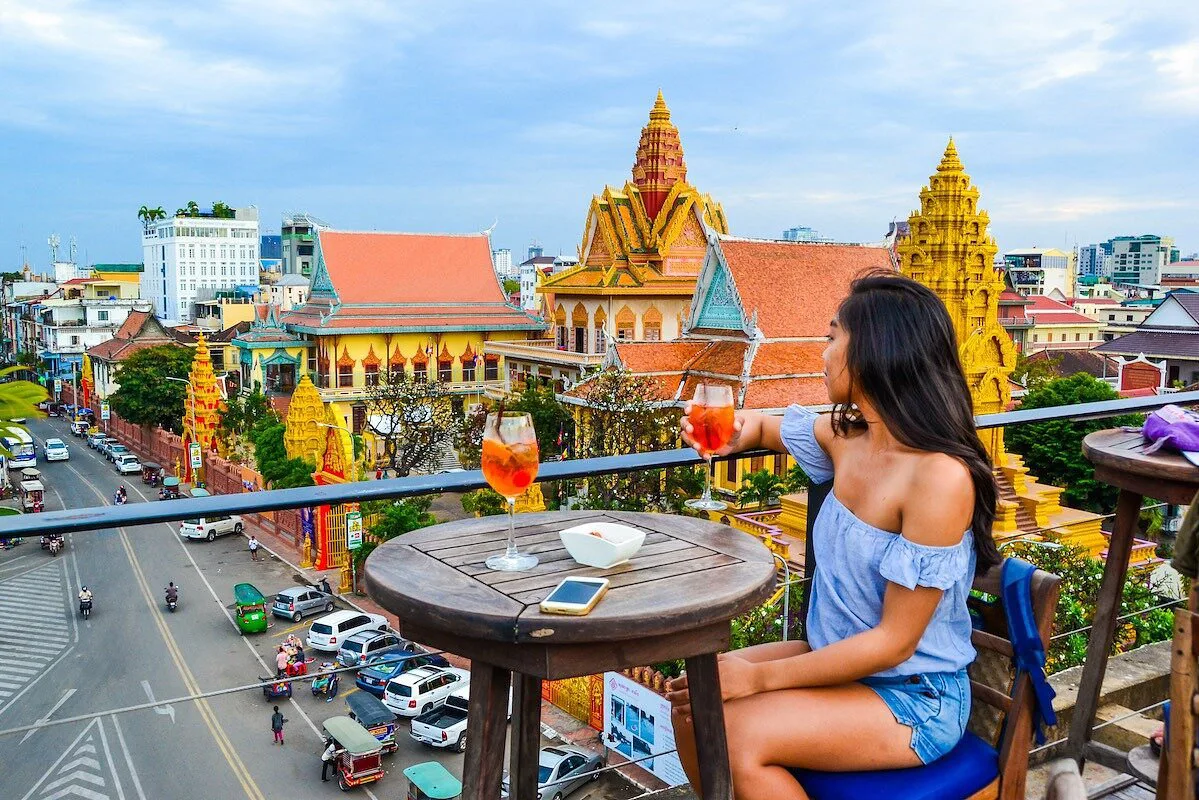
Modern globetrotters frequently seek travel arrangements that offer both structured guidance and opportunities for individual exploration. Flexible group tours present an appealing solution, combining the advantages of organized travel with the ability to personalize aspects of the journey. This travel style is gaining recognition for exploring diverse destinations across Vietnam and the wider Southeast Asian region.
What Defines a Flexible Group Tour?
A flexible group tour represents a contemporary approach to travel, integrating the efficiencies of a traditional group itinerary with significant periods of free time and customizable choices. Rather than adhering to a rigid, hour-by-hour schedule, participants experience a thoughtfully balanced plan that includes shared activities with fellow travelers alongside ample opportunity to tailor the trip to their preferences.
These tours are not structured as a single, unchanging group traveling together from start to finish. Instead, individuals may participate in various shared excursions, transfers, or activities at different points, depending on the specific destination, dates, and their chosen schedule. This design allows for social interaction and shared experiences during select activities, without obligating travelers to remain with the same cohort every day.
- Group Components Often Include:
- Guided city excursions highlighting key attractions and cultural sites.
- Shared transportation options for efficient movement between locations.
- Pre-arranged meals and quality lodging.
- Knowledgeable local guides offering insights into each area.
- Elements Offering Personal Choice:
- Unscheduled time for independent exploration or relaxation.
- Optional activities tailored to specific interests, such as culinary workshops, spa treatments, or outdoor pursuits.
- Accommodation choices or private transfer upgrades.
- The ability to extend stays in certain locations or shorten others to better suit individual travel pace.
Advantages of Choosing Flexible Group Travel
Opting for a flexible group tour offers several distinct benefits compared to other travel styles. One primary advantage is cost-effectiveness. By pooling resources for services like transportation and guided sightseeing, travelers can access professionally arranged trips and reliable services at a more accessible price point than many private tour options, without compromising on quality.
Furthermore, these tours provide greater autonomy than conventional package holidays, which often feature strictly enforced timetables. The design prioritizes a balance between included sightseeing and essential services, alongside personal time and optional activities. This balance ensures travelers can pursue their own interests. For example, those interested in overnight rail journeys might find specific tour segments that incorporate this mode of domestic transportation. The logistical complexities of travel, such as securing hotels, arranging airport transfers, and coordinating guided day trips, are managed by the tour operator, allowing travelers to focus on enjoying their experience.
Traveling with a group also introduces a social dimension to the journey. It creates opportunities to meet individuals from various backgrounds, share experiences, and form connections, which can be particularly appealing for solo travelers seeking companionship without committing to constant group interaction. Specialist operators in Southeast Asia typically offer local expertise and continuous support, with experienced English-speaking consultants ready to assist with itinerary selection and personalization.
Who Benefits Most from Flexible Group Tours?
This style of travel caters to a diverse range of individuals and groups, providing tailored advantages for different traveler profiles.
- Solo Travelers: These tours offer a way to meet new people and share experiences while still enjoying the security and convenience of professionally organized travel. It provides a social framework without requiring constant group participation.
- Couples: Partners can enjoy structured, guided experiences together while retaining ample private time for their own pursuits and relaxation.
- Families: The balanced itinerary, which includes both sightseeing and periods of leisure, often works well for families traveling with children, allowing for flexibility to accommodate different energy levels and interests.
- Friends: Groups of friends can travel together without the burden of meticulously planning every logistical detail, benefiting from shared arrangements while maintaining individual choice.
- First-Time Visitors: Individuals new to a region can benefit from expert guidance and pre-arranged essentials, which simplifies navigation and cultural understanding, yet still allows for independent exploration. For instance, exploring Halong Bay's best beaches or other iconic sites can be done with initial guidance.
Example Flexible Tour Itineraries
Southeast Asia offers a multitude of destinations, from bustling urban centers and historical sites to tranquil coastlines and verdant landscapes. Flexible group tours allow travelers to experience the region with a blend of guided highlights, streamlined logistics, and personal freedom. The following examples illustrate typical offerings, with prices listed as "from" per person and subject to change based on booking conditions and seasonality.
| Tour Name | Duration | Starting Price (per person) |
|---|---|---|
| Vietnam Marvelous Adventure: Group Tour | 10 days | US $819 |
| Across Vietnam by Train on a Budget: Small Group | 15 days | US $1159 |
| Ultimate North and Central Vietnam | 8 days | US $599 |
| Epic Vietnam from North to South: Group Tour | 10 days | US $1079 |
| Vietnam Cambodia Thailand Heritage: Group Tour | 10 days | US $1219 |
Note: Prices are listed as "from" and are subject to change. Travelers should verify current pricing and availability with tour operators.
Planning Your Flexible Group Tour
When considering a flexible group tour, it is helpful to understand the practical aspects of booking and support. Many specialist travel companies operating in Southeast Asia have been established for over a decade, offering expertise in destinations such as Vietnam, Cambodia, Thailand, and Laos. These companies typically employ a team of travel professionals dedicated to providing quality experiences, competitive pricing, and reliable service.
For travelers seeking to arrange such a trip, direct contact with the tour provider is generally recommended. This allows for detailed discussions about itinerary options, customization requests, and any specific travel preferences. For example, if you are planning to visit Phnom Penh, you might inquire about specific culinary experiences that can be integrated into your free time.
Contact Information for a Southeast Asia Tour Provider (as of May 2026):
- Customer Service Telephone: +84-904-160-918
- General Telephone: +84-904-160-918
- Operating Hours: Monday to Friday, 08:30 to 17:30 (local time)
- Office Locations:
Note: All contact details and office hours are subject to change. Travelers are advised to confirm details directly with the provider.
Frequently Asked Questions
What is the main difference between a flexible group tour and a traditional one?
The primary distinction lies in the degree of personal freedom. While traditional group tours often follow a fixed, detailed schedule, flexible group tours incorporate significant free time and optional activities, allowing travelers to customize parts of their experience and explore independently.
Are flexible group tours suitable for solo travelers?
Yes, these tours are often an excellent choice for solo travelers. They provide the comfort and security of organized travel, opportunities to meet other travelers, and local guidance, all without requiring constant group adherence. This balances social interaction with personal space.
Can I customize my accommodation or add extra days to a flexible tour?
Many flexible group tour providers offer options to adjust aspects like accommodation quality or extend stays in specific destinations. These customizations typically depend on the tour operator's policies and may incur additional costs. It is advisable to discuss such requests during the booking process.
How do flexible group tours manage transportation?
Transportation within flexible group tours typically includes shared services for key transfers and excursions, such as airport pickups and inter-city travel. This arrangement contributes to the tour's cost-effectiveness and convenience, while also allowing for private transfer upgrades or independent travel during free periods.
Are meals always included in flexible group tours?
While some meals, particularly those associated with guided excursions or cultural experiences, are often included, flexible group tours generally offer a balance. This allows travelers the freedom to explore local dining options during their independent time, catering to diverse culinary preferences and budgets.