
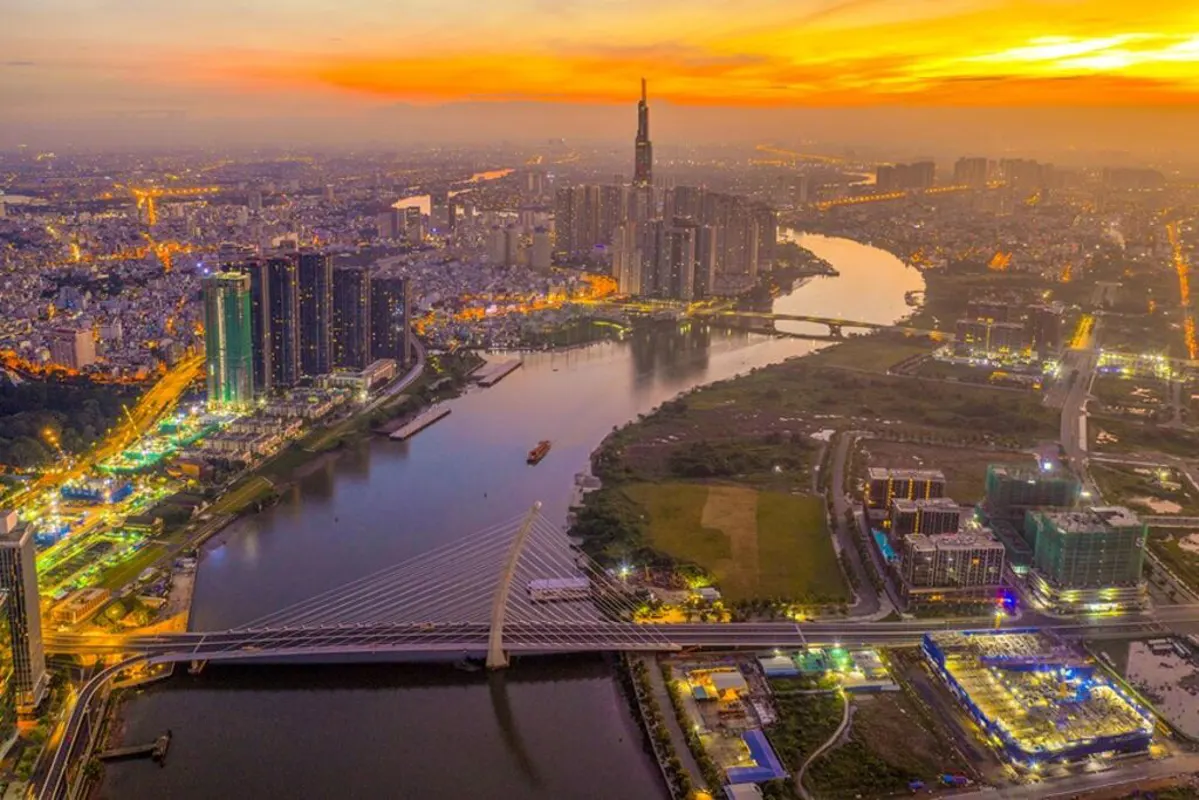
Ho Chi Minh City, often referred to as Saigon, experiences a favorable shift in its climate during November, signaling the close of the rainy season and the onset of drier conditions. This period brings more sunshine and reduced humidity, creating agreeable temperatures that are well-suited for various outdoor activities and cultural explorations. With fewer rain showers and a calendar featuring local events, November stands out as an excellent time to experience the city.
November Weather Patterns in Ho Chi Minh City
November in Ho Chi Minh City represents the final month of the monsoon period, yet the daily weather becomes considerably more pleasant compared to earlier months, characterized by less precipitation and lower humidity levels. The average monthly temperature settles around 28°C. Daytime highs typically reach about 32°C, while evening lows are approximately 23°C. Rainfall also sees a noticeable decrease from the preceding month, with an average of about 100mm distributed across roughly 10 rainy days throughout November.
The daily temperature range in Ho Chi Minh City during November generally spans from 23°C in the evenings to 31°C during daylight hours. These conditions offer warmth without the intense heat often experienced in summer. Mornings and late afternoons are particularly comfortable, making them ideal for walking tours or enjoying local coffee at outdoor cafes. Extreme heat events are uncommon, and a gentle air movement is frequently present, especially near the Saigon River.
Rainfall significantly diminishes in Ho Chi Minh City during November, with total precipitation typically ranging from 100 to 150 mm over 8 to 13 days of rain. Although brief, intense downpours can still occur, they are much less frequent than in October. Travelers can anticipate several consecutive dry days, particularly in the latter half of the month. Showers often happen in the late afternoon, so planning morning activities is a practical approach. This transition marks the conclusion of the wet season, establishing November as an opportune time for both sightseeing and outdoor adventures.
Humidity levels in November average between 75% and 80%, which is a reduction from the peak wet season months like August or September. While the air might still feel somewhat heavy, especially around midday, the decrease in rain and improved air circulation contribute to more comfortable breathing conditions. Morning and evening walks become more enjoyable, and indoor environments generally remain cool. For visitors, this means light, breathable clothing is suitable, with simple measures like staying hydrated and using sun protection helping to maintain comfort throughout the day.
Air quality in Ho Chi Minh City during November is generally acceptable, though localized fluctuations can occur in areas with heavy traffic. As the weather becomes drier, there might be a slight increase in dust and vehicle emissions; however, most parts of the city remain suitable for outdoor activities. The ultraviolet (UV) index frequently reaches 8 to 10 around midday, prompting recommendations for sunscreen, hats, and sunglasses. Mornings before 10:00 AM and late afternoons offer lower UV exposure and more agreeable conditions for exploration. The typical weather pattern in November features short, isolated showers, often occurring in the late afternoon, followed by quick clearing. Mornings are bright and warm, providing excellent conditions for excursions to sites such as the Cu Chi Tunnels or the Mekong Delta. Evenings tend to be cooler, particularly in open-air dining spots or along the riverbanks. It is also common to observe a mix of sunny periods and overcast skies throughout the day, so carrying a compact umbrella and a lightweight rain jacket is a sensible precaution.
Advantages of Visiting Ho Chi Minh City in November
November presents a favorable window for visiting Ho Chi Minh City, offering pleasant, dry weather and good value before the peak tourist season of December brings increased crowds and higher prices. Temperatures generally range from 23°C to 32°C with moderate humidity, and rainfall substantially decreases, enhancing the enjoyment of outdoor plans such as river cruises, market visits, and city tours. Furthermore, the city tends to be more budget-friendly, with accommodations and flights typically costing less than during the December to February period.
The city also hosts several cultural events during this time. November 20th marks Vietnamese Teachers' Day, observed with smaller celebrations and tributes within educational institutions, cafes, and local communities. In nearby Mekong Delta regions, the Khmer Ok Om Bok Festival takes place, featuring boat races, moon-worship ceremonies, and colorful processions, which can be easily incorporated as a side trip for an authentic cultural experience. Additionally, the Southern Food Festival is often held in parks like Le Van Tam or September 23 Park, providing a culinary showcase of regional specialties, street food, and cooking demonstrations.
| Destination | Weather Overview | Avg. Temp (°C / °F) | Rainfall Level (mm) |
|---|---|---|---|
| Ho Chi Minh City (Saigon) | Warm, partly sunny, low rainfall as dry season begins | 24 - 31 °C / 75 - 88 °F | ~60 mm |
| Hanoi | Cool and dry, early winter feel, suitable for walking tours | 18 - 26 °C / 64 - 79 °F | ~40 mm |
| Sapa | Chilly with mist and cold evenings, late autumn ambience | 10 - 18 °C / 50 - 64 °F | ~30 mm |
| Hue | Rainy and stormy due to central monsoon; flooding possible | 21 - 26 °C / 70 - 79 °F | ~400 mm |
| Da Nang/Hoi An | Rainy, humid, and often overcast; typhoons still possible | 23 - 28 °C / 73 - 82 °F | ~350 mm |
| Nha Trang | Transition to dry season but occasional rains still likely | 24 - 30 °C / 75 - 86 °F | ~150 mm |
| Da Lat | Cool, misty mornings and dry weather - romantic and suitable for nature walks | 15 - 25 °C / 59 - 77 °F | ~70 mm |
When comparing Ho Chi Minh City's November weather to other Vietnamese destinations, Southern Vietnam generally offers sunnier and drier conditions than Central Vietnam, where cities like Hue, Hoi An, and Da Nang often experience significant rainfall and potential flooding during this month. Northern cities such as Hanoi and Sapa enjoy cooler, drier weather, though it might be too chilly for beach activities. For those seeking the most consistent and balanced weather, ideal for outdoor pursuits, culinary excursions, and day trips, Southern Vietnam, and particularly Ho Chi Minh City, presents the most suitable option in November. Travelers interested in exploring mountainous regions like Sapa might find the cooler temperatures appealing for Mount Fansipan.
Recommended Activities for November in Ho Chi Minh City
With the agreeable November weather, Ho Chi Minh City provides numerous opportunities for exploration and enjoyment. From cultural performances to historical sites and culinary adventures, there is something for every visitor.
When evening arrives and the air cools, a dinner cruise along the Saigon River offers a delightful experience. The views of the Saigon River and the city's illuminated skyline from the boat are particularly appealing. Guests can enjoy local specialties while the vessel glides past prominent structures such as Vinhomes Central Park, Vinhome Golden River, Landmark 81, and Bitexco Tower.
- Cruise Recommendations (Approximate Prices - verify current rates):
- Saigon Princess Cruise: from US $46 per person
- Indochina Queen Cruise: from US $30 per person
- Elisa Floating Restaurant: from US $55 per person
Shopping in Ho Chi Minh City caters to all budgets, from local markets offering affordable goods to upscale malls. For those seeking economical items, markets like Ben Thanh, Binh Tay, or An Dong are popular choices. Additionally, Saigon Square and Taka Plaza are known for frequently updated fashion items, including pants, shirts, dresses, and accessories, often at surprisingly low prices. When considering a diverse array of local products, popular purchases include:
- What to Buy (Approximate Prices - verify current rates):
- Vietnamese coffee beans: from US $4 per bag
- Dried mango and coconut: from US $2.80 per pack
- Bánh tráng (rice paper snacks): from US $0.80 per pack
- Silk scarves: from US $10 per item
If the weather is dry, a visit to the Cu Chi Tunnels, located approximately 45 kilometers from the city center, is highly recommended. This site is not only one of Vietnam's most extensive tunnel networks but was also recognized by CNN in 2013 as one of the world's top underground constructions. Beyond exploring the tunnels themselves, visitors can engage with local families to gain insights into past and present rural life.
- Suggested Tours (Approximate Prices - verify current rates):
- Cu Chi Half-Day Tour: from US $39 per person
- Cu Chi + Mekong Full Day: from US $79 per person
- Cu Chi Tunnels & Saigon City Full Day: from US $99 per person
Experiencing Ho Chi Minh City by day provides one perspective, but a nighttime motorbike tour reveals a different side of the city. As dusk settles, the city comes alive with a distinct energy. These tours often include stops at landmarks like Bitexco Tower, journeys through Chinatown, visits to local markets, and opportunities to sample popular street food.
- Tour Recommendations (Approximate Prices - verify current rates):
- Saigon by Night Street Food Tour: from US $65 per person
- Ho Chi Minh Vespa Half-day: from US $79 per person
For an indoor cultural experience, consider attending the A O Show at the Saigon Opera House. This production combines bamboo cirque, acrobatics, and contemporary dance to depict aspects of Vietnamese rural life. Staged within the elegant setting of the Opera House, the show offers both cultural depth and visual appeal. November's cooler evenings make it an ideal time for this kind of cultural outing.
- Ticket Prices (Approximate Prices - verify current rates):
- Adult: from ~28 USD
- Child: from ~20 USD
Another performance option at the Saigon Opera House is the Teh Dar Show. This production highlights the traditions of Vietnam's Central Highlands communities through evocative music, shadow play, and physical storytelling. The show provides an opportunity to engage with ethnic folklore and highland rituals, making it a distinctive experience suitable for a tranquil November evening in the city.
- Ticket Prices (Approximate Prices - verify current rates):
- Adult: from ~28 USD
- Child: from ~20 USD
Culinary Experiences in Ho Chi Minh City During November
Ho Chi Minh City's diverse culinary landscape offers many dishes that are particularly enjoyable in November's agreeable weather.
- Com Tam (Broken rice with grilled pork): A classic comfort dish in Ho Chi Minh City, Com Tam is often savored outdoors on a pleasant November morning. The combination of grilled pork, pickled vegetables, and a fried egg creates a satisfying and complete meal.
- Che Thai (Vietnamese sweet dessert soup): This colorful and refreshing sweet dessert, prepared with tropical fruits, jellies, and coconut milk, serves as an excellent afternoon treat. Even in November, it remains a popular choice among locals.
- Hu Tieu Nam Vang (Cambodian-Chinese noodle soup): A common breakfast item in Ho Chi Minh City, this clear, savory soup features pork, shrimp, and quail eggs served over chewy rice noodles. It offers warmth without being overly heavy, making it particularly comforting on breezy mornings.
- Banh Xeo (Vietnamese sizzling pancake): Crispy on the outside and savory within, Banh Xeo is filled with pork, shrimp, and bean sprouts. It is traditionally eaten wrapped in lettuce and various herbs, providing a flavorful and interactive dining experience during cool November evenings.
- Bun Thit Nuong (Grilled pork vermicelli bowl): This light yet flavorful dish consists of grilled pork served over cold rice noodles, garnished with pickled vegetables, peanuts, and fish sauce. It is a refreshing meal that complements Ho Chi Minh City's pleasant November climate perfectly.
Practical Advice for Travel to Ho Chi Minh City in November
Preparing appropriately for Ho Chi Minh City in November can enhance your travel experience. While the weather is generally favorable, some considerations will help ensure comfort and safety.
- What to Pack:
- Always carry a lightweight raincoat and an umbrella, as sudden showers can occur in the morning or afternoon.
- Although walking in the rain can be atmospheric, it increases the risk of colds or other minor illnesses. It is advisable to bring essential over-the-counter medications such as pain relievers, cough syrup, and remedies for fever or flu.
- Pack insect repellent, as the end of the rainy season can still be a period for mosquitoes and other insects. Protecting against mosquito bites is crucial due to potential disease transmission.
- Opt for quick-drying and comfortable clothing. Without consistent strong sunshine, damp clothes can take longer to dry. A thin, light jacket is useful for both sunny days and cooler, potentially windy evenings.
Other tips for your November visit include planning outdoor activities for the mornings when the weather is typically dry. When afternoon rains arrive, you can transition to indoor attractions such as museums, cathedrals, markets, post offices, and shopping malls. It is generally advisable to avoid being outdoors during heavy rainfall, as parts of Ho Chi Minh City can experience temporary flooding, which might cause significant delays. While November offers agreeable conditions, the weather in December is often even drier with less rain. If flexibility allows, traveling in December might present slightly more consistent dry weather. However, booking during the low season of November can often lead to better deals on tours and accommodation. For those planning their finances, understanding managing finances in Ho Chi Minh City is also a practical consideration.
Frequently Asked Questions
Is November still considered the rainy season in Ho Chi Minh City?
No, November marks the conclusion of the rainy season in Ho Chi Minh City. While occasional light showers might still occur, the majority of days are dry and sunny, making it a comfortable time for travel.
Is the weather suitable for outdoor activities like Cu Chi Tunnels or Mekong Delta tours?
Yes, November's milder temperatures and reduced humidity create excellent conditions for outdoor excursions. Trips to the Cu Chi Tunnels, the Mekong Delta, or even enjoying rooftop bars are considerably more pleasant during this period.
Can I wear shorts and T-shirts all day in November?
Absolutely. Daytime temperatures typically range from 24°C to 32°C (75°F to 89°F), so lightweight clothing is perfectly suitable. However, it is prudent to carry a light jacket for cooler evenings or unexpected rain showers.
Is Ho Chi Minh City expensive or affordable in November?
Prices are generally reasonable in November, especially when compared to the peak tourist season of December and the Vietnamese New Year (Tet) period. This makes it a good time for budget-conscious travelers.








