
Hanoi attractions cover a mix of historical sites, urban lakes, markets and museums that together represent the city’s long history and daily life. This article lists the main sights visitors tend to prioritize and provides straightforward advice on how to plan visits and what to expect.
What Hanoi attractions are and how they reflect the city’s past
Hanoi’s principal attractions combine monuments, public spaces and commercial hubs that have been shaped by centuries of local history and periods of foreign influence. Many of the city’s best-known places—such as the Old Quarter, the Imperial Citadel, and the Ho Chi Minh Complex—carry layers of architectural or political significance that attract visitors interested in Vietnam’s heritage.
Some sites began as royal or administrative centers, others as marketplaces or religious sites. Several modern museum complexes also focus on cultural preservation, documenting ethnic diversity and wartime experiences. For visitors trying to choose, these locations offer different perspectives: civic history, religious architecture, quotidian commerce, or ethnographic display.
- Historic monuments and museums: Imperial Citadel, Hoa Lo Prison, Museum of Ethnology.
- Parks and lakes: Hoan Kiem Lake and West Lake.
- Commercial and social hubs: Hanoi Old Quarter and Dong Xuan Market.
Key highlights: the places visitors most often include on an itinerary
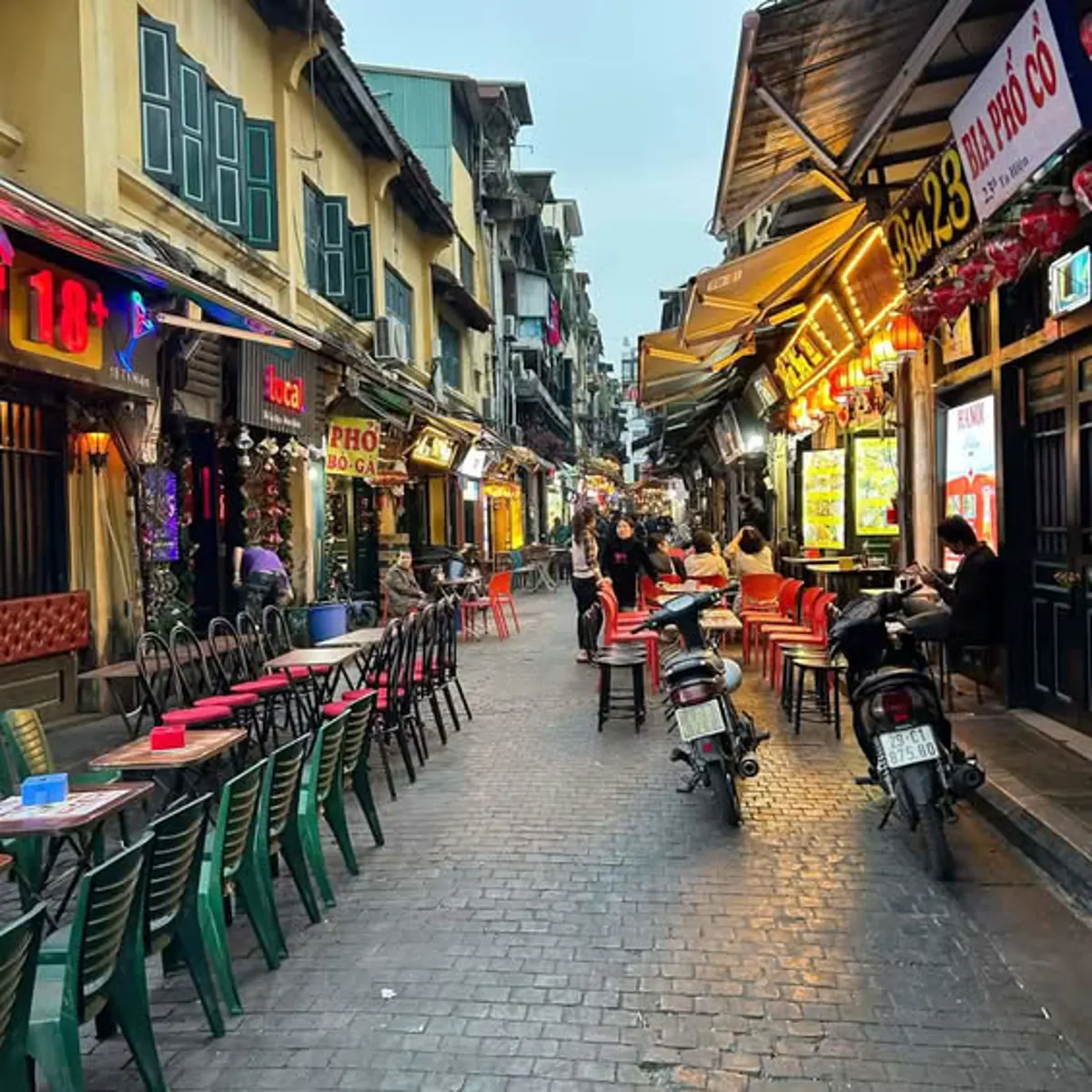
The Old Quarter is widely cited as the best area to observe both traditional streetscapes and contemporary city life. Often called the "36 Old Streets," it actually contains more than thirty-six lanes, many named after crafts and trades. This area is popular for street stalls, colonial-era facades, and evening pedestrian activity on weekends; the weekend walking street typically opens from 7:00pm on Friday through midnight each weekend.
Other major attractions include Hoan Kiem Lake, known for a local legend about a returning sword linked to King Lê Thái Tổ; the Ho Chi Minh Complex, which comprises the preserved Mausoleum, Ba Dinh Square, the Stilt House and associated museum; and the Temple of Literature, a Confucian temple founded in 1070 that later became the country’s first national university.
- Hoan Kiem Lake: central city lake with two small islands—Ngọc Island and Turtle Island—and pedestrian routes around its edge.
- Ho Chi Minh Complex: multiple sites related to the late leader, with the Mausoleum closed on Monday and Friday mornings.
- Temple of Literature: historic campus with preserved architecture and formal courtyards.
Practical tips for planning visits
Timing and transport make a big difference in how smoothly visits go. Many of Hanoi’s top attractions are concentrated in central districts that are accessible by taxi, motorbike or public bus; walking is also practical for short transfers around the Old Quarter and Hoan Kiem Lake. For those exploring farther-flung museums or West Lake, expect a short ride by motorbike or car.
Certain sites have fixed opening patterns visitors should note. Hoa Lo Prison is open daily from 08:00 to 17:00 and is located in Hoan Kiem District; public bus routes such as numbers 02, 32, 34 and 38 serve the area. The Temple of Literature publishes seasonal opening hours and charges an entrance fee; reported opening times are 07:30–17:30 in the hot season (April 15–October 15) and 08:00–17:00 in the cool season (October 16–April 14), with a ticket price listed in the source material.
- Expect morning crowds at the Ho Chi Minh Mausoleum; it is closed to visitors on Monday and Friday.
- Use local buses or short taxi rides to reach museums located outside the Old Quarter.
- For market shopping, bring cash and allocate time to browse—the largest wholesale complex is a multi-story indoor market.
Cultural context: what these places tell you about Hanoi life
The city’s attractions are more than photo opportunities; they illustrate how history, religion, commerce and everyday routines intersect. For example, the Old Quarter still functions as a living urban neighborhood where many streets carry names tied to traditional trades, while Dong Xuan Market continues as a major wholesale and retail center established in the late 19th century.
Museums such as the Vietnam Museum of Ethnology are explicitly aimed at documenting cultural diversity: the museum system organizes collections and periodic exhibitions focused on the nation’s 54 ethnic groups and includes architectural displays and outdoor spaces. Sites connected to modern history, like Hoa Lo Prison and the Imperial Citadel, present visitors with accounts of conflict, governance and architectural evolution across centuries.
- Expect to see religious architecture alongside colonial-era buildings and modern urban development.
- Museum exhibits often include both indoor galleries and reconstructed outdoor structures representing different ethnic traditions.
Who these Hanoi attractions suit
Different types of travelers will find different attractions most rewarding. History and architecture enthusiasts often devote time to the Imperial Citadel, the Temple of Literature and the Ho Chi Minh Complex. People interested in cultural studies or ethnography frequently visit the Museum of Ethnology for its curated displays and educational programs.
Those who prioritize everyday urban life and shopping typically head to the Old Quarter and Dong Xuan Market, which offer food, textiles and souvenirs. Visitors seeking quieter, scenic moments tend to choose West Lake for walking or sunrise photography, while families and group travelers often include a mix of museums and open spaces to suit varied interests.
- History seekers: Imperial Citadel, Hoa Lo Prison.
- Cultural learners: Museum of Ethnology, Temple of Literature.
- Market shoppers: Dong Xuan Market and nearby retail streets. See more on top markets.
Comparisons and alternatives to manage time and expectations
When planning a limited- time visit, consider grouping sites by proximity: the Old Quarter, Hoan Kiem Lake and St Joseph’s Cathedral are all within walking distance of one another, while the Ho Chi Minh Complex and the Imperial Citadel sit in the Ba Đình area, a short ride away. Museums such as the Museum of Ethnology require more travel time but reward with in-depth cultural displays.
If seasonal weather affects your schedule, plan outdoor activities for mornings or late afternoons and reserve indoor museums for hotter or wetter hours. For coastal or bay excursions outside Hanoi, consult seasonal guidance for nearby destinations before booking; for example, many travelers check regional timing recommendations when organizing boat trips in the Gulf of Tonkin and nearby bays.
- Group by neighborhood to reduce transit time.
- Reserve indoor museums for midday or rainy periods.
- For timing of bay trips, consider regional season advice such as guides on the best time to visit.
| Attraction | District / Location | Type | Typical best time | Why visit |
|---|---|---|---|---|
| Hanoi Old Quarter | Hoàn Kiếm | Historic neighborhood | Evenings and weekends for pedestrian areas | Street life, food stalls, colonial facades |
| Hoan Kiem Lake | Central Hanoi | Urban lake / public space | Mornings and evenings for walks | Scenic loop, local legend, pedestrian zones |
| Ho Chi Minh Complex | Ba Đình | Memorial and museum cluster | Mornings; note Mausoleum closures | Historic and ceremonial sites |
| Museum of Ethnology | Cầu Giấy | Ethnographic museum | Daytime visits | Displays on 54 ethnic groups, outdoor architecture |
| Dong Xuan Market | Hoàn Kiếm | Wholesale & retail market | Daytime for shopping | Large variety of goods across multiple floors |
Frequently Asked Questions
How do I get around between Hanoi attractions?
Short distances in central Hanoi are walkable; taxis, motorbike taxis and public buses provide efficient options for longer transfers. Many visitors combine walking with short rides to museums or lakes outside the immediate Old Quarter.
When is the weekend walking street active?
The pedestrian-friendly walking street in the Old Quarter typically starts at 7:00pm on Friday and remains pedestrian-only through midnight on weekend nights, offering performances and street vendors during those hours.
Are there opening hours or closures I should know about?
Yes. Some monument areas follow specific opening schedules: for instance, the Ho Chi Minh Mausoleum is not open to visitors on Monday and Friday mornings. Hoa Lo Prison is reported as open daily from 08:00 to 17:00, and the Temple of Literature publishes seasonal hours—check local signage or official notices for any changes.
Is Dong Xuan Market worth visiting for shopping?
Dong Xuan Market is Hanoi’s largest indoor market and is frequently recommended for a wide selection of goods, from household items to textiles and souvenirs. Shoppers should bring cash and allow time to explore multiple floors and stalls.
Where can I find recommendations for Hanoi food and restaurants?
The Old Quarter contains many street-food stalls and small restaurants; if you want targeted suggestions for specific cuisines or neighborhood recommendations, there are dedicated guides that list Chinese and other dining options across the city. For a look at where to find local Chinese restaurants, see a focused guide on Chinese restaurants in Hanoi.








