
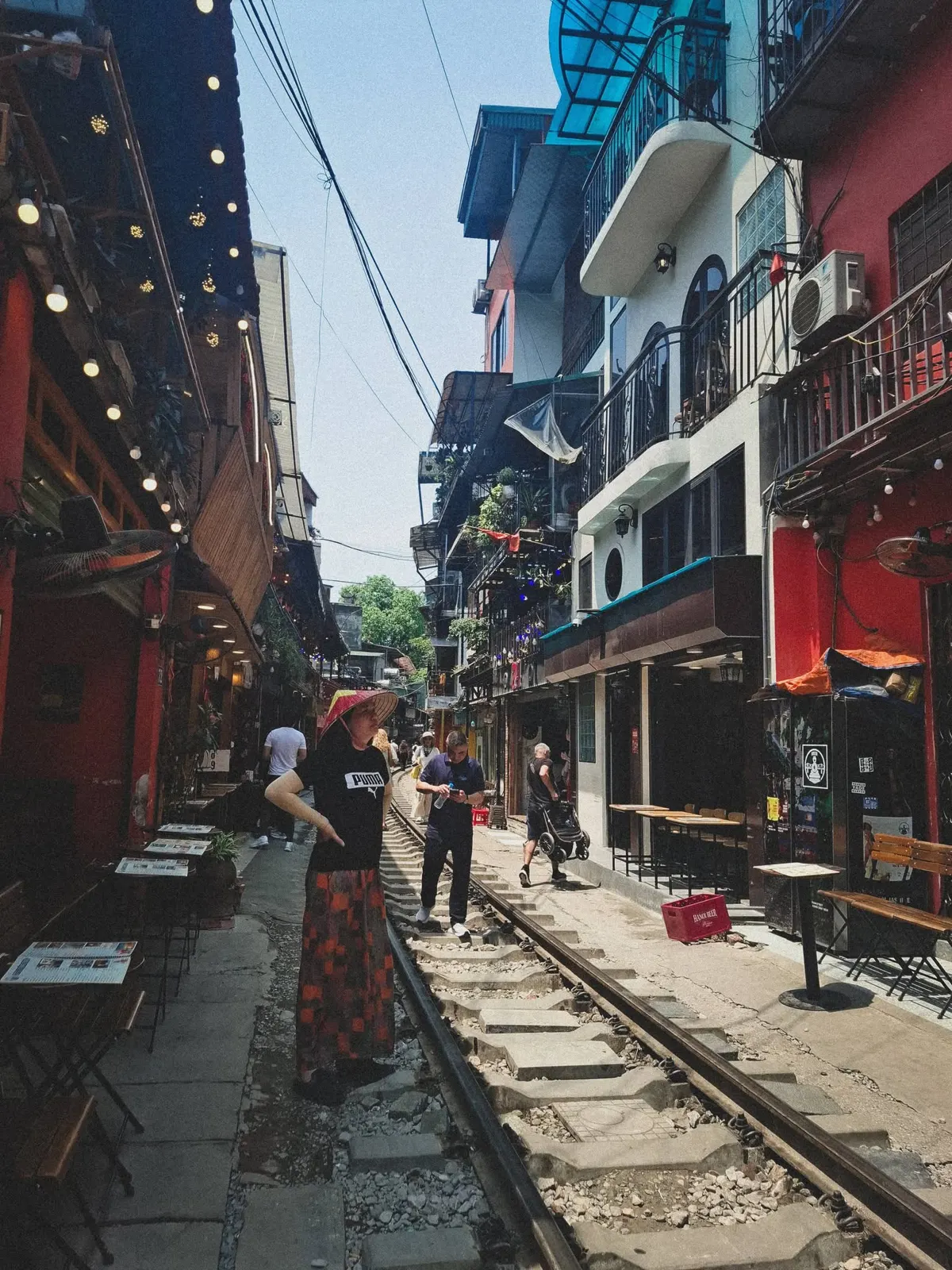
Hanoi offers a diverse culinary landscape, and for those seeking the distinct tastes of Chinese cooking, the city presents several notable options. From traditional Cantonese dim sum to Taiwanese hotpot and regional specialties, these establishments provide a range of authentic flavors. This guide highlights some of the prominent Chinese restaurants in Hanoi, catering to various preferences for a satisfying meal.
The Rich Heritage of Chinese Gastronomy in Hanoi
Chinese culinary traditions are globally recognized for their intricate preparation methods and carefully chosen ingredients. Across centuries, different regions of China have developed unique cooking styles, each contributing to a broad and sophisticated gastronomic heritage. In Hanoi, this translates into a selection of restaurants that bring these diverse regional flavors to local diners and visitors.
While some Chinese dishes are prepared with elaborate techniques and specific components, many traditional recipes rely on simpler ingredients, yet still manage to create memorable dining experiences. The presence of these establishments in Hanoi allows patrons to explore a spectrum of Chinese tastes, from the subtle to the bold, without leaving the city.
Featured Chinese Dining Establishments in Hanoi
Hanoi hosts a variety of Chinese restaurants, each offering a distinct culinary focus and ambiance. Below is a detailed look at some of the highly regarded venues where guests can enjoy authentic Chinese cuisine.
| Restaurant Name | Cuisine Focus | Key Dishes / Features | Location / Ambiance | Contact / Notes |
|---|---|---|---|---|
| John Anthony Cantonese Grill and Dimsum Restaurant | Cantonese, Dim Sum | Cantonese grill, dim sum, sweet and aromatic dishes, traditional and modern fusion with herbs and spices. | JW Marriott Hotel Hanoi lobby, lake view, outdoor area, six private dining rooms. | Located in JW Marriott Hotel Hanoi. No phone provided in source. |
| Manwah Restaurant | Taiwanese Hotpot | Buffet-style Taiwanese hotpot, sweet and natural broth, stewed ingredients, unique dipping styles. | Focus on hotpot experience. No specific address or phone provided in source. | No phone provided in source. |
| Hoolong Restaurant | Traditional Chinese, Dumpling & Hotpot | Xiaolongbao, Huo scallops, Sichuan Hotpot, herbal egg with fried tofu, Chinese fried shrimp, Taiwan beef noodles. Organic vegetable farm for ingredients. | Modern Chinese space, red tones, lanterns, wooden tables, Chinese patterns. | No specific address or phone provided in source. |
| Hutong Restaurant | Hong Kong Hotpot | Traditional Hong Kong hotpot with 36 spices and 48-hour bone broth. Five hotpot types (Sichuan, Special Hutong, Tomyum, Truong Tho, Ginseng). Over 99 premium dipping items (Wagyu, US beef, seafood). | Designed like a Hong Kong street, red decor, peony paintings. | No specific address or phone provided in source. |
| Fenghuang Restaurant | Chinese Dimsum & Hot Pot | Dozens of dim sum varieties, Chinese dishes, various hotpot options. | Inspired by Fenghuang Ancient Town, murals depicting Chinese culture. | No specific address or phone provided in source. |
| Tim Ho Wan Restaurant | Michelin-Starred Dim Sum (Guangdong) | Pork buns, steamed egg cake, vermicelli roll with pig's liver, pan-fried carrot cake (known as "F4"). | 36th floor of Lotte Tower, luxury setting, traditional teahouse philosophy. | Located in Lotte Tower. No phone provided in source. |
| Yi Long Restaurant | Dim Sum & Chinese Hotpot | Kim Sa dumplings, Shrimp dumplings, Steamed pork ribs with taro, Shanghai dumplings. Buffet with high-quality ingredients. | Dishes served hot in bamboo baskets. Chinese style adapted to Vietnamese preferences. | No specific address or phone provided in source. |
| San Fu Lou Restaurant | Modern Chinese, Roasted Meats | Hand-made noodles, roasted meat, Peking duck roasted with applewood (ancient royal recipe). | Focus on fresh ingredients and unique cooking style. No specific address or phone provided in source. |
John Anthony Cantonese Grill and Dimsum Restaurant
This establishment specializes in Cantonese cuisine, one of China's four major culinary traditions, known for its diverse cooking methods. John Anthony focuses on delivering dishes with balanced flavors, appealing colors, and careful presentation. The menu combines traditional and contemporary Guangdong food, incorporating herbs and natural spices to create aromatic and flavorful options.
Situated within the lobby of the JW Marriott Hotel Hanoi, the restaurant offers views of the lake and an outdoor seating area. It features six private dining rooms, providing an exclusive setting for guests.
Manwah Restaurant
Manwah offers a buffet-style Taiwanese hotpot experience, drawing from centuries of Taiwanese culinary evolution. The hotpot here is characterized by its naturally sweet broth, developed through generations of refinement. Diners can expect a combination of familiar ingredients, slow-cooked stews, and aromatic spices that define Taiwanese hotpot.
Beyond the hotpot itself, the restaurant emphasizes the Taiwanese approach to dipping, presenting a wider array of choices than just beef and herbs. This combination of components and harmonious flavors aims to create an authentic and refined Taiwanese hotpot experience.
Hoolong Restaurant
Hoolong aims to provide an authentic taste of traditional Chinese dishes. Its menu includes an appealing Chinese Buffet Dumpling & Hotpot selection, featuring items such as Xiaolongbao, Huo scallops, Sichuan Hotpot, herbal egg with fried tofu, Chinese fried shrimp, and Taiwan beef noodles. A distinguishing factor for Hoolong is its private organic vegetable farm located outside Hanoi, which ensures a consistent supply of fresh, quality ingredients.
The interior design of Hoolong – Dumpling Bar reflects a modern Chinese aesthetic. The expansive space incorporates red accents from lanterns and seat cushions, complemented by the warm tones of wooden tables and walls, alongside detailed Chinese patterns.
Hutong Restaurant
Hutong provides a Hong Kong-inspired dining atmosphere and focuses on traditional Hong Kong hotpot. A key element of their hotpot is a broth prepared with 36 different spices, including cardamom, cinnamon, and anise, simmered for 48 hours with bone broth. The restaurant offers five distinct hotpot bases: Sichuan Hotpot, Special Hutong Hotpot, Tomyum Hotpot, Truong Tho Hotpot, and Ginseng Hotpot.
Accompanying the hotpot, guests can choose from over 99 premium dipping ingredients, such as Wagyu beef, US beef, various internal organs, and fresh seafood. The restaurant's decor is designed to evoke a Hong Kong street scene, creating a familiar environment with prominent red colors and murals depicting peonies.
Fenghuang Restaurant
Drawing inspiration from Fenghuang Ancient Town, a scenic old town in China, Fenghuang restaurant aims to transport diners to this cultural setting. Murals throughout the space depict Chinese cultural themes. The menu at Fenghuang includes a wide array of Chinese dishes, with a particular emphasis on dim sum and various hotpot selections.
Visitors to Fenghuang will find a broad selection of dim sum options, alongside other Chinese culinary creations and different hotpot styles, making it challenging to choose a single favorite.
Tim Ho Wan Restaurant
Tim Ho Wan holds the distinction of being Hanoi's only Michelin-starred restaurant. Situated on the 36th floor of the Lotte Tower, it offers a luxurious setting with expansive views. The restaurant's culinary philosophy centers on traditional and simple approaches, utilizing fundamental spices and familiar ingredients to evoke the heritage of old teahouses, which are considered the origin of dim sum.
Among its most recognized offerings are four signature dishes, often referred to as the "F4": baked char siu pork buns, steamed egg cake, vermicelli roll with pig's liver, and pan-fried carrot cake. These items are considered representative of typical Guangdong cuisine.
Yi Long Restaurant
Yi Long Dim Sum & Chinese Hotpot invites guests to experience a range of Chinese dim sum with distinct flavors. Popular choices include Kim Sa dumplings (custard dumplings), Shrimp dumplings, Steamed pork ribs with taro, and Shanghai dumplings. All dim sum dishes are traditionally served hot in bamboo baskets.
The buffet at Yi Long features numerous appealing dishes, prepared with high-quality raw ingredients to ensure unique flavors. While rooted in Chinese culinary traditions, the preparation here is also adapted to suit Vietnamese tastes.
San Fu Lou Restaurant
San Fu Lou distinguishes itself through a contemporary and unique cooking approach. The restaurant carefully blends spices and selects fresh, safe ingredients. Beyond dim sum, San Fu Lou is known for its traditional hand-made noodles, often served with roasted meats.
A particular specialty is their roasted Peking duck, prepared using applewood according to an ancient royal kitchen recipe. This method results in duck with a perfect color and flavor, expertly sliced and presented by the chefs.
Navigating Chinese Cuisine in Hanoi: Tips for Diners
When exploring Chinese restaurants in Hanoi, considering a few aspects can enhance your dining experience. The diversity of Chinese cuisine means that each establishment may specialize in a particular regional style, such as Cantonese, Taiwanese, or Sichuan. Understanding these distinctions can help you choose a restaurant that aligns with your preferences.
Many Chinese restaurants, especially those offering dim sum or hotpot, are well-suited for group dining, allowing guests to sample a wider variety of dishes. It is advisable to verify current operating hours and make reservations, particularly for popular venues or during peak times, as details can change. For general travel advice in the region, you might find information on exploring Cambodian cuisine helpful for broader culinary context.
For those interested in managing their finances during their stay, a guide to banking services in Hanoi can provide useful information.
The Cultural Significance of Chinese Food
Chinese cuisine is more than just sustenance; it is deeply intertwined with cultural practices, history, and social gatherings. The preparation and sharing of food often reflect philosophical principles, such as balance (Yin and Yang) in ingredients and flavors, and the importance of harmony. Different dishes are associated with specific festivals, celebrations, or symbolic meanings, adding layers of depth to the dining experience.
In Hanoi, the presence of Chinese restaurants also speaks to the historical and cultural connections between Vietnam and China. These eateries serve as culinary bridges, offering a taste of a neighboring culture's rich heritage. Visitors can appreciate not only the flavors but also the stories and traditions embedded within each meal.
Frequently Asked Questions
What types of Chinese cuisine are commonly found in Hanoi?
Hanoi's Chinese restaurants typically offer a range of regional styles, including Cantonese (known for dim sum and roasted meats), Taiwanese (often featuring hotpot), and sometimes Sichuan (recognized for its spicy flavors). Many establishments also blend these influences or adapt dishes to local tastes.
Are reservations necessary for Chinese restaurants in Hanoi?
For popular Chinese restaurants, especially those with a Michelin star or located in hotels, making a reservation is generally recommended, particularly for dinner or weekend meals. For smaller or more casual eateries, reservations might not be required, but it is always wise to check in advance.
Do Chinese restaurants in Hanoi cater to dietary restrictions?
While many Chinese restaurants offer a wide variety of dishes, including vegetarian options, it is advisable to communicate any specific dietary restrictions or allergies directly with the restaurant staff upon arrival or when making a reservation. Ingredient lists can be complex, so clear communication is key.
What is the typical price range for Chinese dining in Hanoi?
The price range for Chinese restaurants in Hanoi can vary significantly. Casual dim sum spots or noodle houses might offer more affordable meals, while hotel-based or Michelin-starred establishments will typically have higher price points. Buffet options often present a fixed price for an extensive selection.
Can I find authentic regional Chinese dishes in Hanoi?
Yes, many Chinese restaurants in Hanoi strive to offer authentic regional dishes. Establishments often highlight their specialization, such as Cantonese dim sum or Taiwanese hotpot, ensuring that diners can experience flavors true to their origins. Some even source specific ingredients or follow traditional cooking methods to maintain authenticity.








