
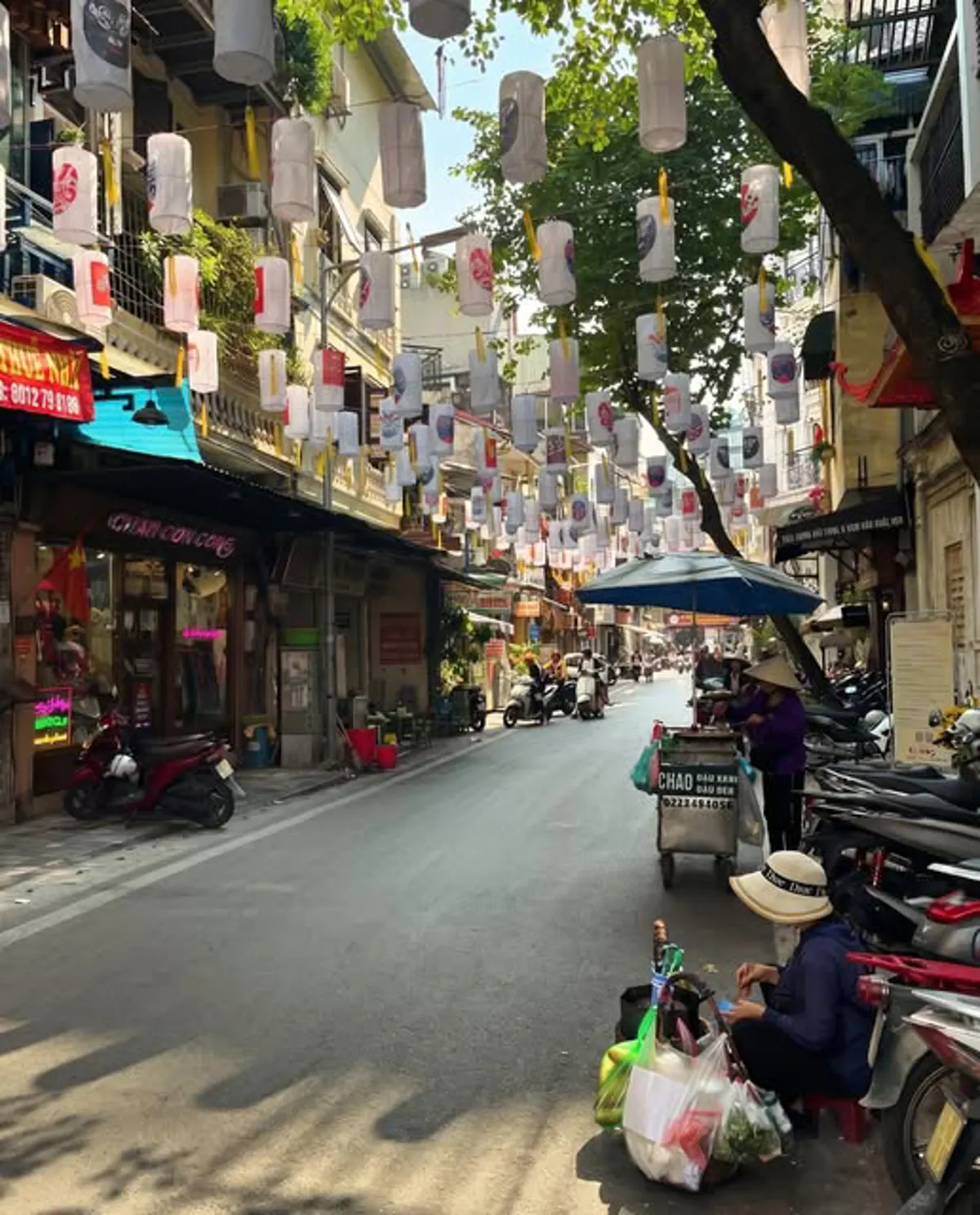
Hanoi, Vietnam's capital, presents visitors with a rich array of historical sites, cultural depth, and contemporary urban life. A city tour typically guides travelers through centuries of heritage, from ancient temples to colonial architecture, alongside opportunities to engage with local customs and cuisine. This exploration provides insight into the city's enduring spirit and its role as a significant cultural center, attracting international guests for both leisure and special events.
Recently, as part of the international sporting event “RISE WITH THE FLAMES – World No.1”, held for the first time in Vietnam, athletes participated in a dedicated city tour. This itinerary showcased some of Hanoi's most iconic locations, offering a glimpse into the city's unique character and fostering cultural exchange between Vietnam and the global sports community.
Exploring Hanoi's Historic Landmarks
Hanoi's long history is evident in its well-preserved architectural marvels and significant cultural sites. A visit to these locations offers a profound understanding of Vietnam's past and its enduring traditions. These sites are central to any comprehensive exploration of the capital.
Among the most prominent stops is the Temple of Literature, Vietnam's first national university, established in 1070. This serene complex is dedicated to Confucius, scholars, and sages, featuring five courtyards, ancient trees, and traditional Vietnamese architecture. It serves as a symbol of education and intellectual pursuit. Another crucial historical destination is the Ho Chi Minh Mausoleum, the final resting place of Vietnam's revolutionary leader, Ho Chi Minh. This solemn site invites visitors to pay their respects, though it is important to check current visiting hours and adhere to the respectful dress code.
Navigating the Old Quarter and Local Transport
The Hanoi Old Quarter stands as a testament to the city's commercial heritage and daily life. This historic district is characterized by its narrow streets, each traditionally associated with a specific trade or craft, and its distinctive tube houses. Exploring this area provides an authentic look at local commerce and residential patterns.
One of the most traditional ways to experience the Old Quarter is by taking a cyclo ride. These three-wheeled bicycle taxis offer a leisurely pace to observe the street activity, from vendors selling their goods to residents going about their day. It's an excellent opportunity to appreciate the unique atmosphere and consider purchasing local products and traditional crafts that reflect Vietnamese artistry.
A Taste of Hanoi: Culinary Experiences
Hanoi's culinary landscape is diverse and deeply rooted in local traditions, offering a range of flavors that appeal to many palates. From street food stalls to established restaurants, the city provides numerous opportunities to sample authentic Vietnamese dishes. Food is an integral part of the cultural experience here, reflecting regional ingredients and cooking methods.
A unique and celebrated local beverage is Hanoi's signature egg coffee. This rich coffee is prepared with a creamy, frothy layer made from egg yolks, sugar, and condensed milk, creating a distinctive taste and texture. Numerous cafes throughout the city offer this specialty, providing a memorable conclusion to a day of sightseeing.
Hanoi as a Welcoming Destination for International Visitors
Hanoi's appeal extends beyond its historical and cultural sites; it is increasingly recognized as a city capable of hosting international gatherings and welcoming diverse groups of travelers. The city's infrastructure, cultural richness, and hospitality make it an attractive location for various events, including sports competitions and cultural festivals.
The presence of international athletes and visitors contributes to a dynamic exchange, allowing global communities to connect with Vietnamese culture. This interaction helps to present Vietnam's image to a wider audience, fostering understanding and appreciation for its heritage and contemporary lifestyle. Visitors managing finances in the city can find guidance on navigating banking services in Hanoi.
Key Attractions for a Hanoi City Tour
When planning an exploration of Hanoi, certain landmarks consistently feature on recommended itineraries due to their historical significance and cultural importance. These sites offer a comprehensive introduction to the city's character.
| Landmark | Description |
|---|---|
| Temple of Literature | Vietnam's first national university, established in 1070. A serene complex dedicated to Confucius, scholars, and sages, featuring five courtyards, ancient trees, and traditional architecture. |
| Ho Chi Minh Mausoleum | The final resting place of Vietnam's revolutionary leader, Ho Chi Minh. A significant historical site where visitors can pay respects (check visiting hours and dress code in advance). |
| Hanoi Old Quarter | A historic commercial district characterized by narrow streets, traditional tube houses, and specialized craft shops. Best explored by walking or a cyclo ride to observe daily life and street vendors. |
| Egg Coffee Experience | A unique Hanoi specialty, this rich coffee is topped with a creamy, frothy layer made from egg yolks, sugar, and condensed milk. Many cafes across the city offer this distinct beverage. |
Planning Your Visit to Hanoi
To make the most of a trip to Hanoi, consider the best times to visit, typically during the cooler, drier months. Understanding local customs and etiquette can also enhance the experience, ensuring respectful interactions with residents. The city offers various accommodation options, from boutique hotels in the Old Quarter to larger establishments in more modern districts.
Transportation within Hanoi is readily available, with options including taxis, ride-sharing services, and public buses. For those interested in traveling across Vietnam by train, information on overnight rail journeys in Vietnam can be helpful for planning broader itineraries. Always verify operating hours and any specific requirements for attractions before your visit.
Frequently Asked Questions
What are the main historical sites to see in Hanoi?
Key historical sites in Hanoi include the Temple of Literature, Vietnam's first national university, and the Ho Chi Minh Mausoleum, the resting place of the country's revered leader. Both offer significant insights into Vietnamese history and culture.
How can I experience the Old Quarter?
The Old Quarter is best experienced by walking its narrow streets, which are often dedicated to specific trades. Taking a cyclo ride provides a traditional and relaxed way to observe the daily activities and architecture of this historic area.
What is a must-try local beverage in Hanoi?
Hanoi is famous for its unique egg coffee. This distinctive drink features a rich coffee base topped with a creamy, sweet foam made from whipped egg yolks, offering a memorable taste experience.
Is Hanoi suitable for international sporting events?
Yes, Hanoi has demonstrated its capacity to host international events, including sporting competitions. The city's cultural attractions, infrastructure, and welcoming atmosphere make it a suitable location for drawing global participants and spectators.
What is the best way to get around Hanoi?
For navigating Hanoi, options include taxis, ride-sharing apps, and public buses. For short distances and a local experience, cyclo rides are popular in the Old Quarter. Walking is also an excellent way to explore many central areas.








