
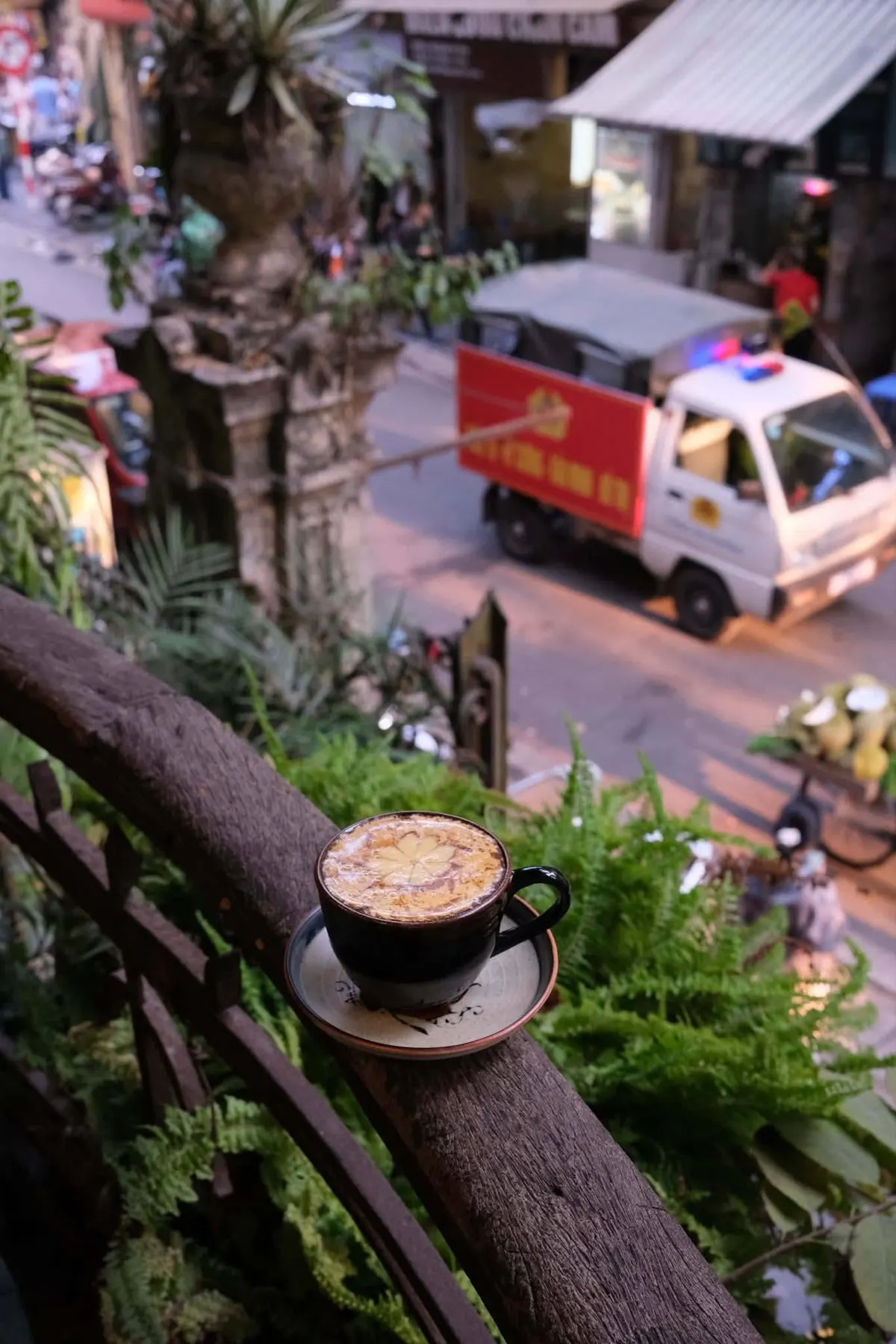
Hanoi's coffee scene is a fundamental aspect of daily life and a significant cultural draw for visitors. The city presents a wide array of coffee preparations, each offering a distinct taste and experience that reflects Vietnam's unique approach to this global beverage. From historical origins to contemporary cafe spaces, understanding Hanoi's coffee traditions enhances any visit to the capital.
The Historical Roots of Vietnamese Coffee
Coffee cultivation arrived in Vietnam during the mid-19th century, introduced by the French. Initial attempts to establish plantations in the Phat Diem region, approximately a three-hour drive from Hanoi, were not successful due to unsuitable land conditions. However, cultivators soon identified the fertile red soil of Vietnam's central highlands as ideal for coffee growing. This led to extensive plantations flourishing across vast areas, including Lam Dong, Dak Lak, Dak Nong, and Pleiku provinces. More recently, excellent coffee has also been successfully grown in Dien Bien Phu and Son La provinces.
Today, Vietnam stands as a major global coffee producer, consistently ranking among the top three worldwide, often just behind Brazil and Colombia. The nation exports approximately two million tons of coffee annually, primarily consisting of Arabica and Robusta beans. This extensive production underpins the widespread availability and cultural importance of coffee throughout the country, particularly in cities like Hanoi.
Hanoi's Coffee Culture: A Social Hub
In Hanoi, coffee establishments are ubiquitous, found on nearly every street. These venues serve as essential gathering places for both residents and visitors throughout the day. Beyond simply serving drinks, cafes function as important social hubs where people meet, converse, and observe daily life unfolding around them.
The range of coffee settings is broad, catering to various preferences. One might choose a spacious, well-appointed luxury cafe offering a refined atmosphere, or opt for a more casual experience at a small sidewalk stall. These street-side spots often feature low plastic or wooden seating, providing an authentic local interaction. Regardless of the setting, the act of enjoying coffee remains a cherished daily ritual, deeply integrated into the city's rhythm. When managing finances during your trip, it's helpful to understand banking services in Hanoi to ensure a smooth visit.
Iconic Coffee Creations to Experience in Hanoi
Hanoi's coffee offerings extend far beyond a simple cup, showcasing inventive combinations and traditional preparations. Visitors can explore several distinctive beverages that have become synonymous with the city's culinary identity.
Vietnamese Iced Coffee (Cà Phê Sữa/Đen Đá)
This widely popular drink combines strong drip-filtered coffee with sweetened condensed milk and ice cubes. While many cafes prepare the coffee in advance and reheat it upon order, the result is a potent and refreshing beverage. Its high caffeine content makes it a popular choice for starting the day. The experience involves slowly stirring the ice as it melts, gradually diluting the rich coffee and milk mixture. This classic drink can be served in four variations: hot or cold, and with or without condensed milk.
Egg Coffee (Cà Phê Trứng)
Egg coffee, known locally as Cà Phê Trứng, is a specialty originating from Hanoi. This unique creation features a creamy, meringue-like foam made from whipped egg whites, delicately layered over robust Vietnamese coffee. While numerous establishments across the city now serve this distinctive drink, Cafe Giang is widely credited with its invention. Both hot and cold versions are available, with the hot preparation generally reported as more favored. It has become a highly recommended item for anyone visiting Hanoi. Please note that specific address, phone, or operating hours for Cafe Giang were not provided in the source material.
Iced Coconut Coffee (Cà Phê Dừa Đá)
Resembling a frappe, iced coconut coffee, or Cà Phê Dừa Đá, is another refreshing option. The French introduction of drip coffee to Vietnam has profoundly influenced local culture, leading to many adaptations, including this coconut variation. This drink is particularly enjoyable during warmer weather. While typically made with coconut cream, some preparations might substitute plain yogurt, potentially requiring additional condensed milk for sweetness.
Iced Yogurt Coffee
Beyond its strong and flavorful traditional coffee, Vietnam has innovated numerous coffee-based beverages, including the combination of coffee and yogurt. This pairing creates an energizing morning drink. Many find the blend of coffee and yogurt to offer both effectiveness and potential health benefits.
Practical Aspects of Enjoying Coffee in Hanoi
Experiencing Hanoi's coffee culture is a straightforward and rewarding activity. Cafes are plentiful, making it easy to find a spot to relax and enjoy a drink. Whether you prefer a quick pick-me-up or a leisurely afternoon, the city's coffee shops offer diverse environments to suit any mood. Many visitors find that taking time to slowly savor their coffee, perhaps while observing the street life, adds to the charm of their Hanoi experience.
When planning your trip to Vietnam, consider dedicating some time to exploring the local coffee scene. It's a fantastic way to engage with the city's pace and traditions, much like exploring unique purchases and souvenirs from a trip to Vietnam. The variety of coffee types ensures there is something for every palate, making it a memorable part of any itinerary.
Frequently Asked Questions
What is the history of coffee in Vietnam?
Coffee was introduced to Vietnam by the French in the mid-19th century. After initial challenges in northern regions, cultivation found success in the central highlands due to favorable soil conditions. Vietnam has since grown to become one of the world's leading coffee producers.
What makes Vietnamese coffee distinct?
Vietnamese coffee is known for its strong flavor, often prepared using a phin (a small metal drip filter) and frequently combined with sweetened condensed milk. Unique local innovations like egg coffee and coconut coffee also contribute to its distinctiveness.
Is egg coffee widely available in Hanoi?
Yes, egg coffee, or Cà Phê Trứng, is a Hanoi specialty that has become widely available across many cafes in the city. While Cafe Giang is noted as its originator, numerous establishments now offer both hot and cold versions of this creamy beverage.
Can I find non-dairy options for coffee in Hanoi?
Traditional Vietnamese coffee often uses condensed milk. However, some modern cafes may offer plant-based milk alternatives. Additionally, drinks like Iced Coconut Coffee can be adapted, and plain yogurt is sometimes used as an alternative to coconut cream, though it's not strictly dairy-free.
What types of coffee beans are grown in Vietnam?
Vietnam primarily cultivates and exports Arabica and Robusta coffee beans. Robusta accounts for a significant portion of the country's production, known for its strong flavor and higher caffeine content.








