
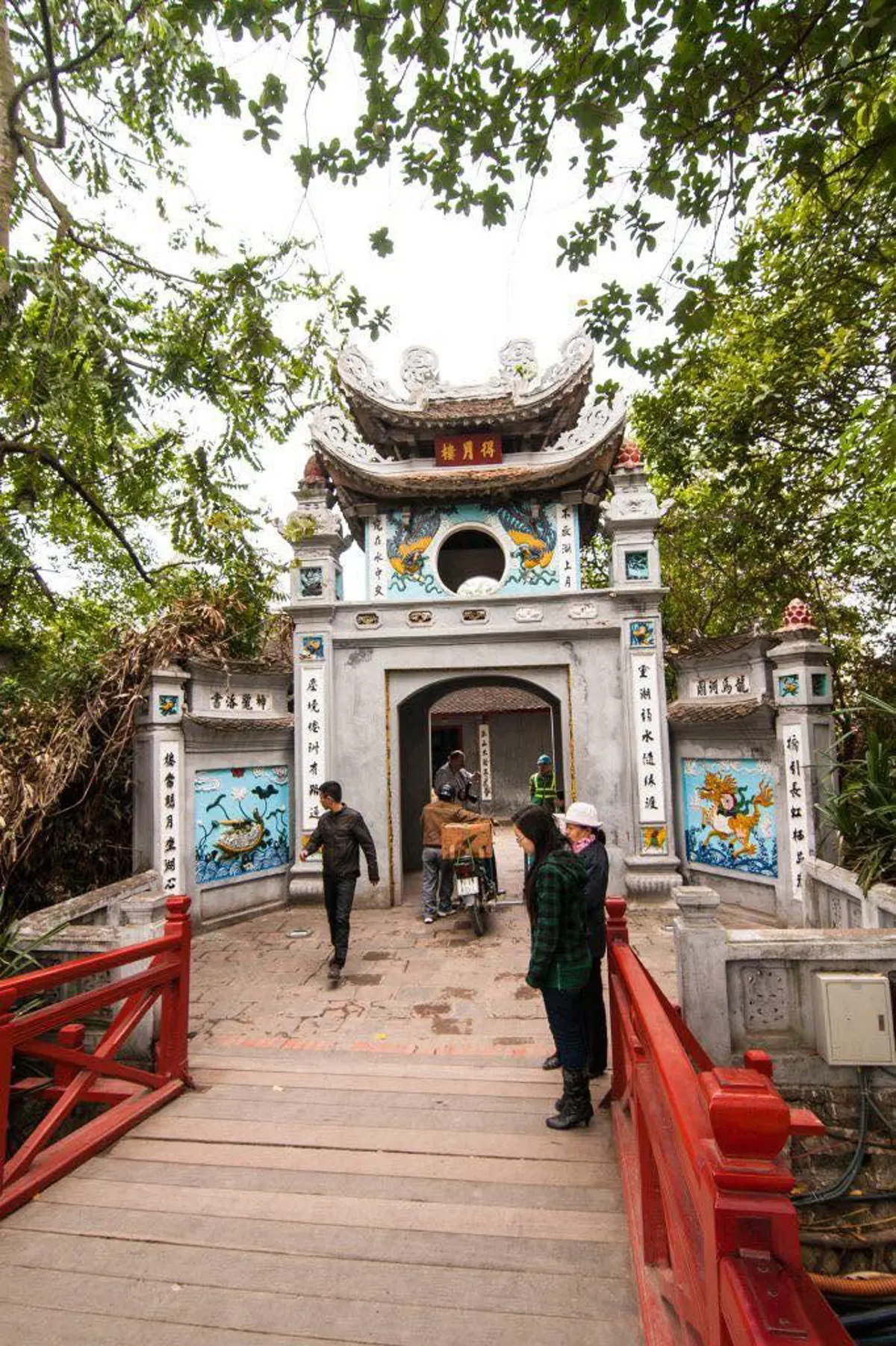
The capital of Vietnam provides countless scenes for street photography, showcasing its unique blend of tradition and contemporary life. For those seeking to document the city's essence through their lens, specific areas offer particularly compelling subjects. This guide highlights prime spots across Hanoi where photographers can find authentic moments and distinctive backdrops.
Capturing the Essence of Hanoi Through Photography
Hanoi's urban environment offers a rich array of subjects for photographers. The city's character is defined by its ancient architecture, the rhythm of daily commerce, and the interactions of its residents. Rather than focusing on posed shots, photographers often aim to capture candid scenes that reflect the genuine spirit of Hanoian existence. This approach allows for the creation of images that tell stories about the city's heritage and its present-day pulse.
Observing the flow of life, from street vendors preparing their goods to locals engaging in morning exercises by the lakes, provides endless inspiration. The interplay of light and shadow on historical buildings, the movement of motorbikes, and the lively colors of markets all contribute to a dynamic visual landscape. Patience and an open mind are valuable assets when seeking to document these fleeting moments.
Premier Locations for Urban Photography in Hanoi
Hanoi boasts several distinct areas, each presenting unique photographic opportunities. From historical landmarks to active commercial zones, these locations offer a diverse range of subjects for capturing the city's character.
Hanoi Train Street
This unique section of railway passes directly through residential areas, with homes and businesses situated mere feet from the tracks. Key intersections include those along Tran Phu, Phung Hung, Kham Thien, and Le Duan Street. The sight of daily life unfolding so close to an active railway line creates a compelling and unusual visual narrative. While popular for its distinctive appearance, visitors should exercise extreme caution and be aware of train schedules, as the area can be dangerous when trains are approaching or passing.
For those interested in capturing the trains themselves, it is advisable to visit around 10:00 AM or 3:00 PM, though specific train times can vary and should be verified locally. During these periods, the streets may be less crowded, offering clearer views. The primary appeal lies in documenting the organized chaos and the resourcefulness of residents living alongside this active railway.
Long Bien Bridge
Constructed between 1899 and 1902, this historic cantilever bridge was designed by the firm of Gustave Eiffel, the engineer behind the Eiffel Tower. It stands as a significant historical landmark, offering expansive views of the Red River and the surrounding landscape. A walk across its length reveals various local scenes: tranquil riverbanks and seasonal flower gardens on one side, and the activity of a wholesale market on the other.
The periods around sunrise and sunset are particularly recommended for photography, as the changing light casts a warm glow over the bridge and its environment, enhancing its historical appeal. For those preferring a more relaxed perspective, local cafes, such as Serein, provide elevated viewpoints overlooking the structure and nearby areas, allowing for observation and photography from a comfortable distance.
Phung Hung Mural Street
This street features a series of large-scale wall paintings, resulting from a collaborative art project between Vietnam and South Korea. The murals depict scenes from Hanoi's past, illustrating traditional life and historical landmarks. Subjects include depictions of Hang Ma Street, the Mid-Autumn Festival, the former Trang Tien Department Store, and the Long Bien Bridge itself, alongside images of flower vendors and students.
Stretching for approximately 200 meters, this outdoor gallery serves as both a recreational space and a cultural exhibit. The artworks often incorporate three-dimensional effects, providing numerous creative angles for photographers interested in capturing contemporary art that reflects historical narratives.
West Lake (Ho Tay)
As Hanoi's largest freshwater lake, West Lake spans an area of 500 hectares with a perimeter of 17 kilometers. It is a destination known for its historical sites, peaceful atmosphere, and the array of hotels and dining establishments along its shores. While the area can be lively in the evenings, the most visually rewarding times for photography are typically at dawn or twilight.
These transitional periods offer soft light and dramatic skies, ideal for capturing the lake's serene beauty and the activities of locals exercising or strolling along the waterfront. Significant cultural sites such as Tran Quoc Pagoda, an important symbol of Vietnamese Buddhism, and Quan Thanh Temple, one of Hanoi's ancient sacred temples, are situated around the lake, providing additional photographic subjects. Many establishments, including The Summit Lounge at Pan Pacific Hanoi, offer elevated perspectives of the lake.
Hanoi Old Quarter
The Old Quarter stands as a focal point of Hanoi's thousand-year history, characterized by its narrow streets, ancient houses, and active commercial activity. Here, photographers can document the daily routines of street vendors, the preparation of local culinary specialties, and the dynamic atmosphere of its pedestrian zones.
Key landmarks within this area include Hoan Kiem Lake, Dong Kinh Nghia Thuc Square, and Dong Xuan Market. Specific streets like Ta Hien and Hang Ma also offer distinct visual elements, each contributing to the Old Quarter's unique charm and providing ample subjects for capturing the city's traditional urban fabric.
Quang Ba Flower Market
This market serves as Hanoi's primary wholesale hub for fresh-cut flowers, operating primarily during the early morning hours. It offers a sensory and visual experience distinct from typical Western flower shops, characterized by a lively and somewhat chaotic atmosphere. Beyond purchasing flowers, it is a popular spot for photographers seeking to document authentic local commerce.
The market typically operates from midnight until around 6:00 AM, with the most intense activity occurring between 2:00 AM and 4:00 AM. Visiting during these peak hours allows photographers to observe the energetic exchange of goods and the colorful displays of thousands of flowers, providing a unique glimpse into a significant aspect of Hanoi's daily life and community.
Optimal Timing for Your Photo Expeditions
The quality of light significantly impacts photography, and Hanoi's environment offers distinct advantages at certain times of day. Early mornings and late afternoons are generally considered the most favorable periods for street photography. The softer, warmer light during these hours creates appealing shadows and highlights, enhancing the depth and mood of urban scenes.
Specifically, for locations like Long Bien Bridge and West Lake, sunrise and sunset provide dramatic skies and a golden hour glow that can transform ordinary scenes into striking images. For the Quang Ba Flower Market, the early hours between 2:00 AM and 4:00 AM are crucial for capturing its most active and visually rich moments. At Hanoi Train Street, visiting around 10:00 AM or 3:00 PM can help avoid the largest crowds while still offering opportunities to observe local life, though train schedules should always be confirmed locally for safety. Avoiding the harsh midday sun is often recommended, as it can create strong, unflattering shadows.
Essential Tips for Ethical and Effective Street Photography
Engaging in street photography in Hanoi requires both technical skill and cultural sensitivity. To ensure a rewarding experience, consider the following advice:
- Respect Local Customs: Always be mindful of local traditions and personal space. When photographing individuals, a polite gesture or a smile can often facilitate a positive interaction. If someone indicates discomfort, respect their wishes and refrain from taking their picture.
- Be Discreet: Candid shots often yield the most authentic results. Try to blend into your surroundings and avoid drawing excessive attention to yourself or your camera.
- Prioritize Safety: Especially in busy areas like markets or near the Train Street, remain aware of your surroundings. For the Train Street, verify train schedules and keep a safe distance from the tracks at all times.
- Travel Light: A smaller camera setup with a versatile lens (e.g., a 35mm or 50mm equivalent) can be less intrusive and easier to manage in crowded environments.
- Explore on Foot: Many of Hanoi's most interesting photographic subjects are found by walking through its streets and alleys. This allows for spontaneous discoveries and a deeper connection with the urban landscape.
- Stay Hydrated and Prepared: Hanoi's climate can be warm and humid. Carry water, wear comfortable shoes, and protect your equipment from dust and moisture.
- Manage Finances: Understanding banking services in Hanoi is crucial for travelers, ensuring you have access to funds for local purchases or emergencies.
- Consider Local Goods: While exploring, you might find unique purchases and souvenirs that also make for interesting photographic subjects or gifts.
- Beyond Hanoi: For those interested in wider travel, information on overnight rail journeys in Vietnam can help plan further photographic expeditions across the country.
The table below provides a comparative overview of Hanoi's key photography locations, highlighting their primary subjects and optimal visiting times.
| Location | Primary Photographic Subjects | Recommended Time for Photography | Key Features for Photos |
|---|---|---|---|
| Hanoi Train Street | Daily life alongside active railway, unique urban landscape | Around 10:00 AM or 3:00 PM (verify train schedules locally) | Residential buildings close to tracks, local interactions, passing trains (with caution) |
| Long Bien Bridge | Historic architecture, Red River views, local vendors, sunrise/sunset light | Sunrise or Sunset | Eiffel-designed structure, river scenes, flower gardens, wholesale market activity |
| Phung Hung Mural Street | Contemporary art depicting historical Hanoi scenes, 3D effects | Daytime (good light for murals) | 200-meter wall of murals, historical narratives, collaborative art project |
| West Lake | Tranquil lake scenery, local activities, pagodas, temples, sunrise/sunset light | Dawn or Twilight | Large freshwater lake, Tran Quoc Pagoda, Quan Thanh Temple, exercising locals, elevated views from cafes |
| Hanoi Old Quarter | Ancient architecture, street vendors, local commerce, pedestrian life, Hoan Kiem Lake | Throughout the day, especially early morning or late afternoon | Narrow streets, traditional houses, Hoan Kiem Lake, Dong Xuan Market, specific themed streets |
| Quang Ba Flower Market | Wholesale flower trade, energetic market atmosphere, lively floral displays | Between 2:00 AM and 4:00 AM (peak activity) | Thousands of fresh-cut flowers, vendor interactions, early morning light |
Frequently Asked Questions
What kind of subjects can I photograph in Hanoi?
Hanoi offers a wide array of subjects, including historical architecture, daily life scenes, street vendors, local markets, religious sites like pagodas and temples, and natural landscapes around its lakes. The city's unique blend of tradition and modernity provides diverse visual narratives.
Is it safe to photograph in all areas?
Generally, Hanoi is safe for photography. However, certain areas like the Hanoi Train Street require extreme caution due to active train lines. Always be aware of your surroundings, especially in crowded markets or near traffic. It is also advisable to be respectful of individuals' privacy.
What are the best times of day for street photography?
The optimal times for street photography in Hanoi are typically early morning (sunrise to mid-morning) and late afternoon (late afternoon to sunset). These periods offer softer, warmer light, which is ideal for capturing depth and mood. Midday light can be harsh and create strong shadows.
Do I need special permits to photograph in public?
For general street photography in public spaces, special permits are usually not required in Hanoi. However, if you are planning a commercial shoot, using professional models, or setting up extensive equipment, it is always prudent to inquire about local regulations or seek permission. Always respect signs indicating no photography.
How can I respect local culture while photographing?
To show respect, always ask for permission before taking close-up photos of individuals, especially children or elderly people. A smile and a polite gesture often suffice. Avoid being intrusive or disruptive, particularly in religious sites or during ceremonies. Dress modestly when visiting temples and pagodas.








