
Visiting Sapa requires planning for unpredictable mountain weather, choosing the right way to get around, and knowing where to sample regional food and handicrafts. This article summarises the climate patterns, transport choices, shopping options and eating recommendations that visitors report as most useful when preparing a stay in Sapa.
What Sapa is and why its climate matters
Sapa is a highland town in northern Vietnam known for steep rice terraces and a population of several ethnic minority groups. The town sits at an elevation that gives it cooler temperatures than lowland Vietnam, and the local climate changes noticeably with the seasons.
Average readings cited for Sapa town put the mean temperature around 15.4 C, with recorded highs near 29.4 C and lows close to 1 C. Summers are humid and prone to sudden downpours, while winters can be chilly—some years bringing frost or even snow on higher peaks. Because conditions can shift quickly, most travellers find flexible plans and layered clothing helpful.
- Wet season: typically MaySeptember, heaviest rain often in JulyAugust.
- Peak cool periods: late December through February; sub-zero temperatures may occur on cold nights.
- Recommended months for fairer weather: many guides point to MarchMay and mid-Septemberearly December.
Key highlights and attractions
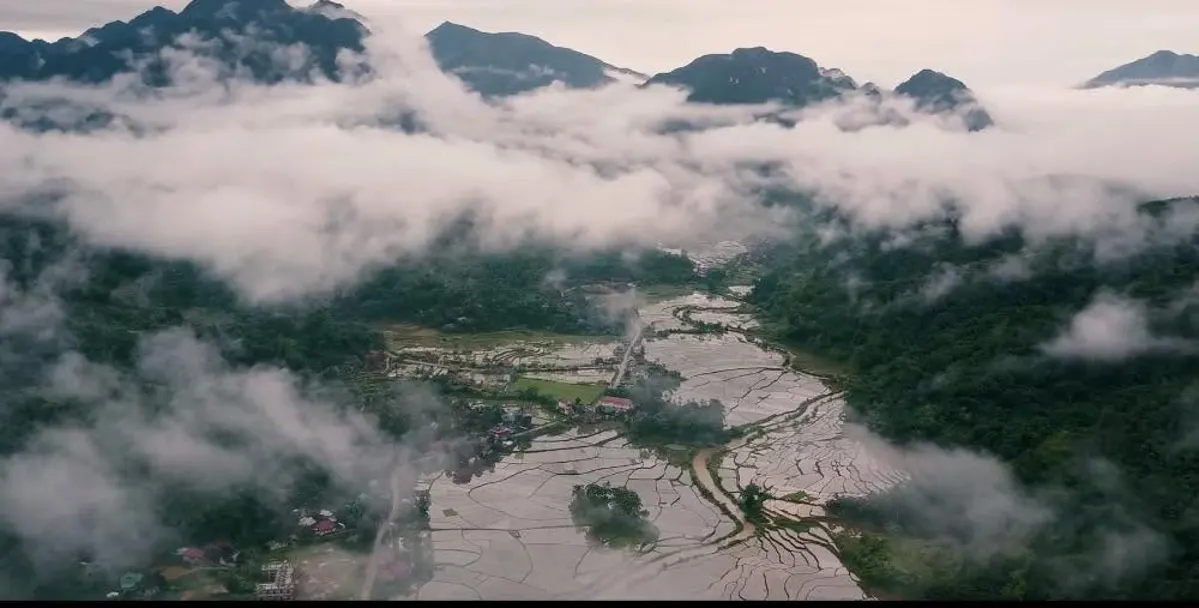
Sapa draws visitors for outdoor activities, panoramic views of terraced rice fields and the opportunity to meet several ethnic minority communities. Different seasons change the appearance of the terraces: newly planted seedlings, lush green growth and golden harvests each alter the landscape and visitor experience.
Beyond walking routes, local markets are important cultural hubs. Weekly and regional markets attract traders from surrounding valleys and are good places to see traditional clothing and handicrafts for sale. Many travellers also plan short treks to nearby villages led by local guides, who often combine navigation with background on traditional practices and farming cycles.
- Terraced rice fields: best viewed during planting (spring) and harvest (autumn) phases.
- Local markets: Sapa town market and larger regional fairs are social meeting points and shopping opportunities.
- Guided treks: range from easy walks to multi-hour hikes; hiring a local guide supports the community and helps with route choice.
Practical tips for travel and transport
Getting to and moving around Sapa involves several common choices: trains to Lao Cai followed by road transfer, taxis, motorbike rental, bicycles and organised treks. Visitors often balance comfort, cost and how much off-road terrain they want to cover when picking transport.
For those considering two-wheel travel, short-term motorbike rental is often reported as an economical option for local exploration; prices fluctuate by season and rental length. If you prefer a relaxed pace or have limited riding experience, bicycles or hiring a local driver may be safer choices. Many travellers also hire local guides for trekking routes instead of booking long-distance transfers in advance.
- Negotiate fares clearly for xe om (motorbike taxis) before you ride.
- Bring waterproof layers and secure luggage if you plan to ride during the wet season.
- Check tyre condition and brakes if renting a motorbike; make sure your licence meets local requirements.
For detailed motorbike advice relevant across Vietnam, see the motorbike travel guide which covers rental, safety and documentation considerations.
| Transport | Typical reported cost | Best for | Main drawback |
|---|---|---|---|
| Train + shuttle/taxi | Train to Lao Cai + transfer; reported road transfer fares vary | Comfortable long-distance travel | Requires onward transfer to Sapa town |
| Taxi | Station-to-town transfers reported around 350,000 VND one way (example figure) | Door-to-door, luggage-friendly | Higher cost for short distances |
| Motorbike rental | Short-term rentals reported around 120,000 VND/day | Independent local exploration | Requires riding experience and caution on mountain roads |
| Bicycle rental | Reported rates roughly 10 USD/day or 6 USD/half day | Leisurely sightseeing near town | Less suitable for steep, muddy trails |
| Trekking with local guide | Prices vary by route and group size | Village access and cultural interpretation | Physical exertion and variable trail conditions |
Cultural context: markets, handicrafts and local life
Sapa’s cultural landscape is shaped by the many ethnic minority groups who farm the hills and gather at markets to trade. Regional market days—some weekly, some on special schedules—are good opportunities to see traditional fabrics, embroidered clothing and household items sold directly by producers who travel from nearby valleys.
Some small boutiques in town are reported to be run by members of local communities who sell family-made goods and occasionally offer embroidery workshops. Visiting these stores or bargaining gently at market stalls gives shoppers a chance to ask about materials and production methods while supporting local makers.
- Market etiquette: polite bargaining is common at open-air markets, but aim for fair deals.
- Handicrafts: check stitching and fabric quality if you want items that last.
- Workshops: look for opportunities to learn embroidery or weaving from local artisans.
Food and where to eat in Sapa
Highland cuisine in the Sapa area features hearty broths, grilled meats and ingredients suited to cool weather. Local specialities include a variety of hot pots, pork dishes prepared with regional seasonings and street-side barbecue stalls that operate into the evening when the air turns chilly.
Traditional H'Mong dishes also appear on menus around town; one example commonly cited in regional guides is a soup prepared from horse meat and offal flavoured with an array of spices. Visitors report that tasting local specialities alongside vegetables and condiments gives a clearer sense of traditional flavours and food culture.
- Night market: an easy place to sample grilled skewers and local snacks while watching the town wind down.
- Hot pots and regional pork dishes: look for restaurants noted for cooler-weather fare.
- For a deeper list of dishes and recommended restaurants, see the Sapa food guide.
Who Sapa suits and how it compares to alternatives
Sapa suits travellers who enjoy mountain scenery, moderate to challenging walking and an interest in rural cultures. It is particularly appealing to those who like to combine short hikes with visits to markets and local villages rather than continuous city sightseeing.
If your priorities are easier access, more predictable weather or coastal activities, destinations elsewhere in Vietnam may fit better. For example, lowland cities offer more conventional transport and a wider range of urban amenities, while island or central-coast destinations provide beach time rather than mountain trekking.
- Suits: hikers, culture-minded travellers and photographers who can adapt to changing conditions.
- Less suitable for: visitors who need guaranteed warm weather, full mobility access or a strictly urban itinerary.
- Alternatives: consider provincial towns or coastal areas if beaches or stable, warm climate are priorities.
Frequently Asked Questions
When is the nicest time of year to visit Sapa?
Many guides recommend visiting between March and May or from mid-September to early December for generally drier conditions and clearer views. Visitors also report appealing scenery during planting and harvest seasons; however, weather can always change quickly in the highlands.
Is Sapa suitable for first-time trekkers?
Yes—there are trekking routes that suit beginners as well as more demanding trails for experienced hikers. Hiring a local guide is a common practice that helps with route-finding and cultural context.
Can I rent a motorbike in Sapa and ride safely?
Motorbike rental is available and can be a practical way to explore nearby areas, but riders should assess road conditions, their own experience and carry appropriate safety gear. For broader riding advice and licence information relevant in Vietnam, consult the motorbike travel guide linked above.
Are there places to buy authentic handicrafts in town?
Yes. Town shops and market stalls sell a range of handmade items; some boutiques are reportedly owned and run by local artisans who make goods for sale and may offer informal workshops.
What should I pack for Sapa?
Pack layers for variable temperatures, waterproof outerwear for the wet season, sturdy shoes for trails and a warm jacket for cool nights. Visitors often bring a small daypack for hikes and a rain cover for electronics.








