
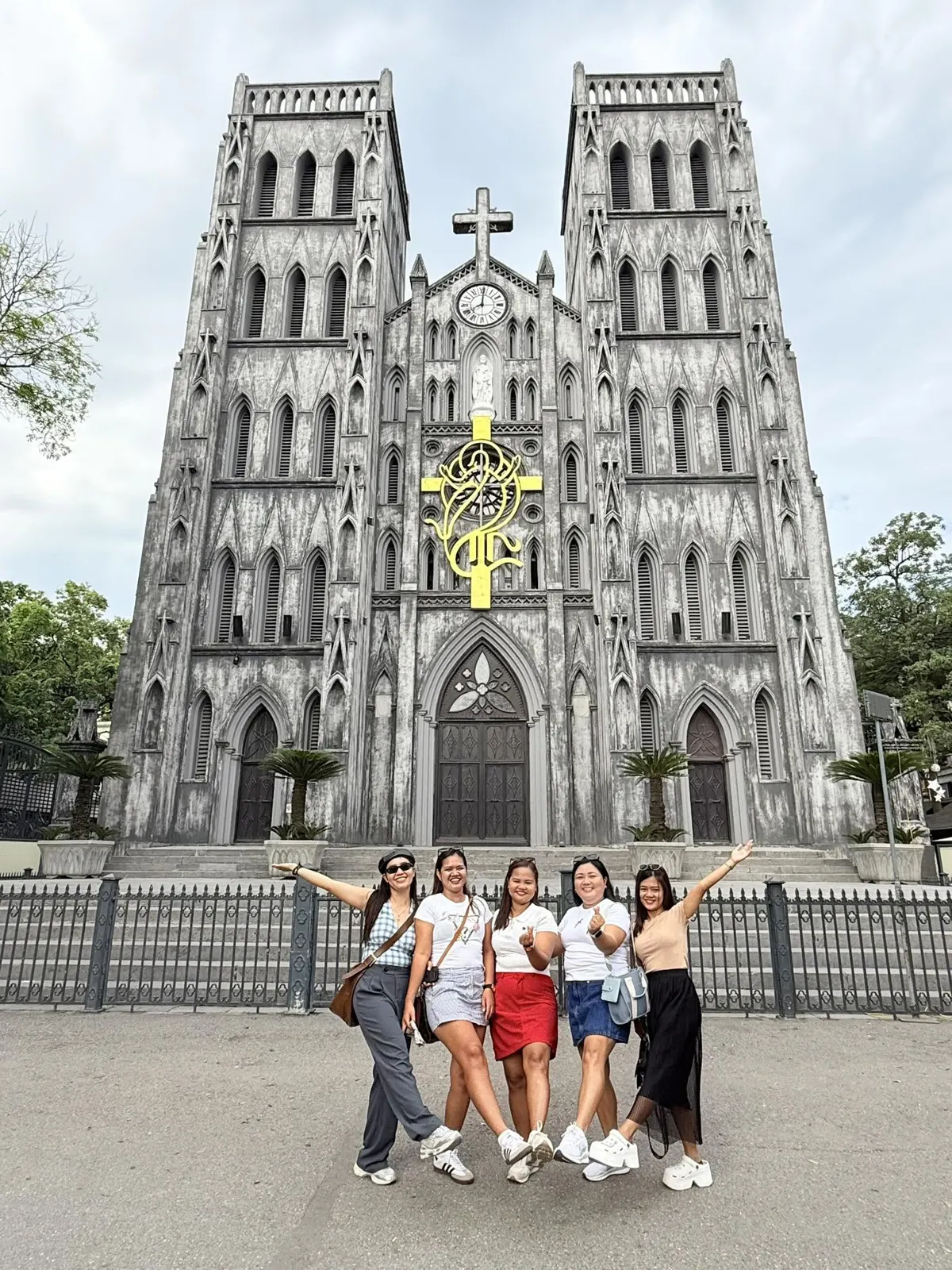
Hanoi stands as Vietnam's most frequented city by international travelers, a distinction earned through its unique combination of ancient heritage, dynamic street life, exceptional cuisine, and an authentic Vietnamese atmosphere. This northern capital serves as an ideal starting point for exploring the wider region, offering convenient access to world-renowned sites like Halong Bay, the terraced landscapes of Sapa, and the ancient capital of Ninh Binh. With Noi Bai International Airport providing direct connections to major global cities, Hanoi is readily accessible for those seeking to experience Vietnam's cultural heart.
The city's appeal lies in its genuine character; Hanoi embraces its identity, providing visitors with a true insight into Vietnamese culture, history, and daily existence. Whether you are a first-time visitor or someone returning to Vietnam, Hanoi presents numerous layers of experiences, from historical exploration to culinary adventures.
Why Hanoi Attracts Global Travelers
Hanoi's geographical position offers a significant advantage for those wishing to explore northern Vietnam and beyond. From this central location, travelers can easily reach some of Southeast Asia's most remarkable destinations. Halong Bay, a UNESCO World Heritage site known for its thousands of limestone islands, is just a few hours away. The mountainous region of Sapa, with its distinctive terraced rice fields and diverse ethnic communities, is also within reach. Additionally, Ninh Binh, often referred to as 'Halong Bay on land' due to its similar karst formations amidst rice paddies, makes for an accessible day trip.
This strategic placement allows international visitors to establish a base in Hanoi and discover a variety of landscapes and cultural settings without the constant need to change accommodations. The city itself acts as a living chronicle of Vietnamese history. Unlike many other Asian capitals that have prioritized modern development over historical preservation, Hanoi has maintained its historical core. The Old Quarter, with its traditional 36 streets, each historically associated with a particular trade, largely retains its centuries-old character.
Discovering Hanoi's Core Attractions
Exploring the Old Quarter offers a genuine glimpse into Hanoi's enduring character. Dedicate several days to wandering its narrow lanes, where each street possesses a distinct identity and specialty. For instance, Hang Gai Street is known for its silk products and tailor shops, while Hang Bac Street echoes with the sounds of silversmiths. Hang Ma Street becomes particularly lively with colorful decorations during festive periods. The best times to experience the Old Quarter are early mornings or evenings, when local life unfolds with vendors setting up food stalls and residents gathering for meals or 'bia hoi,' the fresh draft beer for which Hanoi is renowned. The combination of motorbikes, street vendors' calls, and the aroma of sidewalk grills creates a sensory experience that defines Hanoi.
At the center of Hanoi lies Hoan Kiem Lake, a peaceful yet dynamic focal point. Mornings see residents engaging in tai chi or jogging, while evenings transform the lake into a social gathering spot for families, couples, and street entertainers. The iconic red wooden bridge leading to Ngoc Son Temple, situated on an island in the lake's northern section, is a frequently photographed landmark. This temple, dedicated to the military leader Tran Hung Dao, provides a quiet retreat from the city's activity. Local folklore surrounding a giant turtle and a magical sword adds a layer of mythical charm, with some residents claiming recent sightings of the legendary turtle.
Significant Cultural Sites
A visit to Hanoi often includes paying respects at the Ho Chi Minh Mausoleum complex. This site encompasses the mausoleum itself, where Ho Chi Minh's preserved body rests, alongside his former residence, a museum detailing his life, and the One Pillar Pagoda, an architectural symbol of Vietnam. The experience is typically solemn, requiring respectful attire and adherence to specific protocols. Beyond its political significance, the complex features impressive architecture, serene gardens, and traditional Vietnamese design elements.
The Temple of Literature, established in 1070, holds historical importance as Vietnam's first national university. Walking through its five courtyards allows visitors to trace the footsteps of ancient scholars who studied Confucian principles and prepared for royal examinations. The stone steles, recognized by UNESCO, are inscribed with the names of successful doctoral candidates and rest on the backs of stone turtles. This temple complex is a prime example of traditional Vietnamese architecture, featuring elegant gates, pavilions, and tranquil gardens. Students continue to visit the site before major exams to seek good fortune, maintaining a tradition that spans centuries.
Museums Detailing Vietnam's Narrative
The Vietnam Museum of Ethnology is widely regarded as one of Asia's premier museums. It provides insight into the diverse cultures of Vietnam's 54 ethnic groups through artifacts, traditional housing displays, and multimedia presentations. An outdoor area showcases full-scale traditional dwellings from various regions, illustrating how different communities lived and adapted to their environments. Another notable site is Hoa Lo Prison, known to many as the 'Hanoi Hilton.' Originally constructed by French colonizers to detain Vietnamese revolutionaries, it later housed American prisoners of war. The museum presents both historical periods, offering varied perspectives on Vietnam's past.
Hanoi's Distinctive Culinary Landscape
Hanoi offers a remarkable culinary experience, with its cuisine often considered among Vietnam's finest. Dishes are prepared using methods refined over centuries, maintaining authentic flavors. Start your day with 'pho,' the renowned beef noodle soup that originated in Hanoi. However, the culinary exploration should not end there. Try 'bun cha,' a grilled pork and noodle dish famously enjoyed by President Obama and Anthony Bourdain. Sample 'banh mi' from a street vendor who has perfected their recipe over decades. Taste 'bun rieu,' a crab noodle soup that highlights Hanoi's complex flavor profiles. 'Cha ca,' Hanoi's distinctive turmeric fish with dill, is typically found at a few specialized restaurants that have served it for generations. 'Egg coffee' (ca phe trung), invented in Hanoi during a period of milk scarcity, has become a popular beverage. Each dish often carries a story, and many vendors employ secret techniques passed down through families.
Beyond these well-known dishes, Hanoi's food scene includes 'xoi,' sticky rice with various toppings, often consumed for breakfast. 'Nem ran,' the Hanoi version of spring rolls, differs from its southern counterparts. Seasonal specialties, such as 'com' (young green rice flakes), are available primarily in autumn, offering a unique taste of the season.
Excursions from Hanoi
For travelers based in Hanoi, several rewarding excursions are easily accessible, offering diverse natural and cultural experiences.
Halong Bay: A Natural Wonder
Halong Bay, a UNESCO World Heritage Site, is often a top priority for visitors to northern Vietnam. It features thousands of limestone karsts emerging from emerald waters, creating a striking landscape. Most tours depart from Hanoi in the morning, reaching the bay after a drive of a few hours. Options range from single-day excursions to luxury overnight cruises on traditional boats. Activities typically include kayaking through secluded lagoons, exploring impressive caves, swimming in quiet bays, and observing sunsets over the karsts. Freshly caught seafood served onboard is frequently highlighted as a culinary highlight.
Ninh Binh: The 'Halong Bay on Land'
Ninh Binh offers an alternative to Halong Bay, particularly for those with limited time or a preference for land-based exploration. Located approximately two hours south of Hanoi, this region is characterized by dramatic limestone formations rising from flat rice paddies, earning it the moniker 'Halong Bay on land.' Small boats, often rowed by local guides, navigate through caves and between karsts, providing close-up views of the landscape. The ancient capital of Hoa Lu, the river caves of Tam Coc, the grottoes of Trang An, and the panoramic viewpoint from Mua Cave are all accessible on a day trip from Hanoi. The area is generally less crowded than Halong Bay and provides a similar sense of natural grandeur. Cycling through rural villages and rice fields enhances the local experience.
Sapa and the Northern Highlands
For those with more time, Sapa presents an opportunity for a highland adventure. This mountain town, situated at an elevation of 1,500 meters, offers cooler temperatures, extensive terraced rice fields, and interactions with various ethnic minority communities. The journey often involves an overnight train from Hanoi to Lao Cai, followed by a scenic drive to Sapa. Trekking through villages inhabited by groups such as the Hmong, Red Dao, Tay, and Giay provides unique cultural insights. Homestays allow visitors to experience daily life in the mountains. The landscapes are particularly impressive during the rice planting and harvesting seasons. Local markets serve as gathering places for different ethnic groups, showcasing traditional attire and local products. For detailed planning, consider understanding the best times to visit Sapa.
| Destination | Distance from Hanoi | Primary Landscape | Typical Activities | Crowd Level |
|---|---|---|---|---|
| Halong Bay | ~170 km (3-4 hours drive) | Limestone karsts, emerald waters | Cruising, kayaking, cave exploration, swimming | High |
| Ninh Binh | ~100 km (2 hours drive) | Limestone karsts, rice paddies, rivers | Boat trips, cycling, temple visits, viewpoints | Moderate |
| Sapa | ~320 km (overnight train + drive) | Terraced rice fields, mountains, valleys | Trekking, village visits, cultural immersion | Moderate to High |
Planning Your Trip to Hanoi: Essential Information
Hanoi experiences four distinct seasons, each offering different advantages for visitors. Spring, from February to April, brings pleasant temperatures and coincides with the festive atmosphere of Tet, the Vietnamese New Year, when the city is adorned with flowers. Autumn, from September to November, generally provides the most comfortable weather with mild temperatures and lower humidity, making it a popular time to visit. This season also brings seasonal culinary specialties. Summer, from May to August, is typically hot and humid with occasional heavy rainfall, though outdoor life remains active. Winter, from December to January, can be surprisingly cool and damp, but offers a quieter experience with fewer tourists.
Navigating Hanoi
The compact Old Quarter is best explored on foot. For longer distances or to reach attractions outside the immediate center, various transportation options are available. Grab, a popular ride-hailing app in Southeast Asia, offers affordable and convenient rides, helping to overcome potential language barriers. Cyclos, the traditional three-wheeled bicycle taxis, provide a leisurely way to see the city and offer unique photo opportunities, though they are generally more expensive than motorbike taxis. Renting a motorbike offers flexibility for experienced riders, but Hanoi's traffic demands confidence. Walking tours led by local guides offer an excellent introduction to the city, often covering the Old Quarter's highlights while sharing historical context and local stories. Food tours combine sightseeing with culinary experiences, guiding visitors to authentic eateries.
Accommodation Options
Hanoi provides a wide range of accommodation choices, from budget-friendly hostels to luxurious hotels, often offering excellent value. The Old Quarter is a popular choice for its atmospheric setting and central location, though light sleepers might prefer quieter areas like the French Quarter or the West Lake district. Budget travelers can find well-regarded hostels with amenities like private rooms and social spaces. Mid-range hotels frequently offer unexpected luxury, often housed in renovated French colonial buildings with contemporary comforts. Boutique hotels showcase Vietnamese design, blending traditional elements with modern aesthetics. For those seeking luxury, Hanoi's five-star hotels rival international standards, often at a more accessible price point. Historic properties, such as the Sofitel Legend Metropole, provide colonial charm and high-quality service. Many upscale hotels incorporate traditional Vietnamese touches in their decor and spa treatments.
Cultural Etiquette and Shopping
Understanding and respecting local customs significantly enhances your experience in Hanoi. Vietnamese people are generally hospitable towards international visitors and appreciate efforts to understand their culture. When visiting temples and religious sites, modest dress is appropriate. Remove shoes before entering homes, temples, and certain shops. A slight bow is a traditional greeting, though handshakes are increasingly common. Learning basic Vietnamese phrases like 'xin chào' (hello) and 'cảm ơn' (thank you) is often well-received. Bargaining is customary in markets but should be done good-naturedly, remembering that small sums can be more significant to vendors. Tipping is not a traditional expectation in Vietnam but is appreciated for good service, with around ten percent being a generous amount in tourist-oriented establishments.
Hanoi's shopping scene ranges from lively markets to sophisticated boutiques. Hang Gai Street in the Old Quarter is known for silk products, including clothing and home decor; quality varies, so comparing options is advisable. Dong Xuan Market, the city's largest covered market, offers wholesale goods from clothing to electronics, providing a chaotic but authentic shopping experience. For curated items, boutiques near St Joseph’s Cathedral feature contemporary Vietnamese design, handicrafts by ethnic minorities, and art by local creators. Lacquerware, ceramics, water puppets, and conical hats make for meaningful souvenirs. Seek out quality pieces and consider visiting shops where artisans demonstrate traditional techniques. Vietnam is the world's second-largest coffee producer, and Hanoi's coffee culture is rich. Purchase beans from local roasters who source from specific regions. Vietnamese coffee is typically strong and dark, often served with condensed milk over ice. Tea enthusiasts will find various options in Hanoi's tea shops, with Vietnamese teas, particularly from the northern highlands, being highly regarded. Green, oolong, and lotus teas are popular choices, and many shops offer tastings to help you select.
Frequently Asked Questions
How many days are sufficient for a trip to Hanoi?
Three to four days typically allow enough time to explore Hanoi's main attractions and absorb the city's atmosphere. However, a week provides a more relaxed pace and allows for day trips to nearby destinations like Halong Bay or Ninh Binh. Many travelers choose to use Hanoi as a base for exploring northern Vietnam, returning between excursions to other areas, as each visit often reveals new facets of the city.
Is it necessary to book tours in advance for Hanoi?
While Hanoi is navigable independently, certain experiences benefit from professional guidance. Food tours led by locals can introduce you to dishes and eateries you might not find alone. Historical tours provide context for monuments and museums. Day trips to destinations such as Halong Bay or Sapa are often best arranged through reputable tour operators who manage logistics and ensure safety. It is advisable to book through established companies with positive reviews, rather than informal street vendors. Your accommodation can often recommend reliable operators, and online booking platforms allow for comparing options and reading traveler reviews. For a comprehensive exploration of the region, consider a Northern Vietnam highlights tour that includes Hanoi, Ninh Binh, and a Halong Bay cruise.
What makes Hanoi a preferred destination over other Vietnamese cities?
Hanoi consistently attracts more international visitors than other Vietnamese cities, including Ho Chi Minh City, largely due to its authenticity. The city has maintained its cultural integrity amidst development, offering a genuine experience rather than a commercialized tourist version. Life in Hanoi continues much as it has for generations, and visitors are invited to observe and participate in this daily rhythm. This authenticity fosters memorable experiences that are often difficult to replicate in more generic tourist locations. Hanoi skillfully balances tradition with progress, where ancient temples stand alongside contemporary cafes, and street food vendors prepare recipes passed down through families while new restaurants innovate. This complexity and genuine cultural immersion are highly valued by international travelers.








