
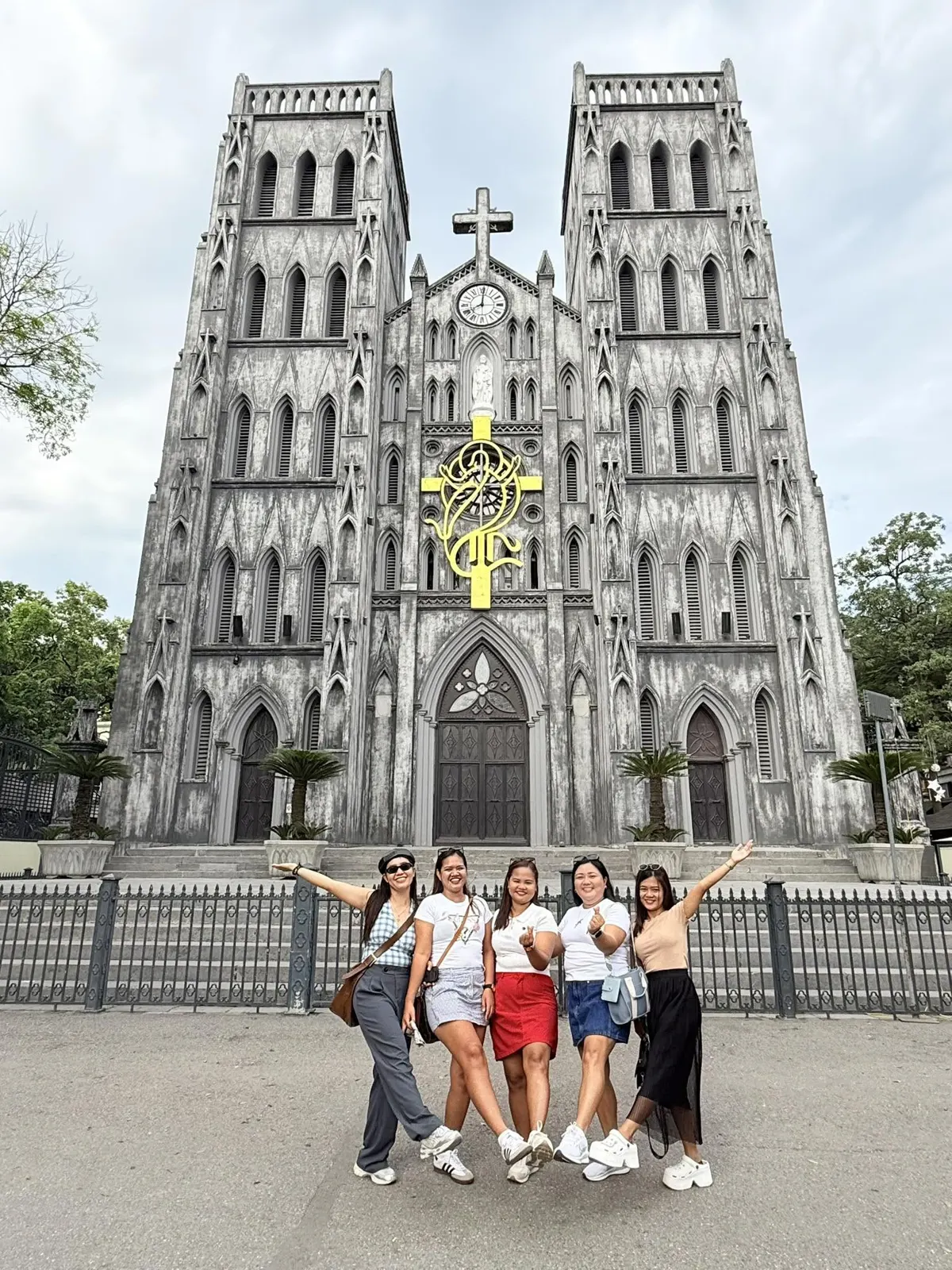
January in Hanoi presents the city's coolest weather of the year, offering mild days and crisp evenings with minimal rainfall. This period is particularly suitable for exploring Hanoi's cultural landscape, especially as the city prepares for the significant Lunar New Year celebrations and various traditional festivals. From serene temple visits to lively cultural events, January provides a rich and engaging experience for those visiting the Vietnamese capital.
Understanding January Weather in Hanoi
Hanoi's January climate is distinctly cooler than other months, providing a pleasant contrast to the region's typical tropical warmth. Daytime temperatures generally reach approximately 20.7 °C (69 °F), while nighttime lows can drop to around 14.4 °C (57.9 °F). The overall average temperature for the month hovers between 17 °C and 18 °C (63-65 °F), creating comfortable conditions for outdoor exploration without the intense heat or high humidity often found at other times of the year. Mornings and evenings have a noticeable chill, suggesting that light jackets or layered clothing are advisable. This cooler air contributes to a cozy and festive atmosphere throughout Hanoi's streets and markets.
Rainfall during January is quite low, with the city typically receiving only about 17 to 20 mm of precipitation over the entire month. While there might be 10 to 11 days with some rain, these are usually light and brief, often manifesting as mist or drizzle rather than heavy downpours. This limited precipitation allows visitors to navigate Hanoi comfortably on foot without constant need for an umbrella. Although some mornings might feel damp, afternoons frequently clear up. Compared to the wetter summer months, January stands out as one of the driest periods, making it favorable for sightseeing, photography, and participating in outdoor cultural activities.
Humidity levels in Hanoi during January average around 73%, fluctuating between 68% and 80%. Despite these figures, the cooler temperatures prevent the humidity from feeling as oppressive as it does in warmer seasons. Most visitors find the air agreeable, particularly during midday when humidity tends to decrease slightly. Indoor areas and shops are typically well-ventilated, and air conditioning is rarely necessary. The combination of cool air and moderate humidity creates an inviting environment for walking tours and market visits. However, evenings can feel somewhat damp, so dressing in layers helps maintain comfort.
The UV index in Hanoi during January is typically moderate, reaching about level 5. This indicates a mild risk of sun exposure, particularly during peak midday hours, so applying sunscreen and wearing light sun protection is recommended. Air quality, however, can occasionally be hazy due to winter temperature inversions, where colder air traps pollutants closer to the ground. This might affect individuals with respiratory sensitivities. While generally not a major concern for most travelers, wearing a mask or limiting prolonged outdoor exposure during particularly hazy mornings can be helpful. Overall, both UV and air conditions are manageable and typically do not significantly impact travel plans.
Why January is an Excellent Time to Visit Hanoi
January is widely considered a prime month for visiting Hanoi due to its agreeable, dry weather, which is ideal for exploring the city on foot. The air is cool without being excessively cold, and humidity levels are reduced, making it one of the most comfortable periods for sightseeing. The city comes alive with a unique energy as it prepares for Tet (Lunar New Year), with colorful markets, festive decorations, and traditional temple rituals adding to its cultural allure. While certain attractions and businesses may observe closures during the holiday itself, visitors can gain a deeper understanding of Vietnamese traditions during this time. Overall, January offers a pleasant climate and rich cultural experiences for curious travelers.
The period leading up to Tet transforms Hanoi into a spectacle of preparations. Streets are adorned with festive lights and banners, and markets become especially lively with people purchasing goods for the holiday. This offers a unique opportunity to witness local customs and traditions firsthand. The cooler weather also enhances the experience of enjoying Hanoi's famous street food, as warm dishes are particularly comforting in the crisp air.
Major Festivals and Cultural Events in January
January in Hanoi is often synonymous with the preparations and sometimes the celebration of Tet Nguyen Dan, the Vietnamese Lunar New Year, alongside several other significant traditional festivals. These events provide deep insights into local culture and history.
Tet Nguyen Dan (Vietnamese Lunar New Year)
Tet is Vietnam's most important and widely observed holiday, marking the arrival of spring and the lunar new year. In Hanoi, the atmosphere becomes electric with vibrant decorations, bustling flower markets, and traditional foods such as Banh Chung and Mut Tet. Celebrations typically include lion dances, family gatherings, fireworks, and various festive events throughout the city. This holiday, which can occur in either January or February, celebrates the lunar calendar's new year and is a time for expressing respect for ancestors and reuniting with family. The festivities usually span from three days to a full week.
Le Hoi Go Dong Da
This festival, held on the 5th day of the first lunar month, commemorates Emperor Quang Trung's historic victory over Qing invaders. The event features energetic parades, historical reenactments, martial arts demonstrations, and traditional folk performances. It takes place at Dong Da Park, becoming a focal point of patriotic spirit and cultural pride.
Le Hoi Co Loa
Celebrated from the 6th to the 18th day of the lunar month, this festival honors King An Duong Vuong and the ancient Co Loa Citadel. It includes traditional processions, offerings at the temple, and folk games that recall the legend of the magical crossbow. The event draws thousands to the historic Co Loa site, situated just outside Hanoi.
Hoi Lang Khe Thuong
Taking place from the 3rd to the 7th day of the lunar new year, this local village festival showcases charming community traditions. Residents gather for ritual ceremonies, folk games, and cultural performances unique to the area, offering an authentic glimpse into rural Hanoi's festive life.
| Festival Name | Lunar Date (Approx. Gregorian) | Location | Primary Focus |
|---|---|---|---|
| Tet Nguyen Dan | Late Jan / Early Feb | Throughout Hanoi | Lunar New Year, family, ancestors, spring |
| Le Hoi Go Dong Da | 5th day of 1st lunar month | Dong Da Park | Commemoration of Emperor Quang Trung's victory |
| Le Hoi Co Loa | 6th-18th day of 1st lunar month | Co Loa Citadel site | Honoring King An Duong Vuong, ancient legends |
| Hoi Lang Khe Thuong | 3rd-7th day of 1st lunar month | Khe Thuong Village | Local community traditions and rituals |
Recommended Activities for a January Trip
Beyond the festivals, January's pleasant weather makes it ideal for exploring Hanoi's many attractions. Here are some activities to consider:
Experience Vietnamese New Year Celebrations
If the Vietnamese Lunar New Year falls in January, visitors can join local celebrations filled with food, traditional performances, and family gatherings. People visit pagodas and temples to wish for good fortune and health in the coming year. Many locations host activities such as lion dances, traditional ceremonies, and carnival games, making it a truly special time to be in the city.
Explore Duong Lam Ancient Village
Located approximately 50 kilometers northwest of central Hanoi, a drive of about 1 hour and 30 minutes, Duong Lam is a UNESCO-recognized village. It serves as a haven for those interested in traditional architecture and street photography. The village is notable for its 300-year-old houses, grand communal halls, pagodas, original fishbone brick roads, and ancient banyan trees, providing a peaceful escape from the urban environment of Hanoi. Visitors can wander through narrow alleys, tour historical homes, or cycle through the village and surrounding green rice fields.
Shop in Local Markets
As the Lunar New Year approaches, Hanoi's markets become exceptionally lively, filled with color, tradition, and energy. Markets like Dong Xuan and Quang Ba (a famous flower market) are bustling with locals buying festive items such as kumquat trees, peach blossoms, red envelopes, and Mut Tet (candied fruits). Stalls overflow with calligraphy scrolls, silk clothing, and local snacks, making them excellent places to find unique purchases and souvenirs. Bargaining is a common practice and adds to the experience, with the atmosphere charged with anticipation. January's market scene offers a cultural immersion that extends beyond mere shopping, connecting visitors with local life and seasonal traditions.
Visit Tran Quoc Pagoda
Hanoi is home to numerous pagodas, and Tran Quoc Pagoda stands out as one of the most captivating. This pagoda, considered a cultural landmark by residents, is situated on an island in the southeastern part of West Lake. As the oldest pagoda in the city, it offers insights into Buddhist religion through its architecture, engravings, sculptures, and artifacts. Visiting Tran Quoc Pagoda in January allows visitors to appreciate its beauty, often enhanced by colorful flowers and kumquat trees during the festive season.
Seasonal Culinary Delights in Hanoi
In Hanoi's cooler January weather, warming dishes become particularly appealing. These seasonal favorites are rich in flavor and tradition, offering a true taste of local cuisine.
- Lau rieu cua: This savory crab noodle hot pot is a winter favorite in Hanoi, providing comfort on chilly January evenings. It is typically shared among friends or family, featuring a bubbling broth with crab paste, tomatoes, tofu, and fresh greens.
- Thit nuong: Charcoal-grilled pork skewers are a popular street food, best enjoyed hot in the crisp winter air. The smoky aroma fills Hanoi's alleys, attracting both locals and visitors for a flavorful bite.
- Mut Tet: These colorful candied fruits and roots are traditional Tet treats, sold in abundance at local markets as the holiday approaches. Varieties range from ginger to coconut and tamarind, offering a sweet way to welcome the new year.
- Banh Chung: A significant symbol of Lunar New Year, Banh Chung is a square sticky rice cake filled with mung beans and fatty pork, wrapped in green dong leaves. It is a hearty and nostalgic dish found on every family's altar and dining table during Tet.
- Canh mang: This savory bamboo shoot soup, often prepared with pork ribs, is a warming winter dish traditionally served during family gatherings. Its earthy flavor and robust broth make it a comforting addition to any January meal.
Practical Advice for Travelers in January
Traveling to Hanoi in January involves navigating cooler temperatures and pre-Tet activity. Here are some tips to enhance your trip:
- Dress in Layers: January in Hanoi is generally cool and dry, but temperatures can fluctuate. It is wise to pack a combination of light layers: a few short-sleeved shirts, a thin sweater, and a light jacket should suffice for most conditions. Locals also tend to dress in layers, especially during early mornings and late evenings.
- Enjoy Street Food Fresh: Hanoi's winter specialties, such as crab noodle soup or grilled pork skewers, are most enjoyable when consumed hot and fresh. It is recommended to eat directly at the vendor's stall or a roadside eatery rather than opting for takeout.
- Navigate Traffic Wisely: As Tet approaches, traffic during business hours can become particularly heavy, especially around markets and major thoroughfares. To avoid congestion, consider traveling early in the morning or later in the evening. When possible, using motorbike ride-hailing services like Grab can be more efficient, as bikes can maneuver through traffic more easily than cars.
- Photography Opportunities: January offers a charming perspective of Hanoi for photography enthusiasts. Head to local flower markets like Quang Ba, traditional Tet markets in the Old Quarter, or visit temples and pagodas where festive decorations are being installed in preparation for the New Year.
- Carry an Umbrella: While January weather is mostly dry, occasional drizzles can occur. A compact umbrella can be a useful item to have on hand.
Frequently Asked Questions
Is January a cold month in Hanoi?
January in Hanoi is cool rather than freezing, with average daytime highs around 20 °C and lows near 14 °C. On some nights, temperatures might drop closer to 10 °C, so wearing layers is recommended for comfort.
Is January a good time to walk around Hanoi's Old Quarter?
Yes, January offers mild, pleasant weather and generally fewer international tourists compared to peak seasons, making it an ideal time for walking tours. The cool air and festive atmosphere, especially during Tet preparations, enhance the experience.
Does Hanoi experience snow or frost in January?
No, Hanoi does not typically experience snow or frost in January. However, some northern mountainous regions of Vietnam, such as Sapa, may occasionally see frost or even light snow at higher elevations. For those interested in such conditions, exploring Mount Fansipan's summit in Sapa might offer a different climate experience.
Is January a busy tourist season in Hanoi?
Yes, January can be a busy tourist season in Hanoi, particularly in the weeks leading up to Tet (Vietnamese Lunar New Year), as both local and international visitors flock to markets and festivals. Booking accommodations and tours well in advance is highly advisable during this period.
What are the typical opening hours for banks in Hanoi during January?
While specific holiday hours for Tet can vary, most banks in Hanoi generally operate from Monday to Friday, typically from 8:00 AM to 5:00 PM. It is always recommended to verify current operating hours, especially around the Lunar New Year period, as some branches may have reduced hours or closures. For detailed information on financial services, travelers can consult a guide to banking services in Hanoi.








