
Hoi An, a historic port town in central Vietnam, offers visitors a unique blend of cultural heritage and scenic beauty. Recognized as a UNESCO World Cultural Heritage site, this destination is celebrated for its well-preserved architecture, pedestrian-friendly streets, and deep historical roots. Travelers seeking to understand Vietnam's past while enjoying contemporary experiences will find numerous activities to fill their itinerary.
Hoi An's Historical Significance and Global Connections
Hoi An's renown extends beyond its visual appeal; the town holds a significant place in Southeast Asian history as a former trading hub. Archaeological findings indicate that commerce flourished in this region as early as the second century BC. During the Cham Dynasties, spanning the 7th to 10th centuries, Hoi An developed into an economic center, facilitating trade among merchants from various parts of Asia, Persia, and Arabia.
The town's importance further escalated with the establishment of the maritime Silk Road, attracting European ships to its port from the 15th through the 19th centuries. This period solidified Hoi An's status as a major regional trading post, where not only goods were exchanged but also diverse ideas and cultures converged. Today, while tourism forms the primary economic activity, the town's rich historical narrative is evident in its preserved urban landscape, showcasing influences from numerous eras and civilizations. Its traditional shop-houses continue a legacy of trade, particularly for silk and other valuable commodities.
Experiencing Hoi An's Iconic Lanterns and River Journeys
Lanterns serve as a prominent symbol of Hoi An, a tradition introduced centuries ago by Chinese and Japanese traders. These decorative lights are crafted and displayed throughout the town, creating a distinctive ambiance. For visitors aiming to witness this spectacle at its most impressive, planning a trip during the lantern festival is recommended. This event occurs on the 14th day of each lunar month, coinciding with the full moon.
During the festival evenings, the town intentionally reduces its electric lighting, allowing the candle-lit lanterns to become the main attraction. Many visitors gather by the river to observe lanterns released onto the water, a practice believed to bring good fortune. Alternatively, one can board a boat to float a lantern and make a personal wish. The most elaborate celebration of the year takes place during the first festival of the Lunar New Year.
Given its location on an estuary, traditional boats are another characteristic feature of Hoi An. The river, historically vital for generations of trade, continues to support local livelihoods. A boat excursion provides a pleasant and calming perspective of the town from its waterways. Popular options include sunset cruises on sampans, which are readily available along the riverside. For those who prefer early mornings, a sunrise tour of the local fish market offers an opportunity to observe fishermen returning with their catch and assist with offloading before sales begin. A unique local experience involves navigating the circular bamboo boats, indigenous to Vietnam. These require balance and a steady posture, and participants should be prepared for the possibility of getting wet.
Walking Through Hoi An's Ancient Quarter
An unhurried walk through Hoi An's ancient quarter reveals a wealth of historical buildings and a fusion of European and Asian architectural styles. The original street layout has been maintained, and a significant number of the town's structures—844 out of 1107—are designated on the UNESCO World Heritage list. This makes exploring the streets of Hoi An akin to moving through a living historical exhibition.
Visitors should allocate ample time to pause for a traditional Vietnamese iced coffee, explore art galleries, or browse for souvenirs. To gain access to several of Hoi An’s significant heritage buildings, an Old Town Ticket can be purchased at the entrance to the ancient district. This ticket typically grants entry to five specific sites, contributing to the preservation of these historical assets.
Craftsmanship and Tailoring: Silk and Custom Garments
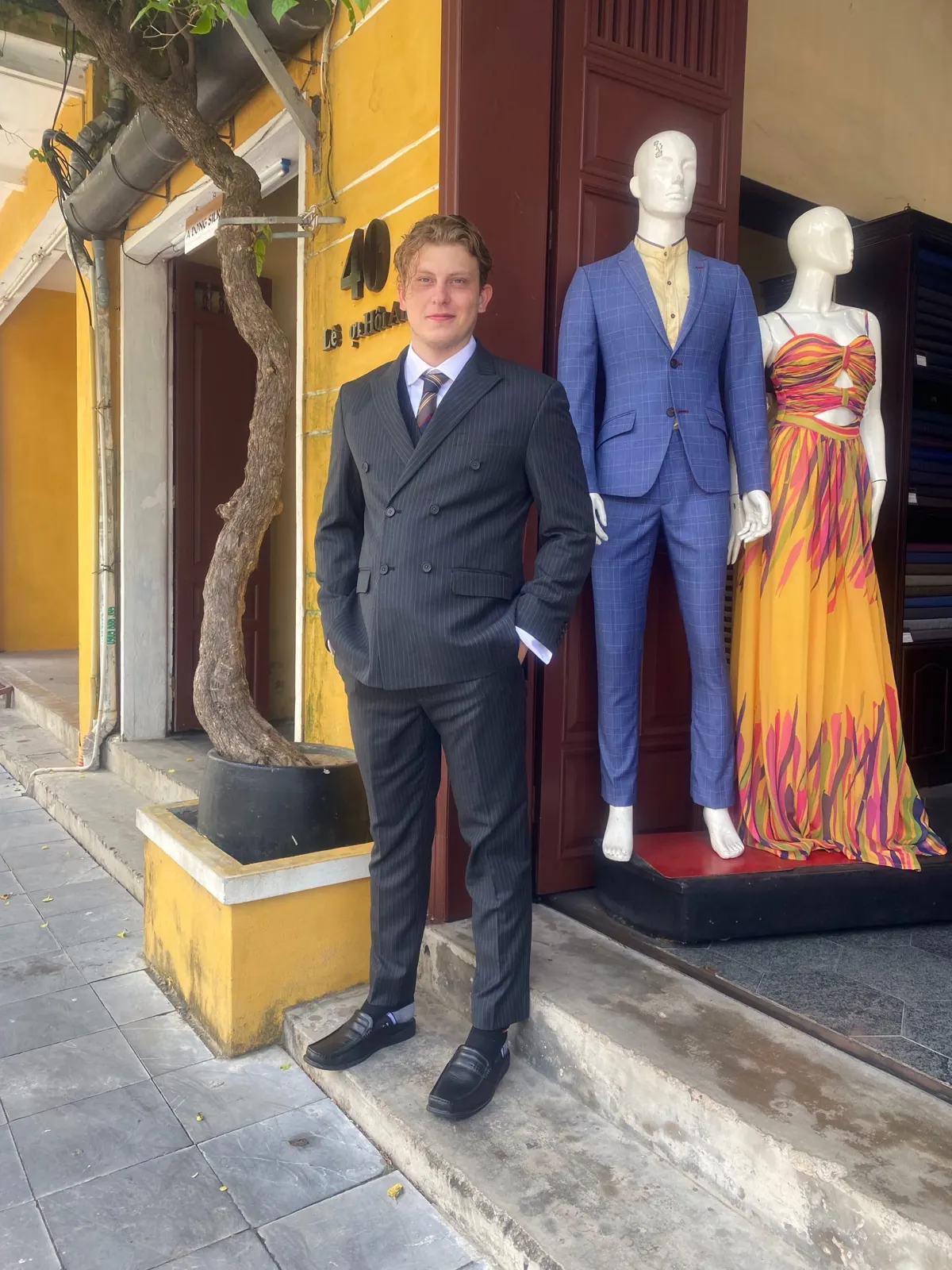
Fabric, particularly silk, is deeply integrated into Hoi An's history. During the era of the Silk Road, silk functioned as a form of currency. Over time, numerous families established businesses selling textiles or creating clothing. Today, Hoi An is a favored destination for travelers seeking high-quality, custom-made items.
For an engaging experience, the Hoi An Cloth Market presents over 50 stalls displaying a wide array of fabrics and colors. Sellers actively encourage passers-by to examine their goods. This environment can be quite stimulating, so it is advisable to approach with a clear mind and be ready to practice bargaining skills. For a more relaxed shopping experience, visitors can explore the town's many tailor shops. These establishments typically include the cost of fabric in their pricing, removing the need for customers to source materials independently. Those specifically interested in silk products can visit the Hoi An Silk Village. It is recommended to place custom orders early in a trip to allow tailors sufficient time for garment creation.
Exploring Hoi An's Historical Landmarks and Museums
The Japanese Covered Bridge stands as a significant landmark in Hoi An, constructed around 1593. Its creation was intended to connect the Japanese community's neighborhood with the Chinese quarter, reflecting the diverse merchant settlements of the 15th century that included Dutch and Portuguese traders. Local lore also suggests the bridge was built to pacify Namazu, a mythical Japanese catfish believed to cause earthquakes. The bridge has endured for centuries and is featured on Vietnam's 20,000 VND banknote, underscoring its cultural importance. An Old Town Ticket provides access to the temple located inside the bridge, with proceeds supporting its ongoing preservation.
The ancient quarter also hosts a variety of museums that offer detailed perspectives on the town's narrative.
| Museum Name | Focus/Highlights |
|---|---|
| Museum of History and Culture | Comprehensive overview of Hoi An's past, with artifacts spanning approximately 2,000 years. |
| Museum of Folklore | Exhibits traditional crafts and often includes cultural performances. |
| Museum of Sa Huỳnh Culture | Provides insights into the ancient Sa Huỳnh period. |
| Museum of Trade Ceramics | Showcases pottery and ceramic collections. |
| Tan Ky Old House | An 18th-century merchant's home, built in 1741, demonstrating Asian architecture and Oriental philosophy. Home to seven generations of a Vietnamese family. Features a notable "One Hundred Birds" lacquered board, where each written stroke forms an image of a bird. |
Coastal Escapes: Beaches Near Hoi An and Island Adventures
For those seeking a change of pace from cultural exploration, several beaches are located less than 10 kilometers from Hoi An. Some visitors choose to stay at beachside resorts and make day trips into the ancient town. An Bang Beach is the closest and most frequented option, offering sun loungers, umbrellas, and various water sports such as parasailing, jet skis, and stand-up paddleboarding. Numerous bars and restaurants provide food and refreshments.
Cua Dai Beach, known for hosting most of the area's resorts, has experienced some erosion, resulting in a narrower beachfront. Despite this, it remains a favored spot among local residents. Situated between An Bang and Cua Dai, Hidden Beach offers a quieter alternative, complete with a spa and restaurant for relaxation. When planning beach visits, it is common practice among locals to avoid the intense midday sun; mornings are typically calm, while late afternoons and early evenings may see more activity.
Further afield, the Cham Islands present an opportunity for an extended excursion. This archipelago, known as Cu Lao Cham Marine Park, is a UNESCO Biosphere Reserve comprising eight islands situated 15 kilometers off the coast of Hoi An. Day-trippers often visit for activities like snorkeling, diving, or enjoying one of the eight available beaches. For a deeper appreciation of the islands' peaceful atmosphere, an overnight stay is recommended. This allows sufficient time to explore locations such as the tranquil Bai Huong fishing village or various island monuments. Speedboats offer the quickest route to the islands, while ferries provide a more unhurried and authentic travel experience. For broader insights into travel seasons across Vietnam, consider reviewing a guide to regional weather patterns. Additionally, for those interested in other marine reserves, information on Cu Lao Cau Island is available.
Frequently Asked Questions
What is the best time to visit Hoi An for the Lantern Festival?
The Hoi An Lantern Festival takes place on the 14th day of every lunar month, when the moon is full. For the most significant celebration, visitors should aim to attend the first festival of the Lunar New Year.
How can I access Hoi An's heritage buildings?
An Old Town Ticket, available for purchase at the entrance to the ancient quarter, grants entry into five of Hoi An’s heritage buildings. The revenue from these ticket sales supports the preservation efforts for these historical sites.
What types of boat tours are available in Hoi An?
Visitors can choose from various boat tours, including sunset cruises on sampans along the river, sunrise tours to the local fish market on traditional wooden boats, and unique rides in circular bamboo boats. Each offers a different perspective on Hoi An's waterways and local life.
What makes Tan Ky Old House significant?
Tan Ky Old House, built in 1741, is an exemplary 18th-century merchant's residence that has housed seven generations of a Vietnamese family. It showcases a blend of Asian architectural styles and Oriental philosophy, notably featuring a "One Hundred Birds" lacquered board where each written stroke depicts a bird in flight.
Are there beaches close to Hoi An for relaxation?
Yes, several beaches are located within 10 kilometers of Hoi An. An Bang Beach is the most popular and closest, offering amenities and water sports. Cua Dai Beach hosts many resorts, while Hidden Beach provides a quieter alternative between the two.








