
For travelers considering a visit to Vietnam, the period from November through April generally offers the most favorable weather conditions across the country. However, Vietnam's elongated geography means its climate varies considerably by region. Understanding these distinct seasonal patterns is key to selecting the optimal time for your specific travel plans and desired activities.
Understanding Vietnam's Diverse Climate Zones
Vietnam's climate is characterized by significant regional differences, primarily divided into Northern, Central, and Southern zones. Each area experiences unique weather patterns throughout the year, influenced by monsoons and geographical features. This climatic diversity means that while one region might be experiencing its dry, pleasant season, another could be in the midst of heavy rainfall or high temperatures.
The northern part of the country, including Hanoi and the mountainous areas, observes four distinct seasons. Central Vietnam, encompassing coastal cities and highlands, typically has a hot dry season and a rainy, storm-prone period. The southern region, including Ho Chi Minh City and the Mekong Delta, experiences a more straightforward division into dry and wet seasons, maintaining consistently warm temperatures. Planning your journey with these regional variations in mind will help align your visit with the most suitable conditions for exploration.
Optimal Seasons for Northern Vietnam Exploration
The most agreeable period to explore Northern Vietnam extends from October to April. During these months, the weather is generally cool and comfortable, providing excellent conditions for sightseeing and outdoor pursuits. While temperatures can drop, particularly in the mountainous areas during winter, this coolness often enhances the charm of the landscape. This timeframe also coincides with various cultural celebrations towards the end of the year, offering opportunities to engage with local traditions.
Visiting Northern Vietnam during this cooler stretch can also mean fewer domestic tourists and potentially more competitive pricing for accommodations and services. The region experiences four distinct seasons. Spring, from February to April, brings mild weather with light breezes and occasional rain, suitable for outdoor activities and flower displays. Summer, from May to August, is typically hot, humid, and features substantial rainfall, making it a time when some travelers prefer coastal or highland escapes. Autumn, from September to November, offers cool and pleasant conditions with reduced precipitation, ideal for historical site visits. Winter, from December to January, is characterized by cold and dry weather, particularly in the northern highlands, appealing to those who appreciate cooler climates. The period from May to October generally sees higher temperatures and significant rainfall, while November to April is notably cooler and drier. October to April is also considered prime for viewing the terraced rice fields.
- Key Destinations in Northern Vietnam:
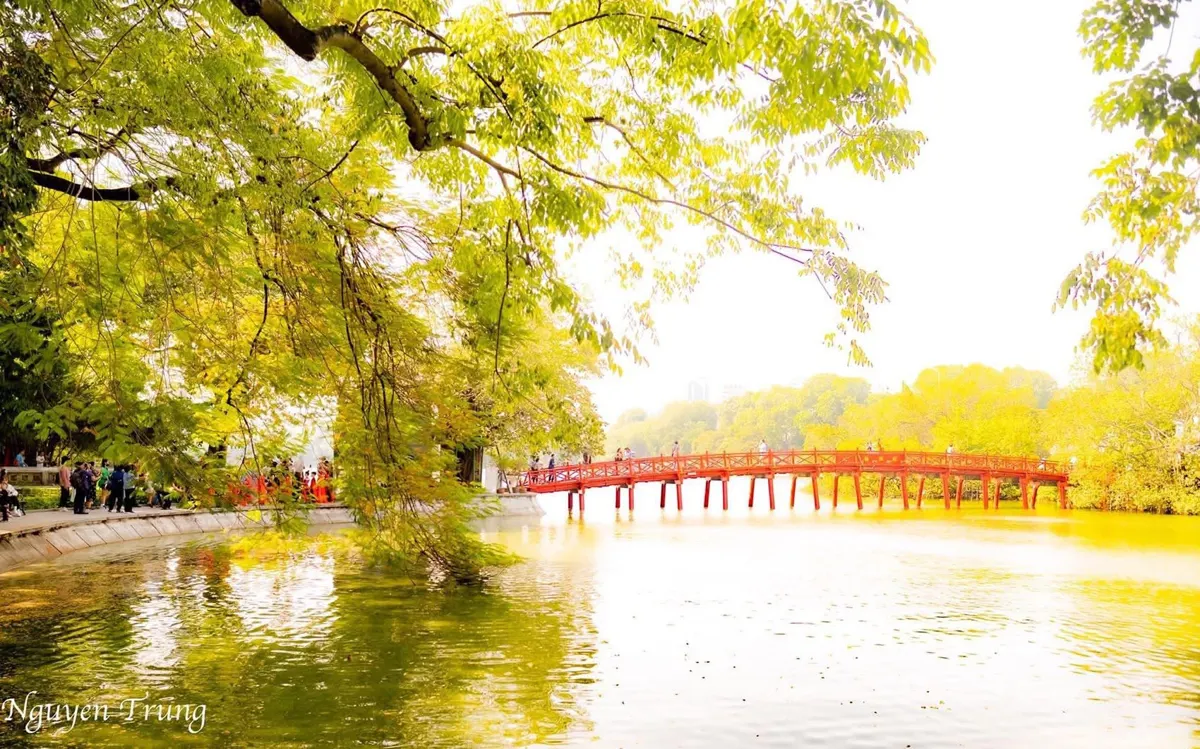
- Hanoi: The nation's capital offers a rich historical and cultural experience. Cooler months are ideal for walks around Hoan Kiem Lake, exploring the Old Quarter, and sampling local cuisine.
- Halong Bay: This UNESCO World Heritage site is suitable for cruises throughout most of the year, though visitors typically avoid the typhoon season from July to August. For serene coastal experiences, consider exploring Halong Bay's best beaches.
- Sapa, Ha Giang, Mai Chau: These mountainous areas in the north experience cooler conditions, especially in winter. They are well-suited for trekking, engaging with local ethnic communities, and enjoying expansive views of terraced rice paddies. For those planning an ascent, exploring Fansipan by cable car offers a unique perspective.
Optimal Seasons for Central Vietnam Exploration
Central Vietnam is best visited from January to August. These months typically provide stable, dry, and comfortable weather, making them ideal for beach activities and relaxation. The region's tropical monsoon climate generally results in warm temperatures throughout the year.
The central area observes two main seasons: a dry period and a rainy period. The hot season runs from January to August, with average temperatures often reaching the mid-30s°C. Conversely, the months from September to November receive the highest rainfall, frequently leading to intense storms and localized flooding. Average precipitation during this time ranges from 300 to 700 mm, with temperatures between 22°C and 28°C. It is generally recommended to avoid travel to Central Vietnam during this latter period due to the increased risk of severe weather. The January to August timeframe offers mild and dry conditions, particularly appealing for those seeking coastal leisure.
- Key Destinations in Central Vietnam:
- Hoi An, Da Nang, and Hue: From January to August, these cities enjoy warm, dry weather, perfect for beach visits and exploring cultural landmarks. Hoi An is known for its lantern-lit streets, Da Nang features beaches like My Khe, and Hue boasts a rich imperial past with its Citadel.
- Da Lat: This highland city maintains a consistently cool, mild climate year-round, making it suitable for hiking, visiting flower gardens, and enjoying outdoor pursuits during the dry season.
- Nha Trang and Mui Ne: These coastal destinations experience clear skies and warm temperatures from January to August, making them excellent for water sports, beach relaxation, and luxury resorts. Nha Trang is recognized for snorkeling, while Mui Ne offers unique experiences such as exploring its sand dunes.
Important Note: From August to December, Central Vietnam is susceptible to unpredictable storms and heavy rainfall, which can disrupt outdoor activities. Travelers should consider avoiding this period due to the potential for adverse weather.
Optimal Seasons for Southern Vietnam Exploration
The most favorable time to visit Southern Vietnam is from November to April. This period is considered ideal due to its pleasant, dry weather, which facilitates comfortable travel and outdoor activities without the concern of sudden rain showers. Visitors can freely explore urban areas and engage in adventures across the region.
Southern Vietnam experiences two primary seasons: a dry season and a wet season, with consistently warm temperatures throughout the year. The dry season spans from November to April, with average temperatures typically ranging from 26°C to 38°C. The wet season occurs from May to October, with the highest rainfall concentrated between June and August. During this period, average temperatures remain between 22°C and 28°C. It is particularly advisable to avoid the peak rainy season, from June to August, as heavy precipitation can lead to urban flooding, especially in Ho Chi Minh City. The dry season, from November to April, is perfect for river excursions in the Mekong Delta.
- Key Destinations in Southern Vietnam:
- Mekong Delta: During the dry season, the warm and sunny weather creates optimal conditions for boat tours, visiting floating markets, and exploring the fertile river landscapes.
- Ho Chi Minh City: The dry season provides excellent weather for sightseeing, allowing visitors to comfortably explore significant attractions such as the War Remnants Museum, Ben Thanh Market, and the Cu Chi Tunnels.
Major Festivals and Cultural Events
Vietnam is known for its lively festivals, making specific times of the year particularly appealing for those wishing to experience local culture and traditions. These events offer a deeper understanding of the country's heritage.
| Festival | Typical Month(s) | Regional Weather Conditions |
|---|---|---|
| Tet Holiday (Lunar New Year) | January - February (Varies) | Cool in the North (sometimes cold); Mild and dry in Central and South. |
| Perfume Pagoda Festival | February - March | Cool in the North; Mild and dry in Central and South. |
| Hung Kings' Festival | April (10th day of 3rd lunar month) | Warm, mild weather across the country. |
| Reunification Day & Labor Day | April 30th - May 1st | Hot and dry in the South; Mild in the Central; Warm in the North. |
| Buddha’s Birthday | April - May (8th day of 4th lunar month) | Warm and dry in the South; Cooler in the North; Occasional rain. |
| Wandering Souls Day (Vu Lan Festival) | August (15th day of 7th lunar month) | Hot and rainy in the South and Central; Warm in the North. |
| Mid-Autumn Festival | September - October (15th day of 8th lunar month) | Cooler temperatures in the North; Rainy season in the Central and South. |
| National Day | September 2nd | Hot, rainy season across the country, especially in the Central and South. |
| Ooc Om Boc Festival (Khmer Festival) | November | Cool in the North; Dry and warm in the South; Mild in the Central. |
Late January to early February is often considered the prime time for experiencing Vietnamese festivals, as it includes Tet Nguyen Dan, the most significant and celebratory event in the country. During this period, visitors can witness a range of cultural activities, family gatherings, and traditional ceremonies.
Monthly Weather Overview for Vietnam
To assist with travel planning, the following table provides a general overview of weather conditions and recommended destinations across Vietnam for each month. This summary highlights the diverse climate experiences available throughout the year.
| Month | General Weather Conditions | Recommended Destinations |
|---|---|---|
| January | Cool in the North; Dry and mild in Central and South. | Hanoi, Hoi An, Ho Chi Minh City |
| February | North is cool and gradually warming; Central remains dry and pleasant; South is warm. | Sapa, Nha Trang, Phu Quoc |
| March | Mild weather in the North; Sunny and dry in Central and Southern Vietnam. | Halong Bay, Da Nang, Mekong Delta |
| April | Increasing humidity and warmth in North and Central; Hot in the South. | Hanoi, Hoi An, Phu Quoc |
| May | Hot in the North with occasional rain; Central is at the start of its rainy season; Hot and humid in the South. | Ninh Binh, Hue, Ho Chi Minh City |
| June | Hot and humid in the North and South; Rainy in the Central region. | Sapa, Nha Trang, Mui Ne |
| July | Occasional storms in the North; Rainy in the Central; Hot and humid in South Vietnam. | Hanoi, Con Dao, Ho Chi Minh City |
| August | Continued rain in the North; Possible typhoons in Central; South remains hot and humid. | Halong Bay, Hoi An, Vung Tau |
| September | Cooler; Beginning of autumn in the North and Central; South is in its rainy season. | Hanoi, Ninh Binh, Phu Quoc |
| October | Cool and dry in the North; Rain subsides in the Central; South Vietnam may experience warm conditions. | Sapa, Hoi An, Da Nang |
| November | Dry season commences in the South; Cool in the North; Central Vietnam is cooler and pleasant. | Hanoi, Hue, Ho Chi Minh City |
| December | Cool and dry weather in the North and Central; Warm in the South. | Halong Bay, Sapa, Phu Quoc |
Frequently Asked Questions
What is the most favorable month to travel to Vietnam?
The period from November to April is generally considered the most favorable for visiting Vietnam. During these months, the weather is typically agreeable, with warm and dry conditions in the northern areas, and sunny days with minimal rainfall in the central and southern regions.
When does Vietnam's rainy season typically occur?
Vietnam's rainy season usually spans from June to September. During this time, the southern and central parts of the country experience regular afternoon downpours, while the northern region sees substantial rainfall in July and August.
What is considered the less busy travel period in Vietnam?
The less busy travel period for international visitors in Vietnam typically runs from May to September. This timeframe often brings hot, humid weather and rain across much of the country, leading to fewer tourists and potentially lower travel expenses.
Is it advisable to visit Vietnam during the rainy season?
Yes, traveling to Vietnam during the rainy season can be a viable option, particularly for budget-conscious travelers. While rain is common, it often occurs in brief, intense showers during the afternoons, leaving mornings and evenings suitable for exploration. Additionally, the landscapes appear more verdant, and fewer crowds can offer a more peaceful experience.
Which month in Vietnam is typically the warmest?
June is generally the warmest month in Vietnam, with temperatures frequently exceeding 35°C, especially in the northern and central areas. This marks the peak of summer, accompanied by elevated humidity levels.
When is the best time for families and couples to visit Vietnam?
The ideal time for families and couples to visit Vietnam is from December to February. This period offers cooler weather and a festive atmosphere around Christmas and Tet (Lunar New Year). The mild temperatures make it easier to explore with children.
What are the typically most affordable months for flights to Vietnam?
The most affordable months for flights to Vietnam are usually April and September. During these months, travel demand is lower as they fall between the main tourist seasons, contributing to more competitive airfare prices. For those considering longer journeys, understanding overnight rail journeys in Vietnam can also offer cost-effective travel options.








