
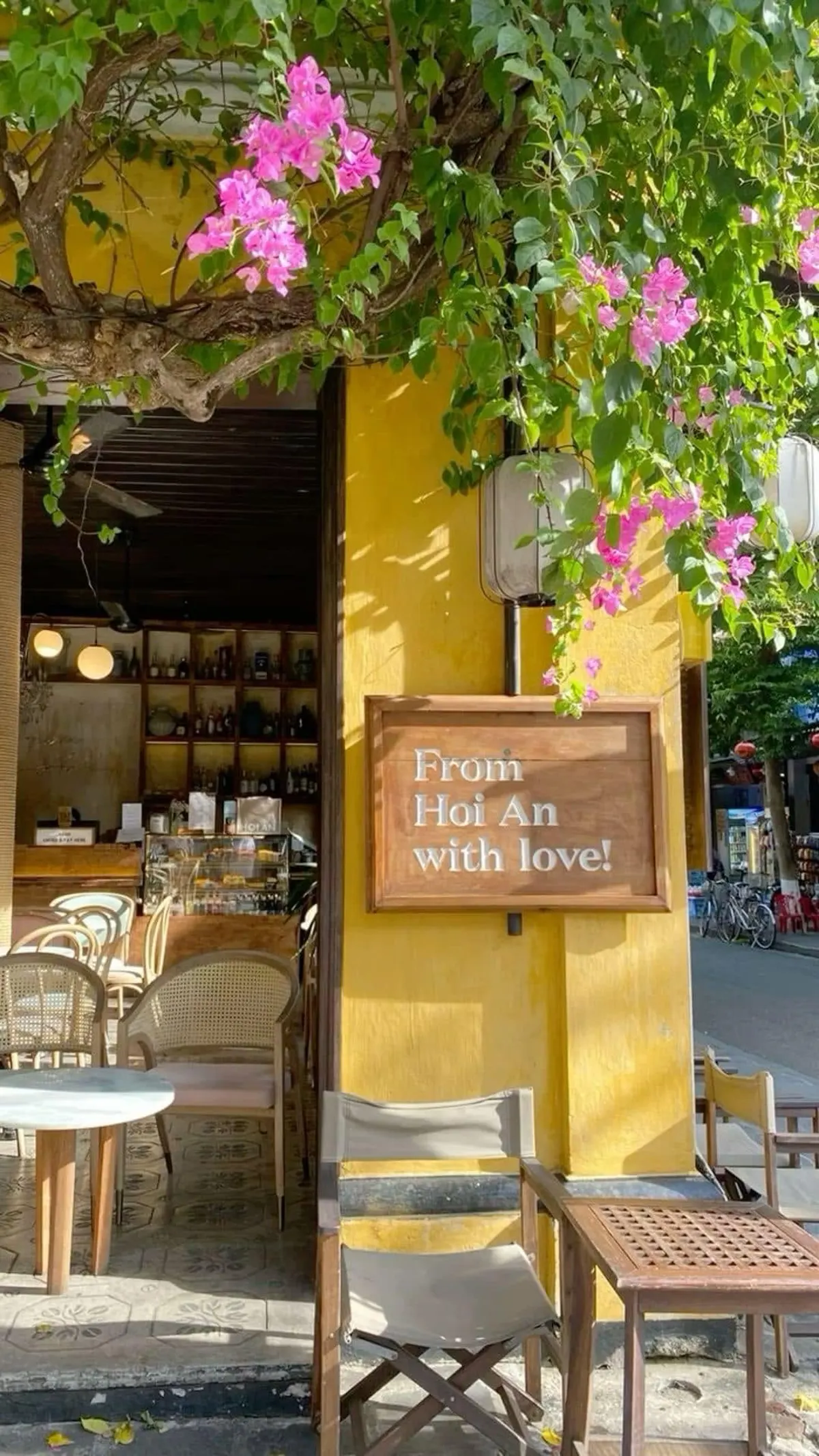
Hoi An tourist attractions concentrate around a well-preserved trading quarter, nearby craft settlements and a stretch of coastline with islands offshore. Visitors can combine heritage sites in the ancient town with day trips to craft villages, coastal beaches and the Cham ruins to form a balanced itinerary.
What Hoi An is and why it matters
Hoi An is a coastal town in central Vietnam whose historic core reflects its role as a trading port from the 16th to 18th centuries. The area designated as a UNESCO World Heritage site includes the riverside Old Town, where street patterns and buildings show Chinese, Japanese and later European influences.
The town is also known for local dishes associated with central Vietnam, including cao le2u, banh mi variations and mi quang, which many visitors sample while touring the streets and markets. A central day ticket covers access to several attractions inside the Old Town, simplifying visits to temples, assembly halls and some merchant houses.
Key features and highlights: the 12 attractions to consider
This section outlines the principal sites often included on visitor itineraries in and around Hoi An. Each entry notes the type of attraction and practical points drawn from available information.
Hoi An Ancient Town : The compact historic quarter features timber and stucco merchant houses, riverfront streets and ornate assembly halls. A daytime ticket (listed at 120,000 VND in local sources) grants admission to several built heritage sites within the Old Town.
Tan Ky Old House: A multi-generational merchant residence dating to the 18th century, noted for its mixed Japanese, Chinese and Vietnamese architectural details. The house retains original woodwork and imported floor tiles; current visitor information lists no entrance charge.
Chua Ong Pagoda (Quan Cong Temple): A 17th-century temple honoring a historic Chinese general; official listings indicate the temple's access is included in the Old Town daytime ticket.
Phuc Kien Assembly Hall: Founded by settlers from Fujian province, this ornate assembly hall combines prayer spaces and decorative courtyards. It is also covered by the central Old Town ticket.
Japanese Covered Bridge: Constructed by the Japanese trading community, the covered bridge includes a small shrine and remains one of the town's most recognised landmarks; access to the bridge is included in the Old Town ticket.
Thanh Ha Pottery Village: Around 3 km west of the historic core, this centuries-old pottery settlement preserves traditional terracotta production. Visitors can observe shaping and firing techniques, and some workshops offer hands-on sessions; a nominal entrance fee is listed in local sources.
Kim Bong Carpentry Village: Known for woodwork, shipbuilding and architectural carpentry, Kim Bong supplies timber elements for local restoration projects and produces furniture and carved souvenirs. The village is accessible by short boat trips or bicycle paths.
An Bang Beach: About 7 km from the Old Town, An Bang is a sandy coastline lined with restaurants and small resorts; it is a common choice for swimming and paddle sports during calmer months.
Bay Mau Coconut Forest: A wetland area near Cam Thanh where visitors can ride woven basket boats beneath coconut canopies and observe local riverine livelihoods. Small-boat experiences are offered by local operators and are priced per vessel.
My Son Sanctuary: A concentration of Cham temple-towers located roughly 40 km inland from Hoi An, recognised for red-brick architecture and religious carvings tied to the Champa civilisation. Visitor information records an entrance fee for this site.
Tra Que Vegetables Village: A short ride from the Old Town, Tra Que supplies many of the area's herbs and greens. The village is associated with small-scale organic-style cultivation and some operators run short farming demonstrations and cooking classes.
Cham Island (Ce9 Lao Che0m): An archipelago reached by boat from local ports, forming a marine protected zone with beaches, coral and snorkelling opportunities. Travel operators recommend visiting in the local dry season for calmer seas.
Practical tips for visiting Hoi An tourist attractions
Timing and ticketing affect how many sites you can visit in a day. The Old Town daytime ticket covers several indoor monuments and is often the fastest way to access multiple points of interest. For attractions outside the town centre, factor in short ferry or road transfers when building an itinerary.
Weather matters for coastal and island visits. Visitors often choose the drier months for Cham Island and An Bang Beach to reduce the chance of cancellations due to rough seas; sources advise avoiding the stormy season for open-water trips. For more on seasonal conditions you can consult broader regional climate guidance such as the weather and seasons overview.
- Buy the Hoi An daytime ticket if you plan to see multiple indoor sites in the Old Town.
- Arrive early at popular places to avoid peak crowds, especially at the bridge and main assembly halls.
- Bring sun protection for beach days and water excursions; light rain gear is useful in the wet season.
- First-time visitors may find practical packing and visa tips helpful; check a general primer for first-time visitors to Vietnam before travel.
Cultural context and respectful behavior
Many of Hoi An's indoor attractions are active religious or community sites. Visitors should follow local guidance on footwear, modest clothing and photography restrictions when inside pagodas, assembly halls and family houses. Quiet behaviour in sacred spaces is generally expected.
Craft villages and coastal communities maintain livelihoods tied to local resources and traditions. When buying handicrafts or joining demonstrations, consider paying fair prices and enquiring about how items are made. Tour operators and local guides often emphasise sustainable practices for island trips and wetland tours.
Who benefits most from a Hoi An visit
Hoi An suits travellers interested in architecture, light cultural touring and food-focused itineraries. Its compact Old Town allows walkers to visit multiple heritage sites in a short period, while nearby villages and beaches provide options for half-day outings.
Families, small groups and solo travellers who prefer moderate pacing tend to do well here; visitors seeking intensive trekking or high-altitude landscapes should plan additional stops elsewhere in Vietnam. Those with an interest in traditional crafts will find Thanh Ha and Kim Bong particularly relevant.
Comparisons and alternatives
When deciding how many sites to include, balance heritage visits inside the town with at least one excursion beyond the riverside streets. My Son and Cham Island each take a half to full day and offer different experiences: inland ruins versus marine habitats. Craft villages require less travel time and can often be combined with cycling routes.
Travelers short on time often prioritise the Old Town, the Japanese Covered Bridge and one nearby village or beach. Those seeking quieter options may schedule visits to lesser-visited workshops or early-morning trips to Tra Que and Thanh Ha.
| Attraction | Type | Approx. distance from Old Town | Typical entrance fee (VND) |
|---|---|---|---|
| Hoi An Ancient Town | Historic district | Central | 120,000 (day ticket) |
| Tan Ky Old House | Merchant house | Central | Free (listed) |
| Chua Ong Pagoda | Temple | Central | Included in day ticket |
| Phuc Kien Assembly Hall | Assembly hall | Central | Included in day ticket |
| Japanese Covered Bridge | Bridge/shrine | Central | Included in day ticket |
| Thanh Ha Pottery Village | Craft village | ~3 km | 35,000 |
| Kim Bong Carpentry Village | Craft village | Nearby by boat/bike | N/A |
| An Bang Beach | Beach | ~7 km | Free |
| Bay Mau Coconut Forest | Wetland/canoe rides | ~5 km | 150,000 per basket boat (2 people) |
| My Son Sanctuary | Archaeological site | ~40 km | 150,000 |
| Tra Que Vegetables Village | Agricultural village | ~3 km | 10,000 |
| Cham Island | Marine park/islands | ~18 km offshore | N/A |
Frequently Asked Questions
Do I need a ticket for Hoi An Ancient Town?
Yes. A daytime ticket is commonly required to enter several indoor monuments within the Old Town; sources list the ticket price at 120,000 VND. Some outdoor areas and streets are freely accessible.
Which site is best for craft demonstrations?
Thanh Ha and Kim Bong are the primary craft settlements for pottery and carpentry respectively. Visitors report that workshops in these villages still demonstrate traditional techniques and offer small purchases or hands-on sessions.
When is the best time to visit Cham Island?
Boat operators and local guidance recommend the local dry months for island visits, when seas tend to be calmer and snorkelling conditions improve. Avoiding the monsoon period reduces the chance of cancellations.
Can I reach the beaches and villages by bicycle?
Many visitors use bicycles for short trips to nearby villages and the coastline; cycling routes are commonly used to reach Tra Que, Kim Bong and some beach access points, weather permitting.
Are guided tours necessary to see the main sites?
Guided tours are optional. They provide historical context and logistical convenience, especially for My Son or Cham Island excursions, but independent travellers can visit the Old Town and nearby villages on their own.








