
Tet, officially known as Tết Nguyên Đán, stands as Vietnam's most profoundly significant annual observance, deeply influencing the nation's cultural and emotional landscape. This celebration marks the advent of spring according to the lunar calendar, typically occurring between late January and mid-February each year. It signifies a period of renewal, impacting family life, social customs, and the overall rhythm of the country.
The Cultural Significance of Vietnam's Lunar New Year
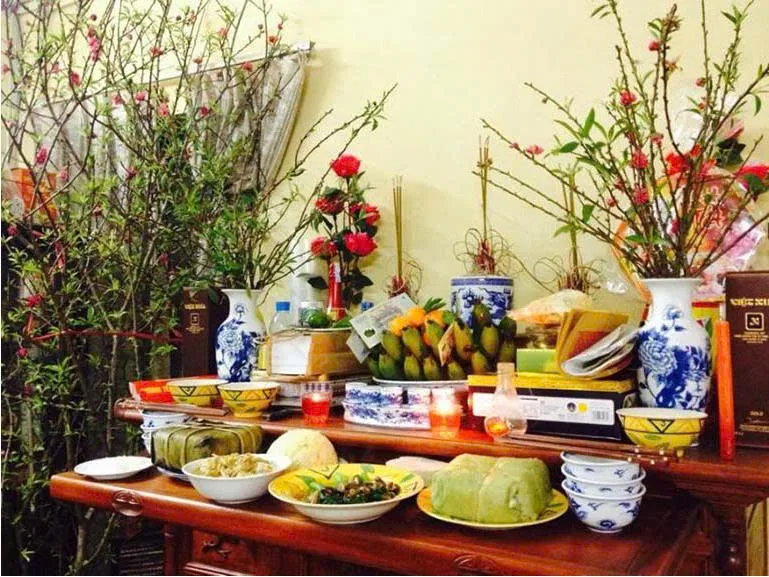
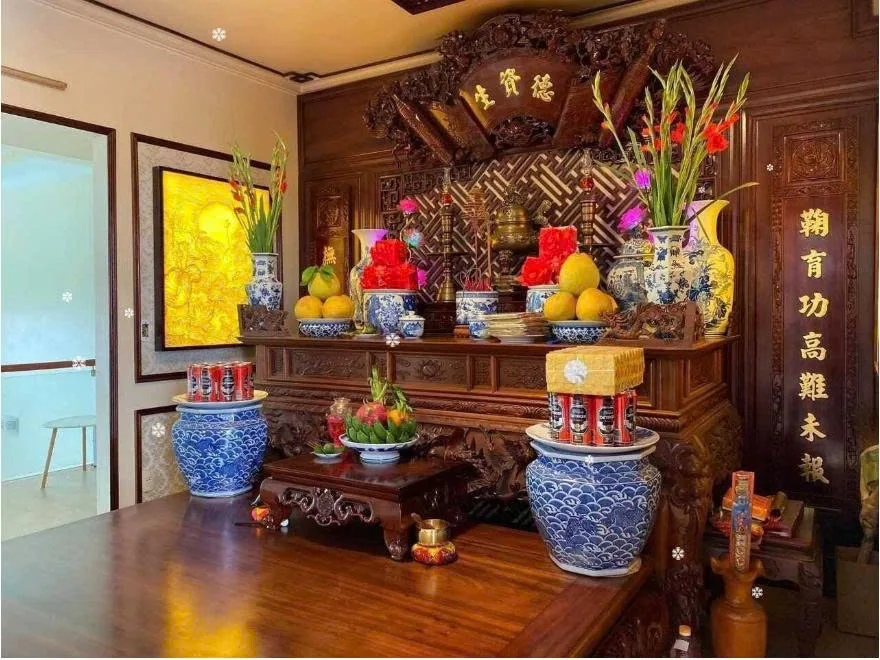
The origins of Tet are rooted in ancient agricultural cycles that guided early Vietnamese communities. Before modern timekeeping, farmers depended on natural cues to determine optimal planting and harvesting times. Tet evolved from this agricultural foundation as a moment to greet the spring season, honor forebears, and express hopes for a prosperous year ahead. Over centuries, Tet incorporated elements from Chinese Confucianism, Taoism, and Buddhism, yet it consistently maintained distinct Vietnamese values, particularly emphasizing familial bonds and respect for elders.
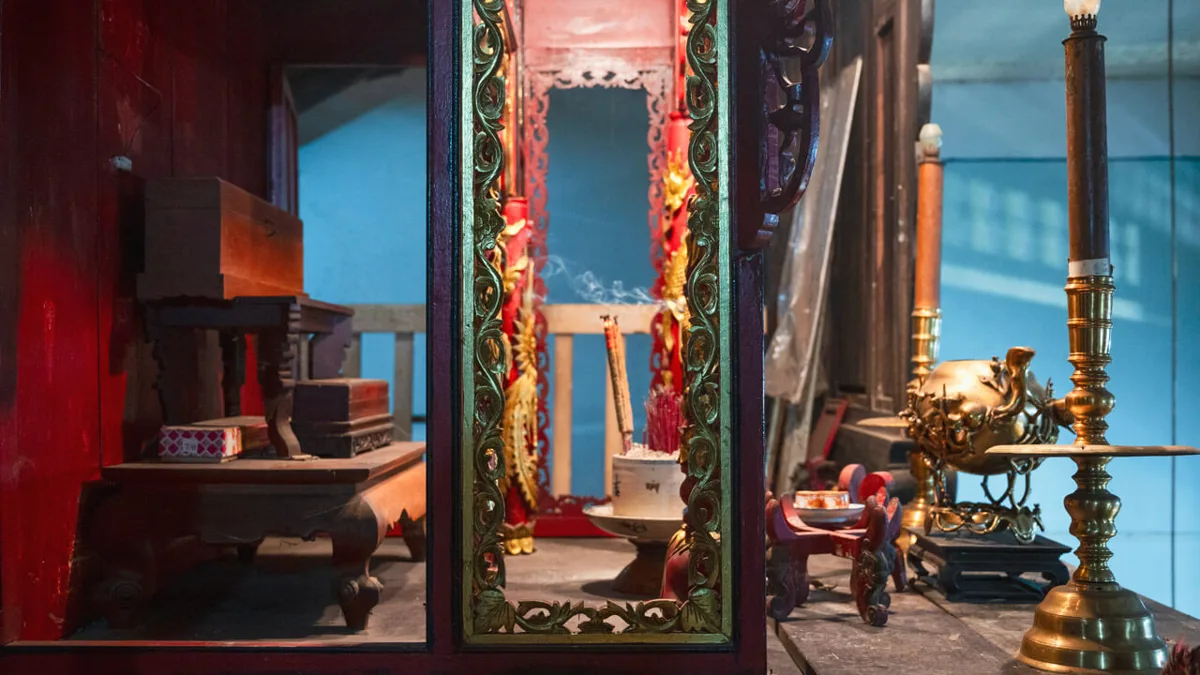
The importance of Tet within Vietnamese society is immense. Many families regard this period as the most sacred time, believing that ancestral spirits return home to partake in the celebrations with living relatives. This conviction transforms residences into spiritual spaces, meticulously cleaned and adorned to welcome these spirits. The act of inviting ancestors reinforces the Vietnamese understanding that identity spans generations, rather than being confined by temporal limits. Ancestral altars frequently serve as central points in many homes, bridging the past and the present. The cultural weight of Tet also lies in the concept of a "fresh start." Vietnamese people hold the belief that the initial days of the new year establish the tone for the entire year. Consequently, individuals act with heightened consideration, speak kindly, avoid disagreements, and demonstrate generosity. Homes must be thoroughly cleaned before Tet commences, as cleaning during the holiday is thought to remove good fortune. New attire symbolizes renewal, and carefully selected foods represent prosperity, health, and contentment. Beyond spiritual and family values, Tet has historically fostered community ties. Traditional village festivities often coincided with Tet, featuring games, markets, lion dances, and shared meals that brought residents together. These communal gatherings helped solidify cultural identity, transmit customs, and sustain social cohesion. Even in contemporary urban settings, this sense of community persists as neighborhoods arrange celebrations and families visit one another to exchange greetings and well wishes. For a deeper understanding of the nation's heritage, consider exploring an overview of Vietnamese culture.
Preparing for Tet: A Countrywide Transformation
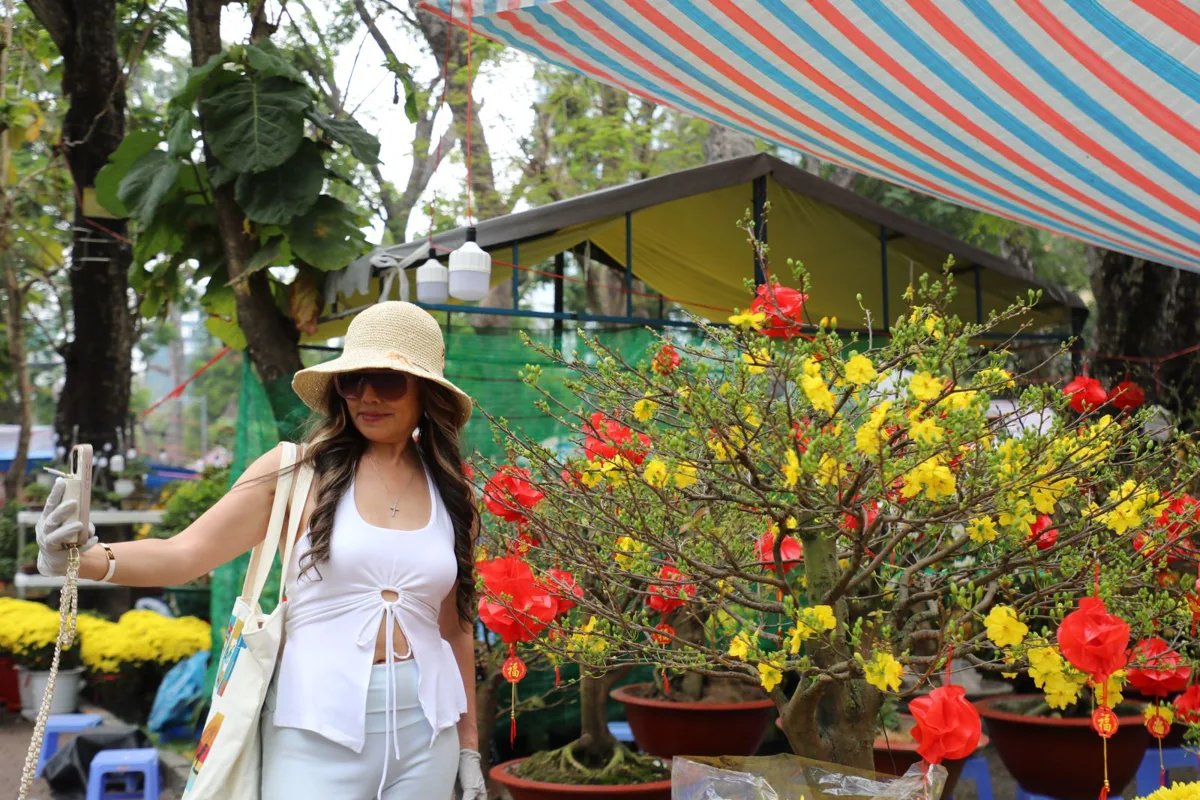
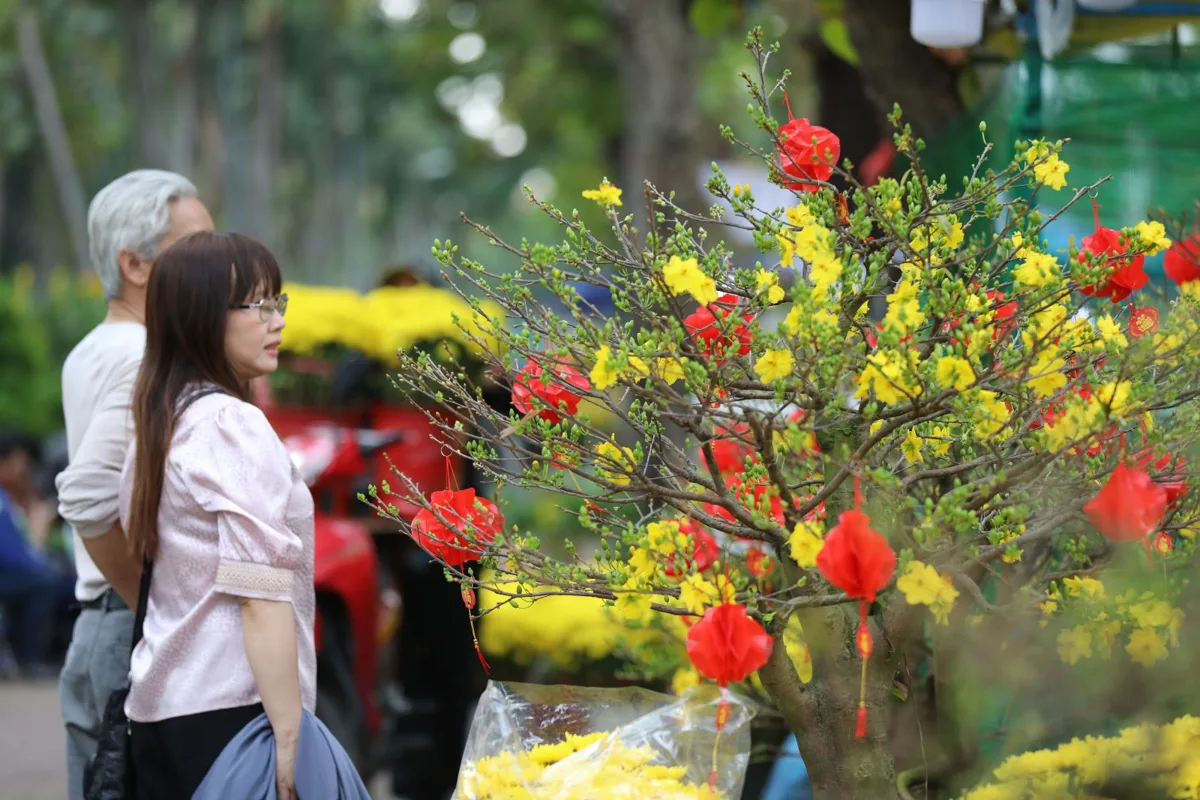
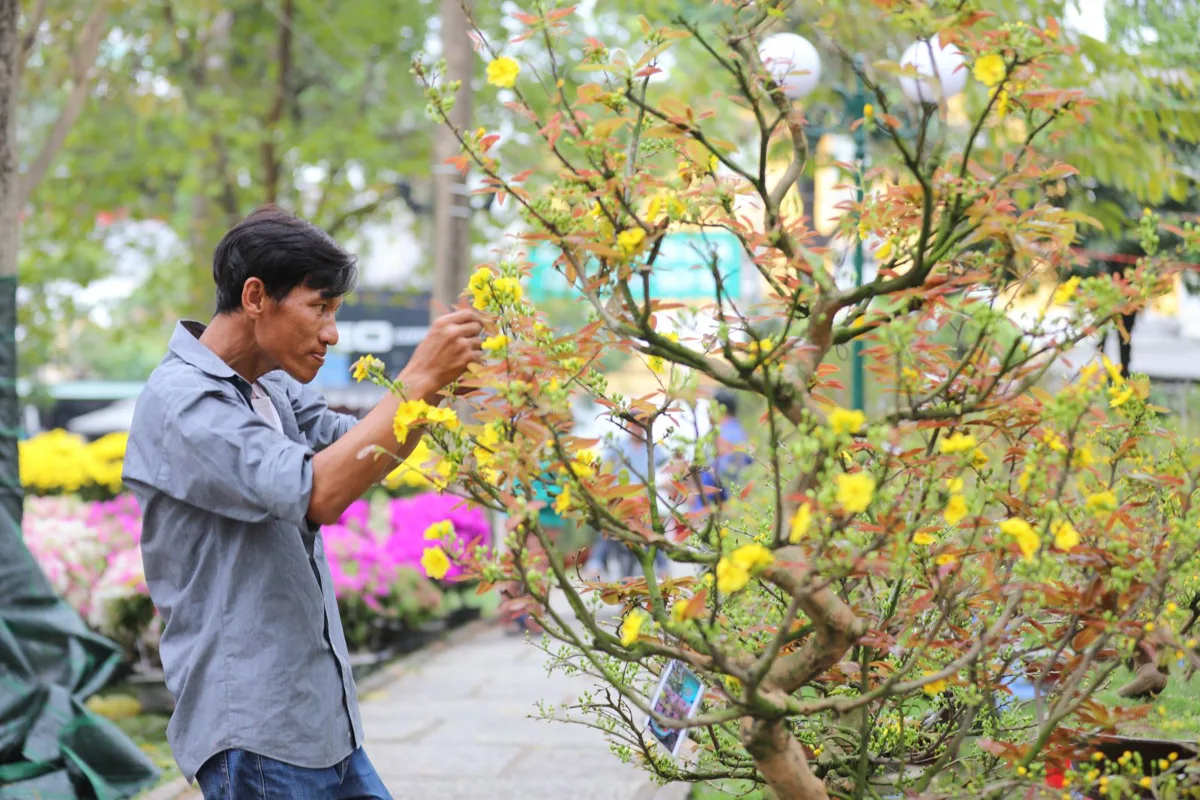
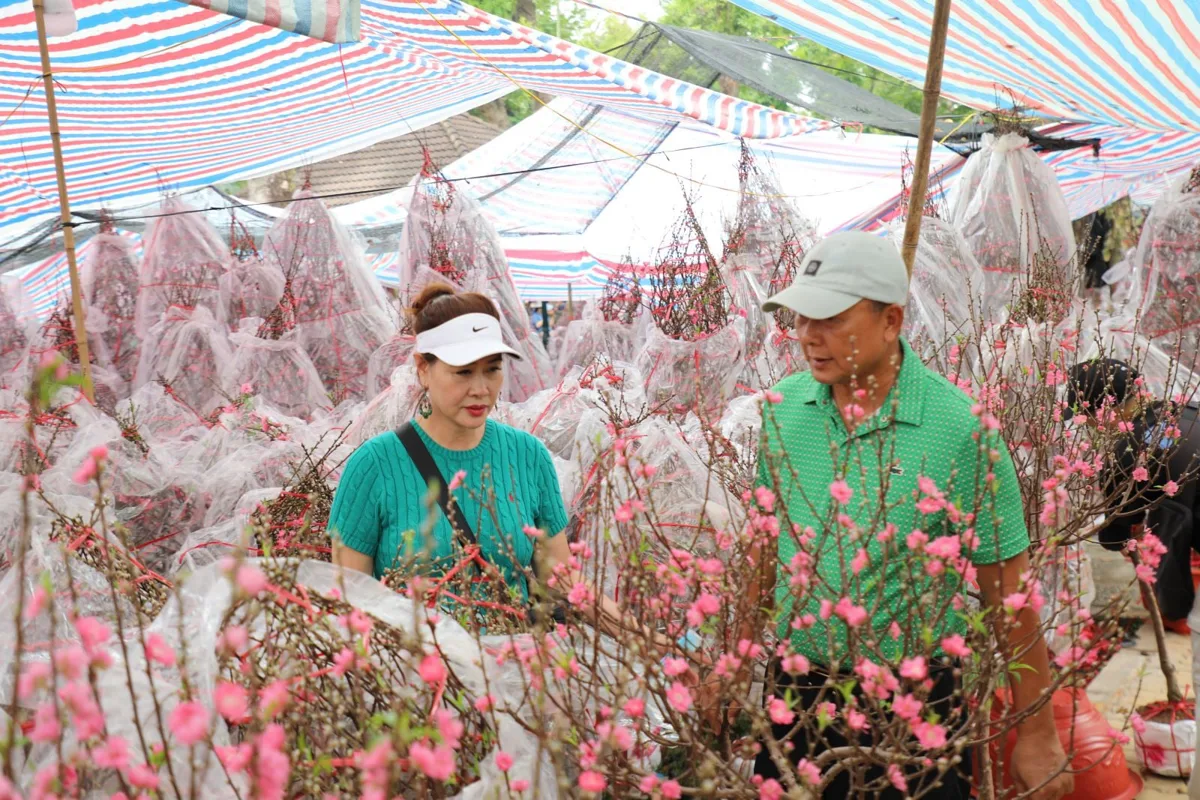
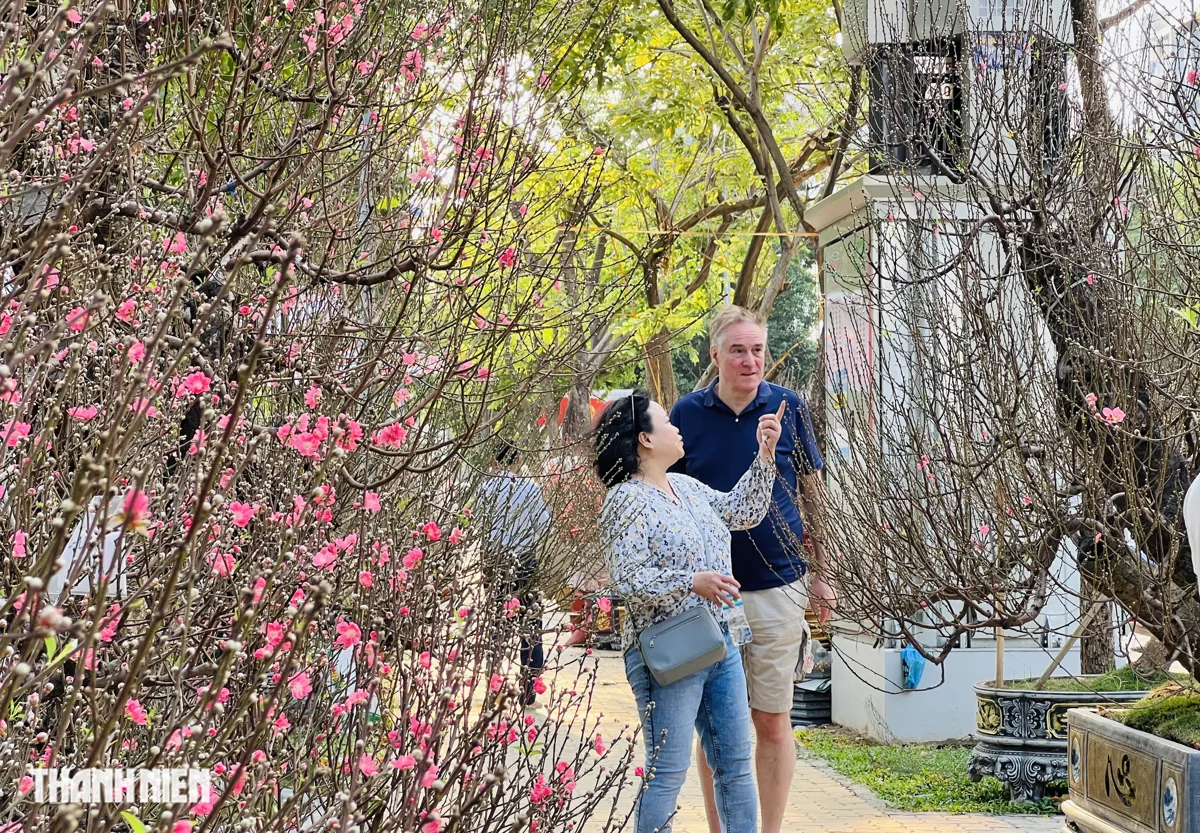
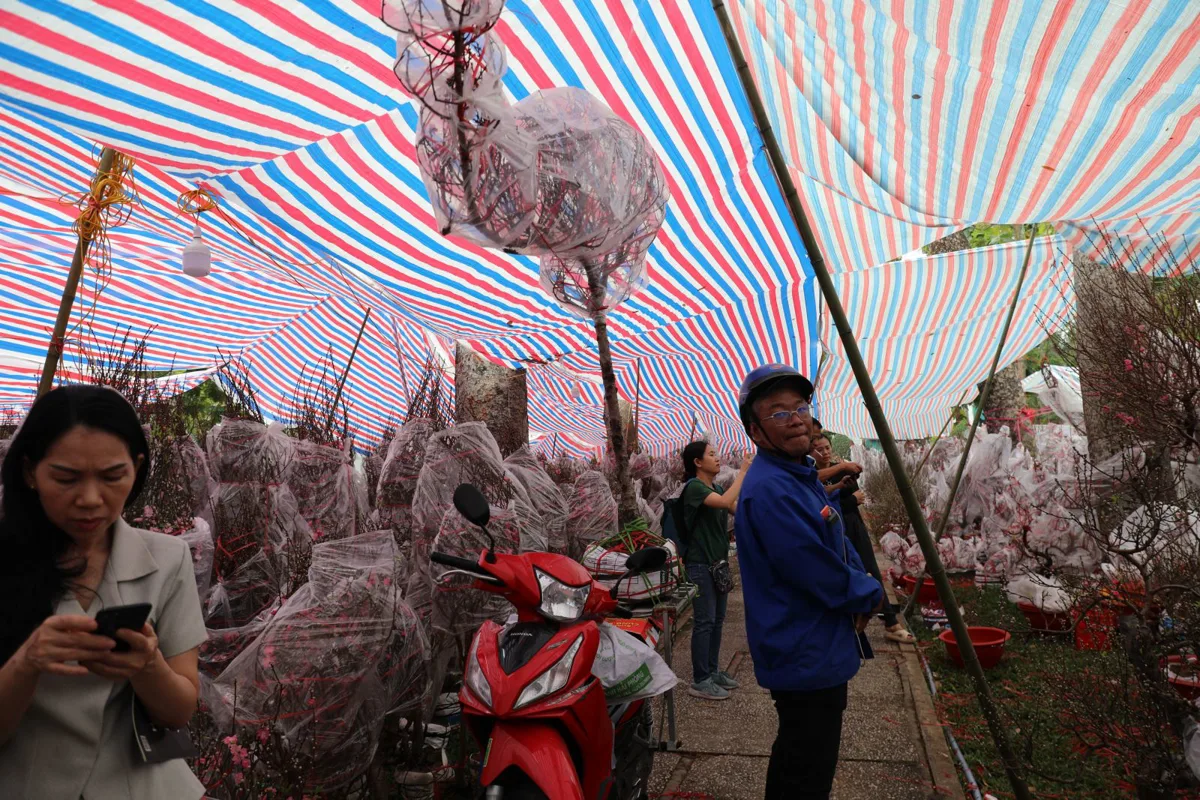
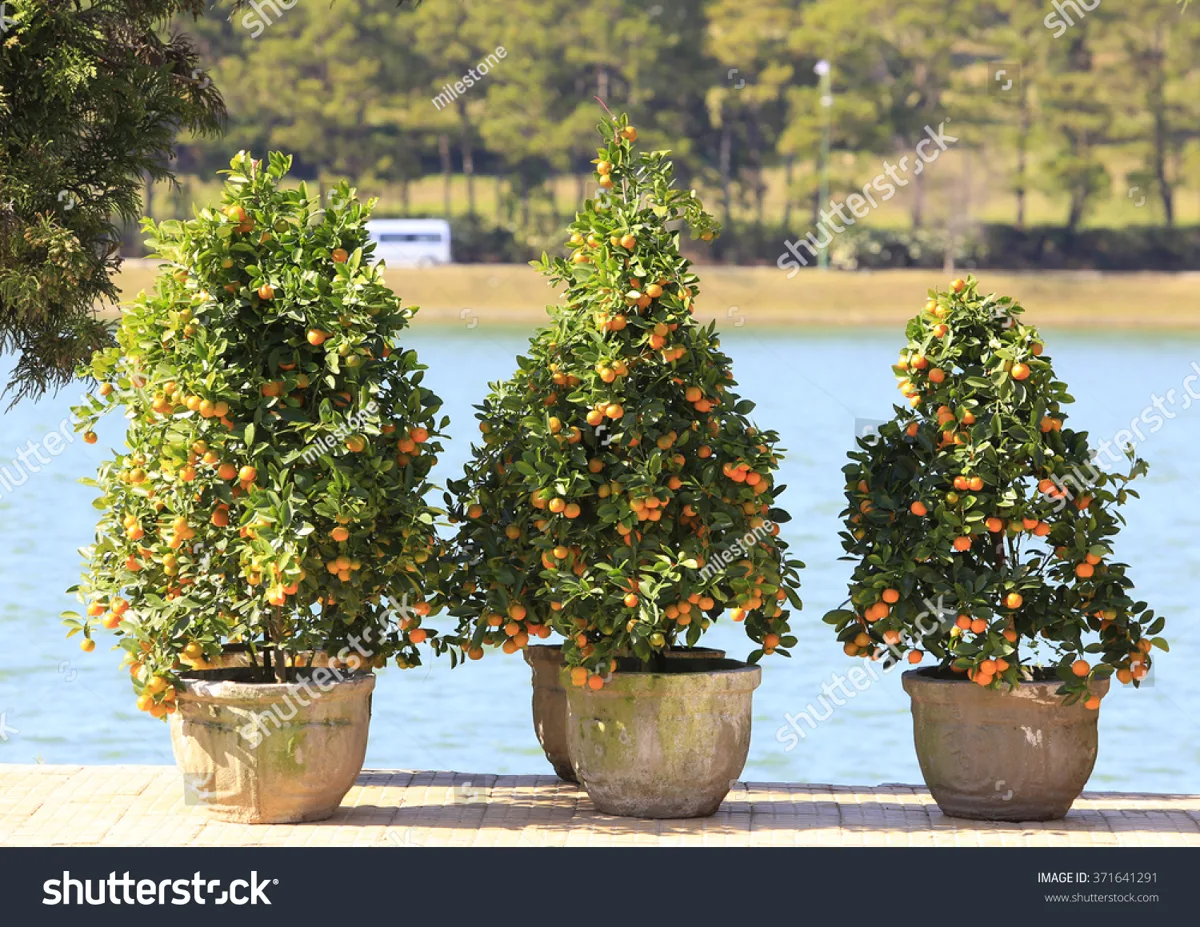
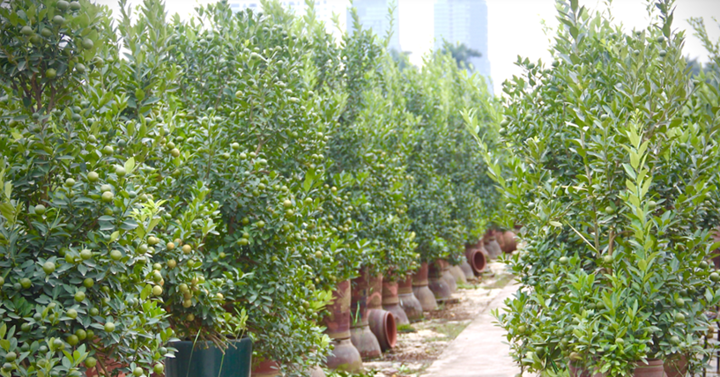
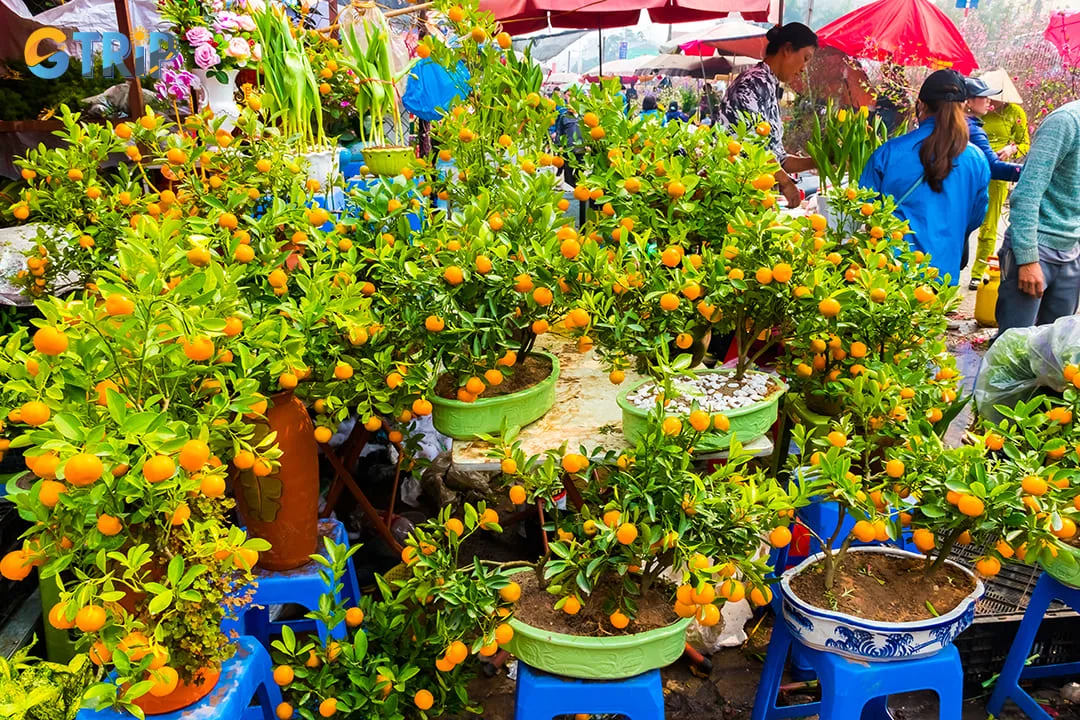
As the Tet holiday approaches, Vietnam undergoes a noticeable shift across all regions. Streets become adorned with flowers, markets expand with seasonal goods, transportation hubs experience increased activity, and a general sense of anticipation fills daily life. This preparatory phase, known as “Tết Đến, Xuân Về” (Tet arrives, spring returns), can commence several weeks before the official holiday, with the entire country collectively focusing on readiness.
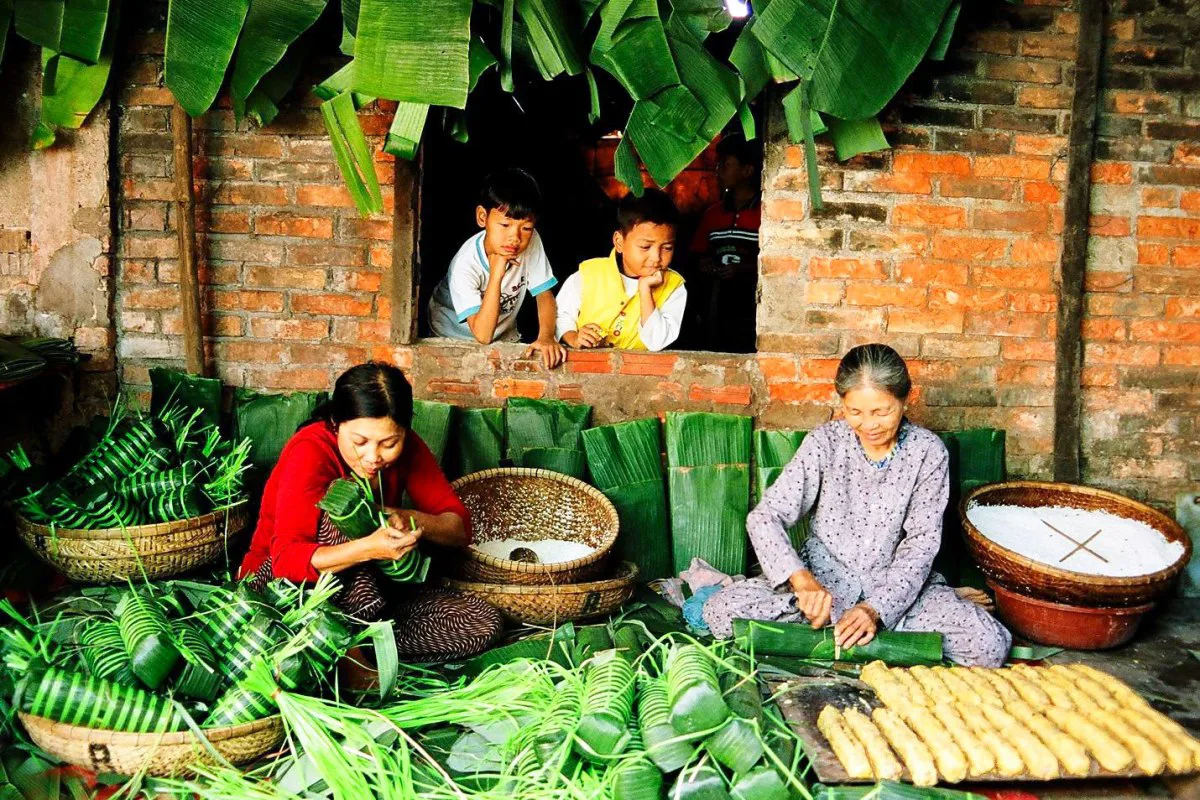
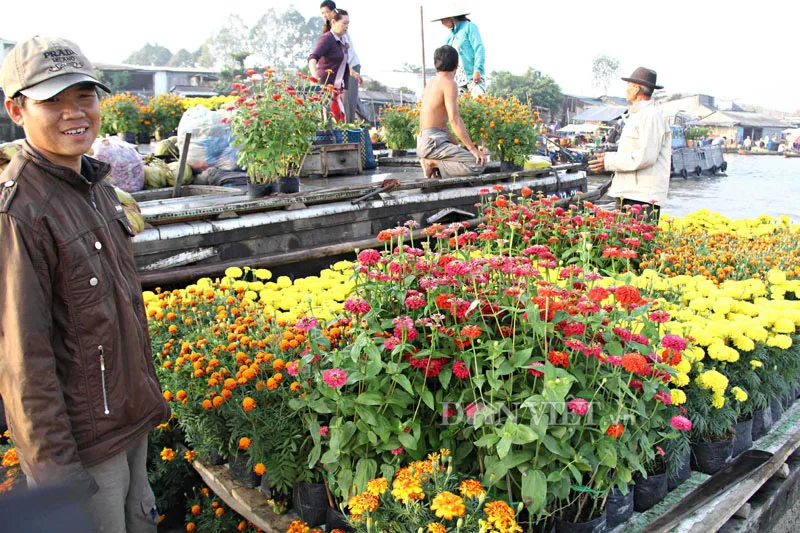
Residences undergo thorough cleaning, sometimes including minor repairs or renovations. This deep cleaning symbolizes the removal of the previous year's misfortunes and the invitation of new beginnings. Families frequently repaint walls, cleanse ancestral altar items, tidy gardens, and organize storage areas. It is considered crucial to finish all cleaning before Tet starts, as tidying during the holiday might symbolically sweep away the new year's good luck. Shopping becomes a primary pre-Tet activity. Markets are filled with items such as dried fruits, candied lotus seeds, sticky rice, pork, spices, fresh flowers, and Tet decorations. The atmosphere in Tet markets differs from regular shopping experiences; even local residents describe it as encouraging generosity, excitement, and good-natured activity. Families acquire new clothing for Tet, ornaments for their homes, and presents for relatives and acquaintances. A prominent aspect of Tet preparation is the profusion of flowers. Peach blossoms are prevalent in northern markets, signifying growth and vitality. In the southern areas, yellow apricot blossoms denote prosperity and good fortune. Kumquat trees, with their spherical, orange fruits, symbolize wealth and family completeness. Street corners and public areas transform into expansive open-air flower markets, and the sight of large floral trees transported on motorbikes becomes common. Food preparation holds equal importance. Entire families gather to prepare signature Tet dishes, particularly bánh chưng or bánh tét, depending on the geographical area. The creation of these traditional rice cakes can span many hours and necessitates collaboration among multiple generations. This process becomes a cherished family tradition, strengthening bonds while honoring ancestral customs. Days before Tet, the aroma of boiling rice cakes permeates neighborhoods, signaling the holiday's imminent arrival. The preparation period extends beyond practical tasks to include emotional readiness. People settle financial obligations, mend relationships, and finalize pending matters to commence the new year with a clear conscience. This deeper purpose of preparation reflects the Vietnamese belief that one's mindset and relationships influence the year ahead. Therefore, Tet preparation integrates physical, emotional, and spiritual renewal.
Key Moments of Tet: New Year's Eve and First Day Traditions
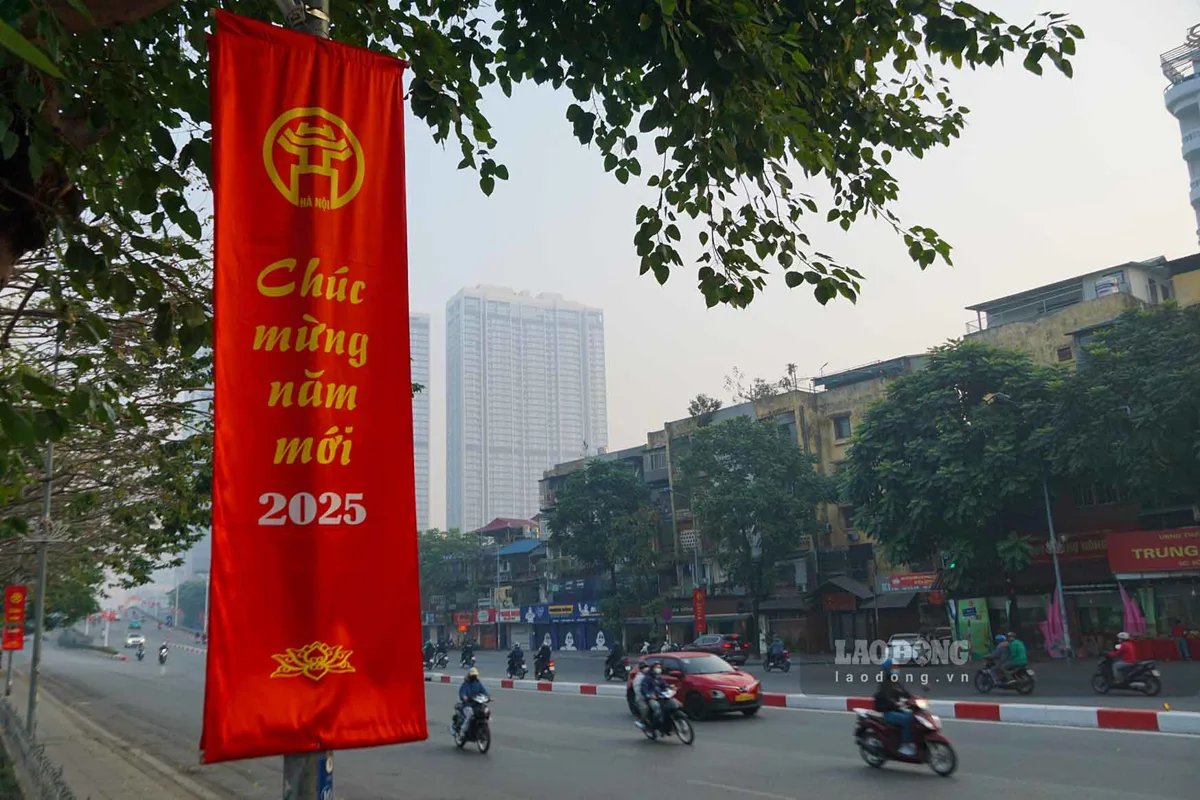
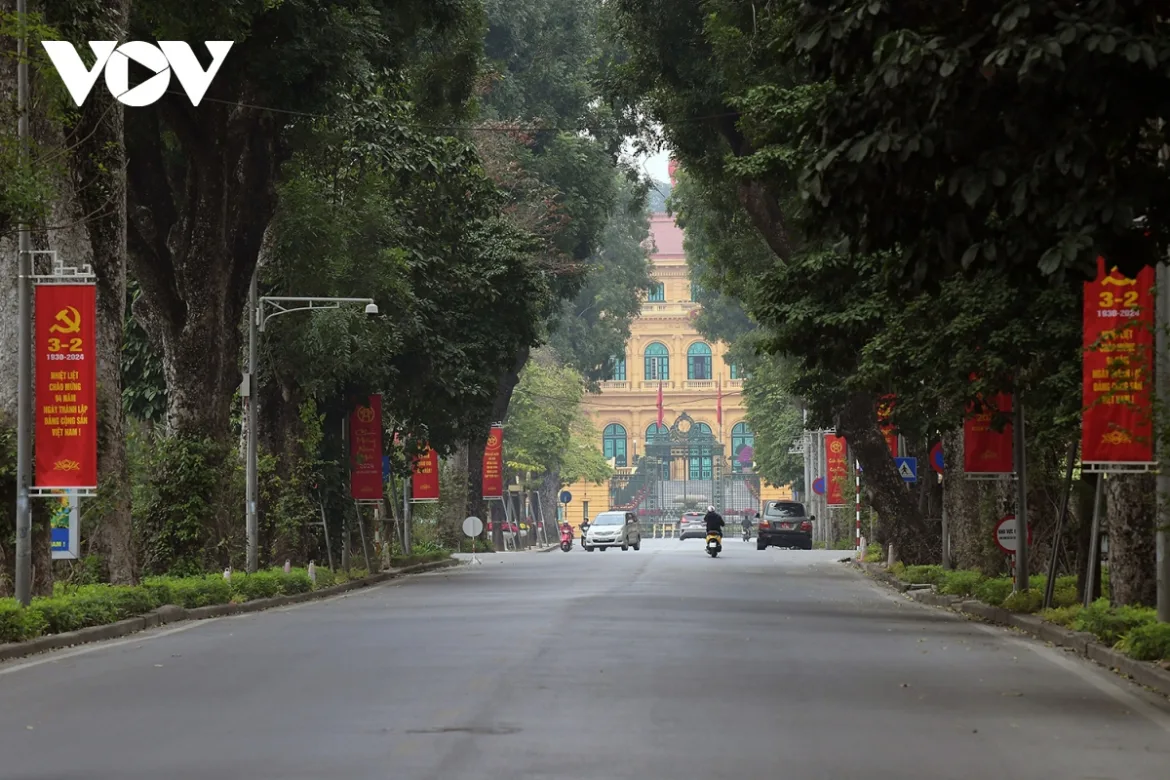
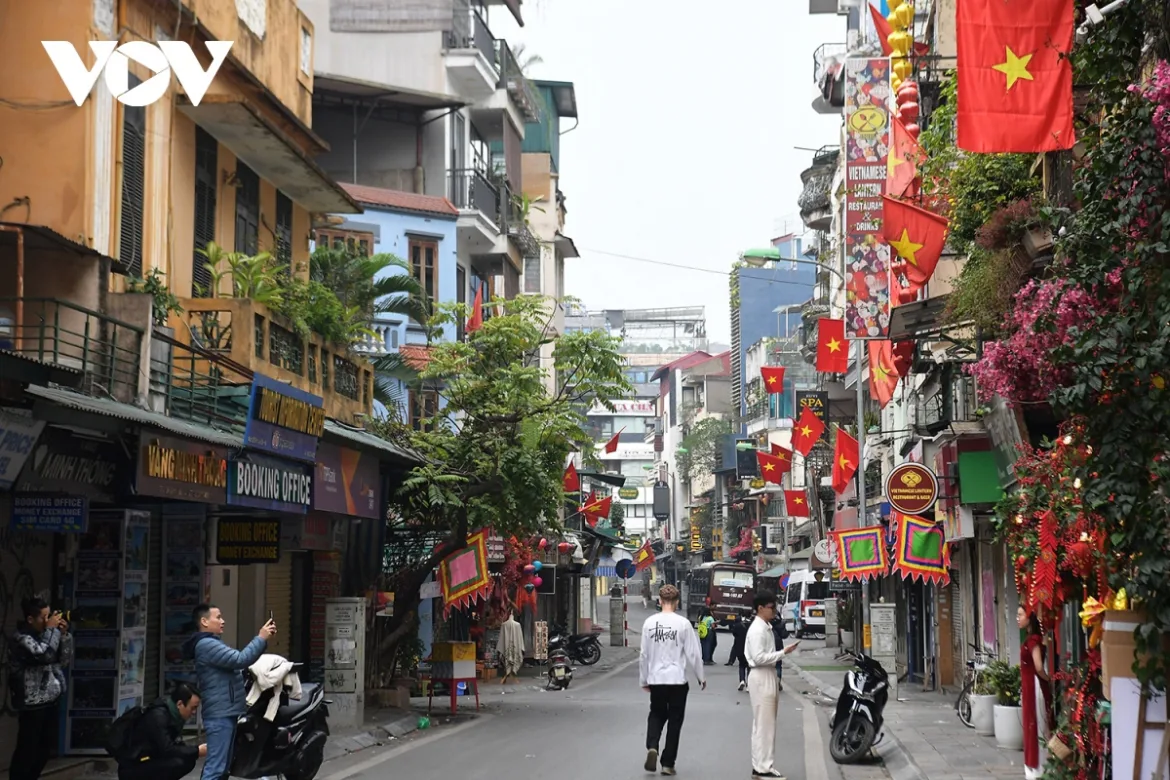
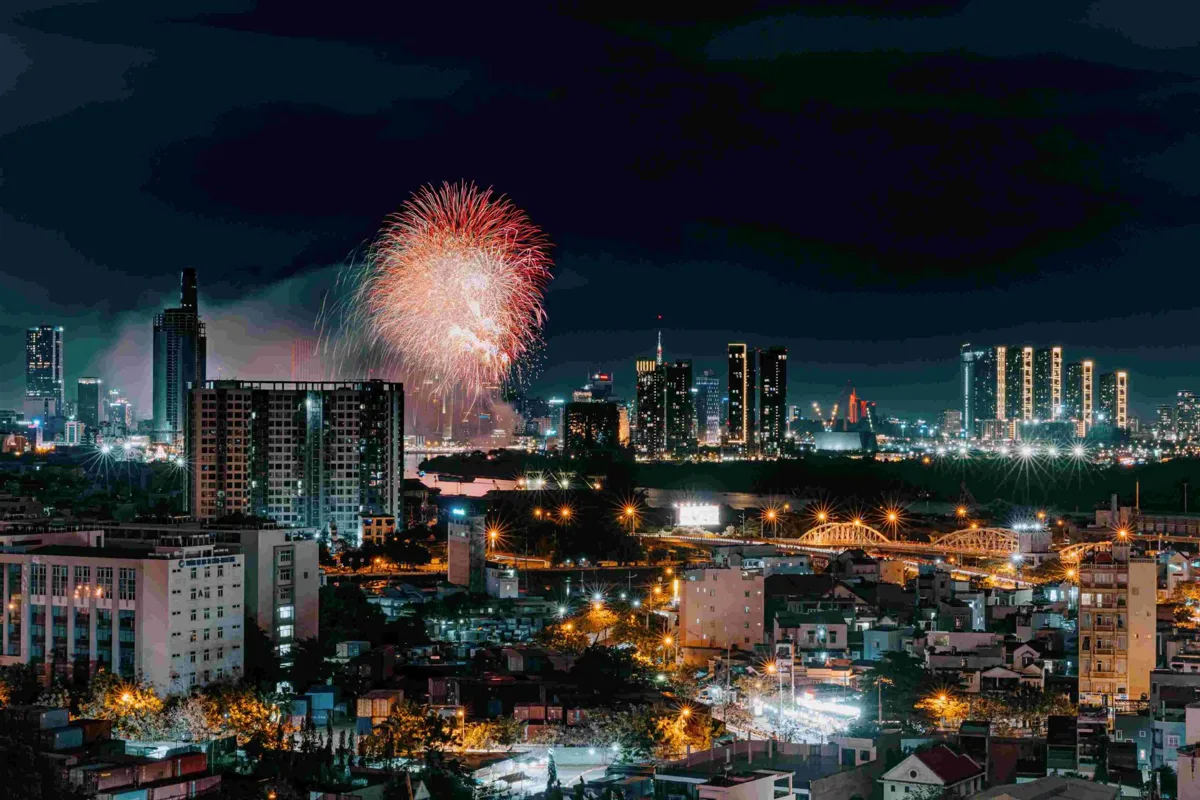
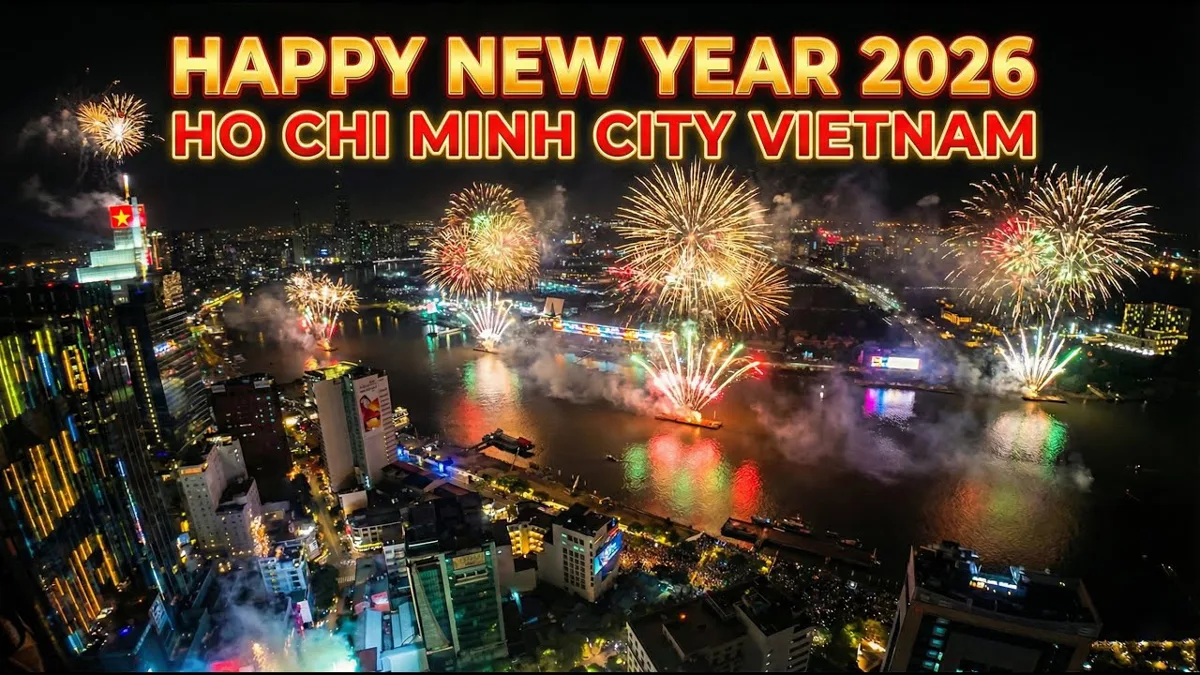
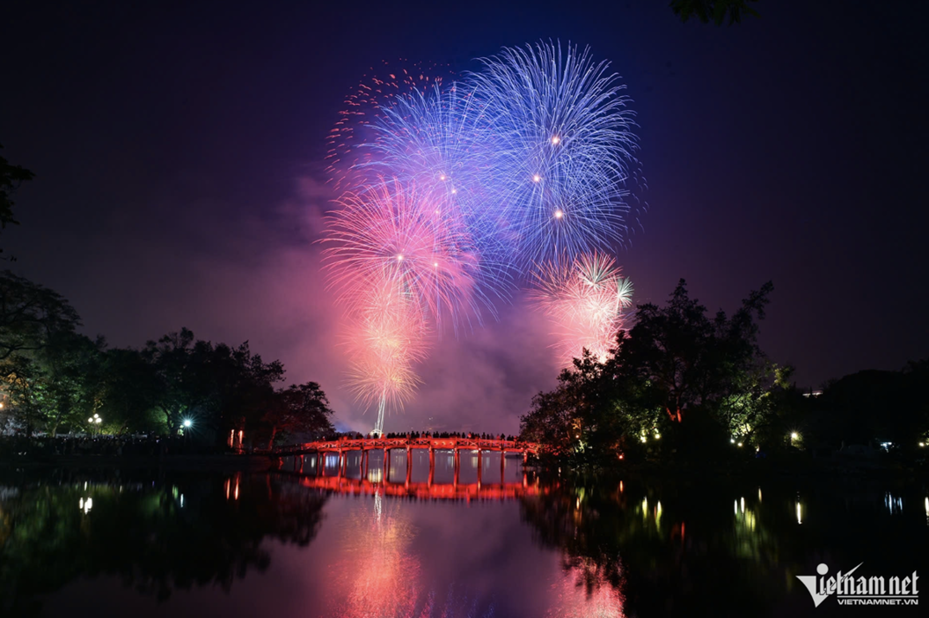
New Year’s Eve, referred to as “Giao Thừa,” carries profound cultural weight in Vietnam. It signifies the precise juncture when the old year concludes and the new one commences, symbolizing transition, fresh starts, and the departure of past adversities. Families often gather around the ancestral altar to light incense, offer prayers, and invite ancestors to join them for the holiday. The intimate nature of these rituals underscores the Vietnamese conviction that families, both living and deceased, greet the new year as a unified entity.
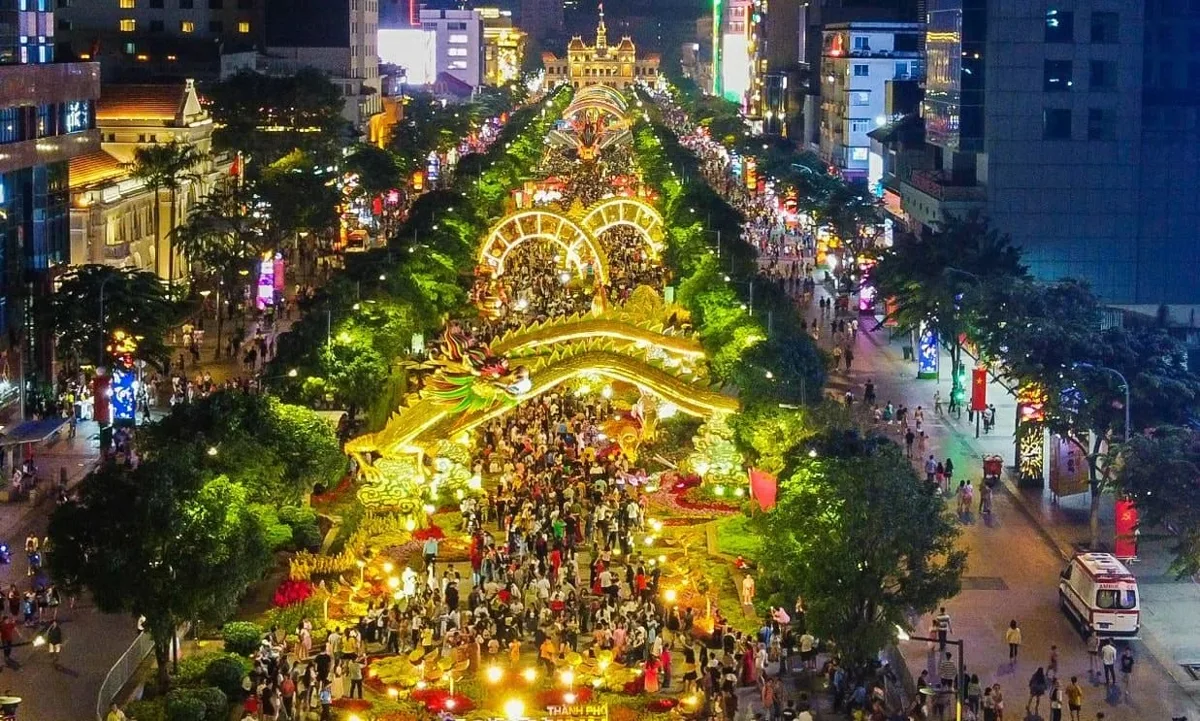
In many households, New Year’s Eve involves preparing offerings of fruits, sweets, tea, and incense. These offerings pay homage to the Kitchen Gods, who are believed to ascend to the heavens to report on each household’s activities from the preceding year. This ritual highlights the importance of ethical conduct and family harmony, reinforcing cultural values that prioritize respect, sincerity, and accountability. Cities and towns across Vietnam frequently host fireworks displays to welcome the new year. In major urban centers such as Hanoi, Da Nang, and Ho Chi Minh City, public spaces fill with crowds gathering to witness the spectacle. The celebratory environment combines contemporary entertainment with traditional customs, creating an experience that resonates across generations. For travelers, New Year’s Eve offers an opportunity to observe Vietnamese culture at its most emotionally resonant and symbolic. Streets remain lively, families return to their ancestral homes, and the atmosphere holds a sense of both excitement and contemplation. While large crowds are common in major cities, smaller towns provide quieter celebrations that still embody the richness of Tet traditions.
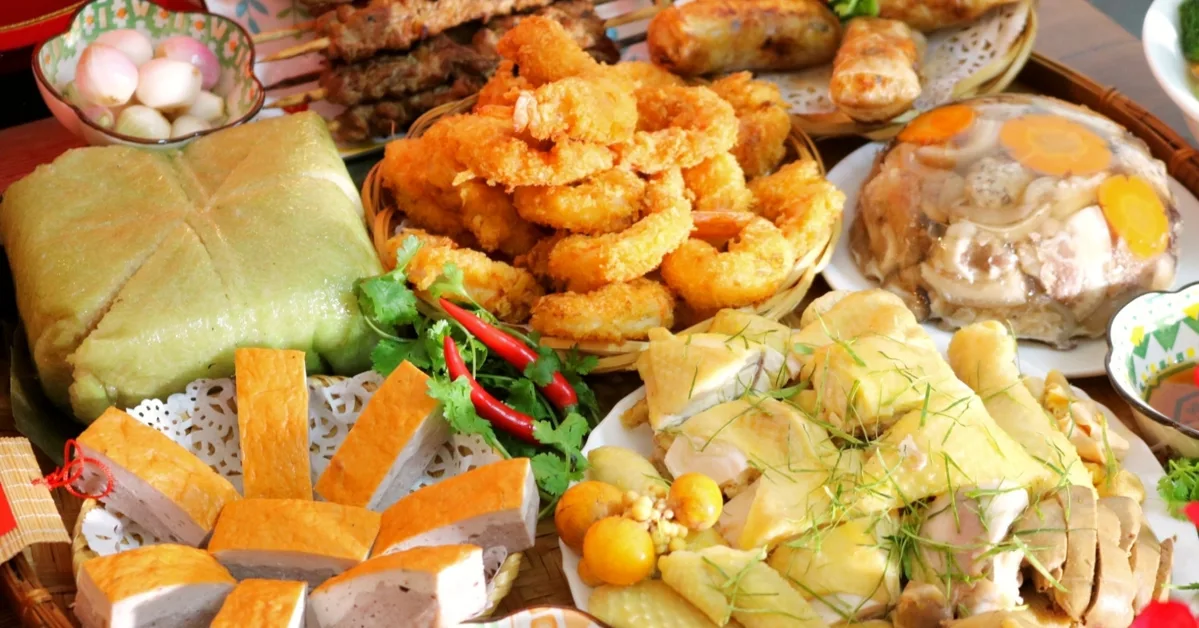
The first day of Tet, known as “Mùng Một,” focuses intensely on family gatherings and symbolic actions intended to invite good fortune for the year. It is considered the most crucial day of the holiday, with many Vietnamese spending it exclusively with their immediate family. Visits to relatives outside the household typically begin on the second day, emphasizing the first day’s sacred family orientation. Meals play a significant role in first-day customs. Families prepare special dishes that include traditional items like bánh chưng or bánh tét, Vietnamese sausages, boiled chicken, sticky rice, pickled onions, and various confections. These meals are not merely casual celebrations but culturally meaningful feasts designed to honor ancestors and strengthen family unity. The presence of these dishes on the table carries symbolic meanings associated with abundance, fertility, and prosperity. One of Tet’s most meaningful customs is “xông đất,” the act of being the first individual to enter a home in the new year. Vietnamese families believe that this person’s character, luck, and compatibility can influence the household’s fortune for the entire year. Consequently, families often invite someone with an auspicious zodiac sign or a respected reputation to fulfill this role. This belief reflects the Vietnamese concept that luck can be shaped by human relationships and personal attributes. Lì xì, the giving of lucky red envelopes containing money, is another fundamental custom. Adults present envelopes to children or younger relatives as a gesture of generosity and encouragement. The money inside holds symbolic rather than purely monetary significance, representing the transmission of blessings, good fortune, and positive energy. Even in modern urban settings, this tradition retains deep cultural value. The first day of Tet generally sees quiet streets, as businesses close and families remain at home. Visitors will notice reduced traffic and minimal commercial activity. However, this tranquility is part of Tet’s appeal, revealing the intimate dimension of Vietnamese family culture.
Continuing Celebrations: Visiting and Community Engagement
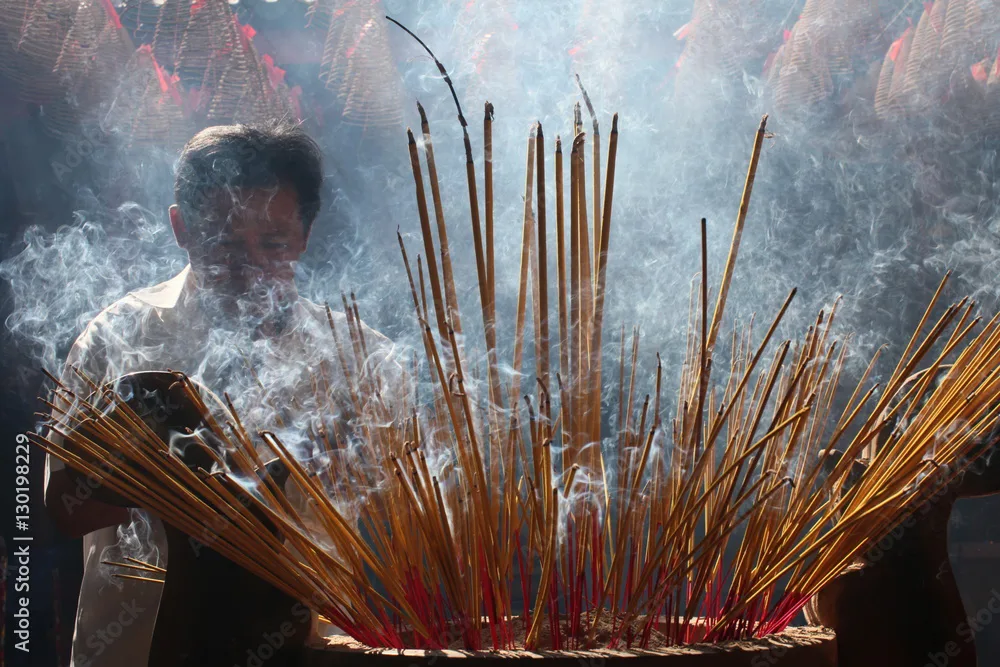
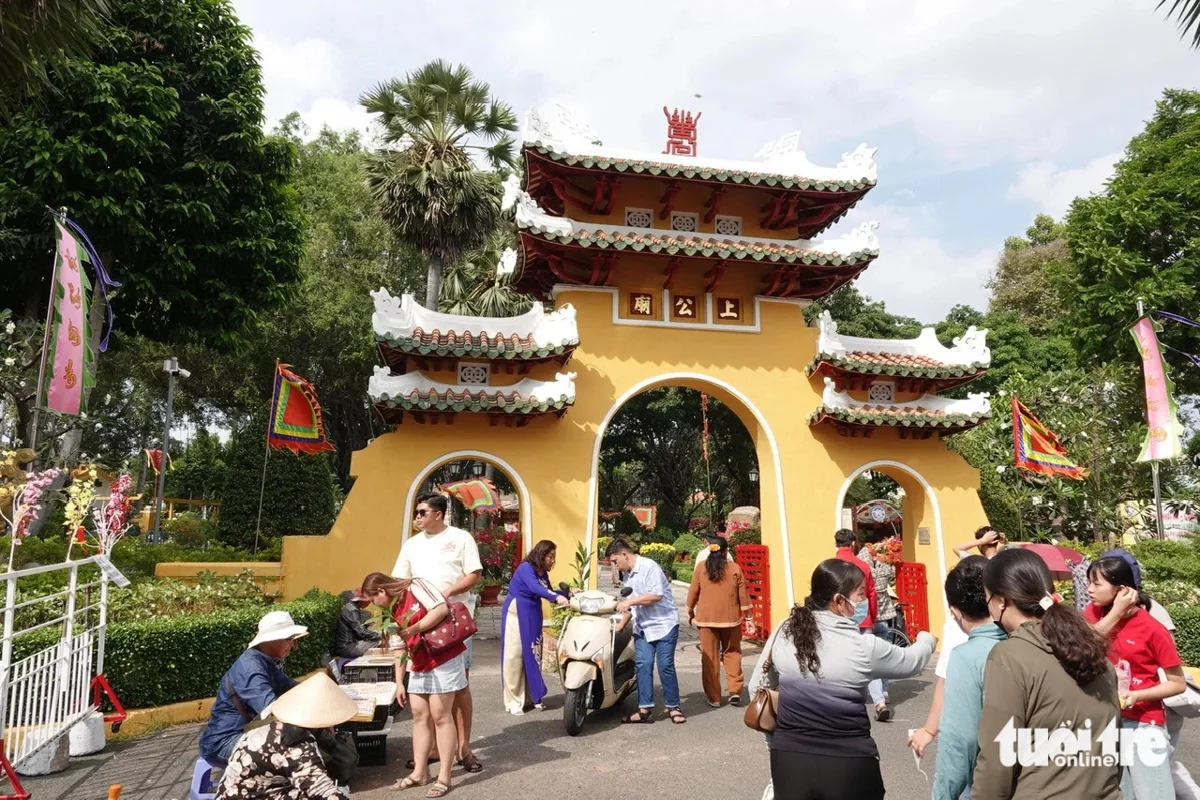
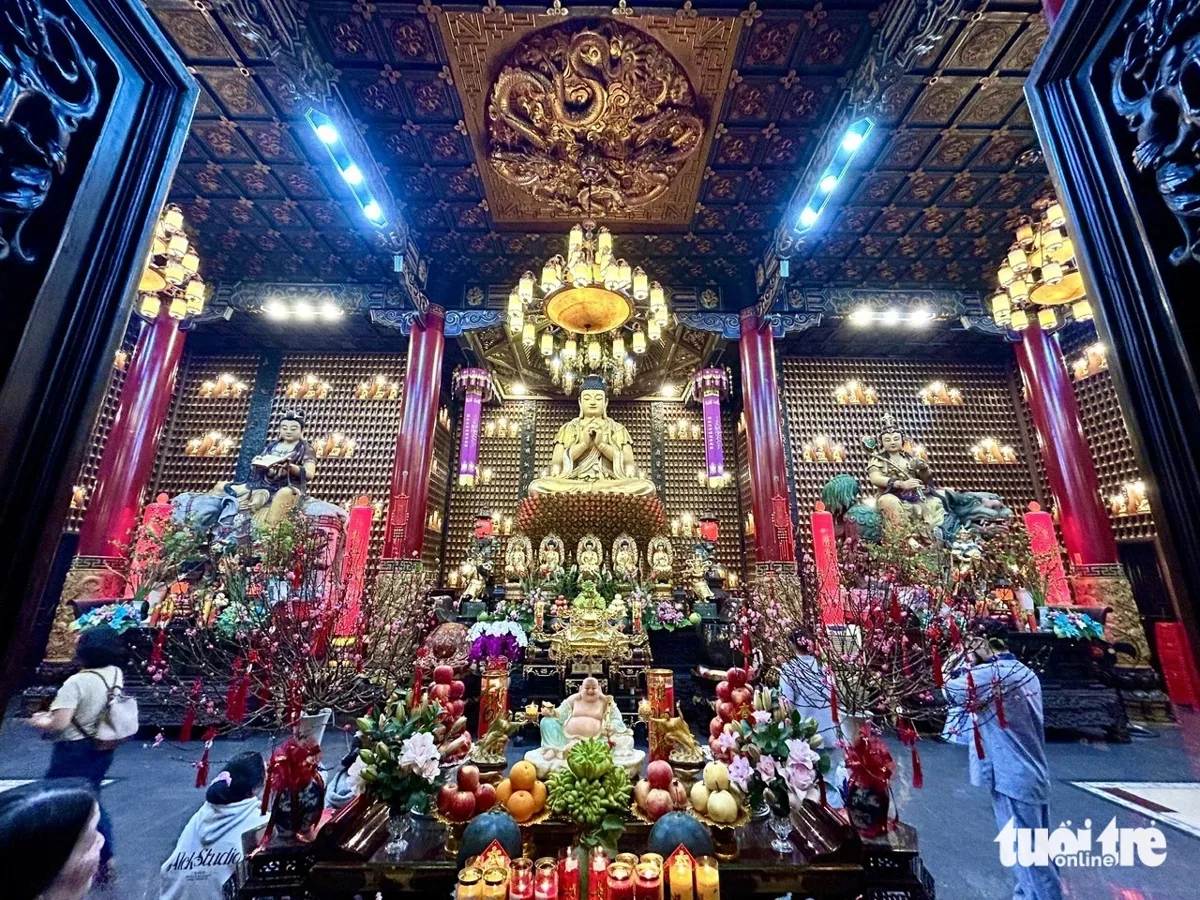
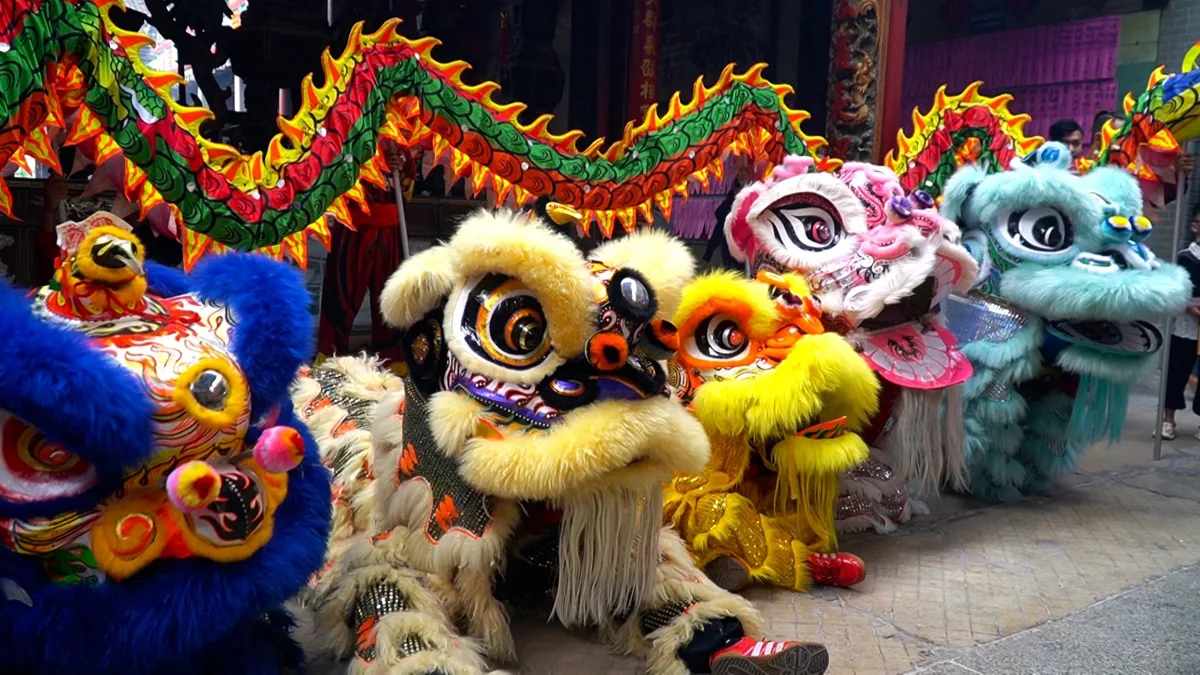
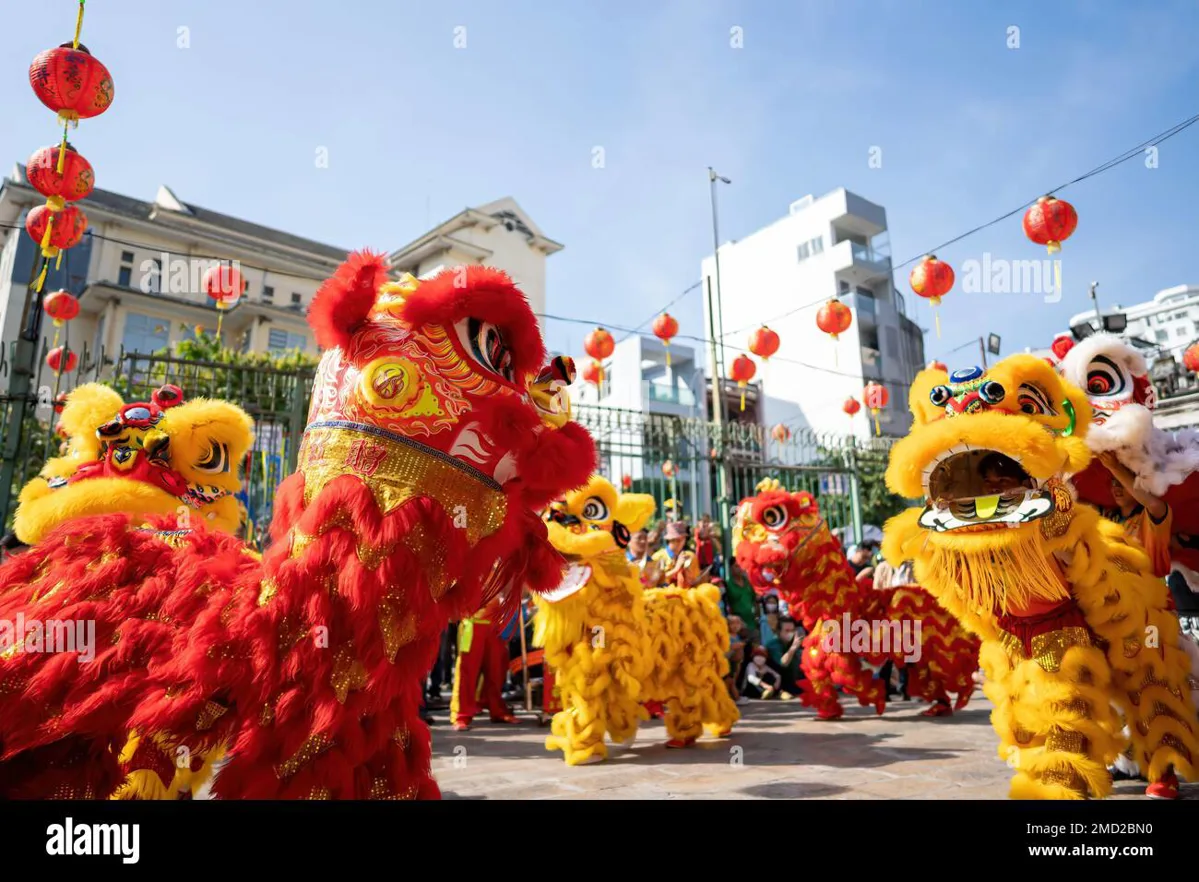
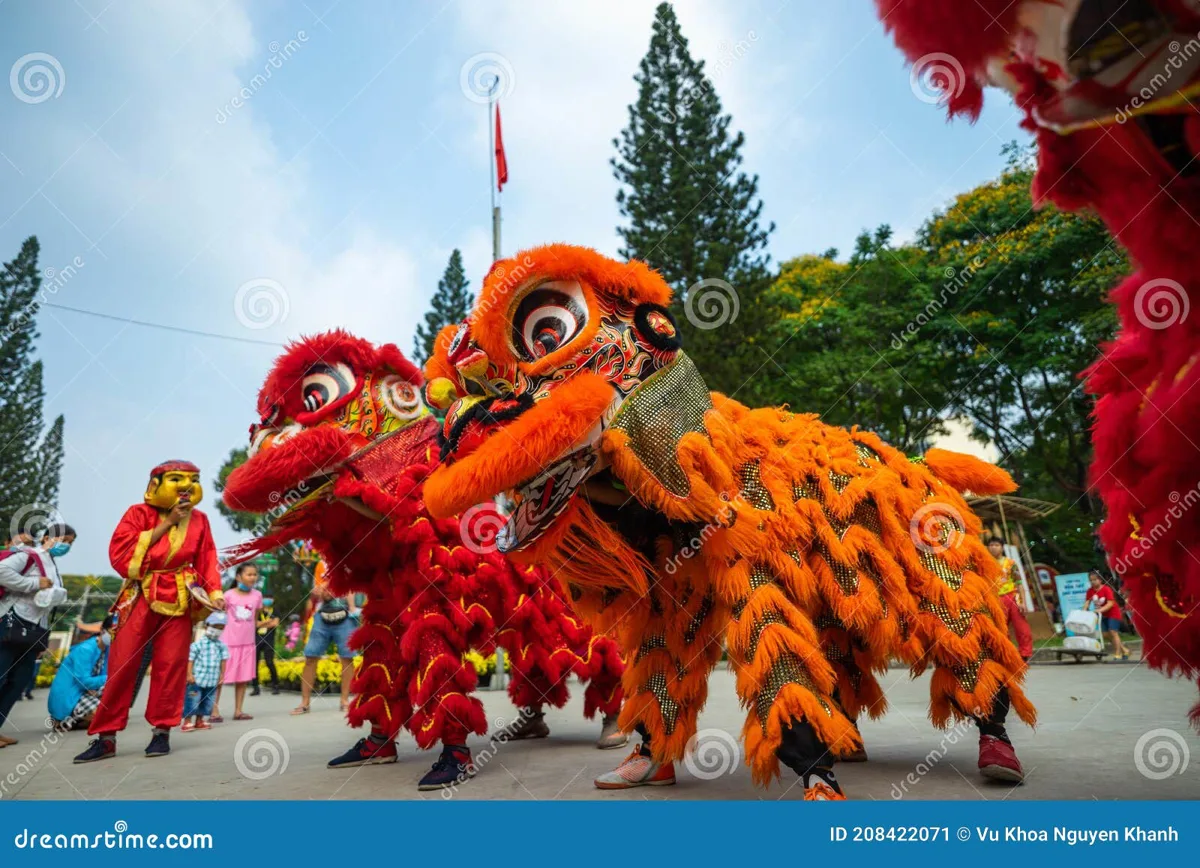
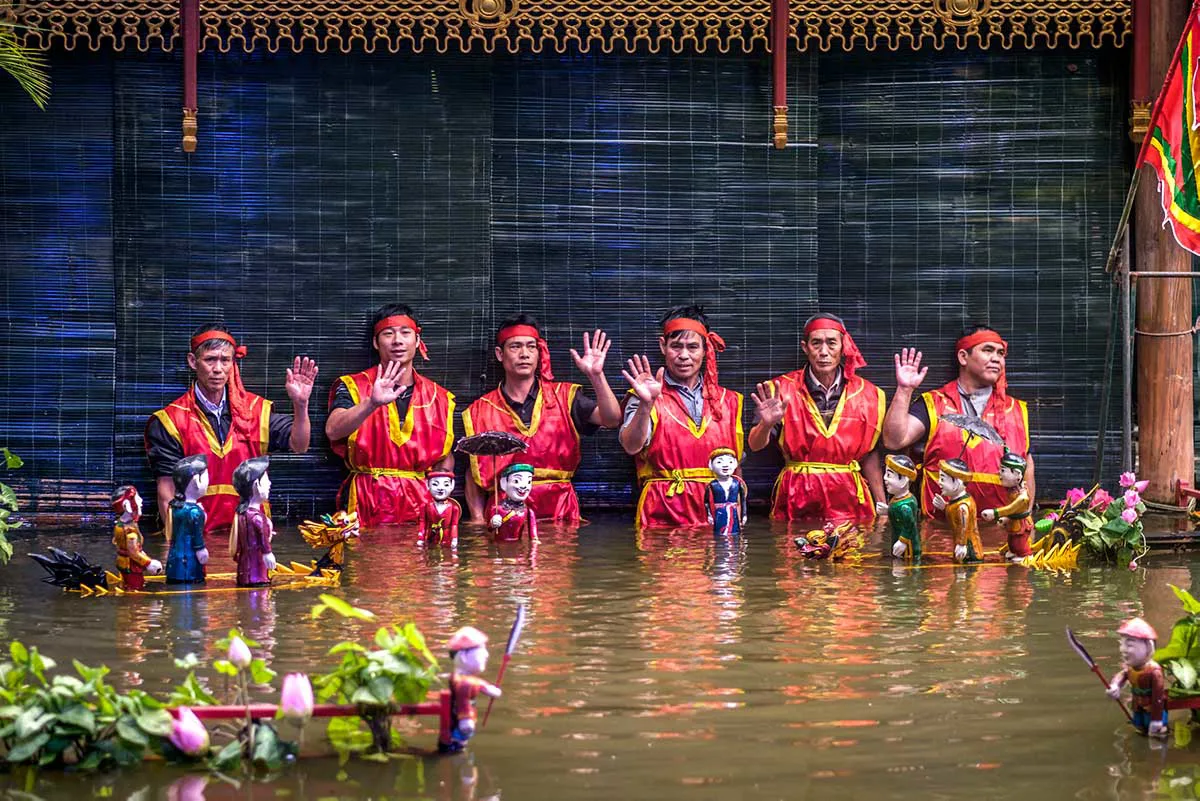
Following the initial day, Tet celebrations extend beyond the immediate household to encompass extended family circles, neighborhoods, and wider communities. The second day, “Mùng Hai,” is customarily set aside for visiting relatives on the maternal side. The third day, or “Mùng Ba,” often involves calling upon teachers or mentors to convey appreciation and respect. These structured visitation days reflect Confucian principles that continue to shape Vietnamese society.
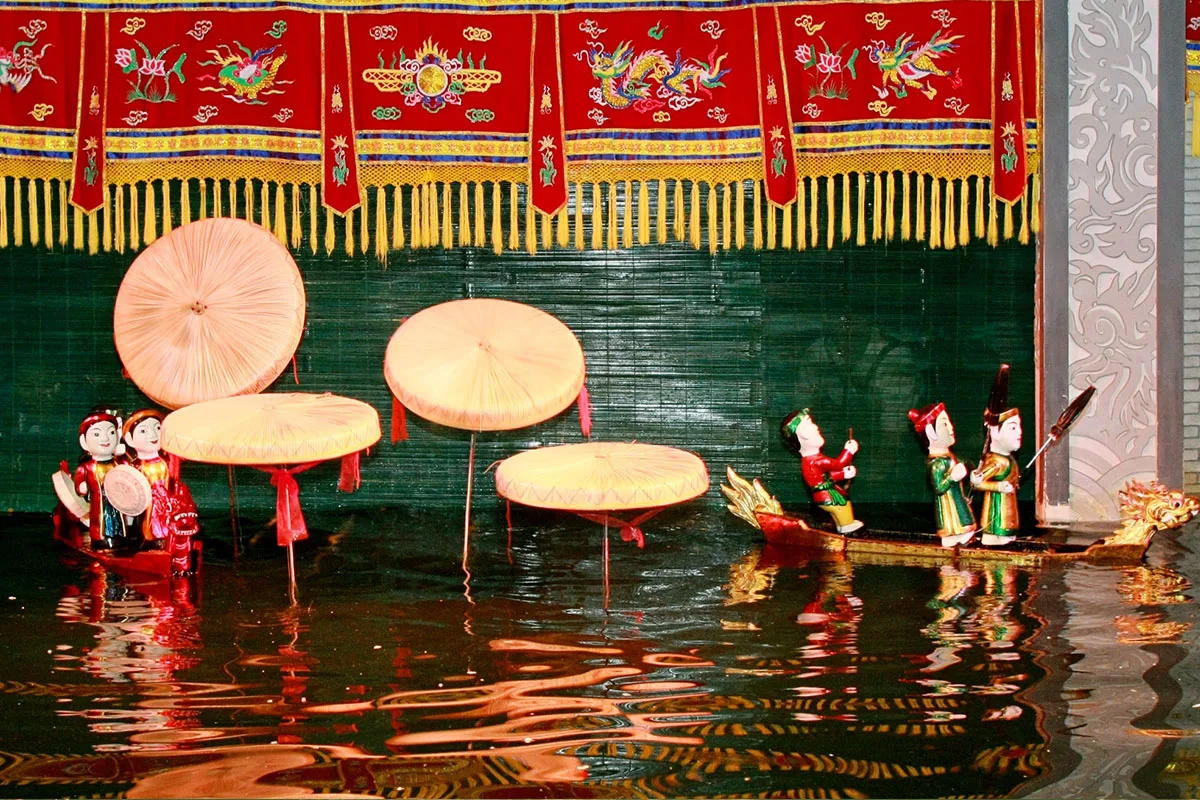
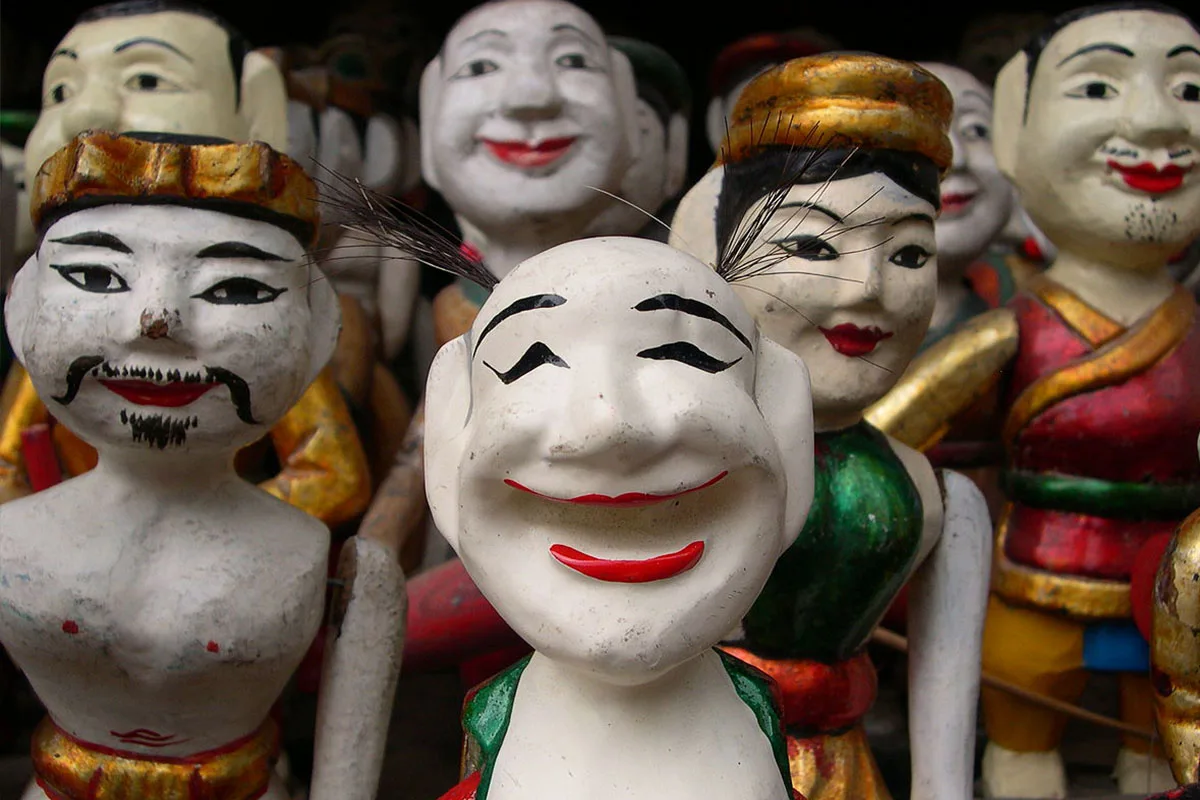
The festive mood becomes more public during these subsequent days. Temples and pagodas fill with visitors offering incense and prayers for health, prosperity, and protection. Families bring fruits, flowers, and symbolic offerings to seek blessings for the year ahead. Pagodas evolve into important community gathering spaces, merging spiritual practice with social interaction. Traditional games and cultural performances may appear in villages or smaller towns. Lion dances, folk singing, and water puppet shows sometimes occur, depending on the specific region. Urban centers also host cultural events, though these can vary annually. The combination of entertainment and tradition contributes to Tet’s celebratory spirit. Travelers will observe that streets gradually become more active as the days progress, but many businesses still operate on a limited schedule. Markets begin to reopen, yet some eateries and shops might remain closed until the holiday concludes. Transportation options also increase after the second or third day, facilitating travel for visitors wishing to move between destinations. What particularly stands out about the days after Tet is the social energy. Vietnamese families utilize this period to reconnect, express gratitude, and share aspirations for the new year. For visitors, it provides an opportunity to observe cultural values in practice and gain a deeper understanding of Vietnamese social bonds.
Regional Variations in Tet Observances
While Tet is celebrated throughout Vietnam, each region incorporates distinct traditions and culinary preferences that reflect local customs, climate, and historical influences. These regional differences enrich Tet’s cultural landscape and offer visitors unique perspectives depending on their travel destination.
| Region | Key Flower | Traditional Rice Cake | Climate During Tet | General Atmosphere |
|---|---|---|---|---|
| Northern Vietnam | Peach Blossoms | Bánh Chưng (square) | Colder, sometimes damp | More traditional, quieter in cities |
| Central Vietnam | Both Peach & Apricot | Bánh Tét (cylindrical, sweet/savory) | Unpredictable, occasional rain | Blends North and South, royal traditions in Hue |
| Southern Vietnam | Apricot Blossoms (yellow) | Bánh Tét (cylindrical) | Warmer, often sunny | More energetic, colorful, outdoor gatherings |
In Northern Vietnam, Tet customs tend to be more conservative and closely aligned with historical practices. Families prepare bánh chưng, a square sticky rice cake symbolizing the Earth. Peach blossoms are prominent in flower markets, and kumquat trees are common household decorations. The cooler climate also influences food choices, favoring warm, substantial dishes suitable for family sharing. Hanoi often becomes quieter during the initial days of Tet, as many residents return to their ancestral homes in surrounding provinces. For those interested in the weather during this period, information on January weather in Vietnam can be helpful.
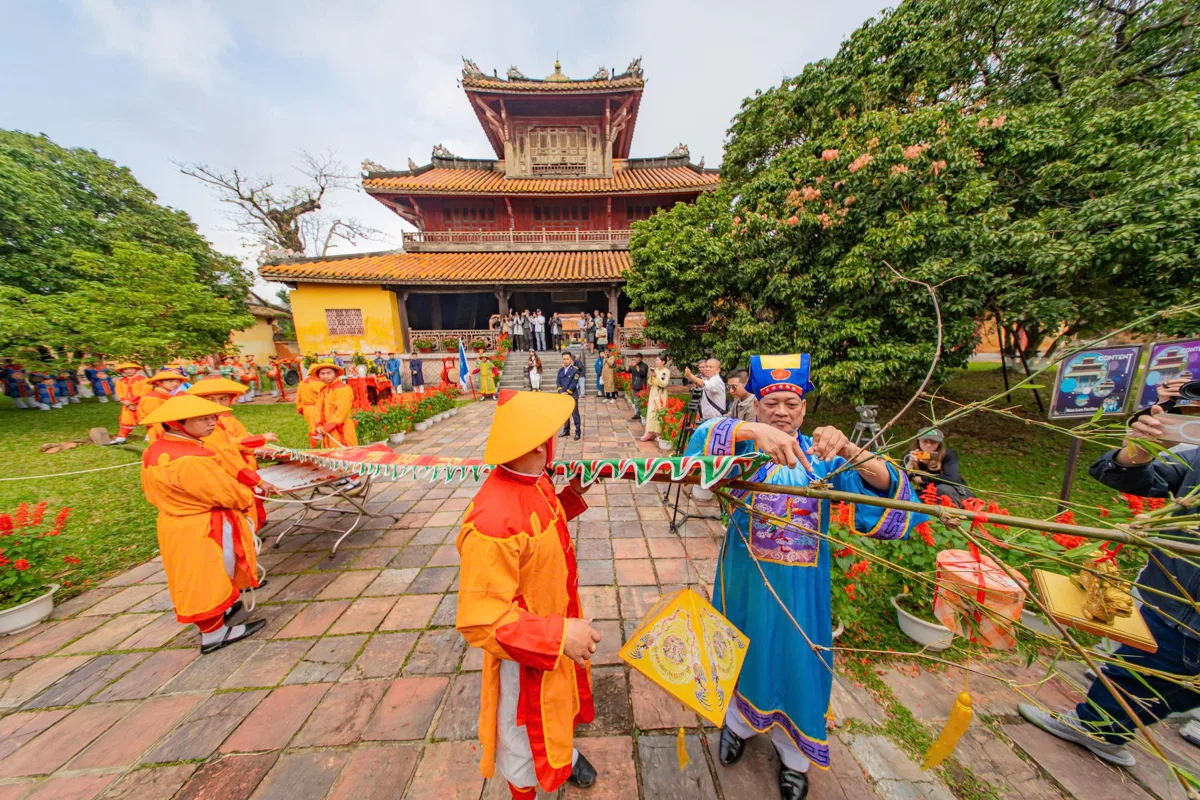
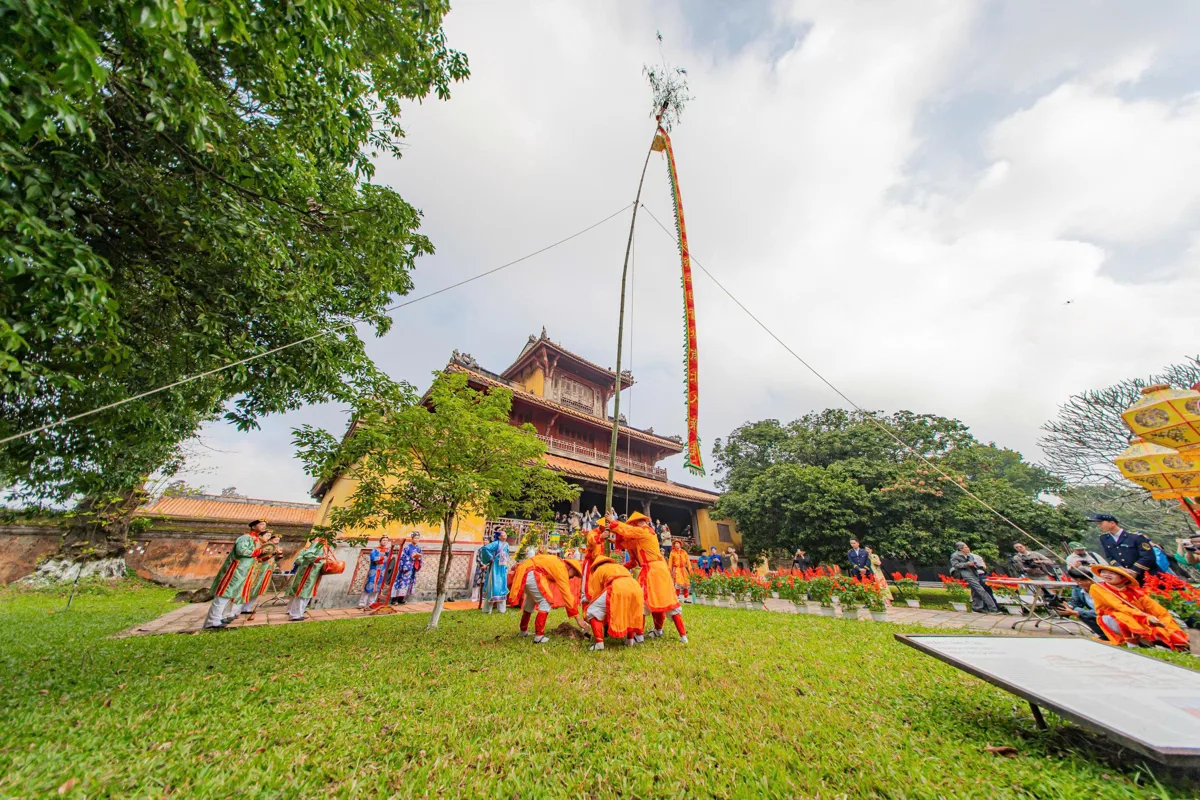
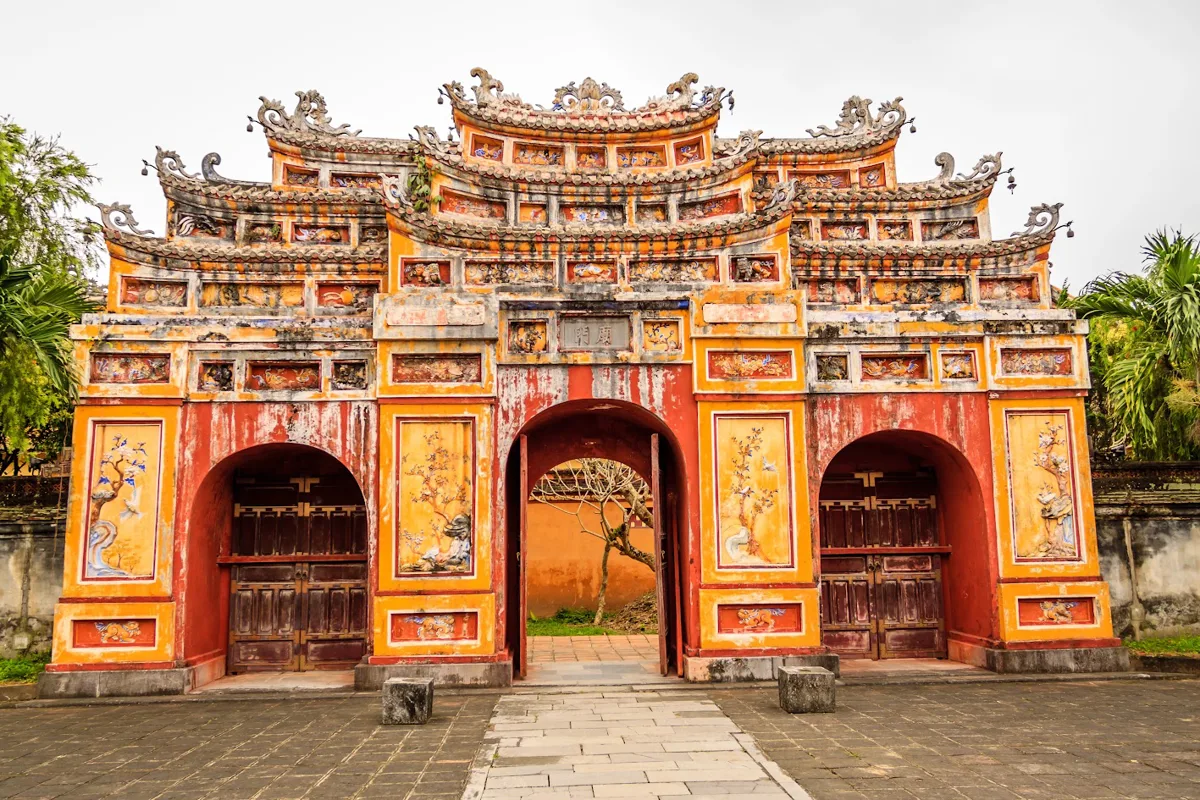
Central Vietnam exhibits a blend of northern and southern influences alongside its own unique characteristics. Hue, the former imperial capital, possesses long-standing royal traditions that shape its Tet rituals. Households in the central region frequently prepare special foods such as bánh tét in cylindrical form, often including both sweet and savory varieties. The weather can be variable during Tet, with occasional rain or cool breezes, but cultural celebrations remain lively. In cities like Da Nang and Hoi An, public decorations, night markets, and festivals frequently continue throughout the Tet period.
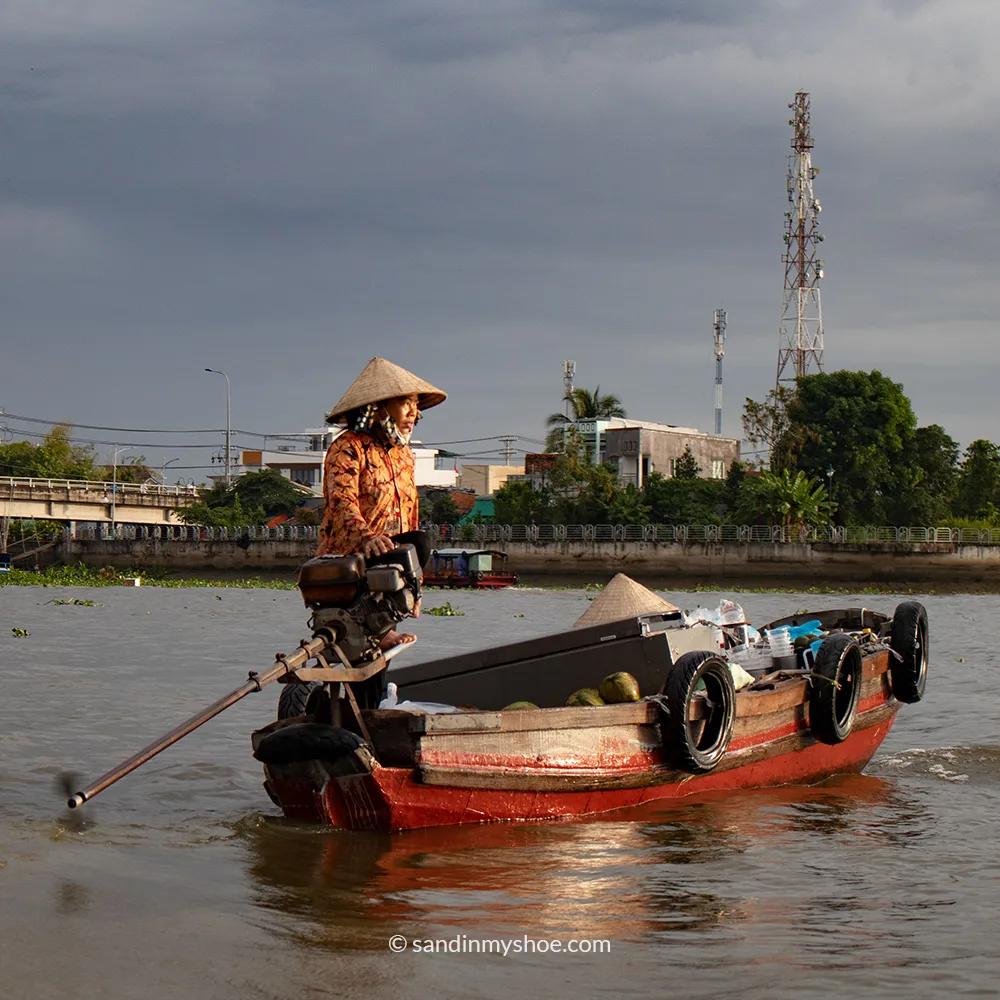
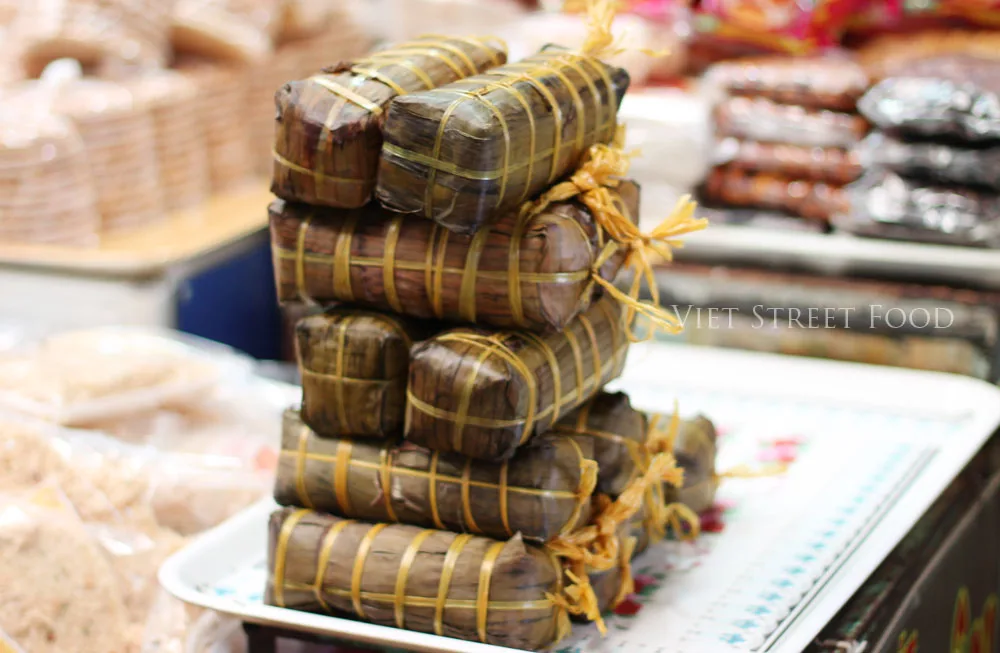
Southern Vietnam, especially Ho Chi Minh City and the Mekong Delta, presents a more energetic and colorful Tet environment. Apricot blossoms, with their bright yellow petals, symbolize prosperity and happiness. Markets in the south become exceptionally active, with vendors selling decorative items, traditional snacks, and large quantities of flowers. Families prepare bánh tét, a cylindrical rice cake wrapped in banana leaves. The warmer climate encourages outdoor gatherings, river excursions, and public festivities. Southern hospitality is particularly evident during Tet, as families welcome guests with abundant food and enthusiastic greetings. For those considering a trip that includes this region, exploring unique attractions in the Mekong Delta can offer a unique perspective on local life. Each region’s approach to Tet enhances the cultural richness of the holiday, offering visitors insight into how geography and local customs shape Vietnamese identity.
Food Traditions: The Culinary Core of Tet
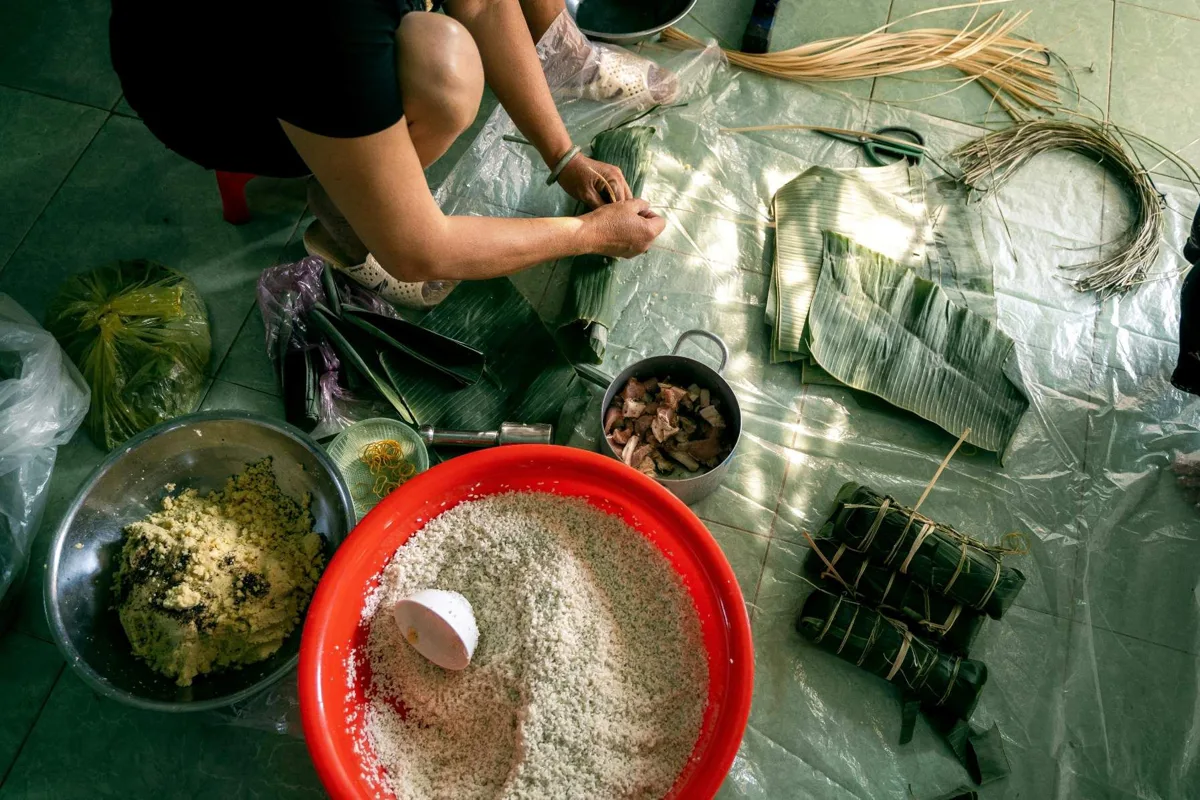
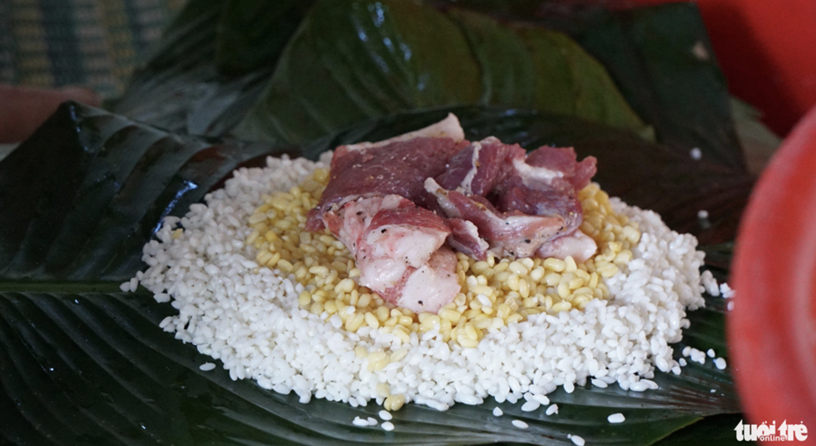
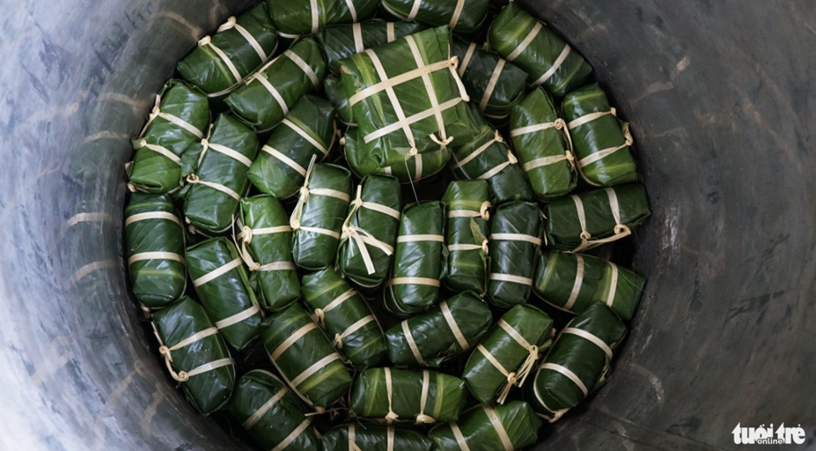
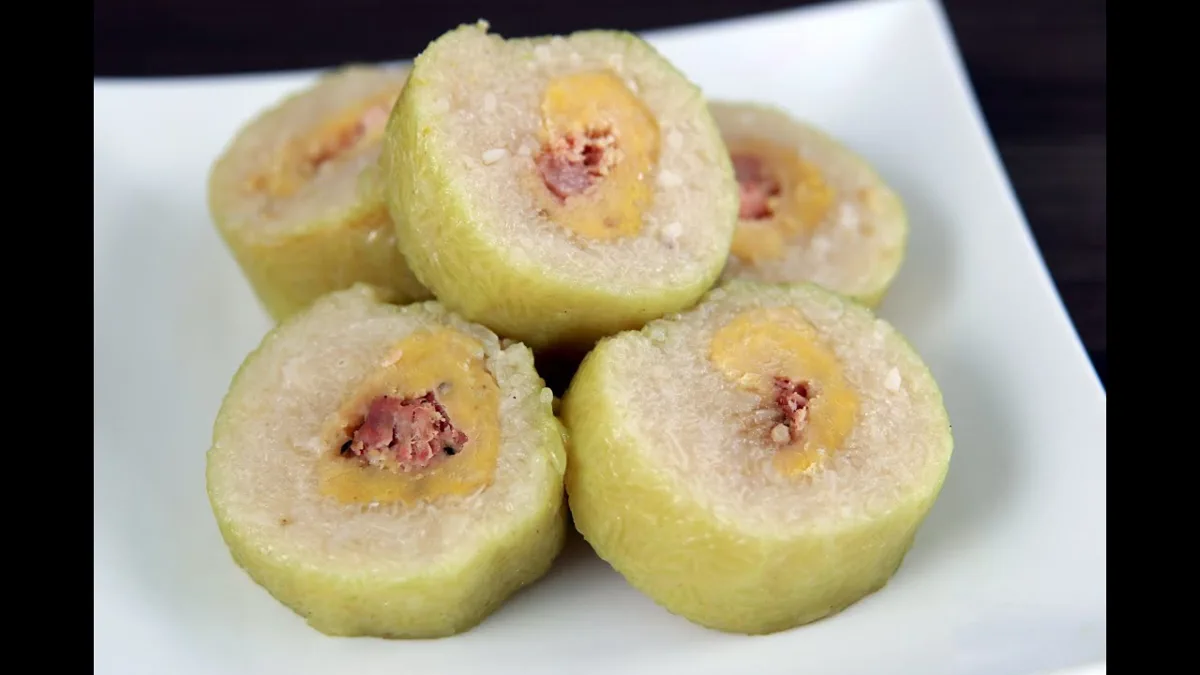
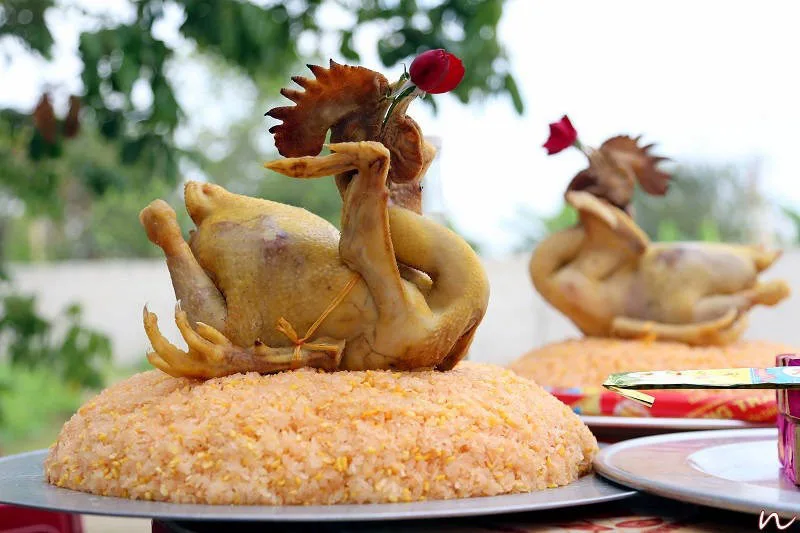
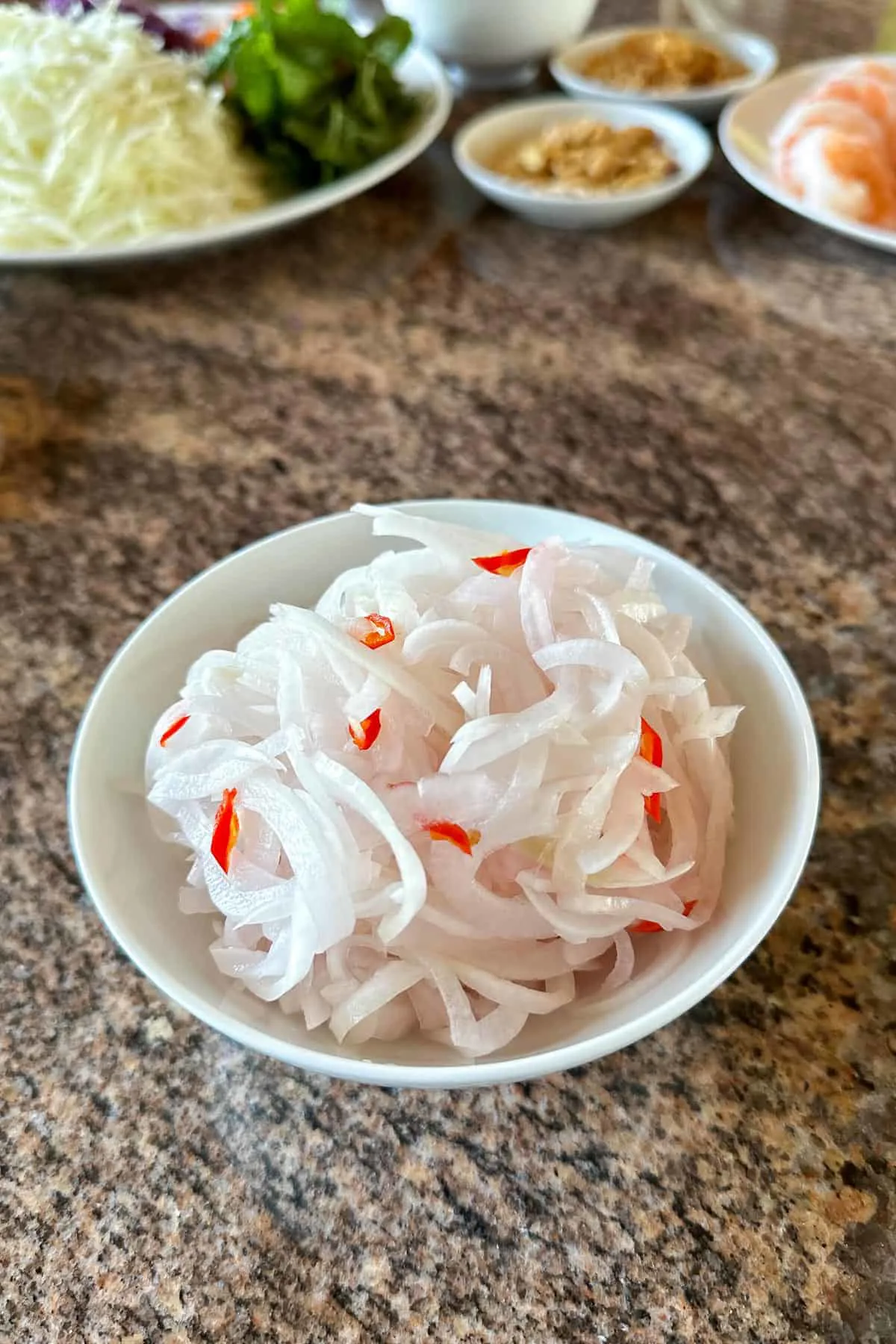
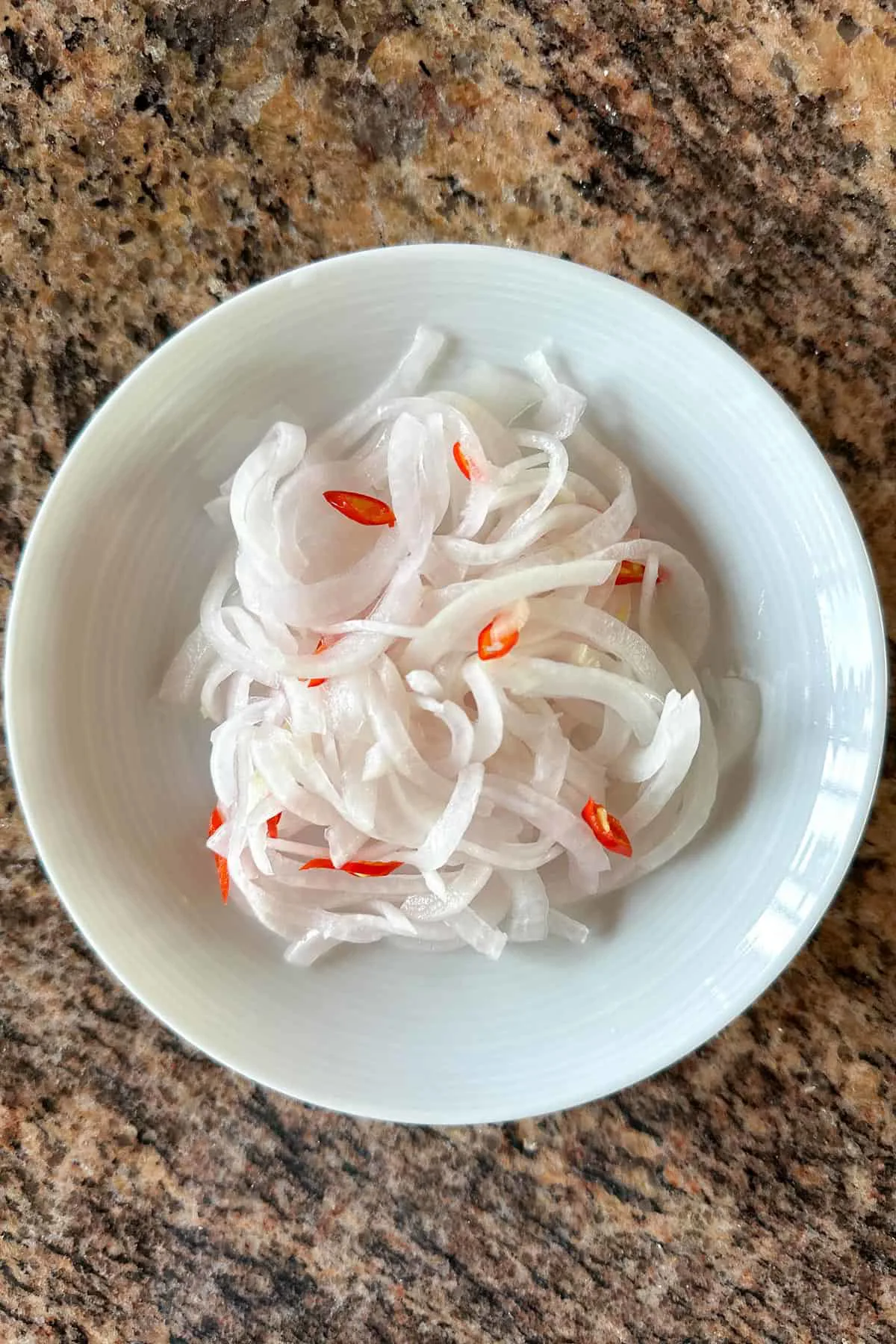
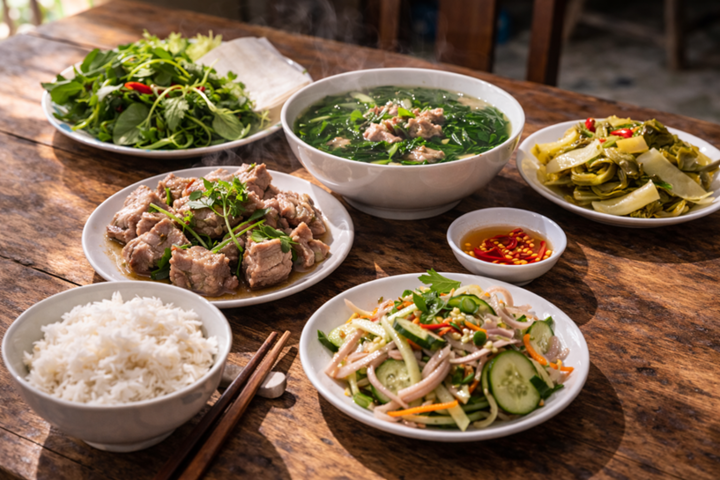
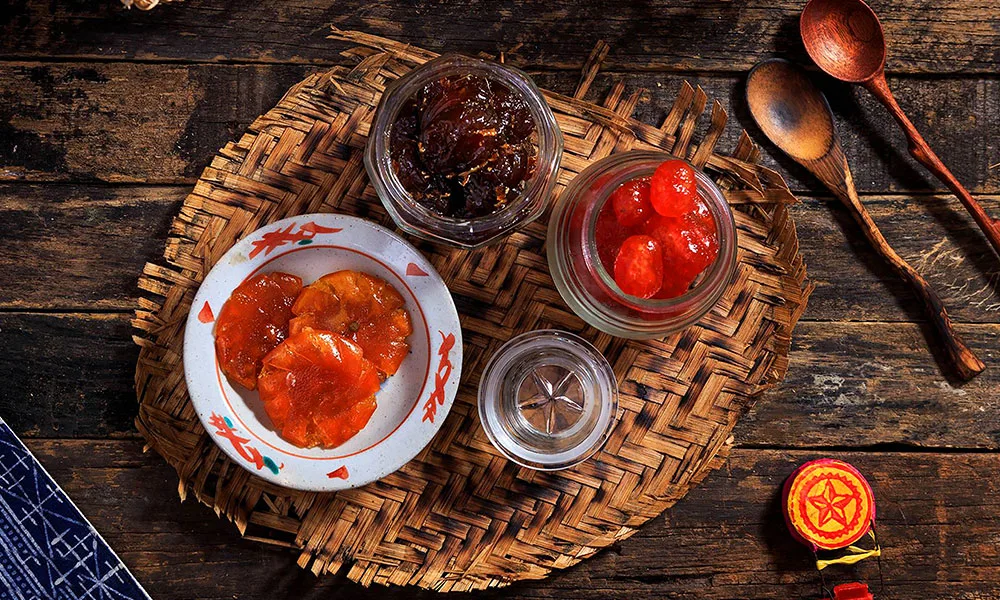
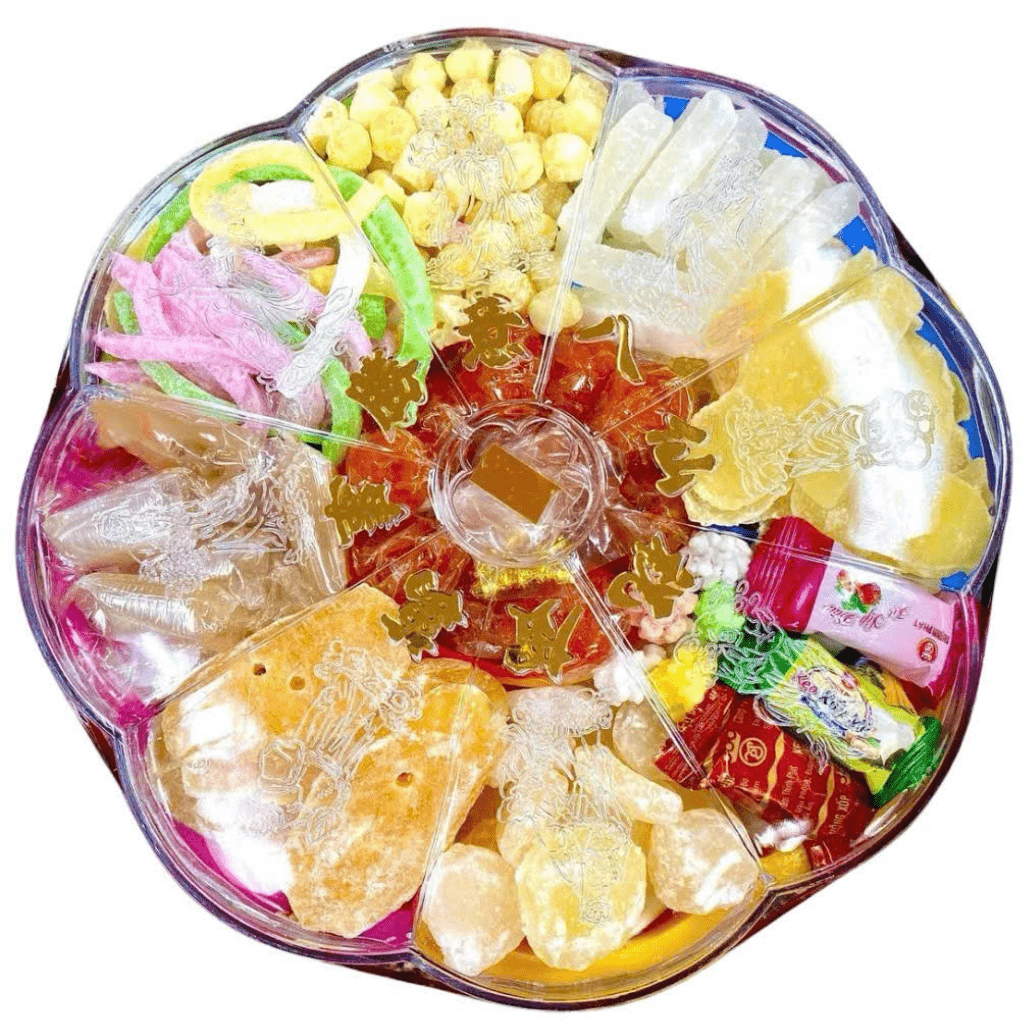
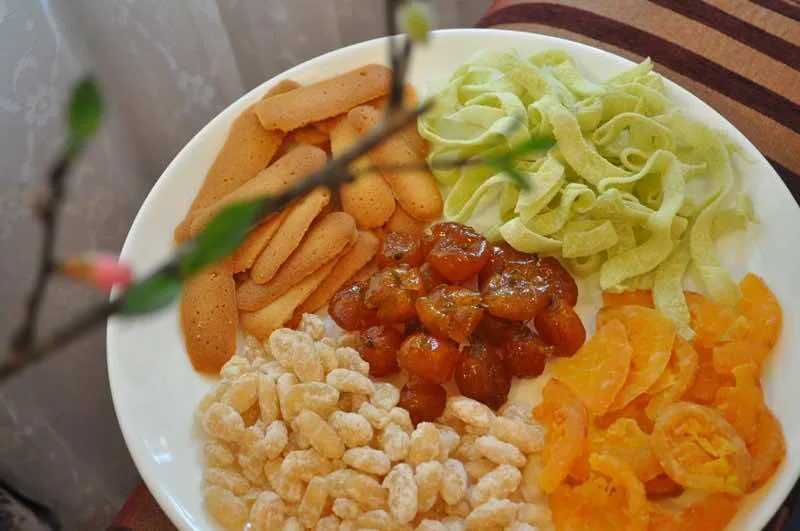
Tet cuisine carries profound symbolic significance and embodies the values Vietnamese people associate with prosperity, family unity, and respect for ancestors. Food preparation often commences days before the holiday and involves the collaboration of multiple generations. For many families, Tet cooking is a cherished tradition that brings relatives together well before the official celebrations begin. To learn more about the broader culinary landscape, consider understanding Vietnamese cuisine.
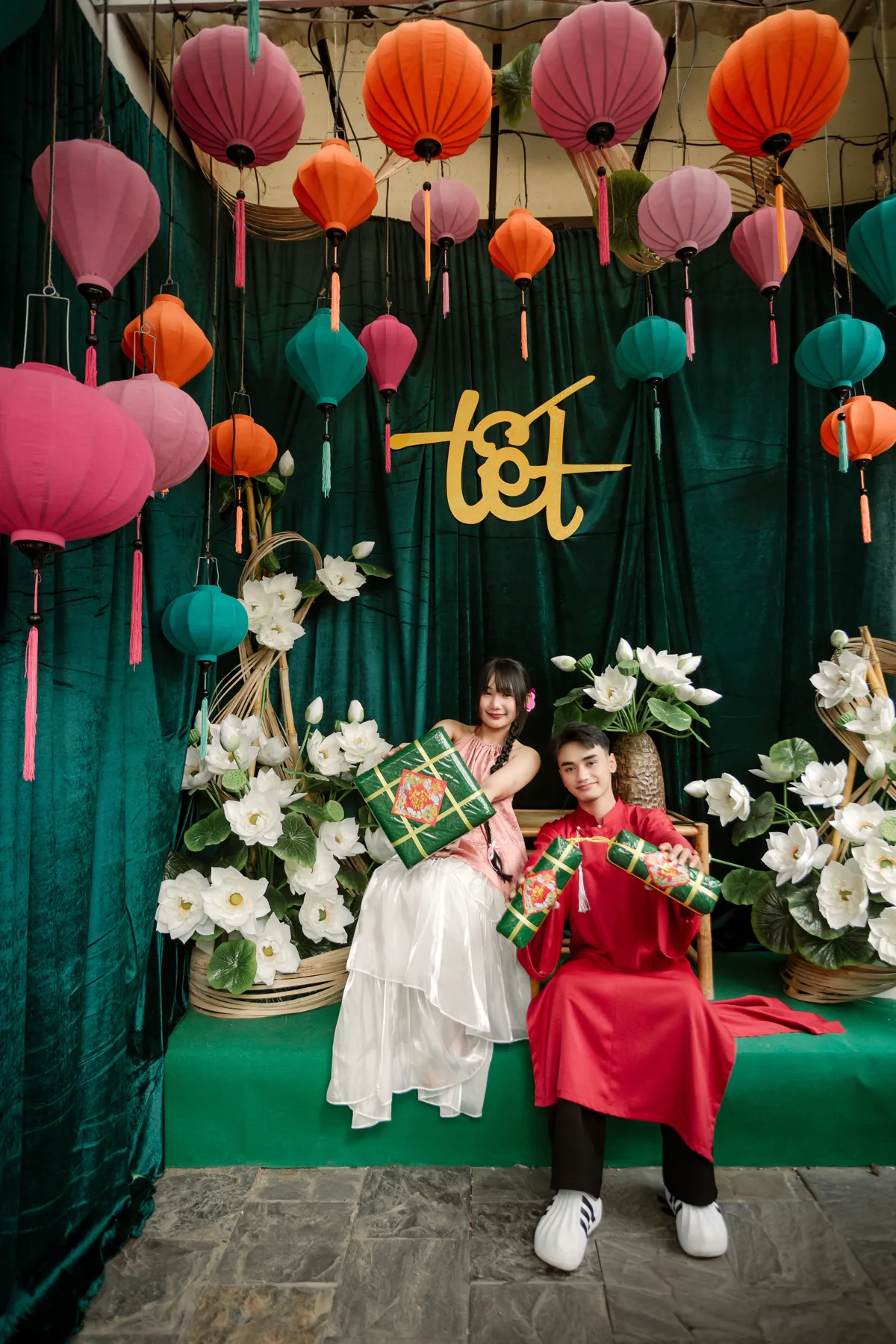
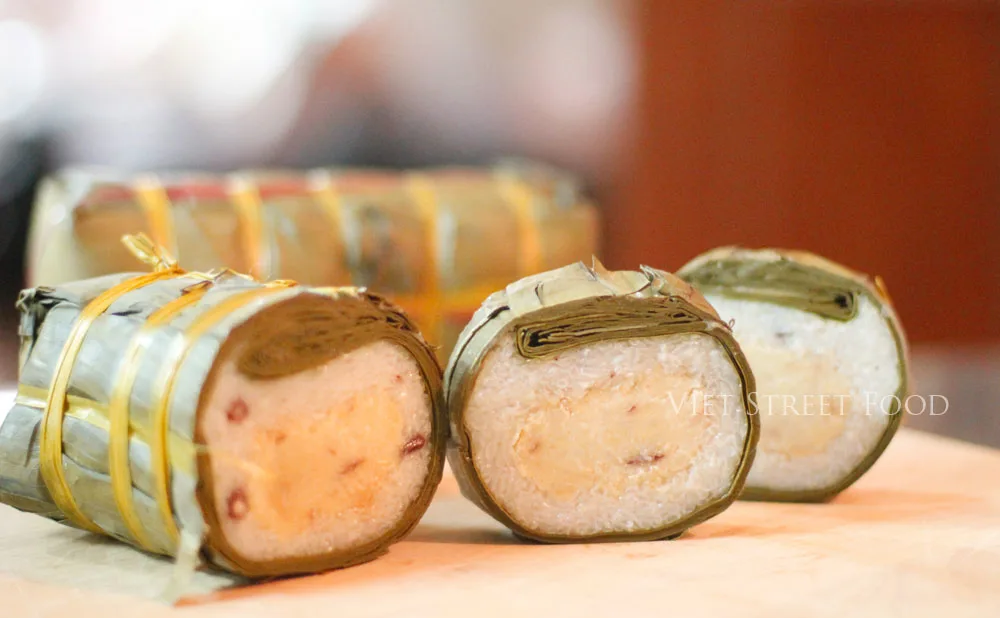
Bánh chưng in the North and bánh tét in the Central and Southern regions are the most recognizable Tet dishes. These rice cakes, crafted from glutinous rice, mung beans, and pork, and encased in dong or banana leaves, express gratitude to ancestors and symbolize the Earth in Vietnamese mythology. Preparing these cakes is labor-intensive, often requiring overnight boiling and continuous oversight. Families gather around the cooking pots, sharing narratives, tea, and snacks while awaiting the cakes' completion.
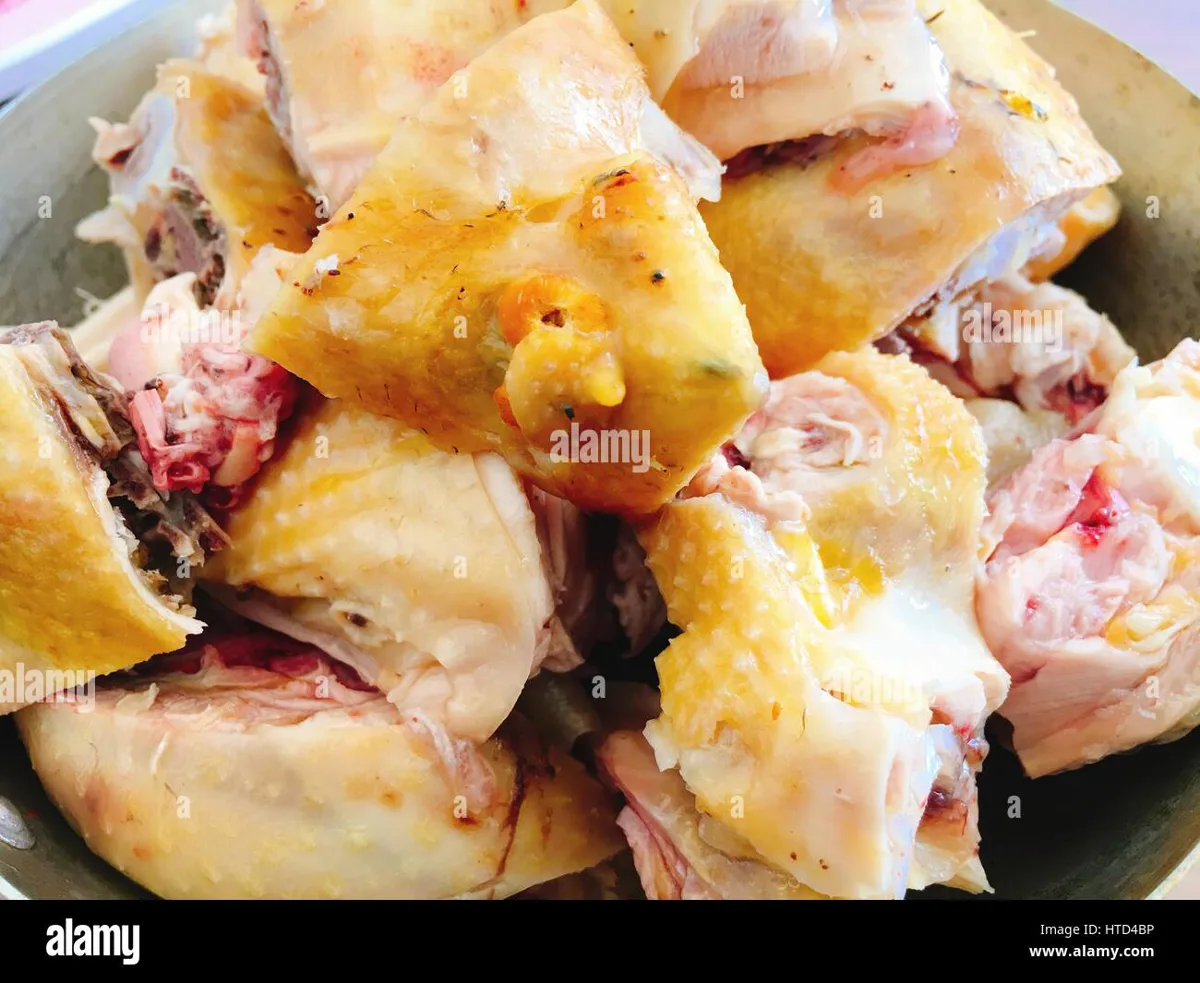
Other Tet dishes vary by region but share common themes of abundance and good fortune. Boiled chicken is an important dish, symbolizing purity and prosperity. Pickled onions or other pickled vegetables help balance the richness of Tet meals while representing freshness and renewal. Various sweets such as candied fruits, coconut preserves, and roasted watermelon seeds are present in households as symbolic treats that visitors enjoy throughout the holiday. Food during Tet also reflects the cultural value placed on hospitality. Homes keep their tables stocked with snacks, tea, and fruits to greet guests at any time. Visitors frequently arrive without prior announcement, and offering food is a gesture of respect and generosity. For travelers, experiencing Tet cuisine offers a window into the emotional and cultural depth of the holiday, revealing how food plays a central role in expressions of gratitude, celebration, and community.
Navigating Travel During Tet: Practical Advice for Visitors
Traveling in Vietnam during Tet necessitates careful planning and adaptability. While the cultural immersion offered is exceptional, the holiday affects transportation, accommodation, business operations, and general travel logistics. Understanding these impacts assists travelers in navigating the festive season smoothly.
A significant change during Tet is the high volume of domestic travel. Millions of Vietnamese return to their hometowns, leading to extremely busy transportation hubs in the days preceding Tet. Flights, buses, and trains are frequently fully booked weeks in advance, and ticket prices may increase. Travelers intending to move between cities during this period should secure transportation early to prevent last-minute complications.
Accommodation in major tourist destinations may remain available, but smaller towns can be challenging to book as local residents often reserve rooms for returning family members. Hotels in large cities like Hanoi and Ho Chi Minh City typically remain open, but some smaller guesthouses might close during the initial days of Tet. Visitors should confirm bookings and operating hours well in advance. Restaurant and shop closures can be unexpected for travelers. Many businesses close entirely for the first two or three days of Tet, particularly in non-touristic areas. However, larger hotels, international restaurants, and establishments near tourist attractions usually stay open. Street food options might temporarily decrease, but larger markets gradually reopen as the holiday progresses.
Despite these practical challenges, Tet provides enriching travel experiences. The festive decorations, cultural customs, and family gatherings create a distinctive atmosphere. Pagodas fill with visitors offering new year prayers, streets transform into flower-filled displays, and neighborhoods illuminate with colorful ornaments. Travelers who embrace the slower pace and cultural focus of Tet often find it to be one of the most memorable times to visit. For those interested in a comprehensive experience across the country, a 10-day cultural journey from Northern to Southern Vietnam can provide a unique perspective on local life.
The Emotional and Cultural Significance of Tet in Modern Vietnam
Tet continues to hold profound emotional importance in contemporary Vietnamese society, even as lifestyles modernize and urban areas expand. Many families perceive Tet as a grounding force that balances fast-paced city life with traditional values. Young professionals working far from home frequently return to their ancestral villages during this period, maintaining strong family connections and reinforcing cultural continuity.
The holiday also serves as an occasion for introspection. Vietnam’s rapid development can generate stress, but Tet offers a structured pause where people reconnect with family, honor ancestors, and re-evaluate personal objectives. The rituals provide a sense of stability and meaning in a changing world. For many, Tet is not solely about celebration but also about gratitude, resilience, and optimism. In urban areas, modern Tet incorporates global influences such as New Year’s countdowns, concerts, and public festivities, yet traditional values remain central. The fusion of old and new reflects Vietnam’s dynamic culture. Traditional Tet customs retain their importance, but younger generations also introduce contemporary interpretations, blending global influences with Vietnamese identity. For travelers, experiencing Tet offers insight into how Vietnam balances tradition and modernity. Observing families gather, witnessing rituals at pagodas, and participating in local celebrations reveal the emotional depth of the holiday. Tet underscores what Vietnamese people value most: family, respect, resilience, and connection.
Frequently Asked Questions About Tet Vietnam Lunar New Year
When is Tet celebrated in Vietnam?
Tet follows the lunar calendar, typically occurring between late January and mid-February each year.
How long does the Tet holiday last?
The official public holiday usually spans about one week, but preparations and associated celebrations can extend over two to three weeks.
Is Tet a suitable time to visit Vietnam?
It can be a rewarding time, but visitors should anticipate business closures, busy transportation, and a generally slower pace of commercial activity. The cultural atmosphere, however, is exceptional.
Do shops and restaurants close during Tet?
Many establishments do close, particularly during the first two or three days. Tourist-oriented areas generally have more places that remain operational.
Is inter-city travel challenging during Tet?
Yes, transportation networks experience high demand, and tickets often sell out considerably in advance. Booking travel arrangements early is essential.
What traditional foods are associated with Tet?
Families prepare customary holiday dishes such as bánh chưng or bánh tét, boiled chicken, various pickles, sweets, and dried fruits.
What is the primary purpose of Tet?
Tet serves as a time to honor ancestors, reunite with family, welcome the new year, and establish intentions for a fresh beginning.
Why do families thoroughly clean their homes before Tet?
The act of cleaning symbolizes the removal of the previous year’s misfortunes and creates space for new blessings and good luck.
What are the red envelopes distributed during Tet?
These are called “lì xì,” and they contain small sums of money intended to convey good luck and encouragement for the new year.
Are there fireworks during Tet?
Major cities like Hanoi, Da Nang, and Ho Chi Minh City typically organize public fireworks displays on New Year’s Eve.








