
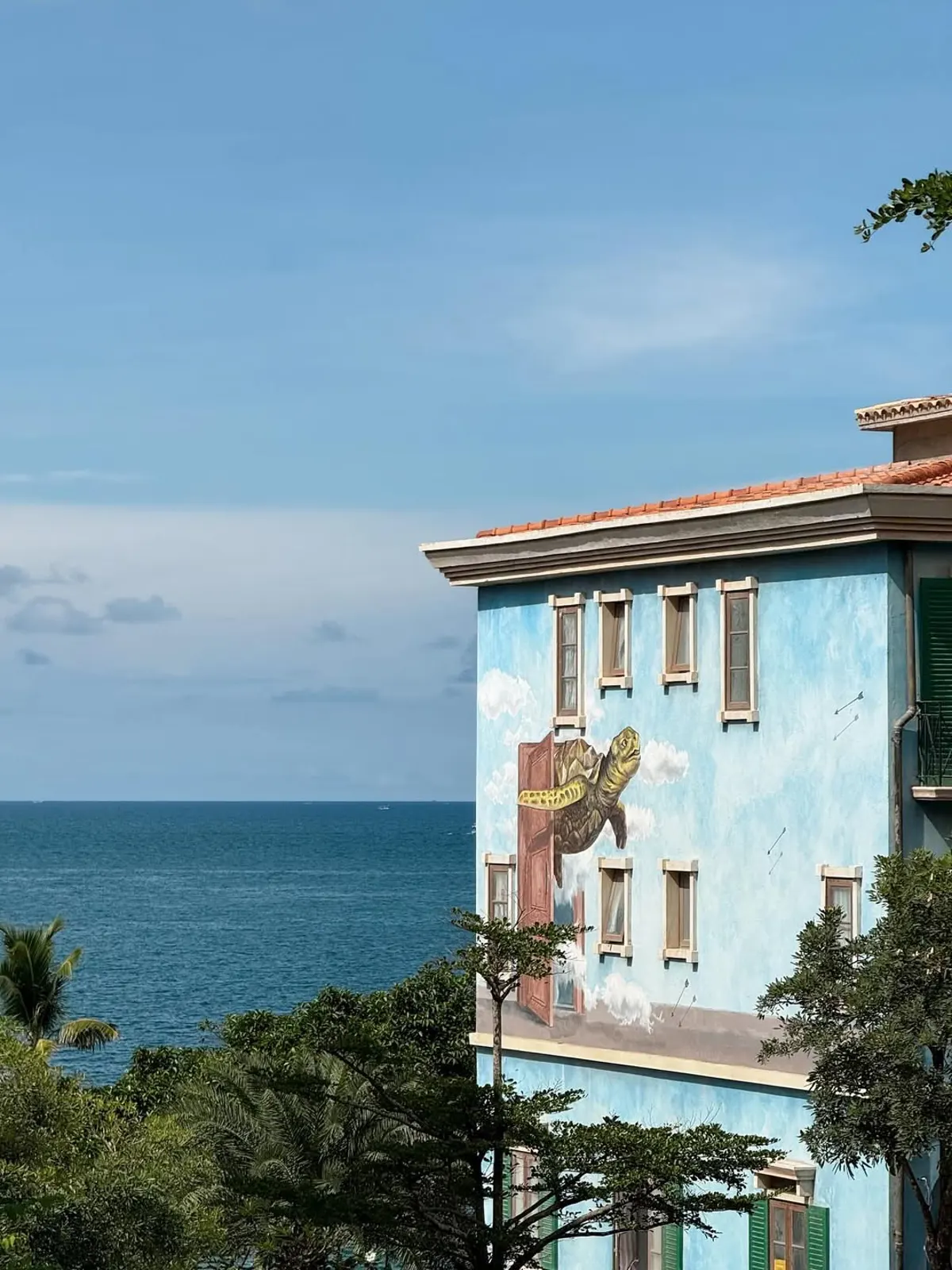
Phu Quoc Island, situated off Vietnam's southwestern coast, offers a diverse range of experiences for travelers seeking a tropical escape. Known for its inviting sandy shores and clear waters, this island destination, roughly the size of Singapore, features a landscape of nearly 100 mountains, verdant forests, and striking waterfalls. Visitors can find both serene relaxation and engaging activities across its varied terrain.
Reaching Phu Quoc: Transport Options
Accessing Phu Quoc Island involves several transportation choices, catering to different budgets and preferences. The island is located approximately one hour by air from Ho Chi Minh City, making it a convenient destination for a beach holiday.
Traveling by Bus and Ferry: Budget-conscious travelers can opt for a combined bus and ferry journey. Buses depart regularly from Ho Chi Minh City to Rach Gia, with a travel time of approximately six hours and fares typically ranging from 150,000 to 200,000 VND (around $7-$9 USD) one way. It is advisable to purchase tickets in advance and arrive at the bus station 30 minutes before departure. From Rach Gia Port, a ferry service connects to Phu Quoc Bai Vong Fast Boat Pier, taking about 2.5 hours. Recommended ferry operators include Superdong and Phu Quoc Express, with tickets priced between 230,000 and 300,000 VND ($11-$13 USD). Passengers should arrive with their tickets well before the scheduled departure.
Traveling by Private Car and Ferry: For those with more time and a flexible budget, combining the journey with a stop in the Mekong Delta offers a more relaxed approach. Traveling from Ho Chi Minh City to Can Tho allows for an overnight stay to explore the rural surroundings and sites such as the ancient On Temple or the renowned Cai Rang Floating Market. Can Tho, considered the heart of the Mekong Delta, is located on the Hau River, a waterway sometimes referred to as “river of poems.” Local transportation methods like ferries or rowboats can be arranged.
By Air: The quickest and most convenient way to reach Phu Quoc is by air. Flights from Tan Son Nhat Airport in Ho Chi Minh City take approximately one hour. Airlines serving this route include Vietnam Airlines, Pacific Airlines, and Vietjet Air. While generally the most expensive option, airfares are still considered reasonable, typically ranging from $30-$130 USD, though prices are subject to change until booking. Upon arrival at Phu Quoc Airport, taxis are readily available, or private transfers to hotels can be pre-arranged.
Navigating Phu Quoc Island
Once on Phu Quoc, several methods allow visitors to explore the island's diverse landscapes and attractions.
Exploring Phu Quoc Island is often best accomplished by motorbike, particularly for those seeking out less frequented beaches and points of interest. Motorbikes can be rented from most hotels on the island or from numerous rental shops located in Duong Dong Town. Daily rental costs usually fall between 100,000 and 150,000 VND, with fuel being an additional, relatively low expense. It is crucial to wear a helmet, as traffic laws in Vietnam are strictly enforced, and maintaining speed limits helps avoid potential fines.
Alternatively, taxis or private cars with drivers offer a comfortable way to travel across the island. For excursions to the smaller islands of the southern archipelago, boat transport is necessary. Visitors can arrange these trips directly at the harbor with local boat operators. For those who prefer pre-arranged services, hotel receptionists or tour desks can assist with bookings, or specialized travel consultants can organize specific island excursions in advance.
Island Highlights: Culture, History, and Local Life
Phu Quoc offers more than just beaches, providing opportunities to engage with Vietnamese history and local traditions.
Phu Quoc Prison: This site serves as a museum dedicated to the Vietnamese soldiers incarcerated during the Vietnam War. Exhibits include historical torture instruments, photographs of former prisoners, and life-sized mannequins depicting scenes from the prison's operational period. While the content can be intense, it offers insights into Vietnam's wartime history and the harsh realities faced by prisoners. The prison operates daily from 7:30 AM to 11:00 AM and from 1:30 PM to 5:00 PM. Admission is approximately 3,000 VND per person, and guided tours are available in various languages.
Phu Quoc Night Markets: Experiencing the local night markets is a popular activity across Southeast Asia, and Phu Quoc offers two prominent examples. Both are situated along Vo Thi Sau Street in Duong Dong Town: Dinh Cau (the older market) and Bach Dang (the newer market). Their close proximity allows visitors to explore both in a single evening. These markets are known for their aromatic food stalls, particularly fresh seafood and local delicacies, and provide opportunities for souvenir shopping. Finding unique souvenirs is a popular part of travel. Bargaining is a common practice. The markets generally open around 6:00 PM and continue until approximately 10:30 PM, subject to weather conditions.
Ham Ninh Fishing Village: A visit to Ham Ninh Village provides a glimpse into traditional island life. This long-established fishing community is one of Phu Quoc's oldest, with fishing being a primary source of income for residents. Numerous seafood restaurants are found here. The village also offers insights into other local livelihoods, such as pearl cultivation and sea cucumber harvesting. Engaging with the friendly local community offers a genuine cultural experience.
Nature, Wildlife, and Adventure Activities
Beyond its cultural sites, Phu Quoc provides ample opportunities for nature exploration and adventurous pursuits.
VinPearl Safari Phu Quoc: Located within the Phu Quoc United Center in the island's northwest, VinPearl Safari is Vietnam's first and only open zoo designed on an international safari model. The park is divided into two sections: a walking zoo and a safari area. Each section provides distinct habitats, ensuring appropriate living conditions for the animals. Visitors can observe various species from regions including South Africa, Europe, India, and Australia, all maintained with high standards of care. This experience, particularly the bus ride through the safari, allows for close encounters with animals such as elephants, giraffes, tigers, lions, bears, rhinos, hippos, deer, antelope, zebras, monkeys, lemurs, oxen, and diverse bird species.
Suoi Tranh (Tranh Stream): Just a ten-minute drive from town, Suoi Tranh offers a refreshing change from the coast, featuring lush greenery and natural caves. This area is suitable for picnics, camping, and hiking, showcasing local flora and fauna. The ideal time to visit is during the rainy season, from May to September, when the stream is at its fullest. An entrance fee of 5,000 VND per person applies, with parking available for 10,000 VND.
Phu Quoc Cable Car to Hon Thom Island: A notable attraction is the Phu Quoc cable car, recognized as the world's longest over-sea cable car, stretching nearly eight kilometers in each direction. It connects An Thoi Town with Hon Thom Island, also known as Pineapple Island. The fifteen-minute journey offers panoramic views over the Gulf of Thailand's waters. The cable car operates daily from 7:30 AM to 5:30 PM, with a 1.5-hour break for lunch. Hon Thom Island itself provides additional activities for visitors. Cable car experiences are a popular way to see Vietnam's landscapes.
Coastal Escapes and Underwater Exploration
Phu Quoc Island is renowned for its inviting coastline, making its beaches a primary draw for many visitors. Well-known spots include Long Beach, Ong Lang Beach, Khem Beach, and Bai Sao Beach, which are popular for photography and relaxation. For those seeking more secluded areas, numerous unmarked beaches offer tranquility and a chance to enjoy the warm, clear waters in privacy. Exploring the coastline often reveals these quieter spots. Discovering pristine beaches is a highlight of island travel in Vietnam.
Snorkeling and Diving: With 150 kilometers of coastline and twenty-one smaller islands, Phu Quoc is an excellent destination for underwater activities. The period from November to April, when the sea is typically calm, is considered the best time for snorkeling and diving. Both the northern and southern parts of the island offer suitable locations for observing marine life. In the northern region, recommended spots include Turtle Island, Fingernail Island, and Thom Beach. The southern areas feature sites like Hon Thom Island, Dragon Rock, Dry Island, Roi East, and Roi South. Turtle Island, the smallest of the 21 islands, is particularly noted for its extensive coral reefs, making it an ideal snorkeling spot. Boats for these excursions typically depart from Duong Dong Harbor, heading north along the coast, often including opportunities for fishing.
Recommended Venues and Markets
For dining and shopping, Phu Quoc offers a selection of beach bars and night markets. These locations provide opportunities to sample local cuisine, enjoy the island's atmosphere, and purchase souvenirs.
| Venue Name | Type | Location | Typical Hours (Verify Locally) | Notes |
|---|---|---|---|---|
| Rory’s Beach Bar | Beach Bar | (Location not supplied) | (Hours not supplied) | Relaxed setting for sunset viewing |
| Sunset Sanato Beach Club | Beach Bar | (Location not supplied) | (Hours not supplied) | Popular for sunsets and cocktails |
| OCSEN Beach Bar & Club | Beach Bar | (Location not supplied) | (Hours not supplied) | Beachfront drinks and atmosphere |
| Rock Sunset Island Bar | Beach Bar | (Location not supplied) | (Hours not supplied) | Island bar experience |
| The Rock Corner Beach Bar & Fast Food | Beach Bar & Eatery | (Location not supplied) | (Hours not supplied) | Casual dining by the sea |
| Dinh Cau Night Market | Night Market | Vo Thi Sau Street, Duong Dong Town | 6:00 PM - 10:30 PM (weather permitting) | Older market, seafood, souvenirs |
| Bach Dang Night Market | Night Market | Vo Thi Sau Street, Duong Dong Town | 6:00 PM - 10:30 PM (weather permitting) | Newer market, food stalls, shopping |
Frequently Asked Questions
What is the best time of year to visit Phu Quoc?
The dry season, from November to April, generally offers the most favorable weather for visiting Phu Quoc, with calm seas ideal for beach activities and water sports. The rainy season, from May to September, can be suitable for exploring inland natural attractions like Suoi Tranh.
How many days are recommended for a trip to Phu Quoc?
Visitors typically find that at least three days are needed to experience the main attractions and enjoy the island's atmosphere. A longer stay allows for more relaxed exploration and participation in a wider range of activities.
Is it easy to find vegetarian or vegan food on Phu Quoc?
While not as widely available as in larger Vietnamese cities, vegetarian and vegan options can be found, especially in Duong Dong Town and at some resorts. It is advisable to communicate dietary needs clearly when ordering.
Are there ATMs and banking services on Phu Quoc?
Yes, ATMs are available in Duong Dong Town and at some larger resorts. Major credit cards are accepted at many hotels and restaurants, but it's always wise to carry some local currency for smaller purchases and markets. Understanding banking services is helpful for travelers in Vietnam.
What local products are good for souvenirs from Phu Quoc?
Phu Quoc is known for its fish sauce, black pepper, and pearls. The night markets are good places to find these, along with other local crafts and food items. Remember to bargain for prices.








