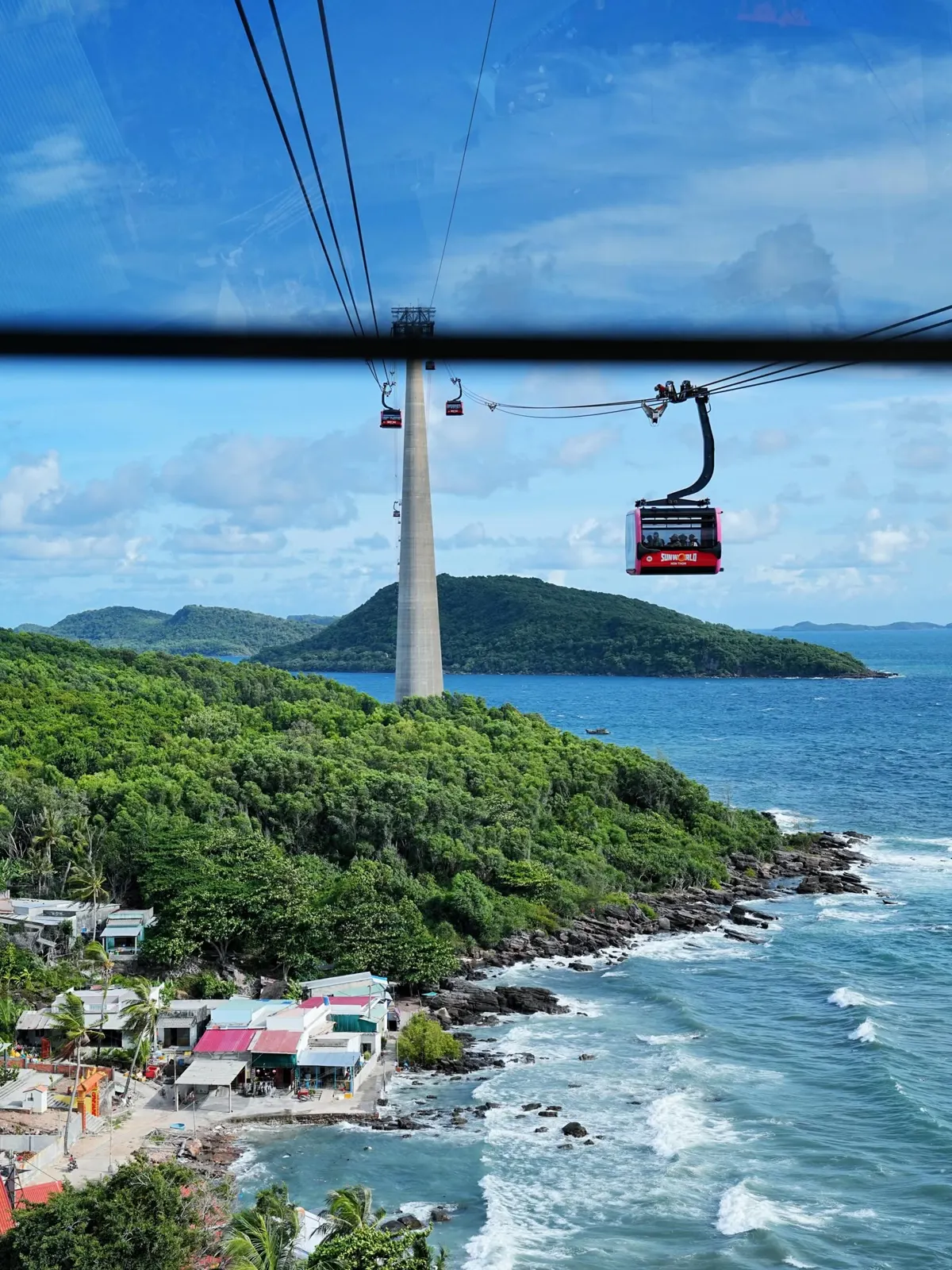
Phu Quoc, often referred to as Vietnam's "Pearl Island" due to its remarkably clear waters, stands as the nation's largest island. With an area comparable to Singapore's size in 1960, this destination is celebrated for its unspoiled beaches and serene environment, offering a unique blend of natural beauty and historical depth. It provides visitors with opportunities for both tranquil relaxation and engaging exploration.
Exploring the History and Natural Features of Phu Quoc
Phu Quoc Island possesses a rich and complex past, having been influenced by various nations including Vietnam, Cambodia, France, and America over recent centuries. Historically, the island gained recognition for its sea cucumbers, a commodity frequently transported by Chinese merchant vessels to distant markets, including the Emperor of China. This long history has shaped its identity, blending indigenous culture with external influences.
During the 1760s to 1780s, Phu Quoc served as a base for French missionaries. Later, the French colonial administration transformed parts of the island into a prison, utilizing its relatively remote and forested landscape. Following the French colonial era, American forces took control, leaving behind a significant number of Viet Cong prisoners. Today, sites like the former Coconut Tree Prison (Nha Lao Cay Dua) stand as a poignant historical monument, illustrating the hardships endured by Vietnamese soldiers during wartime and serving as a testament to their revolutionary spirit. It is now a museum, preserving the memory of these events.
Beyond its historical narrative, Phu Quoc has transitioned from a largely rural area to a prominent travel destination. This development is largely attributed to its exceptional beaches, extensive national forest, and diverse landscapes, which collectively draw a growing number of visitors seeking both natural beauty and cultural insights. The island's inclusion in the UNESCO designation of Kien Giang as a World Biosphere Reserve further underscores its ecological importance and the local commitment to conservation.
Key Attractions and Places to Visit on Phu Quoc Island
Phu Quoc offers a variety of attractions that cater to different interests, from tranquil beaches to historical sites and bustling local markets. Each location provides a distinct perspective on the island's character and heritage.
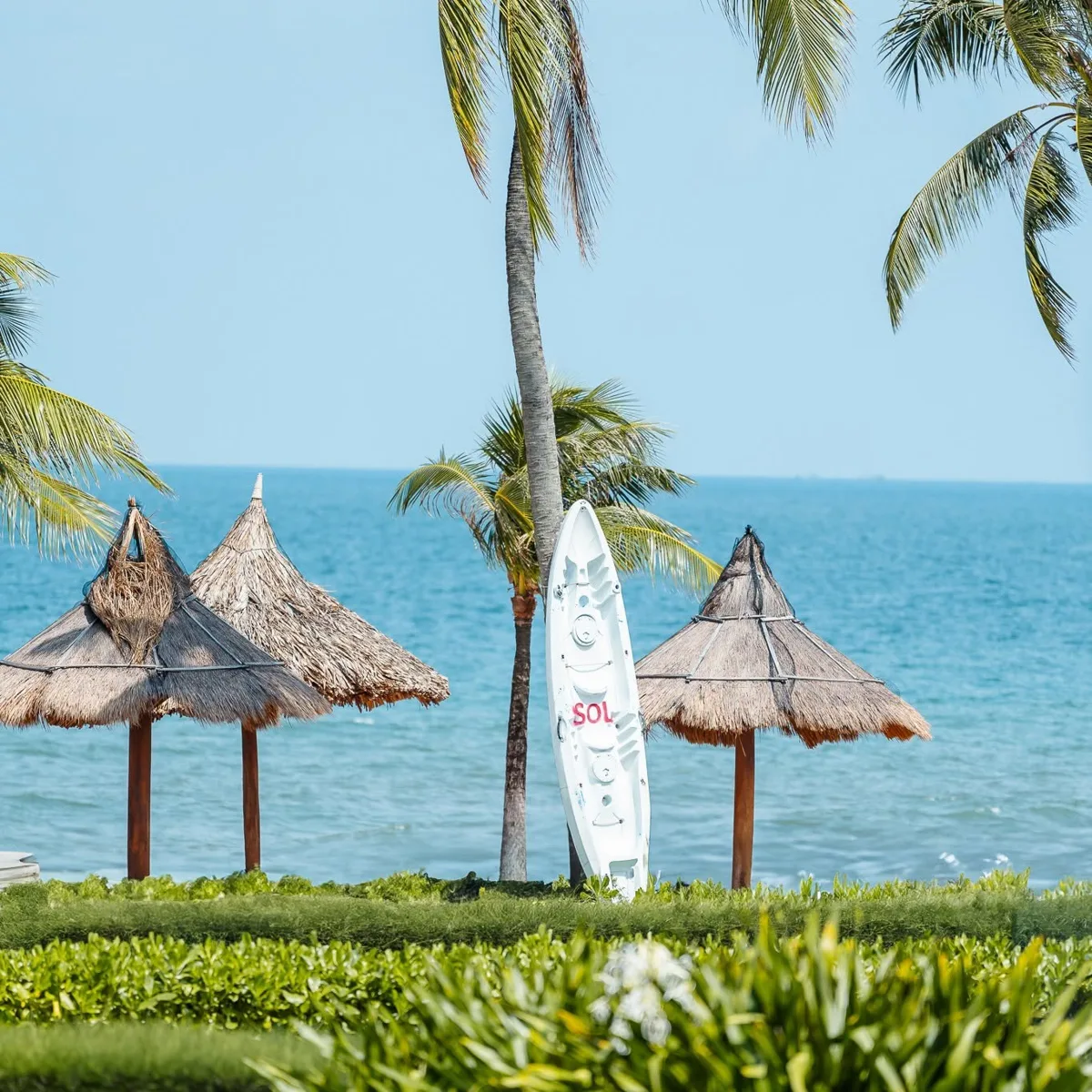
- Sao Beach (Bai Sao): Widely regarded as one of Phu Quoc's most appealing coastal areas, Sao Beach features brilliant white sand, exceptionally clear water, and a refreshing atmosphere, creating an ideal setting for relaxation. Visitors seeking a classic tropical beach experience will appreciate the swaying palm trees, a lush forest backdrop, and beachfront establishments offering refreshments while observing the sea. For those looking to unwind by the water, this beach provides a peaceful escape.
- Phu Quoc Prison (Nha Lao Cay Dua): This site, a special national monument, offers a poignant look into the island's past. Known as the Coconut Tree Prison, it serves as a historical museum illustrating the hardships endured by Vietnamese soldiers during wartime and stands as a testament to their revolutionary spirit under colonial and American occupation.
- Duong Dong Market: For an authentic glimpse into local life and commerce, Duong Dong Market is an essential visit. It is the largest and most well-known of the six primary markets on Phu Quoc, which also include Cau Sau, An Thoi, Ganh Dau, Ham Ninh, and Bai Thom markets. Duong Dong Market provides a wide array of goods, fresh produce, and local culinary offerings, making it a central hub for island residents and a fascinating place for visitors to explore local products and traditional crafts.
- Ho Quoc Pagoda (Truc Lam Ho Quoc): This represents the largest and most serene Buddhist temple on Phu Quoc Island. Situated along a ten-kilometer coastal road north of Sao Beach, the temple grounds offer expansive panoramic views of the sea, making it a worthwhile stop for its spiritual ambiance and scenic vistas.
- Phu Quoc National Park: Covering a significant portion of the island, this park protects diverse ecosystems and offers opportunities for nature exploration and hiking.
- Vinpearl Land Phu Quoc: A large entertainment complex featuring amusement rides, a water park, and other recreational facilities, popular with families.
- Phu Quoc Night Market: A lively evening market offering a wide selection of street food, local handicrafts, and souvenirs.
- An Thoi Islands: A cluster of southern islands known for snorkeling, diving, and boat trips.
- Suoi Tranh Waterfall: A scenic waterfall located within a lush forest, providing a refreshing spot for picnics and short walks.
- Khem Beach: Another beautiful white-sand beach, often noted for its crescent shape and calm waters.
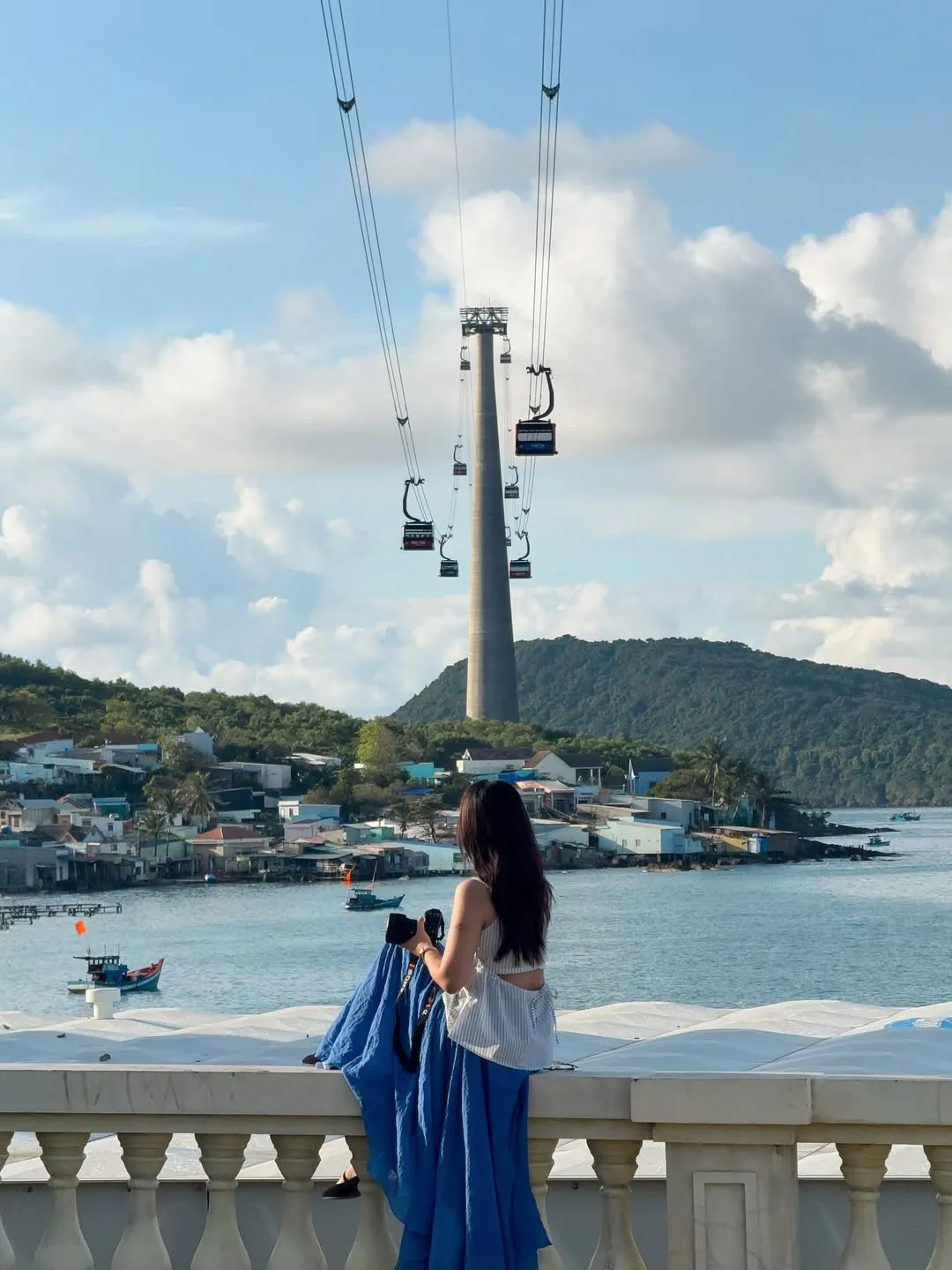
- Hon Thom Island: Accessible by cable car, this island offers beaches, water sports, and an amusement park.
Please note: Specific operational details such as exact addresses, phone numbers, current opening hours, or pricing for these attractions were not provided in the source material. For those interested in coastal beauty, Phu Quoc's beaches are comparable to some of Vietnam's most celebrated shores, echoing the allure found in places like Halong Bay's best beaches.
Planning Your Trip: Weather Patterns and Optimal Travel Periods
Understanding Phu Quoc's climate is crucial for planning a comfortable visit. The island experiences distinct dry and rainy seasons, each presenting different travel conditions and opportunities.
The dry season typically extends from November to April. This period is characterized by pleasant weather, making it the most popular time for tourism. Consequently, the peak tourist season falls between December and February. During these months, visitors can anticipate higher hotel prices and limited accommodation availability due to increased demand. Planning and booking well in advance are advisable if traveling during this busy window.
A period of particularly high temperatures occurs from April to May, which some travelers might find uncomfortably hot. For those seeking to avoid the largest crowds and potentially benefit from lower accommodation rates, the months of June to August, coinciding with the summer holiday period, are often suggested. This time can offer a more relaxed experience with fewer visitors compared to the peak dry season.
The rainy season spans from May to October. During these months, travelers should be prepared for more frequent downpours and potentially rougher sea conditions. While some activities might be affected by the weather, the island remains accessible, and certain experiences, such as exploring the lush interior, can still be enjoyable.
Transportation and Essential Travel Advice for Phu Quoc
Reaching Phu Quoc has become increasingly convenient for international travelers. The island is served by a modern international airport, allowing for direct flights from various locations. Alternatively, visitors can arrive by cruise ship, offering a different perspective of the island's coastal approach.
As a designated special economic zone, Phu Quoc offers a significant advantage for international visitors: a 30-day visa exemption. This policy applies to all foreign nationals entering, exiting, or transiting through the island, regardless of whether they arrive by air or sea. This exemption simplifies entry procedures for many tourists, making spontaneous visits more feasible.
When exploring Phu Quoc, it is important to note that cash transactions are prevalent. While ATMs are available in more frequented tourist areas such as the airport, Long Beach, and Duong Dong town, they are considerably scarcer in other parts of the island. Furthermore, many local establishments may not accept card payments. Therefore, it is strongly recommended to carry sufficient cash before venturing into less developed areas. For broader financial planning in Vietnam, resources like banking services in Ho Chi Minh City can provide useful context on managing money while traveling in the country.
A visit to Phu Quoc would be incomplete without engaging with its beautiful marine environment. Whether one holds a PADI diving certification or is simply a casual swimmer, dedicating time to water-based activities is highly recommended. Options range from surfing and snorkeling to simply relaxing on the white sands or enjoying a refreshing swim. These experiences are widely reported to be both invigorating and memorable, leaving a lasting impression of the island's natural allure.
Cultural Aspects of Phu Quoc
Phu Quoc maintains a relatively conservative cultural environment, partly due to its inclusion in the UNESCO Kien Giang World Biosphere Reserve. This designation highlights the importance of preserving both its natural ecosystems and traditional ways of life.
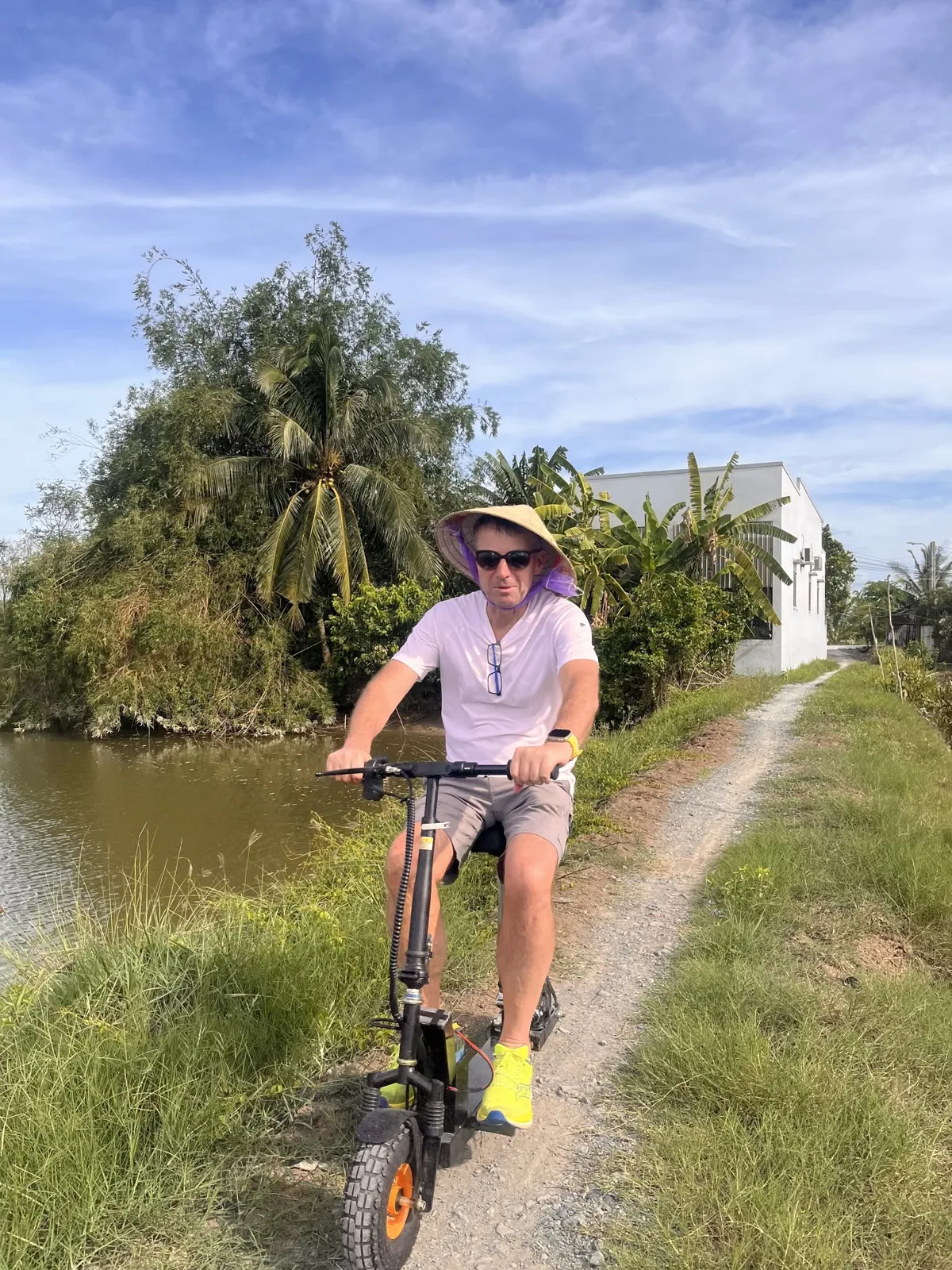
The local population primarily sustains itself through fishing and the growing tourism industry. Despite its increasing popularity as a travel destination, much of Phu Quoc retains a quiet character, with less traffic and fewer crowds compared to more urbanized areas. This peaceful atmosphere contributes to a relaxing experience for many travelers seeking a calm retreat.
Frequently Asked Questions
What is Phu Quoc known for?
Phu Quoc is known as Vietnam's largest island, often called "Pearl Island" for its clear waters. It is celebrated for its unspoiled white-sand beaches, serene atmosphere, and a rich history influenced by various nations. It also features a national park and significant historical sites.
When is the best time to travel to Phu Quoc?
The dry season, from November to April, is generally considered the best time to visit Phu Quoc due to pleasant weather. The peak tourist period is from December to February. For those preferring fewer crowds and potentially lower prices, June to August (the summer holiday period) is also a good option, despite being within the rainy season.
How can I reach Phu Quoc Island?
Phu Quoc can be reached by air, with a newly opened international airport offering direct flights. Alternatively, visitors can arrive by cruise ship. International travelers benefit from a 30-day visa exemption when entering the island through either method, as it is a special economic zone.
Are there specific cultural considerations on Phu Quoc?
Phu Quoc is considered a culturally conservative area, partly due to its status as a UNESCO World Biosphere Reserve. The local economy relies heavily on fishing and tourism. Visitors will find a generally quiet environment with less traffic, making it suitable for a peaceful trip.
Is cash necessary when visiting Phu Quoc?
Yes, carrying cash is highly advisable. While ATMs are available in major tourist hubs like the airport, Long Beach, and Duong Dong town, they are rare elsewhere. Many local businesses, especially outside these main areas, prefer or only accept cash payments.