
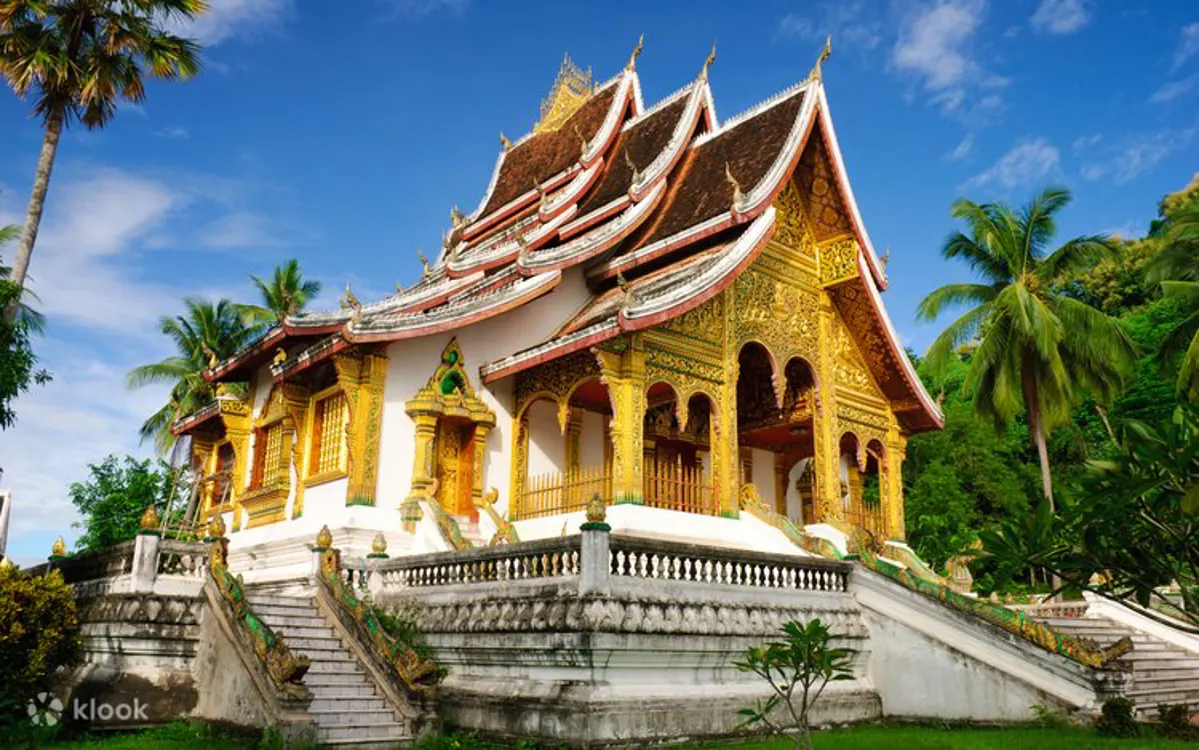
Luang Prabang, a town recognized for its cultural significance, offers a distinctive experience for those exploring Southeast Asia. This guide provides practical advice for first-time visitors, covering everything from seasonal weather patterns and currency management to transportation, local shopping, and dining options. Understanding these aspects will help ensure a smooth and enriching visit to this Lao destination.
Understanding Luang Prabang's Climate and Optimal Travel Periods
Luang Prabang experiences a tropical climate, typical of the region, characterized by several distinct seasons. The period between November and January is traditionally favored by many visitors due to its mild temperatures. However, this also coincides with the highest volume of tourists.
Traveling during the rainy season, which spans from April to July and again from September to October, can also be pleasant. During these months, rainfall usually manifests as brief afternoon showers, leaving the rest of the day clear and agreeable. If your visit falls in October, consider attending the Bun Awk Phansa boat race, an annual event held on the Nam Khan and Mekong rivers. The Lao New Year celebrations, occurring from April 13 to 15, are another significant cultural draw, known for their refreshing water-throwing traditions. It is generally recommended to avoid March, as temperatures can become extremely hot.
Managing Currency and Financial Transactions
The official monetary unit of Laos is the Kip (LAK). Denominations include 500, 1000, 2000, 5000, 10,000, 20,000, 50,000, and 100,000 Kip notes. While an exchange rate of 1 US Dollar equaling 8115 Kip was noted in 2016, visitors should verify current rates upon arrival as they fluctuate.
It is often possible to make payments using US Dollars (USD) and Thai Baht (THB) in many establishments, particularly those catering to tourists. In certain areas with Vietnamese communities, Vietnamese Dong may also be accepted. For currency exchange, travelers can utilize banks, the airport, and various currency exchange offices located throughout Luang Prabang. For those interested in regional financial practices, a guide on banking services in Hoi An offers further insight into managing money while traveling in Southeast Asia.
Navigating Transportation to and Within Luang Prabang
Arriving by Air
Luang Prabang International Airport (LPQ) is situated approximately 4 kilometers from the town center. This airport facilitates both domestic and international flights, with several airlines providing scheduled services. Operators include Lao Airlines, Bangkok Airways, Thai Airways, China Eastern Airlines, and Vietnam Airlines. The airport terminal offers various amenities such as retail outlets, dining establishments, information desks, currency exchange services, ATMs, and ground transportation options.
Bus Travel Options
For domestic travel within Laos, a bus journey from Vientiane to Luang Prabang typically takes about 10 hours and costs approximately 150,000 kips (around 18.38 USD). These services usually depart in the mornings from Vientiane's Northern Bus Station. Upon arrival at Luang Prabang's Naluang (Southern) Bus Station, shared tuk-tuks are available to transport travelers to the town center for about 10,000 kips per person.
Minibuses present a quicker alternative to public buses, though they can sometimes be less spacious. A minibus trip from Vang Vieng to Luang Prabang lasts approximately 5 hours and costs 60,000 kips (about 7.35 USD). From Vientiane, the journey by minibus takes around 7 hours and costs 150,000 kips (approximately 18.38 USD). Tickets for minibuses can be purchased from most travel agencies and some guesthouses. For those considering other regional transport methods, information on overnight rail journeys in Vietnam provides context on long-distance travel in neighboring countries.
International bus connections are also available, linking Luang Prabang with cities such as Hanoi and Vinh in Vietnam, Loei in Thailand, and Kunming in China. Travel times and fares for these international routes vary depending on the departure point.
River Journeys on the Mekong
One popular and scenic method of reaching Luang Prabang involves crossing the border from Chiang Khong in Thailand to Huay Xai, then taking a boat along the Mekong River. The slow boat option typically spans two days, includes an overnight stop in the small town of Pakbeng, and costs around 20 USD.
For a more luxurious experience, Luang Say Cruise offers two-day or three-day Mekong river excursions. The two-day cruise departs from Luang Prabang on Tuesdays, Wednesdays, and Saturdays during the high season, and on Wednesdays and Saturdays in the low season (May to September), with an overnight stay at the Luang Say Lodge near Pakbeng. This package ranges from 758 USD to 1,084 USD for a double cabin, depending on the season. The three-day option departs on Mondays, Tuesdays, and Fridays in the high season, and on Tuesdays and Fridays in the low season, following a similar route but with an additional overnight stop at the Kamu Lodge, situated near an ethnic Kamu village. This option costs between 970 USD and 1,386 USD. Meals, wine, and coffee are included in these packages, though other beverages from the onboard bar incur additional charges.
Alternatively, travelers can opt for Lao speedboats. These are flat-bottomed vessels equipped with powerful outboard motors, providing a fast journey. Passengers are required to wear helmets for safety. Tickets for these trips can be acquired from various travel agents, with fares around 400,000 kips (approximately 49 USD) to Huay Xai and 250,000 kips (about 30.64 USD) for a trip to Pakbeng only.
Local Transport: Tuk-tuks
When hiring a tuk-tuk for longer distances, it is advisable to negotiate the fare for the round trip in advance. Drivers will typically wait for passengers while they explore an attraction, with the full payment usually made upon returning to Luang Prabang. Short distances within the city generally cost between 20,000 and 30,000 kips (approximately $2.45 – $3.67). A shared tuk-tuk to Kuang Si Falls might cost around 50,000 kips (about $6.12) per person, while a private tuk-tuk for the same journey could be 150,000 kips (approximately $18.35).
Shopping for Authentic Luang Prabang Crafts
Luang Prabang is widely recognized as a prime destination for authentic Southeast Asian handicrafts. Historically, the town served as a hub for skilled artisans from across the former kingdom. Shopping here focuses on traditional crafts, artwork, textiles, and jewelry, with many handmade items conveying stories of the region and its people.
The most popular shopping experience is the Night Market, which operates daily from 17:00 to approximately 23:00. It stretches from Wat Mai along Sisavangvong Road to Settathilat Road in the town center. Here, H'Mong women from surrounding villages offer a variety of handmade and locally sourced products, including apparel, ceramics, bamboo items, lamps, blankets, bed covers, general handicrafts, and silk scarves. Visitors should look for the “Luang Prabang Handicraft Label” to identify genuine Lao handicrafts. For those interested in similar purchases in the wider region, a guide to unique purchases and souvenirs in Vietnam offers additional ideas.
Beyond the Night Market, numerous gift shops throughout the town provide couture-style textiles and distinctive household objects.
Selected Craft and Souvenir Shops in Luang Prabang
| Shop Name | Location | Specialty |
|---|---|---|
| Ock Pop Tok Living Crafts Centre | Ban Saylom, lane opposite Phousi Market | Top-quality fabrics, specific to Lao culture and traditions |
| Ma Té Sai | Ban Aphai | Handmade gifts, textiles, and homewares |
| Caruso Lao Home Craft | 60 Sakaline Road | Stylish silk clothes, accessories, ebony dishes, and statues |
| Pavillon de Jade | 10 Phothisarath Road | Natural-dyed silks, antique Chinese bronzes and ceramics, local silverware |
| Ban Lao Natural Products | Ban Vat Nong, along the Mekong | Handicrafts, textiles, and fashion accessories |
| Kopnoi, made in Laos | Ban Aphay | Silk and cotton clothes, accessories, decor elements, jewelry, books |
| Naga Creations | Sisavangvong Road | Silver jewelry, finery made from diverse precious and semi-precious stones |
Ethical Shopping Guidelines
When shopping in Luang Prabang, it is important to be mindful of ethical purchasing practices. Visitors are advised against buying antiques, particularly antique Buddha statues, as their sale contributes to the depletion of the country's historical and cultural heritage. Opting for replicas or newly crafted items is a more responsible choice.
Furthermore, refrain from purchasing wildlife products. This includes items such as snake or scorpion whiskey, tusks, teeth, horns, and paws. Laos faces significant challenges with wildlife trafficking and trade, which have reached critical levels. Even small purchases can inadvertently support this illegal activity. Resist the urge to buy or 'rescue' animals observed in markets, as doing so can perpetuate the problem and may constitute a legal offense.
Exploring Luang Prabang's Culinary Landscape
Luang Prabang's diverse cultural influences, evident in its architecture, also shape its culinary offerings. The dining scene features restaurants that blend European styles with the aromatic spices of Southeast Asia. As is common across the region, street food stalls are readily available, serving affordable and delicious noodle soups, spring rolls, and grilled meats. A visit to the food alley near the Night Market is often recommended for a taste of local flavors. Near the National Museum, outdoor tables are frequently filled with visitors enjoying fresh juices, smoothies, and sandwiches from numerous fruit stands. Beyond street food, Luang Prabang also hosts a notable selection of quality restaurants.
For those exploring the culinary offerings of the region, a dining guide to Phnom Penh offers a comparative look at the diverse food scene in a neighboring capital.
Notable Dining Establishments
- Tamarind Restaurant: An excellent venue for experiencing Laotian cuisine, offering authentic recipes. Staff are often available to guide diners on traditional eating methods. The restaurant also provides cooking courses.
- L’Elephant Restaurant: Features a menu combining French and Lao culinary traditions.
- The Apsara Restaurant & Bar: Serves traditional Lao dishes alongside a selection of Asian and Western fusion cuisine.
- The House Restaurant & Belgian Beer Bar: Specializes in Belgian beers and a range of European dishes.
- Lao Lao Garden: Known for its traditional Lao barbecue.
- The Belle Rive Terrace: Offers Lao and Thai dishes, with some Western favorites.
- Coconut Garden: Provides Lao cuisine, vegetarian options, and a selection of Western dishes.
- L’Etranger Books and Tea: A place for drinks and snacks, including vegetarian dishes.
Local Communication and Cultural Etiquette
Visitors to Luang Prabang may encounter a language barrier, as only a limited number of locals speak English. Therefore, clear verbal communication is important for expressing needs and wishes. Remembering to smile and speak softly can greatly assist in interactions.
Beyond language, adopting a relaxed approach to the pace of life in Luang Prabang is key to appreciating its unique atmosphere. Allowing time for unhurried observation and simply absorbing the surroundings is often cited as a central part of the experience. The town's distinctive character is best understood by embracing its tranquil rhythm.
Frequently Asked Questions
What is the best time of year to visit Luang Prabang?
The period from November to January typically offers mild temperatures, though it is also the busiest. The rainy season (April-July and September-October) brings brief afternoon showers and pleasant weather otherwise. March should generally be avoided due to extreme heat.
What currency is used in Luang Prabang and can I use other currencies?
The official currency is the Lao Kip (LAK). While the exchange rate of 1 USD to 8115 LAK was noted in 2016, it is advisable to check current rates upon arrival. US Dollars and Thai Baht are often accepted in tourist areas, and Vietnamese Dong may be used in some places with Vietnamese communities. Currency exchange is available at banks, the airport, and dedicated exchange offices.
How can I travel from Vientiane to Luang Prabang by bus?
Public buses from Vientiane's Northern Bus Station to Luang Prabang take approximately 10 hours and cost around 150,000 kips (about 18.38 USD). Minibuses offer a quicker journey, taking about 7 hours from Vientiane for the same price, but can be less spacious. Upon arrival at Luang Prabang's Naluang (Southern) Bus Station, shared tuk-tuks to the town center are available for about 10,000 kips per person.
What types of souvenirs should I consider buying in Luang Prabang?
Luang Prabang is renowned for its traditional handicrafts, including textiles, art, and jewelry. The Night Market is a popular spot for handmade apparel, ceramics, bamboo items, and silk scarves, often sold by H'Mong women. Look for the "Luang Prabang Handicraft Label" for authenticity. It is important to avoid purchasing antiques, especially Buddha statues, and any wildlife products to support cultural preservation and combat illegal trade.
Is it possible to take a boat trip along the Mekong River to Luang Prabang?
Yes, a popular option is the slow boat journey from Chiang Khong in Thailand, crossing to Huay Xai, and continuing up the Mekong. This typically takes two days, including an overnight stay in Pakbeng, and costs around 20 USD. More luxurious two or three-day cruises, such as those offered by Luang Say Cruise, are also available, providing enhanced comfort with included meals and accommodation. Faster speedboat options are also an alternative, though they require wearing a helmet due to their speed.








