
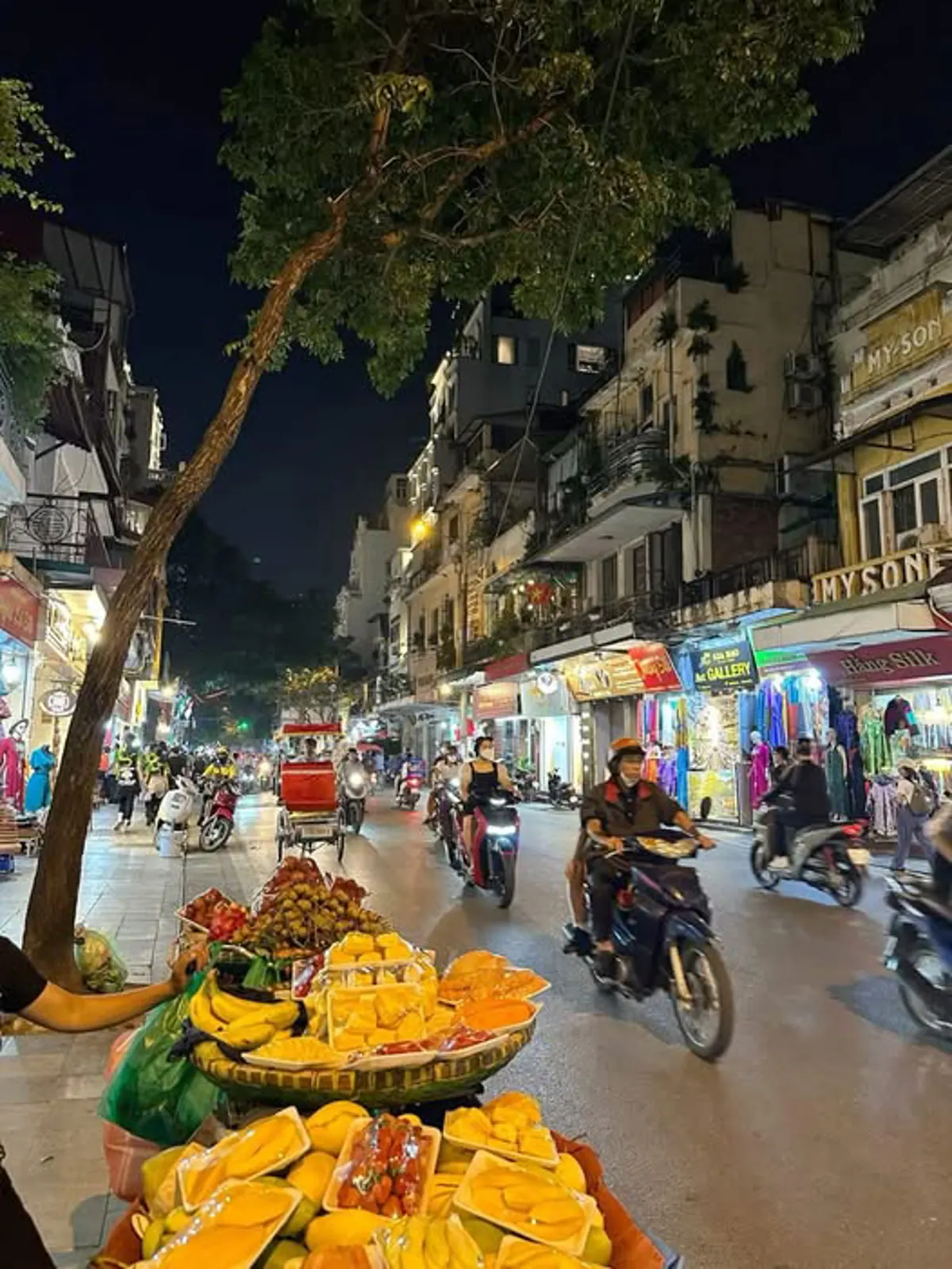
Hanoi, Vietnam's capital, presents a diverse culinary landscape where traditional street food stalls coexist with sophisticated dining establishments. For those seeking an elevated gastronomic experience, the city's fine dining scene has expanded considerably, offering a range of options from reimagined Vietnamese dishes to international gourmet selections. This guide explores some of Hanoi's premier restaurants, providing details to help plan an exceptional meal.
Hanoi's Evolving Upscale Dining Scene
Hanoi's culinary reputation extends beyond its famed street food. In recent years, the city has seen a notable growth in restaurants dedicated to refined cuisine. These establishments often blend traditional Vietnamese ingredients and cooking methods with contemporary presentation and global culinary techniques. Many are housed in beautifully restored colonial buildings or modern high-rises, offering not just exceptional food but also a memorable setting, from intimate, art-inspired spaces to venues with panoramic city views.
Recommended Fine Dining Establishments in Hanoi
For travelers seeking an exquisite meal, Hanoi offers numerous choices, each with its own distinct character and culinary focus. Below is a detailed overview of notable restaurants, including their specialties and practical information.
| Restaurant Name | Address | Phone Number | Cuisine Focus | Price Range (approx. USD) | Key Highlights |
|---|---|---|---|---|---|
| SpicesVilla | 73 Ly Nam De, Hoan Kiem | +84 93 626 00 99 | Authentic Vietnamese | $4-8 per dish | Cozy, modern setting; crispy spring rolls, Ngu Xa pho rolls. |
| Gia Restaurant | 61 Van Mieu Street, Dong Da | +84 896 682 996 | Creative Vietnamese | $70-100 per person (set menu) | Michelin star, seasonal tasting menu, intimate and elegant. |
| Khue Restaurant | 12th floor, Le Jardin Hotel, 46A Nguyen Truong To, Ba Dinh | +84 24 6668 2299 | Vietnamese & Western Fusion | $30 per set per person | Panoramic city views, seasonal ingredients, pan-fried sea bass. |
| Moca Dining | 16 Nha Tho, Hoan Kiem | 0819 961 997 | Vietnamese with French Twist | $13.7+ per dish | Old French villa ambiance, à la carte menu, Pho Wagyu puff pastry. |
| Cloud Nine Restaurant | 9th floor, La Siesta Premium Hotel, 27 Hang Be, Hoan Kiem | +84 24 3929 0011 or +84 24 3929 0055 | Vietnamese & Western Fusion | $47 per set for 2 | Panoramic city skyline, romantic setting, Australian beef, baked salmon. |
| Grill 63 Hanoi Restaurant | 63rd floor, Lotte Hotel, 54 Lieu Giai, Ba Dinh | +84 24 3333 1000 | Premium Western | $16.4+ per dish | Spectacular panoramic views, upscale ambiance, beef steak, grilled lobster. |
| TUNG Dining | 2C Quang Trung, Hoan Kiem | +84 859 933 970 | Modern Vietnamese (Nordic influence) | $27+ per main course | Michelin Guide recognized, seasonal tasting menu, unique beverage pairings. |
| French Grill | JW Marriott Hotel, 8 Do Duc Duc, Nam Tu Liem | 090 329 0998 | French & European | $27+ per main course | Luxurious setting, open kitchen, caviar, foie gras, extensive wine list. |
| Ding Doong Restaurant | 9th floor, 18 Nha Chung, Hoan Kiem | +84 243 275 0000 | Western & Vietnamese | $10 per dish | Cozy, private dining rooms available, diverse menu, accessible pricing. |
| Divas Lounge Capella | Capella Hotel, 11 Le Phung Hieu, Trang Tien | Phone not supplied | Western & Vietnamese (tapas style) | $10+ per dish/drink | Opera-inspired décor, creative cocktails, sophisticated ambiance. |
| Lighthouse Sky Bar & Restaurant | Rooftop, La Siesta Premium Hang Be, 27 Hang Be, Hoan Kiem | Phone not supplied | Asian & European Fusion (small plates) | $6+ per dish | Rooftop views of Old Quarter, local-inspired cocktails, casual-chic. |
| Koki Capella Hanoi | Capella Hanoi, 11 Le Phung Hieu, Hoan Kiem | +84 24 3987 8888 | Japanese Izakaya | $22+ for set menu | Michelin-selected, Chef's Table at Hibana, Yaeyama Kyori beef, Hokkaido hairy crab. |
| John Anthony Cantonese Grill & Dim Sum | JW Marriott Hanoi, 8 Do Duc Duc, Nam Tu Liem | +84 24 3833 5588 | Cantonese | $5+ per dish (more for specialties) | Modern design, 42-day roasted Peking duck, handmade dim sum, 5-star service. |
SpicesVilla (73 Ly Nam De, Hoan Kiem) offers authentic Vietnamese cuisine in a cozy, modern setting, providing a refined alternative to street food. Highlights include crispy spring rolls and Ngu Xa pho rolls, with dishes priced at US $4-8. Visit around 11:30 am or 6:30 pm to avoid crowds. Reservations for groups are recommended via +84 93 626 00 99.
Gia Restaurant (61 Van Mieu Street, Dong Da), a Michelin-starred establishment, presents a creative Vietnamese seasonal tasting menu (over 10 dishes) in an intimate, elegant setting. Priced at US $70-100 per person for a 2-3 hour journey, early reservations via +84 896 682 996 are essential, especially for evening dining.
Khue Restaurant (12th floor, Le Jardin Hotel, 46A Nguyen Truong To, Ba Dinh) combines fine dining with panoramic city views, best at sunset. Its menu fuses Vietnamese and Western flavors, featuring pan-fried sea bass and roasted duck breast. Set menus start around US $30 per person. For window seating, call +84 24 6668 2299 to reserve, ideally 5:30 - 6:00 pm.
Moca Dining (16 Nha Tho, Hoan Kiem) offers refined Vietnamese cuisine with a French twist in an old French villa. Its à la carte menu (35+ dishes) includes the Pho Wagyu puff pastry. Prices start around 350,000 VND (approx. US $13.7) per dish. Open daily 10:00-23:00. Reservations for peak hours are advised via 0819 961 997.
Cloud Nine Restaurant (9th floor, La Siesta Premium Hotel, 27 Hang Be, Hoan Kiem) provides romantic dining with panoramic city skyline views, ideal at dusk. The menu fuses Vietnamese regional flavors with Western classics, like Australian beef and baked salmon. A set menu for two starts from 1,200,000 VND (approx. US $47). Dinner (6:00-7:00 pm) is recommended. Secure window tables by calling +84 24 3929 0011 or +84 24 3929 0055.
Grill 63 Hanoi Restaurant (63rd floor, Lotte Hotel, 54 Lieu Giai, Ba Dinh) offers sky-high dining with spectacular panoramic views and premium Western cuisine. Dishes like beef steak and grilled lobster are highlights. Prices start from 420,000 VND (approx. US $16.4) per dish. Dinner (5:30 - 8:00 pm) is ideal for sunset. Reservations for window seats are essential via +84 24 3333 1000.
TUNG Dining (2C Quang Trung, Hoan Kiem), Michelin Guide-recognized, offers modern Vietnamese fine dining with Nordic inspiration. Its tasting menu focuses on seasonal ingredients and clean cooking, with creative dishes. Fermented drinks and custom beer pairings are available. Closed Mondays, open 18:00-23:00. Reservations are essential via +84 859 933 970, with main courses from approx. US $27.
For luxurious French dining, French Grill (JW Marriott Hotel, 8 Do Duc Duc, Nam Tu Liem) offers a spacious, classy interior and a menu of nearly 200 French and European dishes, including caviar and pan-fried foie gras. An open kitchen adds to the experience. Dinner is daily 18:00-22:30, with a Sunday "Théâtre à la table" 11:30-14:30. Main courses start around US $27. Reservations via 090 329 0998 are highly recommended.
Ding Doong Restaurant (9th floor, 18 Nha Chung, Hoan Kiem) provides a modern, cozy setting for Asian delights, including private dining rooms. The menu blends Western favorites and Vietnamese specialties, with accessible prices around US $10 per dish. Open daily 06:30 - 22:30. Call +84 243 275 0000 for private room reservations.
Divas Lounge Capella (Capella Hotel, 11 Le Phung Hieu, Trang Tien) features an opera-inspired ambiance with Western and Vietnamese flavors, known for creative drinks like signature cocktails and Vietnamese-inspired tapas. Evening visits are recommended. Prices start from 250,000 VND (approx. US $10) per dish or drink. Phone number for reservations was not supplied.
The Lighthouse Sky Bar & Restaurant (Rooftop, La Siesta Premium Hang Be, 27 Hang Be, Hoan Kiem) offers captivating rooftop views of Hanoi's Old Quarter, ideal at sunset. The menu features Asian and European fusion small plates, snacks, and local-inspired cocktails. Prices start from 150,000 VND (approx. US $6 per dish). Phone number for reservations was not supplied.
Koki Capella Hanoi (11 Le Phung Hieu, Hoan Kiem), a Michelin-selected Japanese restaurant, provides an immersive dining performance with a Chef's Table at Hibana. The Izakaya menu elevates Japanese elements, featuring Yaeyama Kyori beef and Hokkaido hairy crab. Set menus start from $22. Reservations for the Chef's Table are essential via +84 24 3987 8888.
John Anthony Cantonese Grill & Dim Sum (JW Marriott Hanoi, 8 Do Duc Duc, Nam Tu Liem) delivers an upscale Cantonese experience. Highlights include the 42-day roasted Peking duck from a special wood-fired oven, handmade dim sum, and fresh live seafood. Dishes start from $5, with specialties costing more. Reservations are advised via +84 24 3833 5588.
Planning Your Upscale Dining Experience
To ensure a smooth and enjoyable fine dining experience in Hanoi, consider these practical aspects.
Reservations: For most upscale restaurants, particularly those with Michelin recognition or popular rooftop views, making a reservation in advance is highly recommended. This is especially true for weekend evenings or if you have specific seating requests. Many establishments accept bookings via phone or online platforms. For example, Gia Restaurant and TUNG Dining have limited seating and require early booking.
Dress Code: While Hanoi is generally relaxed, fine dining establishments typically encourage smart casual or elegant attire. While a full formal suit might not always be necessary, avoiding overly casual wear like shorts and flip-flops will help you feel more comfortable and align with the restaurant's ambiance. Some venues, like French Grill or Divas Lounge Capella, suggest dressing elegantly to complement the luxurious setting.
Payment Methods: Most fine dining restaurants in Hanoi accept major credit and debit cards (Visa, MasterCard). Online payments via QR code are also common. However, it is always prudent to carry some Vietnamese Dong (VND) in cash, as some smaller establishments or in case of technical issues, might not accept all card types. For managing your finances during your trip, understanding banking services in Hanoi can be helpful.
Tipping Etiquette: In many fine dining establishments in Hanoi, a service charge is often included in the bill. If the service has been exceptional and you wish to show further appreciation, leaving an additional tip of 5-10% is a common practice. This is entirely discretionary and based on your satisfaction. Additionally, for those planning a trip to Vietnam, exploring unique purchases and souvenirs can enhance the overall travel experience.
Culinary Diversity and Ambiance
Hanoi's fine dining landscape is characterized by its remarkable diversity, offering a range of international flavors alongside elevated Vietnamese cuisine. This ensures that every diner can find an experience tailored to their preferences.
Many restaurants, such as Gia and TUNG Dining, focus on elevating Vietnamese cuisine, presenting familiar ingredients and flavors in inventive ways. Others, like French Grill and Grill 63, specialize in European gastronomy. Fusion establishments, including Khue Restaurant and Cloud Nine, skillfully blend Vietnamese elements with Western or other Asian culinary traditions. For those interested in exploring broader Southeast Asian culinary traditions, a dining guide to Phnom Penh might offer interesting comparisons.
Beyond the food, the ambiance plays a crucial role. Hanoi's upscale venues boast distinctive settings. Rooftop restaurants like Grill 63, Cloud Nine, and Lighthouse Sky Bar offer panoramic city views. Others, like Moca Dining, are housed in beautifully preserved colonial villas. Intimate and artfully designed spaces, such as Gia Restaurant and Divas Lounge Capella, focus on creating an immersive atmosphere. These diverse settings ensure the dining experience is not just about the meal, but also the environment and memories created.
Frequently Asked Questions
Do I need to make a reservation at fine dining restaurants?
Yes, reservations are highly recommended for most fine dining establishments in Hanoi, especially for weekend evenings or special occasions. Booking in advance helps secure your preferred table and ensures a smoother experience.
Is tipping customary at fine dining restaurants in Hanoi?
A service charge is frequently included in the bill. If you receive exceptional service, an additional tip of approximately 5-10% is often given, though it is not strictly mandatory.
Are vegetarian or vegan options available at these restaurants?
Many fine dining restaurants in Hanoi offer vegetarian menus or can accommodate dietary requests. It is best to check their website beforehand or contact the restaurant directly to inquire about specific options.
Can I bring my own wine to a fine dining restaurant?
Some restaurants may permit guests to bring their own wine, but they typically charge a corkage fee. It is advisable to confirm the restaurant's policy and any associated costs when making your reservation.
What is the typical cost for a fine dining meal in Hanoi?
The price for a fine dining meal in Hanoi can vary significantly based on the restaurant, menu, and beverages chosen. Generally, expect to pay between US $50 and over US $200 per person for a complete meal with drinks.








