
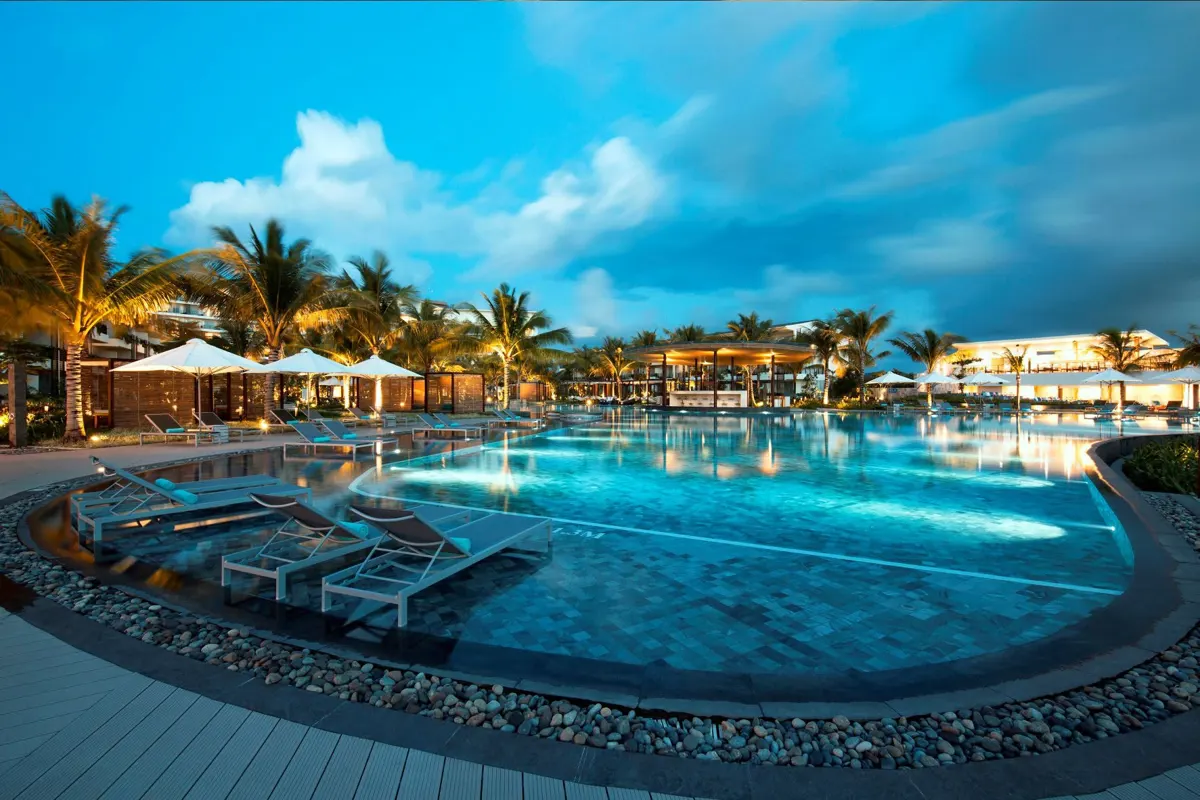
Phu Quoc Island, off the coast of Vietnam, presents a compelling destination for those interested in local gastronomy. The island's culinary offerings extend beyond typical Vietnamese fare, showcasing a rich variety of seafood and regional specialties. Visitors can anticipate a wide selection of dishes that highlight fresh ingredients and distinct preparation methods.
Exploring Phu Quoc's Seafood Delights
The abundance of fresh seafood is a primary draw for diners on Phu Quoc. From various types of fish to crustaceans and mollusks, the ocean's bounty is central to the island's diet. Preparations range from grilling and steaming to stir-frying, often seasoned with local herbs and spices. Many establishments allow patrons to select their seafood directly, which is then cooked to order.
Among the most celebrated seafood items are Ham Ninh Crabs, sourced from the eponymous fishing village. These crabs are noted for their smaller size but deliver firm, sweet flesh that many consider unparalleled. While various cooking methods exist, local preference often leans towards steaming them immediately after capture, served simply with a dip of salt, pepper, and lime to fully appreciate their natural flavor.
Sea urchins, or "nhum" as they are locally known, are another prized delicacy, often referred to as the "ginseng of the sea" due to perceived health benefits. Traditional medicine suggests they support kidney function and provide a good source of calcium. These spiny creatures can be enjoyed raw with a squeeze of lime, grilled with green onions, or incorporated into savory porridges, offering a nutritious meal after a day of exploration.
For those with an adventurous palate, Herring Salad stands out as a distinctive local dish. This specialty features thinly sliced fresh herring fillets combined with ingredients like purple onions, chili, grated coconut, and other herbs. The resulting salad offers a complex profile of spicy, sweet, and subtly rich tastes, making it a memorable culinary experience unique to Phu Quoc.
Noodle Dishes of Phu Quoc
Noodle preparations form a significant part of Phu Quoc's daily diet, offering diverse flavors and textures for any meal. These dishes often feature locally sourced ingredients, showcasing the island's unique culinary identity.
Bun Quay, or "Stirred Noodles," is a popular choice for breakfast. The name refers to the preparation of its accompanying sauce, which diners typically mix themselves. This involves vigorously stirring a blend of soup powder, monosodium glutamate, sugar, kumquat juice, and ground chili in a small bowl. The noodles are served with fresh squid, fish cakes, shrimp cakes, and green onions in a flavorful broth, creating a personalized taste experience.
Another widely enjoyed noodle dish is Banh Canh Ca Thu, or Mackerel Fish Noodles. While variations of this dish exist across Vietnam, the Phu Quoc rendition is distinguished by its exclusive use of fresh mackerel caught by local fishermen. The mackerel is prepared both as tender cooked fish pieces and as fried fish cakes, all served within a savory noodle soup.
Bun Ken, a dried noodle dish featuring fish, pickles, and coconut milk, also has a distinct Phu Quoc character. Unlike versions found in the Mekong Delta that use freshwater fish, the island's preparation incorporates seawater fish. The process involves boiling, grinding, and frying the fish, then combining it with fresh noodles, various herbs, sprouts, papaya salad, chilies, fish broth, and a rich coconut milk dressing, resulting in a unique flavor profile.
Unique Local Specialties and Flavors
Beyond seafood and noodles, Phu Quoc offers several other culinary creations that reflect its local produce and traditional cooking methods. These dishes provide a deeper insight into the island's gastronomic heritage.
Ga Hap Tieu Xanh, or Garden Chicken with Green Pepper, highlights one of Phu Quoc's key agricultural exports: pepper. The island's green peppers are prized for their distinctive spiciness and aromatic qualities, which are central to this dish. Only fresh, locally raised garden chicken is used, marinated with Phu Quoc fish sauce, green peppers, chilies, purple onions, and laksa leaves, then steamed for approximately 20 minutes. The chicken pieces absorb a sweet and spicy sauce, complemented by the pungent notes of fresh chili and green peppers.
Banh Tet Mat Cat, a sticky rice cake, is a specialty exclusive to Phu Quoc. Unlike other regions of Vietnam where similar cakes are wrapped in banana or "Dong" leaves, Phu Quoc's version uses "Mat Cat" leaves. These leaves, traditionally employed in making conical hats, impart a beautiful emerald color and a unique flavor to the sticky rice cake after hours of boiling, making it a truly regional delicacy. These unique items are just a few examples of distinctive purchases from Vietnam.
To complement the island's cuisine, Sim Wine is a recommended local beverage. This wine is produced from ripe myrtle berries harvested from the Ham Ninh forest. It is often enjoyed alongside seafood dishes and is locally believed to assist with digestive health and alleviate musculoskeletal discomfort.
Recommended Eateries and Markets on Phu Quoc
To experience the authentic flavors of Phu Quoc, visitors can explore various restaurants, markets, and local stalls. The following table provides details on specific venues mentioned for their respective specialties, including their addresses and approximate price ranges (current as of the source material's publication date and subject to change).
| Dish | Venue Name | Address | Price Range (USD) |
|---|---|---|---|
| Fresh Seafood | Phu Quoc Night Market | Bach Dang St., Duong Dong Town | From $10 |
| Fresh Seafood | Thuy Diem Raft House | 231 Ba Muoi Thang Tu St., Duong Dong Town | From $10 |
| Fresh Seafood | Cat Bien Restaurant | Dinh Cau Beach and Ba Muoi Thang Tu St., Duong Dong Town | From $5 |
| Fresh Seafood | Phu Quoc’s Beaches | (No specific address provided) | From $5 |
| Bun Quay | Bun Quay Kien Xay | 28 Bach Dang St., Duong Dong Town | $1.5 - $2.5 |
| Bun Quay | Bun Quay Thanh Hung | 77 Ba Muoi Thang Tu, Duong Dong Town | $1.7 - $2.6 |
| Ham Ninh Crabs | Bien Xanh Restaurant | TL47, Ham Ninh | $21.5 - $43.5 |
| Ham Ninh Crabs | Be Ghe Raft House | Ham Ninh Wharf, Ham Ninh | $4.5 - $21.5 |
| Ham Ninh Crabs | Tinh Bien Raft House | Ham Ninh Wharf, Ham Ninh | $4.5 - $10 |
| Ham Ninh Crabs | Kim Cuong Restaurant | Ham Ninh Fishing Village | $4.5 - $10 |
| Herring Salad | Hello Phu Quoc Restaurant | 66 Tran Hung Dao St., Duong Dong Town | $8.5 |
| Herring Salad | Zen Restaurant | Zone 1, Ba Muoi Thang Tu St., Duong Dong Town | $6.5 - $8.5 |
| Herring Salad | Dinh Cau Night Market | Dinh Cau, Phu Quoc | $4.5 - $6.5 |
| Herring Salad | Trung Duong Seafood Restaurant | Zone 1, Ba Muoi Thang Tu St., Duong Dong Town | $8.5 |
| Banh Canh Ca Thu | Phung Restaurant | 27 Bach Dang St., Phu Quoc | $0.6 - $1.3 |
| Banh Canh Ca Thu | Hanh Restaurant | KP2, Bach Dang St., Phu Quoc | $1.1 - $1.3 |
| Bun Ken | Ut Luom Stall | 87 30/4 St., Phu Quoc | $0.8 - $1.1 |
| Ga Hap Tieu Xanh | (Un-named Restaurant) | 334 Nguyen Trung Truc St., KP5, Duong Dong Town | (Price not supplied) |
| Sea Urchin | Oc 343 | 343 30/4 St., KP1, Duong Dong Town | $1.9 - $2.8 |
| Sea Urchin | Bien Xanh Restaurant | Ham Ninh Bridge, Ham Ninh, Phu Quoc | $1.9 - $2.8 |
| Sea Urchin | Nho Restaurant | Dinh Cau Night Market | $1.9 - $2.8 |
| Banh Tet Mat Cat | Dinh Cau Night Market | Vo Thi Sau St., Phu Quoc | (Price not supplied) |
| Banh Tet Mat Cat | Duong Dong Market | 21 Tran Phu St., Duong Dong Town | (Price not supplied) |
| Banh Tet Mat Cat | Phu Quoc Night Market | Bach Dang St., Duong Dong Town | (Price not supplied) |
| Sim Wine | Ruou Sim Son | Tran Hung Dao St., Cua Lap, Duong To, Phu Quoc | $6 - $8.6 |
| Sim Wine | Ruou Sim Bay Gao | 30/4 St., Duong Dong Town | $6.5 - $8.6 |
| Sim Wine | Ruou Sim Thanh Long | Suoi Da, Duong To, Phu Quoc | $6.9 - $8.6 |
Practical Advice for Dining on Phu Quoc
When exploring the culinary landscape of Phu Quoc, a few considerations can enhance your experience. Local markets, particularly the night markets, offer a wide array of street food and fresh ingredients. It is advisable to observe where locals gather, as this often indicates popular and reputable food stalls.
While the prices listed in this guide offer an indication, it is always prudent to verify current pricing and operating hours directly with establishments upon arrival, as these details can change. Many smaller eateries may operate on a cash-only basis, so having local currency readily available is recommended. Although this guide focuses on local Vietnamese dishes, visitors often find diverse culinary options in Southeast Asian cities, and Phu Quoc's tourist areas may also offer some international choices.
Frequently Asked Questions
What is Phu Quoc known for culinarily?
Phu Quoc is renowned for its exceptional fresh seafood, including various fish, crabs, and sea urchins. The island also features unique noodle dishes like Bun Quay and Banh Canh Ca Thu, alongside specialties such as chicken with green pepper and sticky rice cakes wrapped in local leaves.
Are there vegetarian options available?
While the specific establishments listed in this guide primarily focus on meat and seafood dishes, local markets and general eateries on Phu Quoc typically offer a selection of fresh vegetables and tofu. Visitors seeking vegetarian meals may find options by inquiring at restaurants or exploring stalls in larger markets.
What is the typical price range for meals on Phu Quoc?
Meal prices on Phu Quoc vary significantly. Street food and local noodle stalls can offer dishes for as little as $0.6 to $2.6 USD. Mid-range restaurants might charge around $5 to $10 USD per dish, while specialty seafood restaurants, especially for dishes like Ham Ninh Crabs, can range from $4.5 to over $40 USD, depending on the portion and type of seafood.
Can I find international cuisine on Phu Quoc?
This article highlights the traditional and local Vietnamese specialties of Phu Quoc. While not the primary focus, larger tourist areas and resorts on the island often provide a selection of international dining options to cater to a diverse visitor base.
What local drink should I try on Phu Quoc?
A distinctive local drink to try is Sim Wine, made from ripe myrtle berries harvested from the Ham Ninh forest. It is often consumed with meals, particularly seafood, and is appreciated for its unique flavor and traditional health benefits.








