
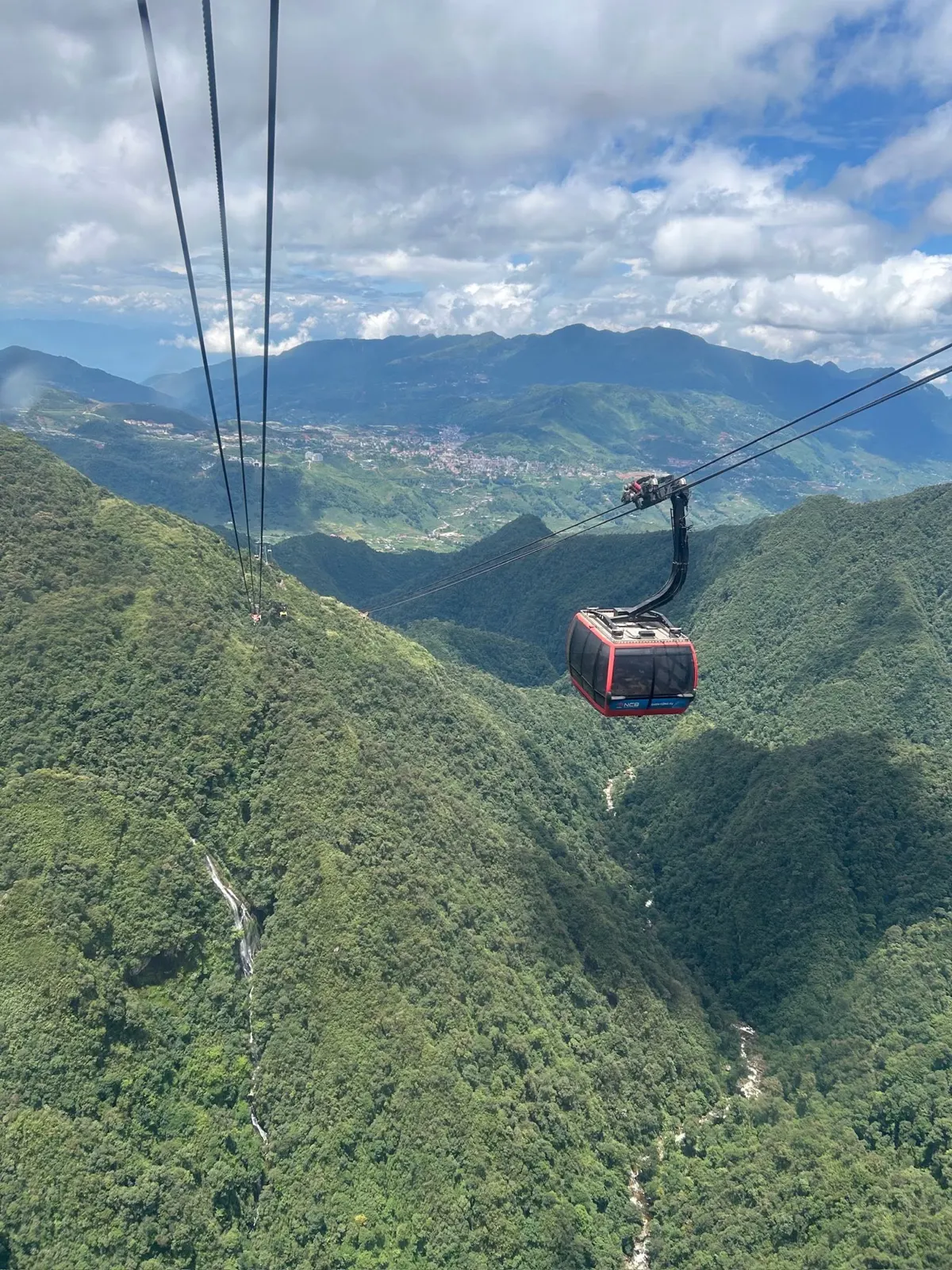
For travelers considering a visit to Sapa, Vietnam, during August, understanding the local climate and available activities is key to planning. This month marks the transition into autumn, offering generally warm and comfortable conditions, though with significant rainfall. Visitors can expect opportunities to witness the region's renowned terraced rice fields at a particularly scenic stage and engage in various outdoor pursuits.
Understanding Sapa's August Climate
Sapa in August marks the onset of the autumn season, characterized by generally warm and comfortable conditions, though accompanied by significant rainfall. The average daily temperature in Sapa during this month is approximately 20°C. Daytime highs typically reach around 24°C, providing pleasant weather for exploration. However, as evening approaches, temperatures can drop considerably, often by as much as 10°C, leading to cool or even chilly nights, with lows reported around 18°C. Travelers should be prepared for these temperature fluctuations throughout the day.
August is also notable as Sapa's wettest period. The region experiences an average of 430mm of rainfall spread across roughly 23 days of the month. Total precipitation can be as high as 480mm, frequently manifesting as drizzle or light showers, which are typical of the tropical climate at this time of year. Despite the rain, Sapa still receives about five hours of sunshine daily. Humidity levels remain elevated, generally ranging from 80% to 83%. While the frequent rain might seem like a deterrent, these conditions contribute to the verdant and lush appearance of the landscape, making the scenery particularly striking.
Activities and Experiences in Sapa During August
August presents a unique opportunity to observe Sapa's agricultural cycles and natural beauty at a specific stage. The terraced rice fields, a defining feature of the region, are particularly prominent during this month. They are often described as a remarkable display of human ingenuity and natural integration, appearing lush and green before the harvest season. This period is highly favored for photography and scenic appreciation, offering expansive views of the cultivated hillsides.
Beyond the rice paddies, the area surrounding the cable car station often showcases various blooming flowers. Visitors can expect to see hydrangeas, rosebuds, and extensive sunflower fields, adding splashes of color to the landscape. Outdoor activities popular in August include cycling along paths that wind through the golden-green rice fields, providing opportunities to enjoy gentle breezes and serene views of the countryside. For those seeking more challenging endeavors, ascending Mount Fansipan offers extensive panoramic vistas of the entire region. Ascending Vietnam's highest peak provides a memorable experience and a unique perspective of the surrounding valleys and mountains. In the evenings, after a day of exploration, guests can wander through Sapa town's streets, browse local shops for souvenirs, clothing, or snacks, and engage with residents to learn about their daily routines and cultural heritage.
Essential Travel Advice for August Visits
Careful preparation can significantly enhance an August visit to Sapa, ensuring comfort and readiness for the local conditions.
- Weather Monitoring: Always consult the most current weather forecasts before and during your trip to anticipate rainfall and temperature fluctuations. Being aware of potential showers can help in planning daily activities.
- Event Awareness: Sapa is known for hosting various cultural events and festivals, particularly among its ethnic minority communities. Checking local schedules might allow you to participate in unique gatherings and experience the region's rich traditions firsthand.
- Guided Tours: If navigating independently seems daunting, considering a guided tour can provide structure and access to local insights. Tour guides can lead you to key attractions, share cultural context, and assist with logistics, ensuring you visit places aligned with your interests and make the most of your time.
- Packing Essentials:
- Clothing: Given the warm days and cooler nights, packing layers is crucial. Include lightweight clothing for daytime, along with a hat and an umbrella for both sun protection and rain. A thin, lightweight jacket is highly advisable for cooler evenings or when visiting higher altitudes, where temperatures can drop further.
- Sun Protection: With approximately five hours of daily sunshine, even on rainy days, sunscreen is essential to guard against UV exposure, especially when spending extended periods outdoors.
- Photography Gear: Sapa's landscapes are widely celebrated for their beauty and unique cultural scenes. Bringing a camera, camcorder, or a capable smartphone is highly recommended to capture these memorable moments and stunning vistas.
- Footwear: Comfortable, waterproof walking shoes or hiking boots are highly beneficial. They will provide necessary grip and protection for exploring trails, navigating potentially muddy paths, and walking around town in wet conditions.
- Financial Preparedness: While exploring Sapa's local markets and shops, visitors may find it useful to understand the banking facilities in Sapa for travelers to manage their finances, including ATM access and currency exchange. For those planning to purchase local items, understanding the range of available goods can be helpful. Discover a diverse array of local products and traditional crafts throughout Vietnam, including Sapa.
Advantages and Considerations for August Travel
Visiting Sapa in August offers several distinct advantages, primarily due to the generally warm and comfortable daytime weather, which facilitates extensive outdoor activities and exploration of the town and its surrounding areas. This period allows visitors to feel refreshed and deeply connected to the natural environment, providing a welcome change from urban settings. It also presents unique opportunities to observe local ethnic communities working in the rice paddies, fostering potential interactions and offering insights into their traditional agricultural practices and daily life. The scenery, particularly the terraced fields, is at a visually appealing stage, contributing to a truly memorable experience.
However, travelers should also be aware of certain considerations. While the weather is often described as comfortable, the presence of approximately five hours of sunshine daily, combined with high humidity levels, could potentially lead to heat fatigue or exhaustion for some individuals, especially during prolonged outdoor exposure or strenuous activities. It is important for travelers to manage their activity levels, stay adequately hydrated, and seek shade when needed. Additionally, August falls within the peak rainy season, meaning outdoor plans might be interrupted by frequent showers, and some trails could become muddy and slippery. Therefore, appropriate gear and flexible planning are essential. For any health concerns during your visit, it is wise to be aware of the available healthcare services in Sapa.
Frequently Asked Questions
What is the typical temperature range in Sapa during August?
In August, Sapa generally experiences an average temperature of approximately 20°C. Daytime highs can reach around 24°C, while nighttime lows can drop to about 18°C, with temperatures potentially feeling cooler after dusk.
How much rain can be expected in Sapa in August?
August is Sapa's wettest month, with an average of 430mm of rainfall occurring over roughly 23 days. The total precipitation can be around 480mm, often presenting as drizzle or light rain showers.
Are the rice fields visible in August in Sapa?
Yes, August is considered one of the most scenic times to observe Sapa's terraced rice fields. They are typically lush and green, marking a beautiful stage in their growth cycle before the harvest.
What kind of clothing should I pack for Sapa in August?
It is advisable to pack layers, including light clothing for warm days, a hat, and an umbrella for both sun and rain. A thin, lightweight jacket is also recommended for cooler evenings and higher elevations.
Is it possible to hike or trek in Sapa during August?
Hiking and trekking are possible in August, but visitors should be prepared for potentially wet and muddy conditions due to the high rainfall. Checking local trail conditions and weather forecasts is recommended, and guided tours can be beneficial.








