
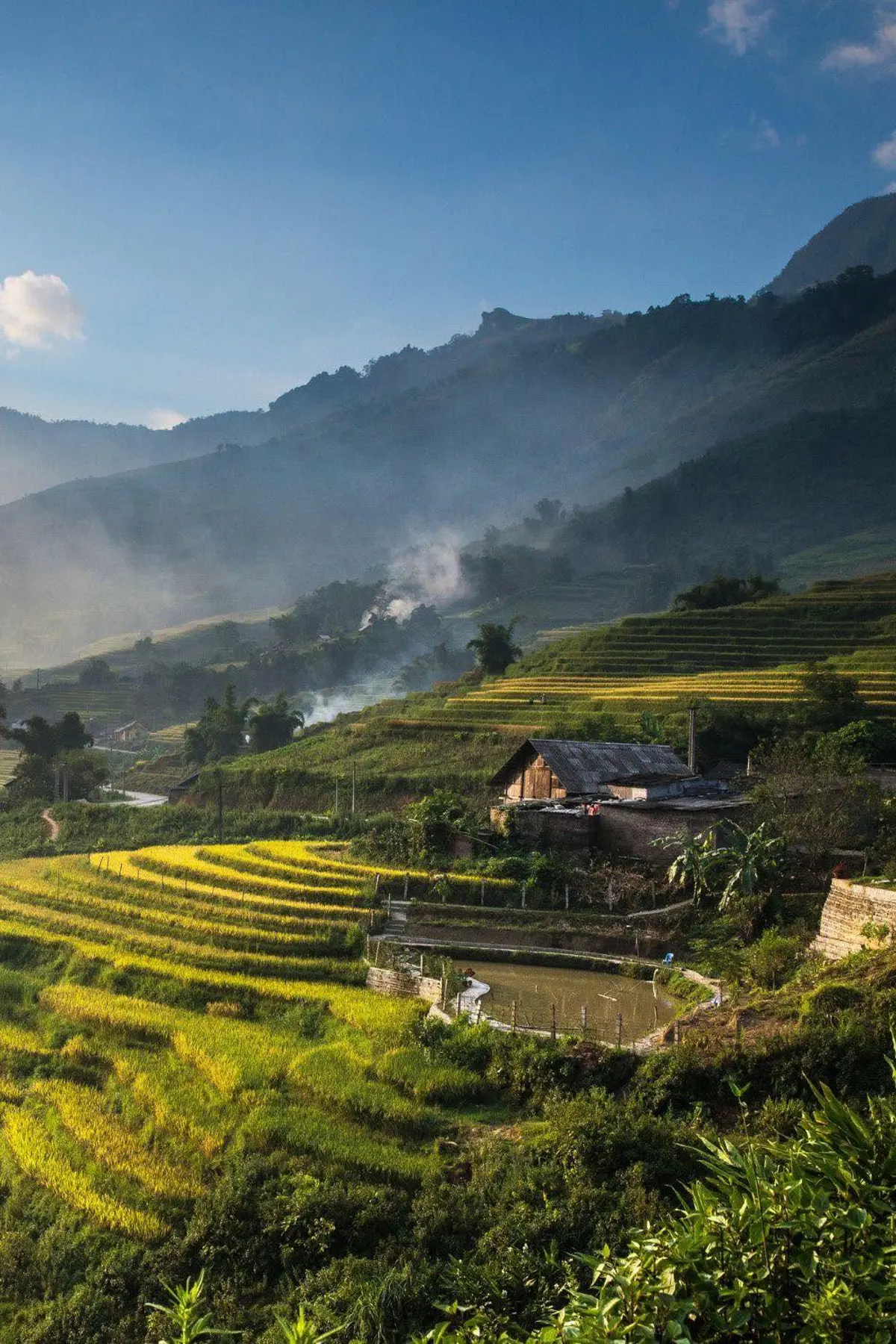
For travelers considering a visit to Sapa, Vietnam, in November, the region transitions into early winter, offering a distinctive atmosphere. This period is characterized by cooler temperatures, reduced rainfall, and often clearer skies, making it suitable for outdoor pursuits and experiencing local culture. Planning for the weather conditions is key to enjoying the mountainous landscapes and village life.
November Weather Patterns in Sapa
As autumn gives way to winter, Sapa experiences a notable drop in temperature during November. The climate generally feels crisp and refreshing, with lower humidity levels and minimal precipitation contributing to mostly dry and clear days. Towards the month's conclusion, skies may become more overcast or foggy, yet Sapa remains a favored destination for international guests.
The average daytime temperature in Sapa during November typically ranges from 11°C to 18°C, with approximately four hours of sunlight daily. Evenings bring a significant chill, with temperatures frequently falling to 10°C or even lower. The cool mountain air is conducive to exploring the outdoors, though visitors should ensure they pack adequate warm clothing for cooler mornings and nights.
November stands out as one of Sapa's driest months. The average rainfall decreases considerably to about 55mm, distributed over roughly 5 to 7 days. This generally dry and clear weather is advantageous for activities like hiking and sightseeing. Light rain or drizzle can occasionally occur in the early mornings or late evenings, often accompanied by mist or cloud cover.
Humidity levels in November average around 80%, which is generally more comfortable than the wetter summer months. While early mornings might feel damp due to mist, the days are predominantly dry and pleasant. Air quality in Sapa during this month is typically good, benefiting from the absence of industrial pollution and the cooler mountain air. The UV index usually falls between 3 and 5, suggesting that moderate sun protection is advisable during midday.
Typical daily weather in Sapa during November includes cooler mornings, with temperatures between 10°C and 12°C, and mild afternoons reaching 18°C to 22°C. The temperature shift from day to night is quite pronounced, with a rapid drop after sunset. Nights can be very cool, creating an ideal setting for a warm herbal bath or a comforting local hotpot meal. Fog is a common occurrence, particularly in the early mornings and late evenings, which adds a mystical quality to the mountain scenery. Unexpected drizzles may happen, especially at dawn or dusk, so carrying a light waterproof jacket is a practical measure.
Is November an Ideal Time to Visit Sapa?
Many consider November an excellent period for a Sapa visit. The weather is cool and agreeable, with clear conditions often prevailing, which is perfect for hiking, sightseeing, and photography. Rainfall is significantly less compared to the monsoon season, enhancing the enjoyment of outdoor pursuits. Additionally, visitor numbers are typically lower than during the peak months of September and October, allowing for a more tranquil travel experience.
However, travelers should be prepared for cold nights, as temperatures can descend to approximately 10°C or even below. It is also common to encounter fog in the early hours, which might temporarily obscure views in certain scenic locations. Despite these minor considerations, November remains one of the most rewarding months for experiencing Sapa's unique charm and natural splendor.
Key Activities to Experience in Sapa During November
Sapa offers a range of activities that are particularly enjoyable in November's climate.
- Trekking to Local Villages: Many of Sapa's traditional villages are accessible primarily on foot, making trekking a primary activity. Journeys to these communities reveal scenic vistas. Upon arrival, visitors can observe the culture and customs of the hill tribes, learn about their farming practices, and see handmade textile production. This provides insight into the daily lives of local residents.
- Cloud Spotting: November is often referred to as the cloud-hunting season in Sapa. Locations such as the Ham Rong Mountain ecotourism area (nearly 2,000 meters above sea level), O Quy Ho Pass (spanning the Hoang Lien mountain range), Hang Da Hau Thao village (home to Hmong people), and Mount Fansipan are among the best places to observe clouds. Capturing photographs of these fleeting formations requires patience and some fortune, as they can dissipate quickly.
- Red Dao Herbal Baths: The cool evenings of northern Vietnam in winter provide an excellent opportunity to try a Red Dao herbal bath. These baths are traditionally believed to promote blood circulation, calm the mind, and alleviate body aches. Red Dao baths typically incorporate ten or more ingredients, including various plants that are chopped, sun-dried, and boiled for several hours to create a fragrant, wine-red mixture. After a day of hiking in Sapa, an herbal bath can be a soothing experience.
- Sapa Love Market: Held on weekends, the Sapa Love Market serves as a cultural gathering point for Hmong and Dao communities. Here, people socialize, exchange goods, and perform traditional music. It offers travelers a chance to observe local courtship traditions and cultural practices. In November, the market is usually less crowded, potentially allowing for more personal interactions with local people.
- Hotpot and Grilled Local Dishes: The cool November weather in Sapa creates an ideal atmosphere for enjoying hearty, warm meals, particularly in the evening. Popular local dishes include hotpot, mountain pork, and various grilled skewers, often found at the Sapa night market. These flavorful meals provide warmth and offer a taste of the region's culinary heritage.
Notable Destinations to Explore in Sapa
Sapa and its surroundings feature several points of interest that are particularly appealing in November.
- Fansipan Mountain: Known as "The Roof of Indochina," Fansipan is Vietnam's highest peak, standing at 3,147 meters. November is a favorable time to visit, with mild temperatures and fewer tourists compared to busier months. Travelers can ascend via the modern cable car system, which provides expansive views of the mountains and clouds. Alternatively, a challenging trek to the summit typically spans two to three days. The peak offers a wide-ranging perspective and a sense of accomplishment. For those interested in the ascent, further details on experiencing Mount Fansipan are available.
- Cat Cat Village: Situated a short distance from Sapa town, Cat Cat Village is a traditional Hmong settlement recognized for its scenic environment and cultural legacy. In November, the village presents a special charm with its local dwellings and crisp mountain air. Visitors can explore local crafts, observe traditional weaving, and enjoy the peaceful rural setting. For those looking to purchase unique purchases and souvenirs, Cat Cat Village offers handmade textiles and other local products.
- Ham Rong Mountain: Located centrally in Sapa, Ham Rong Mountain is a developed area featuring cultivated flower gardens, winding stone pathways, and distinctive rock formations. It provides elevated viewpoints offering sweeping views of Sapa town and the surrounding valleys, making it suitable for photography enthusiasts. In November, the mountain is especially scenic as morning mist often drifts through the gardens, creating a serene environment.
- Silver Waterfall (Thac Bac): Approximately 12km from Sapa town, Silver Waterfall descends nearly 200 meters, presenting a striking natural display. In November, the cooler air and clearer skies often enhance its visual appeal. It serves as a suitable short excursion for those who appreciate natural landscapes and photographers seeking to capture Sapa's seasonal beauty.
Essential Travel Advice for Sapa in November
To ensure a comfortable visit to Sapa during November, especially for first-time travelers, consider the following recommendations.
To mitigate the impact of colder weather, planning your trip for the earlier part of November is advisable. Temperatures can drop significantly later in the month. It is prudent to consult a weather forecast before your journey to make any necessary adjustments. If you have booked a package tour, your travel consultant may be able to assist with date or destination changes. While Sapa is often combined with destinations like Halong Bay and Hanoi in northern Vietnam itineraries, remember that Sapa's temperatures are consistently lower than in other parts of the country, particularly during winter.
Careful packing is crucial for a Sapa trip in November. Here are some suggested items:
- Warm Clothing: Essential items include a jacket, warm hats, socks, a shawl, and gloves to provide full body coverage and retain warmth as November marks the start of winter in Sapa.
- Personal Medical Kit: Carrying a basic medical kit is highly recommended, as the cold weather can increase susceptibility to colds. This kit should ideally contain items such as wind oil, cold medicine, allergy medication, digestive aids, bandages, and face masks. For more serious health concerns, understanding Sapa's healthcare facilities can be beneficial.
- Technology and Chargers: Devices such as cameras, camcorders, and phones are useful for communication, especially in emergencies, and for documenting the scenery. Do not forget to bring a portable power bank.
- Snacks and Provisions: If you plan to undertake treks to more remote villages, bringing some snacks is highly advisable. Trekking can quickly deplete energy, and snacks can also serve as small gifts for children in the villages.
Frequently Asked Questions
Here are answers to common questions about visiting Sapa in November.
Does it snow in Sapa in November?
Snowfall is extremely uncommon in November. Any snow typically occurs later in the winter, usually in late December or January.
Are the trekking conditions safe in November?
Generally, yes. Trails are usually dry and safe for trekking. However, it is important to wear appropriate footwear and to check local weather updates, especially concerning foggy conditions that might affect visibility.
How crowded is Sapa in November?
Sapa is typically less crowded in November compared to the peak seasons of September-October or during the Lunar New Year period. This often allows for a more tranquil experience and potentially better deals on accommodations.
How does Sapa's November weather compare to Hanoi's?
Sapa is significantly cooler than Hanoi in November, usually by about 8°C to 10°C. Hanoi's average temperature in November is around 22°C to 25°C, whereas Sapa's ranges from 10°C to 18°C.
How does Sapa's November weather compare to Ho Chi Minh City's?
Sapa is considerably cooler than Ho Chi Minh City (Saigon). Ho Chi Minh City averages 25°C to 32°C with tropical conditions, while Sapa experiences mountain air with much drier and chillier days.
To help contextualize Sapa's November climate, here's a comparison with two other major Vietnamese cities:
| Location | Average November Temperature Range | Typical Climate |
|---|---|---|
| Sapa | 10°C - 18°C | Cool mountain air, dry, chilly nights, occasional fog |
| Hanoi | 22°C - 25°C | Mild, less humid than summer, pleasant |
| Ho Chi Minh City | 25°C - 32°C | Tropical, warm to hot, often humid |








