
Ho Chi Minh City offers a wide mix of historical sites, street-food scenes, busy markets and day-trip options—so things to do in Ho Chi Minh City range from museum visits to river cruises and market browsing. Visitors typically combine a few core attractions with neighbourhood walks and at least one excursion outside the city.
What things to do in Ho Chi Minh City cover
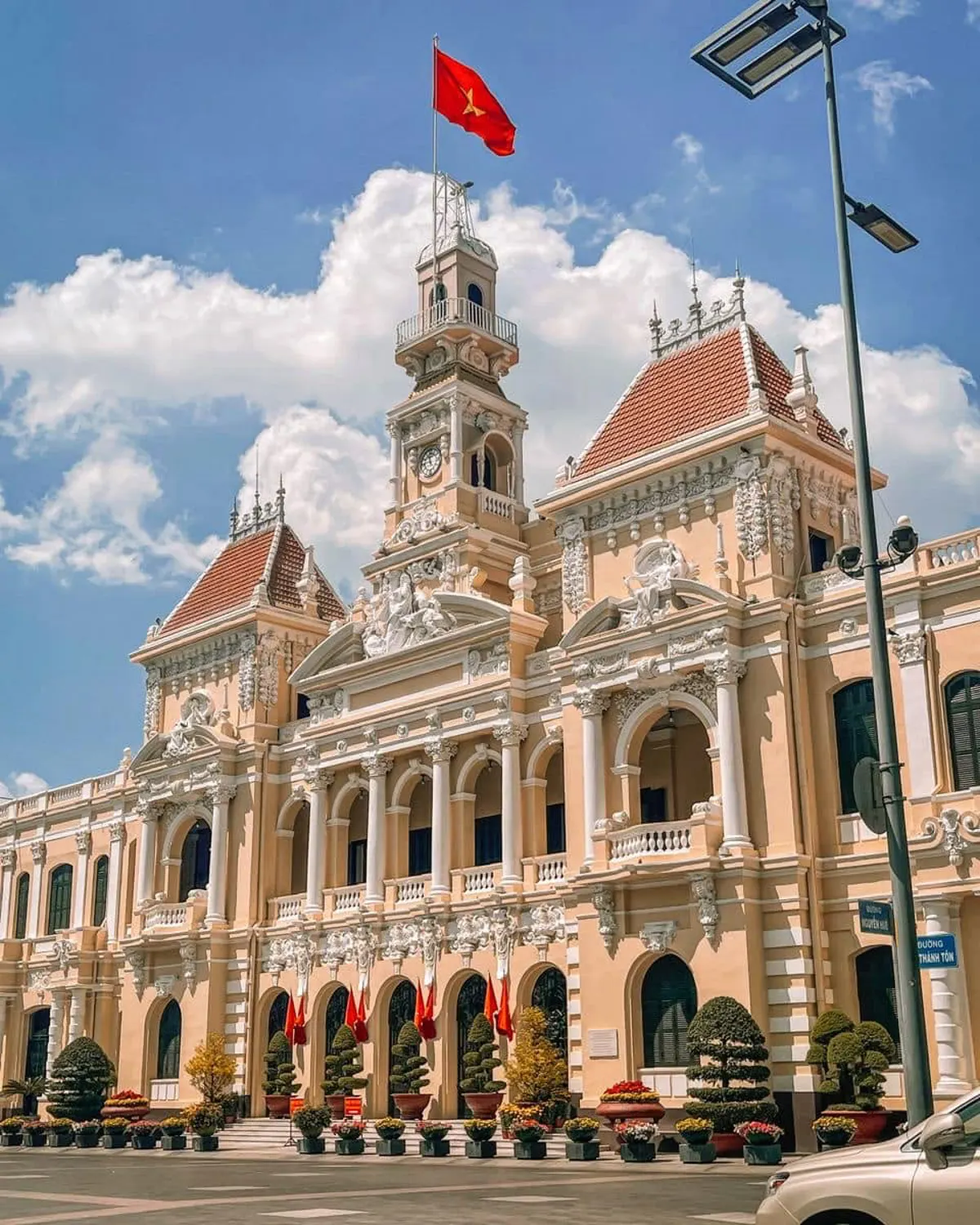
At its simplest, a visit to Ho Chi Minh City includes a blend of historical landmarks, culinary stops and lively public spaces. Key historical sites often mentioned by visitors are museums that document 20th-century conflict, a mid-century presidential palace, and several colonial-era buildings close to District 1.
Beyond the monuments, many travellers focus on sensory experiences: sampling street food, shopping in large markets, watching the city skyline from a high viewpoint, or spending an afternoon on the Saigon River. Typical day-trip options radiate outward to rural waterways and preserved wartime sites.
Key highlights and must-see attractions
The museums that interpret the Vietnam War-era history are frequently recommended for context and education. One of the most-visited museums sits in District 3 and presents photographic displays, artifacts and an outdoor collection of military equipment. Visitors report the content can be graphic and emotionally intense, so allow sufficient time to process the exhibits.
Other high-profile stops include a mid-20th-century government complex that plays a role in modern Vietnamese history, a late-19th-century cathedral that reflects French-era architecture, and the city’s major market housed under a distinctive central clock tower where food stalls and souvenir vendors concentrate.
- Historical museums and preserved wartime sites
- Central market for food and shopping
- Cathedral and colonial-era public buildings
- Observation decks for city panoramas and river cruises
Practical tips for visiting
Transport around the city is dominated by motorbikes, taxis and ride-hailing services; short distances in the central districts are usually quickest by motorbike taxi for those comfortable with that mode. Walking works well in compact areas such as District 1, but plan for shade and heat during the midday hours.
Opening hours and entry arrangements vary by site. For museums and official buildings, travellers should check current times before arrival—visitors report many sites close for an hour around midday. When entering religious sites, modest dress is appropriate and taking photos should be done respectfully, particularly during services.
- Carry small change for market purchases and street food
- Wear comfortable shoes for crawling through narrow historical tunnels or long market aisles
- Carry water and sun protection; heavy rain is common in the wet season
Cultural context and local life
The city’s public life mixes modern development with older neighbourhood rhythms: morning markets, lunchtime street-food stalls, and late-night areas popular with younger locals and visitors. Many of the city’s cultural performances focus on traditional music and dance from regional communities; some are staged at the city’s historic theatre.
When shopping or bargaining in traditional markets, local sellers expect negotiation. Travellers often find it useful to be polite, start below the asking price, and accept a fair middle ground. For a broader look at shopping etiquette and where to buy, see local shopping resources that map markets, malls and bargaining techniques.
For religious and spiritual sites outside the main tourist loop, refer to a guide that lists individual temples and pagodas and explains how to behave during visits. These spots offer insight into religious life in the city and are often quieter than the main tourist landmarks.
Who the city suits and sample itineraries
Ho Chi Minh City appeals to a wide range of travellers. History-focused visitors will prioritise the museums and preserved wartime locations; food-focused travellers tend to structure days around markets, street stalls and late-night food streets. Families can find museums with interactive displays and calmer parks, while backpackers often congregate in the budget accommodation zones that have active nightlife.
Sample day splits commonly used by visitors include a morning visit to a museum or palace, a midday market lunch, an afternoon neighbourhood walk or short museum, and an evening river cruise or rooftop view. Day trips to the delta or tunnel networks are usually half- or full-day excursions from the city.
- Short stay (1–2 days): central landmarks and a market
- Medium stay (3–4 days): museums, neighbourhood walks, an evening river cruise
- Longer stays: add day trips to the Mekong Delta or wartime tunnel sites
Comparisons and alternatives
If you’re choosing between attractions, consider what you want from the visit: education and reflection, culinary exploration, or a relaxed river experience. Some sites require more time to read displays and understand context; others are quick visits that fit into a walking route.
For shopping-focused visitors interested in local markets and bargaining techniques, a dedicated shopping guide lays out where to buy handicrafts, textiles and souvenirs. Night-market guides can also help plan evening food and shopping stops beyond the main market area.
| Attraction | Location | Main appeal | Typical visit time | Access |
|---|---|---|---|---|
| War-era museum | District 3 | Historical exhibitions and outdoor displays | 2–3 hours | Taxi or short ride-hail |
| Presidential palace complex | District 1 | Architecture and 20th-century history | 1–2 hours | Walkable from central hotels |
| Central market | District 1 | Food stalls and souvenirs | 1–2 hours | Foot traffic and motorbike taxis |
| Cu Chi tunnel area | Outskirts (northwest) | Preserved tunnel network and wartime context | Half day to full day | Organised tour or private transport |
| Observation deck | Financial district | City skyline and river views | 30 minutes–1 hour | Elevator access; central taxis |
Frequently Asked Questions
How much time should I set aside for a first visit?
Most first-time visitors plan 2–4 days to see major museums, a market, a few colonial-era sites and one short excursion. Those with limited time can prioritise a single museum and a market visit within a day.
Is it safe to try street food?
Street food is a major part of the city’s culinary scene and many stalls have long-standing local followings. Visitors typically choose busy stalls where food turnover is high and observe basic precautions: avoid ice or raw items if unsure, and follow personal dietary constraints.
Can I visit the Cu Chi tunnels on a budget?
There are a variety of transport options to reach the tunnel area, including group tours and public buses. Group tours are the most common choice for convenience; independent travel is possible but requires more planning and time.
When is the best time of year to visit?
Seasonal conditions affect comfort: the dry season offers less rain and is often chosen by visitors for easier walking and day trips, while the wet season brings brief heavy showers and higher humidity. For month-specific climate notes, consult local weather guides that break down what to expect across the year.
Are there good evening entertainment options?
Yes. The city hosts a range of evening activities from street-food lanes and night markets to small live-music venues and cultural performances at the city theatre. Areas known for nightlife also feature a high concentration of bars and late-night eateries.
For a deeper look at the city’s streets and where to walk for architectural highlights, see a guide to famous streets. For advice on markets and bargaining, consult the guide to shopping options. And for those interested in religious sites, a dedicated temples and pagodas resource lists practical tips and etiquette.








