
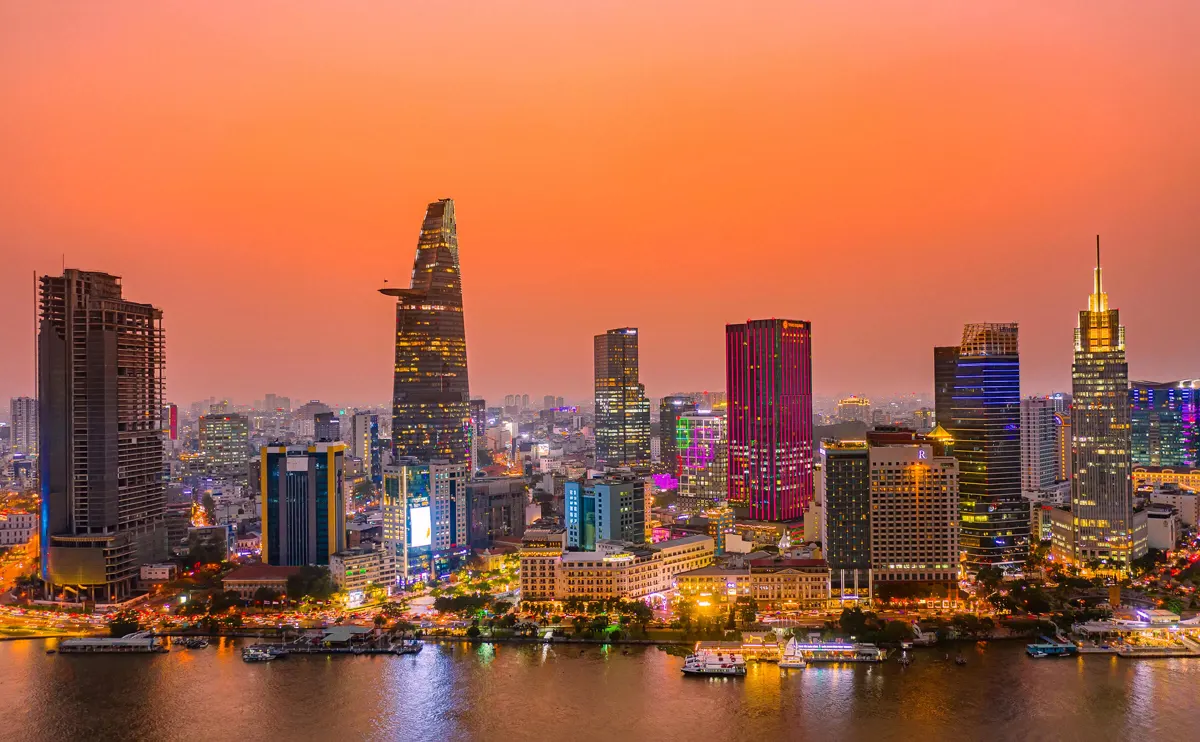
Ho Chi Minh City, often referred to as Saigon, is Vietnam's largest and most dynamic urban center, known for its energetic populace and welcoming atmosphere. For first-time visitors, navigating the city's diverse thoroughfares can offer a direct insight into local life, from culinary experiences to unique shopping opportunities. This guide explores several of the city's most recognized streets, detailing their distinct characteristics and what they offer to travelers.
Exploring Ho Chi Minh City's Distinctive Thoroughfares
Ho Chi Minh City's streetscape is a reflection of its history and contemporary energy, with each major road presenting a different facet of the urban experience. From historical trading hubs to modern pedestrian zones, these streets serve as key points of interest for anyone seeking to understand the city's pulse. Many areas transform from daytime commerce to evening entertainment, offering varied experiences depending on the hour.
The city's districts each contribute to its overall character, with some streets becoming synonymous with specific goods or activities. Whether seeking traditional remedies, rare books, or simply a place to observe daily life, visitors will find that the streets themselves are often the primary attractions. Understanding these key areas can significantly enhance a visit to this southern Vietnamese metropolis.
Notable Streets and Their Offerings
Bui Vien Street: The Backpacker Hub
Bui Vien Street is widely recognized as a central gathering point for international visitors and expatriates in Ho Chi Minh City. This area, often called the “backpacker zone,” provides a broad selection of budget-friendly eateries, bars, souvenir shops, and accommodations, including hotels and hostels. Observing the local scene from one of the many establishments offers a glimpse into the city's social fabric.
On weekends, Bui Vien transforms into a pedestrian-only zone from 7:00 PM to 2:00 AM, prohibiting vehicle access. During weekdays, activity typically begins around 6:00 PM. Visitors frequently come here for meals, local beer, and social interaction. A typical dinner, including a drink, might cost approximately VND 100,000 to VND 200,000 (around US$ 4-8), while a beer can range from VND 10,000 to VND 80,000 (US$ 0.5-3.5).
Nguyen Hue Walking Street: A Central Gathering Space
Located in District 1, Nguyen Hue Walking Street is a significant attraction in Ho Chi Minh City. This main thoroughfare becomes a dedicated pedestrian area during the evenings, drawing numerous local residents and tourists. It serves as a popular spot for relaxation and social engagement.
While accessible throughout the day, the street is most active and engaging during evenings and weekends. During these times, visitors can witness the city's youthful energy, observe local artists performing, purchase souvenirs, and sample various street food options, all generally at reasonable prices.
Pham Ngu Lao Street: Budget Travel District
Known as a primary “backpacker” or “budget travel” district, Pham Ngu Lao Street is a key location in Ho Chi Minh City for finding affordable lodging, dining, and nightlife. It is also a convenient place to arrange transportation tickets for onward travel. The Pham Ngu Lao area encompasses two parallel streets, Bui Vien and Pham Ngu Lao, along with several smaller connecting alleys.
Situated centrally in District 1, this neighborhood offers easy access to public parks, markets, and other significant city landmarks. Beyond just economical accommodation, the street provides access to various clubs, diverse street food selections, and opportunities to connect with fellow travelers.
Tran Nhan Ton Street: A Haven for Book Enthusiasts
For those with an interest in literature, Tran Nhan Ton Street in District 5 is a notable destination. Positioned a short distance from Saigon's city center, this street is recognized as one of the city's main corridors for second-hand books. The selection spans numerous genres, including novels, comic books, cookbooks, and science fiction, available in both Vietnamese and several foreign languages. A visit to any of the bookstores along Tran Nhan Ton Street often results in finding cherished titles.
Le Cong Kieu Street: Antiques and Collectibles
Le Cong Kieu Street, situated behind Ham Nghi Road, has long been identified as Ho Chi Minh City's sole street specializing in antiques. This approximately 200-meter stretch is considered one of Saigon's oldest and appears largely unchanged over time. It presents a wide array of antiques to both residents and visitors, some of which are difficult to locate elsewhere in Vietnam.
Shops on Le Cong Kieu Street are typically numbered rather than named, assisting customers in finding specific types of items. For instance, ceramic and pottery items can be found at shops numbered 19, 21, and 23. Khmer gongs and statues are available at numbers 34, 36, 38, and 40, while antique furniture is located at shops 15 and 36. Towards the end of the street, some vendors offer aged lacquered and wooden artifacts, alongside traditional sentence parallels.
Nguyen Thien Thuat Street: Music and Instruments
Nguyen Thien Thuat Street in District 3 is primarily recognized for its concentration of music stores. Beyond the retail aspect, the street possesses a distinct auditory charm that attracts many. This thoroughfare hosts approximately 30 shops selling a variety of musical instruments and audio equipment.
Visitors can find numerous types of guitars (classical, acoustic, electric, bass), violins, and ukuleles, with prices ranging from a few dollars to thousands. The street often features impromptu performances by artists, creating a musical ambiance. For those staying in Ho Chi Minh City for a limited period, some shops also offer to repurchase instruments, potentially providing a favorable price if the item was originally bought from their establishment.
Ho Thi Ky Street: The Flower Market
Unlike other commercial streets in Saigon that focus on a single product type, Ho Thi Ky Street is renowned for its expansive flower market. This market operates continuously, 24 hours a day, seven days a week. The peak activity period is between midnight and 3:00 AM, especially as dawn approaches, when vendors are actively engaged in transporting and arranging flowers for the day's sales. A nighttime visit to this Ho Chi Minh City street offers not only a visual spectacle of colorful blooms but also an opportunity to observe the energetic pace of local commerce.
Hai Thuong Lan Ong Street: Traditional Medicine Hub
Hai Thuong Lan Ong Street is Ho Chi Minh City's most recognized location for traditional herbal medicine. Situated in the heart of District 5, this street serves as a central point for Chinese medicinal herb stores and traditional clinics. The origins of this specialized area date back to the late 1800s when Chinese traders settled in the Cho Lon district, bringing valuable Chinese medicinal plants to cater to the local Chinese community's needs.
Over time, this neighborhood developed into the active traditional medicine district it is today. Walking along the street, visitors often notice the distinct aromas emanating from sacks of herbal products, including dried leaves, roots, barks, and powders. For those interested in traditional remedies for stress reduction or general well-being, this street offers a trusted resource.
Practical Advice for Exploring Ho Chi Minh City's Streets
When navigating Ho Chi Minh City's diverse streets, planning can enhance the experience. Many areas, particularly those known for nightlife or markets, become significantly more active in the evenings. Public transportation or ride-hailing services are readily available, especially when visiting areas that become pedestrian-only.
It is advisable to carry small denominations of Vietnamese Dong (VND) for purchases, especially at street food stalls or smaller shops. While some larger establishments accept cards, cash remains prevalent for many transactions. Visitors interested in unique purchases and souvenirs should allocate sufficient time for browsing, particularly in specialized areas like antique or book streets.
For those planning longer stays or needing to manage finances, understanding the local banking infrastructure is also beneficial. Ho Chi Minh City offers numerous options for financial services, which can be helpful for travelers. Banking services in Ho Chi Minh City for travelers are widely accessible, with both local and international institutions available.
Frequently Asked Questions
What is the best time to visit Ho Chi Minh City's streets?
The optimal time depends on the street and desired activity. Nightlife-focused streets like Bui Vien and Nguyen Hue are most active in the evenings and on weekends. Markets such as Ho Thi Ky flower market are busiest in the very early morning hours. For general exploration and shopping, daytime hours are suitable, though the heat can be intense.
Are these streets safe for tourists?
Generally, Ho Chi Minh City's famous streets are considered safe for tourists. However, as with any major urban area, it is always prudent to remain aware of your surroundings, particularly in crowded areas, and to safeguard personal belongings against petty theft.
How can I get around to these different streets?
Ho Chi Minh City offers various transportation options. Taxis and ride-hailing services (like Grab) are widely available and convenient. For shorter distances, cyclos or walking are popular choices. Some streets, like Nguyen Hue and Bui Vien on weekends, are designated pedestrian zones, requiring visitors to explore on foot.
Can I find English speakers on these streets?
In tourist-heavy areas like Bui Vien, Pham Ngu Lao, and Nguyen Hue, English is commonly spoken by vendors and staff. In more specialized or local streets like Tran Nhan Ton or Hai Thuong Lan Ong, English proficiency might be less widespread, but basic communication is usually possible, and locals are generally helpful.
What kind of budget should I expect for food and drinks?
Ho Chi Minh City offers options for all budgets. Street food is generally very affordable, with meals often costing under US$5. In areas like Bui Vien, a decent meal with a drink can be found for US$4-8, and local beer for US$0.5-3.5. Prices will increase in more upscale restaurants or bars.








