
April marks a transitional period in Vietnam, signaling the onset of summer heat across much of the country. While temperatures generally rise and humidity increases, specific regional variations mean that careful planning can lead to a rewarding travel experience. Understanding these climatic differences is essential for selecting appropriate destinations and preparing for the conditions, allowing visitors to navigate the month effectively.
Understanding April Weather in Vietnam
April signifies the start of Vietnam's summer season, with temperatures climbing noticeably from March levels throughout all regions. Humidity also increases, which can make the heat feel more intense than temperature readings alone might suggest. Most areas continue to experience dry conditions, meaning minimal rainfall, but also less cooling relief from precipitation.
The combination of elevated temperatures and high humidity can be particularly taxing. For instance, temperatures of 33 degrees Celsius might feel closer to 40 degrees Celsius when humidity levels reach around 85 percent. This can lead to reduced energy levels by midday, often requiring breaks from outdoor activities. However, conditions are not uniform across the country, with coastal areas benefiting from sea breezes and highland regions offering cooler air.
Northern Vietnam in April: Conditions and Destinations
In Northern Vietnam, April brings summer conditions that require adjustment. Hanoi typically sees average temperatures around 26 degrees Celsius, with daily highs frequently reaching 32 to 34 degrees Celsius. Mornings offer little cool respite, starting warm at approximately 24 degrees Celsius, and evenings cool only slightly to 25 degrees Celsius. Humidity levels in Hanoi often climb to 80 percent or higher, contributing to a sticky atmosphere.
Ha Long Bay in April offers mixed conditions. While sea breezes provide some cooling, the intense sun reflecting off the water can create significant glare and high UV exposure. Temperatures on boats generally range from 28 to 32 degrees Celsius with considerable humidity. Visitors to Ha Long Bay should prioritize constant sun protection and frequent hydration. For those considering a luxury cruise experience, selecting a vessel with good air conditioning and shaded decks is advisable.
Sapa and the northern mountains present some of the most comfortable conditions in Northern Vietnam during April. The higher elevation maintains pleasant temperatures, typically between 18 and 23 degrees Celsius, even as lowlands become much warmer. This makes the region suitable for outdoor activities like hiking, with rice terraces appearing green from recent planting. The significant temperature difference between the lowlands and highlands allows for strategic travel planning to minimize heat exposure.
Cat Ba Island also offers beach-appropriate warmth in April, enhanced by sea breezes. Water temperatures are around 26 degrees Celsius, ideal for swimming. Air temperatures typically range from 27 to 32 degrees Celsius, with ocean air making conditions more tolerable than in inland areas.
Central Vietnam in April: Balancing Heat and Comfort
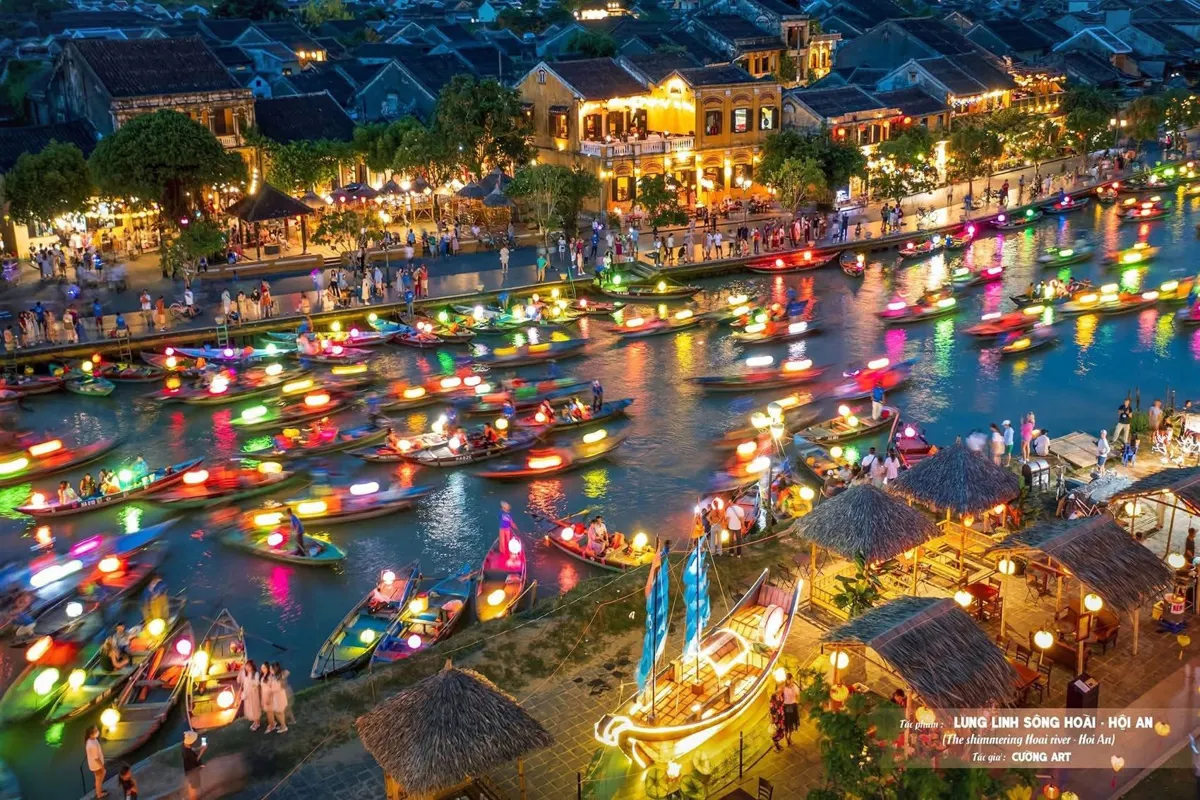
Central Vietnam in April requires careful consideration, as conditions vary. Hoi An begins to experience summer heat, with average temperatures reaching 28 degrees Celsius and daily highs often between 33 and 35 degrees Celsius. Humidity rises, making midday exploration challenging. However, early mornings and evenings remain suitable for walking through the ancient town. Beaches become quite warm, necessitating sun protection and regular dips in the water. Adapting daily schedules, such as engaging in activities from sunrise until 10 am, taking breaks in air-conditioned spaces or at the beach midday, and resuming activities after 4 pm, can enhance the experience.
Da Nang in April sees the full intensity of beach season. Temperatures range from 26 to 34 degrees Celsius, accompanied by strong sunlight and high humidity. My Khe Beach attracts both locals and tourists seeking relief in the water. These hot conditions are well-suited for beach-focused visits where time is spent primarily in or near the ocean. For exploring sites like the Marble Mountains, an early morning visit is highly recommended to avoid the peak heat of the day.
Hue becomes genuinely hot in April, making extensive outdoor exploration difficult. The expansive grounds of the Imperial City require considerable walking, which can be exhausting in 33-degree heat. Short morning cultural visits followed by extended air-conditioned breaks are often necessary. Perfume River boat rides offer some breeze but still feel quite warm. The Phong Nha cave systems, conversely, provide a cool escape; while outside temperatures can be 30 to 33 degrees Celsius, the caves maintain a consistent 20 degrees Celsius, offering a dramatic and welcome contrast.
The central highlands, including Da Lat, maintain pleasant conditions in April. Elevated terrain keeps temperatures comfortable, typically ranging from 20 to 25 degrees Celsius, providing a cool retreat from the surrounding lowland heat. This region is particularly appealing during the warmer months.
Southern Vietnam in April: Managing Intense Heat
Southern Vietnam in April transitions into intense tropical heat, which can test a traveler's endurance. Ho Chi Minh City experiences average temperatures of 30 degrees Celsius, with daily highs consistently reaching 35 to 37 degrees Celsius. Humidity often stays around 80 to 85 percent, making the heat feel oppressive. Midday streets can feel exceptionally warm and humid. Energy levels often decline by noon, making extended air-conditioned breaks necessary. Strategic timing for activities, such as early mornings before 9 am for outdoor exploration and focusing on indoor attractions during midday, is crucial. Air-conditioned transportation like taxis and ride-sharing services becomes vital for comfort and health.
The Mekong Delta also experiences extreme heat and humidity in April. Temperatures can reach 33 to 36 degrees Celsius with limited shade on river tours. While sunrise tours of floating markets might start comfortably, conditions can become very hot by 9 am. Shorter, morning-only excursions are often more effective than full-day trips during this period. For a comprehensive exploration of the country, including the Mekong Delta, consider an extensive Vietnam journey that balances diverse regions.
Phu Quoc Island in April marks the transition from the dry season to the approaching monsoon. Temperatures range from 28 to 34 degrees Celsius with increasing humidity. Beaches remain appealing, but the heat is intense, requiring frequent water breaks and shade. Snorkeling and diving conditions may start to decline slightly due to reduced water visibility. However, April offers shoulder season pricing and fewer crowds, providing economic benefits and a more relaxed atmosphere.
The Con Dao Islands present similar conditions to Phu Quoc, with intense heat and beautiful beaches. Its remote location means fewer tourists even during cooler months, making April an excellent time for solitude. Water activities are essential for comfort, as land-based activities can be challenging due to the heat.
Essential Packing and Preparation for April Travel
Preparing for April's heat in Vietnam involves careful packing and strategic planning. Focusing on lightweight, breathable clothing and essential sun protection is key.
Clothing for April Heat
The weather in Vietnam in April necessitates the lightest possible clothing made from breathable fabrics. Loose cotton and linen items are recommended as they allow air circulation and wick sweat effectively. Tight synthetic fabrics can become uncomfortably warm. An essential packing list should include multiple lightweight t-shirts for daily or even twice-daily changes, loose shorts, light sundresses, and moisture-wicking essentials. The ability to wash and dry clothes quickly is important due to rapid sweating. Light-colored clothing is preferable to dark colors, as it reflects heat and can help keep you cooler. One set of modest temple clothing, such as a lightweight long-sleeve linen shirt and loose pants, is still necessary for cultural site visits.
Critical Sun Protection Gear
Sun protection is paramount during April in Vietnam, as the UV index can reach extreme levels nationwide. Quality sunglasses are non-negotiable, especially polarized lenses, which can reduce eye strain from intense glare reflecting off water and surfaces. Wide-brimmed hats provide crucial protection for the face and neck. High SPF sunscreen should be applied frequently, as intense sun, high humidity, and constant sweating can reduce its effectiveness quickly. A lightweight sun umbrella can also be surprisingly helpful for portable shade when walking between air-conditioned areas.
Hydration and Cooling Equipment
Staying hydrated is crucial for health and comfort. Carrying a large insulated water bottle and refilling it often is highly recommended, as dehydration can occur quickly. Cooling towels, activated with water, can provide temporary relief when worn around the neck during outdoor activities. Small, battery-powered portable fans are also popular among travelers for personal breezes during unavoidable midday outdoor time.
Recommended Activities for April Weather
April's weather in Vietnam often requires adjusting activity expectations and schedules. Certain activities become more appealing, while others are best enjoyed with strategic timing.
Water-Based Activities
Water-based activities become essential for comfort during April. Spending significant time in or near water is a practical strategy for managing the heat. Swimming can become a daily requirement, offering both exercise and cooling relief. Snorkeling and diving provide dual benefits, allowing exploration of marine life while escaping the surface heat. Boat tours often prove more comfortable than land tours, as the movement creates a breeze, offering relief from the heat. For instance, a cruise through Ha Long Bay can feel comfortable due to constant air movement, even on warm days.
Indoor Cultural Experiences
Air-conditioned museums and indoor attractions gain importance during the midday heat. This is an excellent time to explore cultural sites that might otherwise be overlooked during cooler months. Cooking classes offer perfect midday activities, combining indoor comfort with cultural learning. Shopping centers also provide a refuge from the heat while offering opportunities for cultural shopping experiences.
Strategic Outdoor Timing
Early morning activities, from sunrise until approximately 9:00 a.m., offer the best opportunities for outdoor exploration. Adjusting sleep schedules to maximize these comfortable hours can significantly enhance the travel experience. Evening activities, after 5 pm, become more pleasant as temperatures drop slightly and sun intensity decreases. Night markets, evening walking tours, and outdoor dining are excellent cultural experiences for April evenings. Highland and mountain destinations, such as Sapa or Da Lat, allow for comfortable all-day outdoor activities, including hiking and cycling, due to their cooler temperatures.
Culinary Choices for Warm April Days
Vietnamese cuisine in April lends itself to strategic eating choices that focus on cooling and lighter options, as heavy, hot meals may be less appealing.
Fresh and Cooling Dishes
Fresh spring rolls are an ideal meal for April, with their cool ingredients and light preparation perfectly suited to a heat-dampened appetite. Tropical fruit consumption naturally increases, with watermelon, dragon fruit, and coconut water providing natural sugars and hydration. Cold noodle dishes and salads are often preferred over hot soups during April; for example, pho consumption might shift to early mornings when the hot broth is still appealing, with midday meals focusing on room-temperature or cold options.
Beverage Culture Intensifies
Vietnamese iced coffee (ca phe sua da) becomes a staple, offering both caffeine and cooling refreshment. Fresh coconut water is also a necessity, providing natural electrolytes to help prevent dehydration. Beer culture thrives in the evenings, with social sidewalk bia hoi scenes expanding as locals and tourists seek cooling beverages, combining refreshment with a cultural experience.
Photography Tips for April Conditions
April presents specific photography challenges due to intense light and atmospheric haze, requiring careful planning to capture quality images.
Harsh Light Management
Midday photography can be challenging due to harsh overhead sun, which creates strong shadows and blown highlights. It is advisable to shoot primarily during early morning and late afternoon when light quality is softer and more flattering. The weather in April can also create an atmospheric haze, particularly in low-lying areas, reducing landscape clarity. Distant vista shots may appear less sharp than in cooler months, while highland photography often benefits from clearer air.
Heat Protection for Equipment
Camera equipment requires protection from extreme heat. Keeping gear in air-conditioned spaces whenever possible helps prevent heat damage to electronics. Cameras can overheat during prolonged exposure to intense sun, necessitating cooling breaks. Lens fog is a common issue when transitioning between air-conditioned interiors and hot, humid exteriors. Allowing several minutes for condensation to dissipate before shooting is necessary to avoid foggy images, which can slow down the photography process.
Is April the Right Time for Your Vietnam Trip?
After considering the conditions, a balanced perspective on April travel in Vietnam reveals both challenges and unique advantages. The rising heat and humidity are significant factors that travelers must acknowledge.
Who Should Consider April?
- Budget-conscious travelers: April offers shoulder season pricing for accommodation and tours, often resulting in significant cost savings and smaller crowds.
- Heat-tolerant individuals: Those accustomed to tropical climates or who enjoy beach destinations may find Vietnam's April weather manageable.
- Flexible travelers: Visitors willing to adjust their schedules, prioritize water activities, and plan strategically can successfully navigate April conditions and have an enjoyable trip.
Who Should Avoid April?
- Heat-sensitive individuals: Travelers who struggle in hot, humid conditions, especially temperatures above 30 degrees Celsius, may find April genuinely uncomfortable.
- Travelers with packed itineraries: The heat limits the amount of daily activity, often requiring more rest breaks and indoor time than during cooler months.
- First-time visitors to Vietnam: For those without a comparative context, April's challenges might overshadow the country's beauty. More temperate months might offer a more comfortable introduction to Vietnam.
April in Vietnam presents fundamental challenges that require honest acknowledgment. The rising heat and humidity significantly affect travel experiences, demanding schedule adjustments and realistic expectations. However, April is not necessarily a poor choice if approached with proper understanding and planning. Strategic destination selection, focusing on highlands and coastal areas, adjusting daily schedules to prioritize early morning and evening activities, and planning water-focused excursions can create enjoyable experiences. The benefits of the shoulder season, including lower prices and smaller crowds, offer tangible value for travelers prepared to manage the heat. Proper planning can transform this month from an endurance test into a rewarding adventure.
Frequently Asked Questions
What is the weather generally like in Vietnam during April?
April typically marks the beginning of summer in Vietnam, characterized by rising temperatures and increasing humidity across most regions. While the dry season continues in many areas, the heat can feel intense, especially in the south. Northern and central regions also warm up considerably, though highlands remain cooler.
Which regions are most comfortable to visit in Vietnam in April?
For more comfortable conditions in April, consider highland destinations like Sapa in the north or Da Lat in the central highlands, where elevations keep temperatures moderate. Coastal areas such as Cat Ba Island or parts of Ha Long Bay also benefit from sea breezes, making them more bearable than inland cities.
What essential items should I pack for a trip to Vietnam in April?
Packing light, breathable clothing made from cotton or linen is crucial. Essential items include multiple t-shirts, loose shorts, sundresses, and modest attire for temple visits. High SPF sunscreen, a wide-brimmed hat, quality sunglasses, and an insulated water bottle are also highly recommended for sun protection and hydration.
What types of activities are best suited for April weather in Vietnam?
Water-based activities like swimming, snorkeling, and boat tours are excellent choices for cooling off. Indoor cultural experiences, such as visiting museums or taking cooking classes, are ideal for midday heat. Strategic timing for outdoor activities, focusing on early mornings and evenings, allows for more comfortable exploration.
Are there any advantages to traveling to Vietnam in April despite the heat?
Yes, April is considered a shoulder season, which often means fewer tourists at popular attractions and more competitive pricing for accommodations and tours. For travelers who are tolerant of heat and plan their itineraries strategically, these benefits can lead to a more relaxed and cost-effective trip.








