
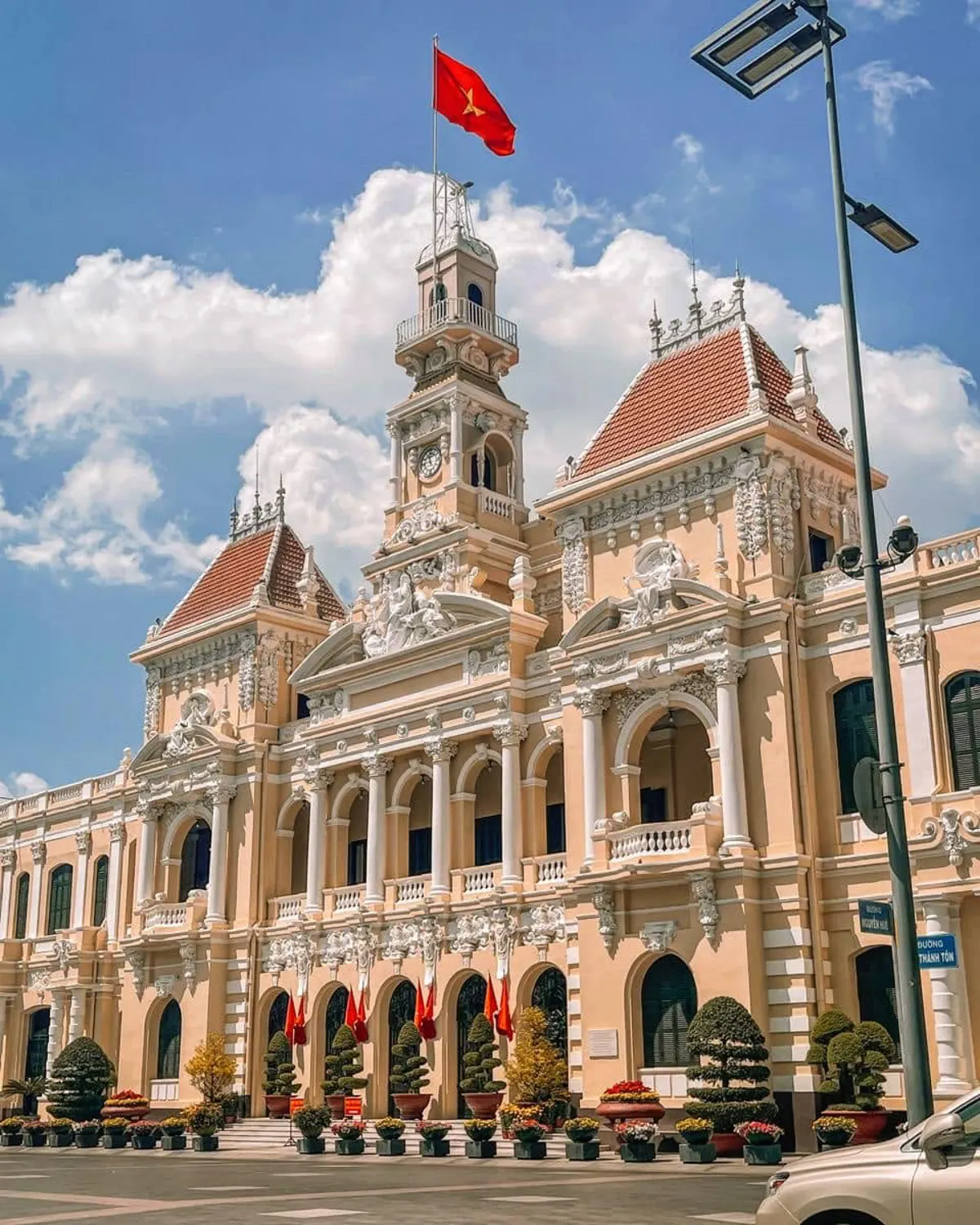
Ho Chi Minh City offers a distinct and energetic atmosphere for New Year's Eve celebrations, diverging from Vietnam's more traditional festivals. The city's streets become lively gathering points, filled with people, music, and an palpable anticipation leading up to midnight. For those visiting, experiencing New Year's Eve here provides insight into the city's contemporary, outward-looking character.
The Unique Character of New Year's Eve in Ho Chi Minh City
Unlike many global New Year's Eve events that often involve private gatherings or exclusive ticketed functions, Ho Chi Minh City's celebration unfolds in public spaces. This openness is a reflection of the city's youthful and dynamic spirit. Main boulevards, riverbanks, and pedestrian zones transform into communal areas where individuals from diverse backgrounds, including students, professionals, expatriates, and travelers, come together.
This inclusive environment means visitors do not typically require special invitations or advance bookings to participate in the main festivities. Simply being present in the designated areas allows for engagement with the city's collective excitement. The event is characterized by its social nature, encouraging interaction among both local residents and international guests.
Key Locations for New Year's Eve Celebrations
Ho Chi Minh City provides several prominent locations for welcoming the new year, each offering a different experience, from dense street-level energy to expansive fireworks viewing. Understanding these areas is crucial for planning your evening.
Nguyen Hue Walking Street: The City's Central Gathering Point
This broad pedestrian avenue extends from Ho Chi Minh City Hall down to the Saigon River and serves as the primary hub for public celebration. On December 31st, it becomes densely populated with individuals who gather to socialize, capture photographs, listen to music, and collectively await the countdown to midnight. While this street does not host official stages or fireworks displays, its atmosphere of shared anticipation is a central part of the experience.
Travelers should be prepared for significant crowds, particularly after 8:30 pm, which can make movement challenging. There are no public restrooms directly along the street. A recommended approach is to visit earlier in the evening to absorb the general mood before moving closer to the river for better views of any fireworks.
Bach Dang Wharf Park: Prime Fireworks Viewing
Situated along the Saigon River, Bach Dang Wharf Park is recognized as one of the best locations for watching New Year's Eve fireworks without the need for paid entry to a rooftop venue. It offers unobstructed sightlines towards the Thu Thiem area, which is a common launch point for pyrotechnic displays. Although it provides more space than Nguyen Hue, the park still fills up rapidly, especially after 9:00 pm. Arriving by 8:00 pm generally increases the likelihood of securing a good standing spot.
Ton Duc Thang Street Riverwalk: Flexible Alternatives
This extended riverwalk, stretching from Nguyen Hue towards Ba Son Bridge, often goes unnoticed by some visitors but offers diverse viewing perspectives. Moving further south along this path, particularly towards Ba Son Bridge, typically results in fewer people and more room to maneuver, though the fireworks may appear slightly more distant. This area provides flexibility for those who prefer to avoid the most concentrated crowds.
Thu Thiem Side: Skyline Perspective
Observing the fireworks from the Thu Thiem Urban Area in Thu Duc City provides a unique perspective, framing the pyrotechnics against the backdrop of District 1's modern skyline. This option is particularly appealing for those interested in capturing photographs that highlight Ho Chi Minh City's contemporary architecture. Access is available via Ba Son Bridge or Thu Thiem Tunnel. It is important to note that traffic restrictions are frequently enforced near midnight, making walking across Ba Son Bridge a more efficient option than driving.
District 7: A Calmer, Family-Oriented Celebration
For individuals seeking a less intense New Year's Eve experience, District 7, specifically the Phu My Hung area, offers a different environment. This district features wider streets and generally lighter crowds, with public spaces often frequented by families. While fireworks visibility depends on the specific launch sites for the year, the overall atmosphere here is more relaxed and manageable, making it suitable for those who prefer to avoid dense gatherings.
Can Gio District: Coastal New Year's Eve
Located in Can Thanh Town, Can Gio District, this area presents an alternative New Year's Eve setting away from the city center. Here, fireworks are viewed against an open sky and coastal scenery rather than urban skyscrapers. It is important to consider that Can Gio is approximately 2 to 3 hours from central Ho Chi Minh City, and an overnight stay is strongly recommended for visitors choosing this option.
Overview of Key Celebration Venues
| Location | Address / Area | Key Features for NYE | Notes for Travelers |
|---|---|---|---|
| Nguyen Hue Walking Street | Nguyen Hue Boulevard, District 1 | Central gathering point, street atmosphere | Extremely dense crowds after 8:30 pm. No restrooms. Visit early. |
| Bach Dang Wharf Park | 2 Ton Duc Thang Street, District 1 | Free fireworks viewpoint, open river views | Very crowded near midnight. No seating. Arrive by 8:00 pm for good spot. |
| Ton Duc Thang Street Riverwalk | Ton Duc Thang Street, District 1 (from Nguyen Hue to Ba Son Bridge) | Flexible viewing angles, less dense crowds further south | Good for avoiding peak crowds while maintaining river access. |
| Thu Thiem Urban Area | Thu Duc City (across Saigon River from District 1) | Skyline-framed fireworks views | Access via Ba Son Bridge or Thu Thiem Tunnel. Expect traffic restrictions; walking bridge is faster. |
| Phu My Hung, District 7 | Nguyen Van Linh Boulevard, Ton Dat Tien Street | Calmer, family-friendly atmosphere | Crowds are lighter. Fireworks visibility depends on annual launch sites. |
| Can Gio District | Can Thanh Town, Can Gio District (near Can Gio Beach Park) | Coastal fireworks viewing | 2–3 hours from central HCMC. Overnight stay is highly advised. |
Practical Advice for New Year's Eve Revelers
Successful navigation of New Year's Eve in Ho Chi Minh City requires some advance planning, particularly concerning timing, movement, and personal belongings. The city's dry season in late December ensures comfortable weather, with temperatures typically ranging from 24°C to 30°C and minimal humidity, making outdoor celebrations pleasant. This favorable climate allows for extended periods of walking and outdoor enjoyment. For those planning their initial visit to Vietnam, understanding which places to prioritize can be crucial.
Celebrations typically begin to build throughout the afternoon of December 31st, with central districts experiencing increased traffic and cafes filling earlier. By early evening, around 6:00 pm, the festive mood becomes more apparent, and major celebration zones are notably crowded by 9:30 pm. While midnight marks the climax with fireworks, the experience develops over several hours before this moment.
Transportation presents one of the most significant challenges. Central districts experience substantial traffic congestion and frequent road closures near celebration areas. While ride-hailing services are available, they often face long delays and surge pricing. Walking is frequently the most efficient method of travel within District 1 on New Year's Eve. It is strongly recommended that travelers select accommodation within convenient walking distance of their intended celebration spot. Departing immediately after midnight can be difficult, so many choose to extend their evening or wait for traffic to subside. For a broader understanding of getting around, consider local public transport options in Vietnam.
Despite the large gatherings, New Year's Eve in Ho Chi Minh City is generally considered safe, with a visible police presence managing events. Serious incidents are uncommon; however, minor theft can occur in crowded environments. Visitors should keep valuables secure, avoid carrying unnecessary items, and remain aware of their surroundings. Traveling with minimal belongings enhances both comfort and safety. For more comprehensive information on travel safety, refer to a general guide for visitors.
Choosing Your New Year's Eve Style: Itineraries and Alternatives
The diverse offerings in Ho Chi Minh City allow for various New Year's Eve experiences, catering to different preferences. Whether you prefer the energy of the streets, the comfort of an elevated view, or a quieter celebration, planning an itinerary can enhance your evening.
- Classic First-Timer Experience:
- 6:00 pm: Enjoy dinner in District 1.
- 7:30 pm: Stroll along Nguyen Hue Walking Street to soak in the atmosphere.
- 9:00 pm: Move towards Bach Dang Wharf for fireworks viewing.
- 12:00 am: Witness the fireworks display.
- After midnight: Find a nearby café or bar to continue the evening.
- Rooftop Comfort Experience:
- Early evening: Have dinner at a restaurant.
- Late evening: Attend a ticketed rooftop bar event for the countdown.
- After midnight: Walk back to your hotel.
- Calm Alternative Experience:
- Evening: Take a relaxed walk in District 7.
- Late evening: View fireworks from a local park in District 7.
- After midnight: Enjoy a late-night dessert or visit a quiet café.
Choosing accommodation strategically also significantly impacts the New Year's Eve experience. For those seeking to be at the heart of the action, staying in District 1, particularly near Nguyen Hue or Ton Duc Thang, is ideal. District 3 offers a quieter option that is still walkable to central areas. Travelers desiring a more relaxed setting might consider District 7 (Phu My Hung) or Thu Duc City near Thu Thiem. For a truly distinct experience, an overnight stay in Can Gio provides a coastal celebration. Staying within easy walking distance of your planned celebration zone helps reduce stress and avoids potential traffic complications.
Ho Chi Minh City's New Year's Eve in Context
Ho Chi Minh City's New Year's Eve celebration stands apart from those in many other Asian metropolises. Compared to cities such as Bangkok or Singapore, the experience here often feels more spontaneous and less commercialized, with fewer barriers to public participation. In contrast to Hanoi, Ho Chi Minh City typically offers a warmer climate, a louder atmosphere, and a greater emphasis on nightlife. For travelers who prioritize energy and an urban social experience over formal elegance, Ho Chi Minh City presents a compelling choice.
The Significance of Fireworks:
Fireworks serve as the central visual element of New Year's Eve in Ho Chi Minh City. Each year, official displays are organized at specific locations, typically commencing precisely at midnight and lasting for about 10 to 15 minutes. Despite their relatively short duration, these displays carry considerable emotional weight. Thousands of people participate in a collective countdown, followed by cheers, a sky illuminated by phone lights, and a peak in ambient music. For many visitors, this shared moment of welcoming the new year becomes a highlight of their trip. The dry season in Southern Vietnam during December, as detailed in our travel planning guide, ensures comfortable conditions for these outdoor spectacles.
The city carefully selects official launch sites, often near the Saigon River, particularly around the Thu Thiem zone opposite District 1, to manage crowds and ensure safety. Travelers do not need to be at the launch site itself; in fact, being too close can obstruct views. The most favorable viewing spots are generally across the river or along open riverbanks.
New Year's Eve Versus Tet:
It is important for travelers to differentiate New Year's Eve (December 31st) from Tet, the Lunar New Year. New Year's Eve is a modern, global, and urban celebration focused on public enjoyment and social interaction. It does not carry deep traditional or religious significance in Vietnam, unlike Tet. Consequently, there are no specific rituals, food expectations, or family obligations associated with December 31st, offering visitors greater flexibility in how they choose to celebrate. This makes New Year's Eve one of the most accessible holidays for travelers in Vietnam. For a deeper understanding of the Lunar New Year, consider observing Tet traditions.
Conversely, Tet is a deeply traditional, family-centered holiday focused on reunions, ancestor worship, and national identity. During Tet, many businesses close, and travel demand is high, requiring more extensive planning for visitors. While both holidays offer valuable cultural insights, they provide distinctly different experiences for those exploring Vietnam.
Comparing Ho Chi Minh City New Year's Eve
| Feature | Ho Chi Minh City | Bangkok / Singapore (General) | Hanoi (General) |
|---|---|---|---|
| Atmosphere | Informal, energetic, public, social | More structured, often ticketed, commercialized | Quieter, cooler, less nightlife-focused |
| Accessibility | High, easy to join public celebrations | May require reservations, tickets for prime spots | More subdued public events |
| Weather (Dec 31) | Warm (24-30°C), dry, low humidity | Warm to hot, varied humidity | Cooler, potentially damp |
| Cultural Context | Modern, global, fun-focused (not traditional) | Mix of traditional and modern, often highly commercial | More traditional, less emphasis on Western New Year |
| Crowd Density | Very dense in central zones, but options for calmer areas | Can be extremely dense in specific tourist areas | Generally less dense than HCMC or Bangkok |
Frequently Asked Questions
When do New Year's Eve celebrations typically begin in Ho Chi Minh City?
The festive atmosphere in Ho Chi Minh City gradually builds throughout December 31st. By early evening, around 6:00 pm, the mood noticeably shifts, with groups gathering and music becoming more prominent. Major celebration areas are usually quite crowded by 9:30 pm, leading up to the midnight fireworks.
Are transportation options difficult on New Year's Eve?
Yes, transportation can be challenging. Central districts experience significant traffic congestion and road closures. Ride-hailing services may have long delays and increased prices. Walking is often the most efficient way to move within District 1. It is advisable to stay within walking distance of your celebration plans.
Is New Year's Eve in Ho Chi Minh City suitable for families with young children?
For families with very young children or those who prefer quieter environments, the intense crowds in central areas like Nguyen Hue Walking Street might be overwhelming. Districts like Phu My Hung in District 7 offer a calmer, more family-friendly atmosphere for celebrating.
How does New Year's Eve differ from Tet (Lunar New Year) for travelers?
New Year's Eve (December 31st) is a public, social, and modern celebration, easily accessible to travelers with services generally remaining open. Tet, on the other hand, is Vietnam's traditional, family-focused holiday, often involving business closures and high travel demand, requiring more careful planning for visitors.
What should I keep in mind regarding safety during the celebrations?
While New Year's Eve in Ho Chi Minh City is generally safe with visible police presence, it's wise to be aware of your surroundings in crowded areas. Petty theft can occur, so keep valuables secure, avoid carrying unnecessary items, and travel light for comfort and safety.
Ho Chi Minh City embraces New Year's Eve with open, collective enthusiasm rather than quiet reflection. The unique appeal of this experience lies not just in the fireworks or parties, but in the shared public spaces where locals and visitors stand together, counting down to the new year. With thoughtful preparation, an understanding of the key locations, and realistic expectations, celebrating New Year's Eve here can become a memorable urban travel experience in Southeast Asia. For those who appreciate energy, cultural contrast, and modern Vietnamese life, welcoming the new year in Ho Chi Minh City offers a truly distinctive occasion. To explore more of Vietnam's vibrant cities and cultural sites, consider a 10-day journey from the south to the north, or perhaps a cultural highlights tour including the Mekong Delta.








