
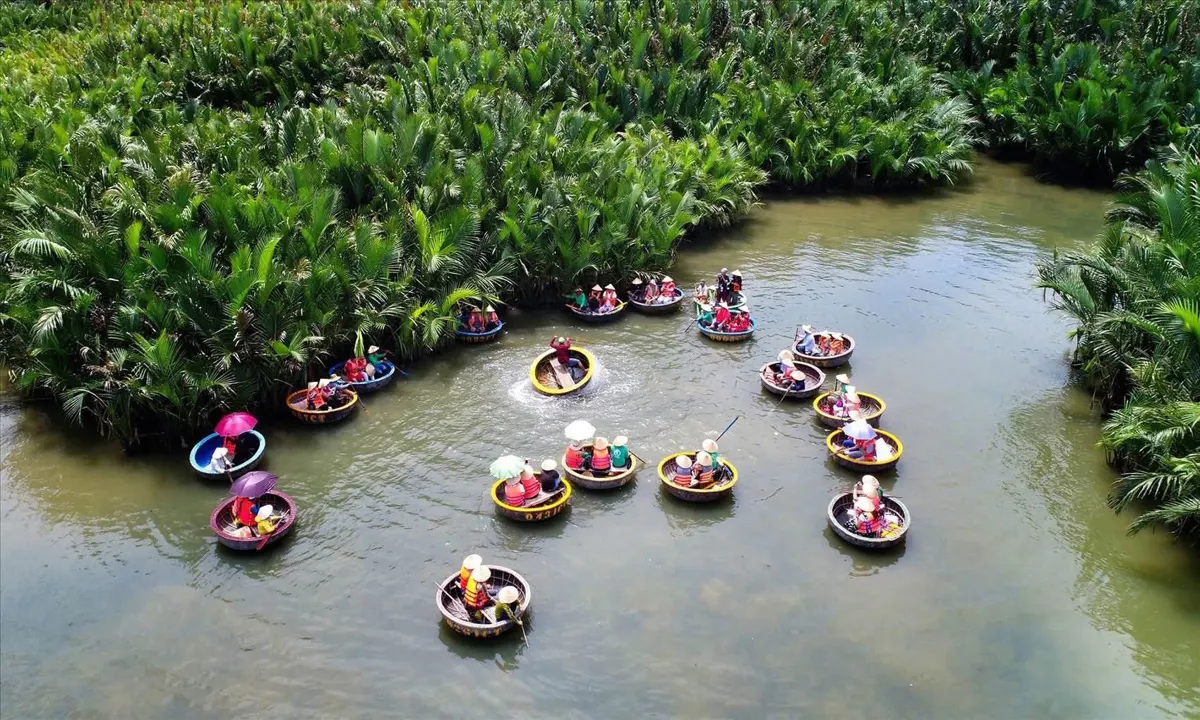
Vietnam presents itself as a captivating destination within Southeast Asia, drawing a significant number of international visitors each year. To fully appreciate the nation's diverse landscapes, rich history, and unique cultural practices, travelers benefit from advance preparation. This guide provides fundamental information and practical recommendations to help first-time visitors navigate the country with greater ease and confidence.
Planning Your Vietnamese Journey: Key Considerations
Before traveling to Vietnam, several preparatory steps are advisable, encompassing climate awareness, entry requirements, and financial arrangements. The country experiences a tropical monsoon climate, with weather patterns varying considerably between its northern and southern regions. Generally, the period from November to April offers mild, dry conditions, making it a popular time for tourism, though this also means higher prices and larger crowds. Southern Vietnam typically observes its dry season from December to May and a wet season from May to November. The northern areas experience four distinct seasons: spring from February to April, summer from May to July, autumn from August to October, and winter from November to January. Due to potential weather shifts, packing adaptable clothing, including rain gear and layers, is always a good idea.
Most international visitors need a visa to enter Vietnam. It is crucial to verify current regulations with your local consulate or online resources. Certain nationalities are granted visa exemptions for specific durations. For instance, citizens of Thailand, Malaysia, Singapore, Indonesia, Cambodia, and Laos may enter for up to 30 days without a visa. Brunei and Myanmar citizens receive a 14-day exemption, while those from the Philippines can stay for 21 days. Travelers from Japan, South Korea, Sweden, Norway, Russia, Denmark, Finland, the United Kingdom, France, Germany, Italy, Spain, and Belarus (until June 30, 2020) are exempt for 15 days, provided their passport is valid for at least six months upon arrival and there's a 30-day interval between visits. Kyrgyzstan citizens receive a 30-day exemption. Holders of valid diplomatic passports from Chile are exempt for 90 days, and citizens of China, Cuba, and North Korea with normal passports endorsed for "public affairs" do not require a visa. APEC Business Travel Card holders can stay for up to 60 days. Direct travel to Phu Quoc Island allows a visa-free stay of up to 30 days; if visitors wish to travel to other areas or extend their stay beyond 15 days on the island, immigration authorities can issue visas locally.
Currency, Banking, and Electrical Information
The official currency is the Vietnamese Dong (VND). It is important to be mindful of bill denominations, as some, like the 500,000 VND and 20,000 VND notes, share similar colors. Keeping smaller bills readily available simplifies transactions. Vietnam operates in the UTC +7 hours time zone, aligning with other Indochinese nations. Banking institutions typically operate Monday through Friday, from 8:30 AM to 11:00 AM and 1:00 PM to 4:00 PM, closing for lunch between 11:00 AM and 1:00 PM. On weekends and public holidays, currency exchange services are often available at jewelry stores or hotel receptions, usually at comparable rates. ATMs are widely accessible in tourist areas, and many hotels and restaurants accept credit cards. While Master and Visa cards are generally accepted, a 3% surcharge on top of the cash price is common, and American Express cards are less frequently honored. For managing finances, especially in larger cities, understanding banking options in Hanoi can be helpful.
Regarding electrical outlets, the European 2-pin plug is the most common type across Vietnam. However, some locations may use British 3-blade or Japanese/North American 2-blade prongs, so carrying a universal adapter is recommended.
Navigating Vietnam: Transportation and City Life
Getting around Vietnam offers a range of experiences, from traditional modes to modern conveniences. Understanding local transport and pedestrian norms is key to a smooth journey.
Local Transportation Options
- Cyclo (Xích lô): These three-wheeled bicycle taxis provide a leisurely way to explore older districts of cities like Hanoi, Hoi An, and Ho Chi Minh City. Riders often offer commentary on landmarks. Prices are typically per hour or route; for instance, a Hanoi cyclo tour might cost $10 per person, and an HCMC tour $12 per person, excluding a suggested tip of $2-3. In other cities, cyclos primarily transport goods.
- Taxi: Metered taxis are common. Reliable companies include Mai Linh, Hanoi Taxigroup, and Vinasun. While generally affordable, some drivers may attempt to overcharge less experienced passengers. It is advisable to monitor the meter and consider using ride-hailing apps like Grab in major cities for transparent pricing.
- Walking: Exploring cities on foot offers an authentic cultural experience. Crossing streets in Vietnam's busy urban centers requires a specific approach: maintain a steady pace without sudden stops or changes in direction, allowing traffic to flow around you. Joining locals when crossing can also be effective.
- Xe Om (Motorbike Taxi): For short distances or navigating heavy traffic, motorbike taxis are an option. Always wear a helmet and hold on securely. This mode is particularly efficient in the dense traffic of Hanoi or Saigon.
- Train: Train travel provides scenic views, especially during daylight hours. Popular routes include Hanoi to Lao Cai (for Sapa), Hanoi to Hue or Hoi An, and onward to Ho Chi Minh City, or Ho Chi Minh City to Phan Thiet (Mui Ne). While trains can be slow and bumpy, they offer a unique perspective of the countryside and coastline. Booking tickets in advance through a reputable travel agent is recommended to secure better cabins and avoid chaotic station counters where English may not be widely spoken. For more detailed information on overnight rail journeys in Vietnam, consult dedicated guides.
- Boat: Boat trips are a highlight in several regions. Examples include short rides on the Chay River from Bac Ha to Hmong villages, multi-hour excursions on Ba Be Lake, journeys along the Perfume River in Hue, and navigating the caves and rice paddies of Tam Coc (Ninh Binh). The Mekong Delta is renowned for its floating markets, offering a glimpse into local daily life.
- Bus: Buses connect towns not served by planes or trains, such as Da Lat and Mui Ne. While their reputation for foreigners has improved, many travelers prefer private car services arranged by tour operators for comfort and reliability.
A common urban challenge is sidewalks often being used for motorbike parking, forcing pedestrians into the street. While authorities have made efforts to clear sidewalks, limited parking space means pedestrians must remain vigilant and return to the sidewalk when possible.
Domestic Air Travel
For longer distances, domestic flights are a practical choice. Vietnam Airlines is recognized for its higher service standards. Budget airlines like VietJet, Pacific, and Bamboo Airways also operate, typically offering smaller seating, and charging extra for checked baggage, food, and drinks. When considering domestic flights, it is wise to consult a local travel agent, who can often secure tickets at similar prices to direct booking (as they earn commission from airlines) and assist with rebooking in case of delays or cancellations. They can also arrange airport transfers, simplifying your journey.
Domestic Airline Baggage Allowances (Vietnam Airlines)
| Class | Checked Baggage | Carry-on Items |
|---|---|---|
| Business & Premium | 30kg | Two |
| Economy | 23kg | One |
For Vietnam Airlines, slight overweight baggage (10-15% over) may not incur charges, but for greater excess, a voucher for payment at a counter is typically issued. Always verify current allowances on your ticket or with the airline directly.
Cultural Insights and Local Practices
Understanding Vietnamese culture and common practices enhances the travel experience and fosters respectful interactions.
Language and Communication
Vietnamese is the official language, spoken by approximately 59 million people globally. It is a tonal language, meaning slight variations in pronunciation can alter a word's meaning significantly. While English speakers are present in major tourist centers, venturing outside these areas means fewer English speakers. Translation apps can assist, and a local guide can greatly facilitate communication. French may be understood by older generations. Public displays of affection between couples are generally discreet, often limited to holding hands.
Bargaining and Tipping
In local markets, bargaining is a customary practice and often expected. While prices are fixed in larger shops, vendors in smaller settings anticipate negotiation. A common tactic is to state your desired price and be prepared to walk away; often, the vendor will call you back with a lower offer if it's a fair deal. Showing respect for the process, even if you feel you're taking their time, is appreciated. Tipping is becoming more common in hotels and upscale restaurants, but less so in street food stalls or small local eateries. Leaving small change for satisfactory service is a thoughtful gesture.
Attire and Social Norms
Despite its modernizing cities, Vietnam maintains conservative dress standards. Clothing should be respectful rather than revealing. When visiting religious sites like temples or the Ho Chi Minh Mausoleum, long pants or skirts are required. Even in hot and humid climates, going shirtless or wearing overly skimpy attire is considered inappropriate. Dressing modestly demonstrates respect for local culture. When shopping, it is advisable not to appear overly affluent, as this can influence initial price offers. Carrying smaller denominations and keeping larger sums out of sight is a practical approach.
Safety and Awareness
While generally safe, travelers should remain aware of their belongings. Petty theft, particularly pickpocketing, can occur, especially on crowded overnight trains or buses. It is recommended to keep valuables, passports, and phones on your person at all times, even during short stops. When sightseeing, wear backpacks on your front and avoid leaving phones unattended on tables. These precautions help prevent minor inconveniences that can disrupt a trip.
City Curfews
Many Vietnamese cities, including Hanoi and Ho Chi Minh City, tend to quiet down around 11:00 PM. While some clubs and bars remain open, most restaurants and businesses close earlier. Guesthouses and hostels may also have curfews, sometimes with a night guard or doorbell system for late arrivals. Always confirm the curfew policy and entry protocol with your accommodation to avoid being locked out, and inform them if you anticipate a late check-in to ensure your room is held.
Vietnamese Gastronomy and Dining Etiquette
Vietnam is celebrated for its culinary traditions, offering a diverse array of flavorful and often healthy dishes at accessible prices.
Food and Drink Essentials
Vietnamese cuisine is globally recognized for its delicate balance of flavors, incorporating heat, aromatics, sweetness, fish sauce, and sour notes. A bowl of pho (noodle soup) can cost less than $2, while fine dining options are also available. Seasonal fruit smoothies, made from ingredients like longan, banana, avocado, durian, and passion fruit, are widely available. The culinary landscape varies between the north and south, each region offering distinct specialties. When dining, ensure that soups are served boiling hot and other foods have not been left out for extended periods. Opt for busy establishments with high customer turnover to ensure freshness.
A critical health note for travelers is to avoid drinking tap water. Bottled water or boiled water should always be consumed. When it comes to ice, it's generally advisable to refrain from consuming it at street stalls. However, larger hotels and restaurants catering to tourists typically use purified ice, which is usually safe. For cold beverages like beer, chilling the bottle on ice is often preferred over adding ice directly to the drink.
For those seeking vegetarian options, Vietnam's food culture is accommodating. Many restaurants clearly advertise "vegetarian food" (đồ chay) on their signs. While traditional pho is often meat-based, some international cafes may offer vegetarian versions. Trying local beer is highly recommended; each town often has its own inexpensive brews. "Bia Hoi," a fresh, light draft beer, is a unique Hanoi experience, enjoyed on small plastic chairs at street-side cafes. When toasting, the phrase "Mot, Hai Ba, Zo!" (One, Two, Three, Cheers!) is commonly used.
Pronouncing "Pho" Correctly
The national dish, "Pho," is frequently mispronounced by international visitors. To ensure you receive the correct order, it is important to pronounce it as "FUH." Mispronouncing it as "fo" can sound like a sensitive word in Vietnamese, potentially leading to misunderstandings. Pho typically consists of rice noodles in a savory meat broth, often served with fresh herbs and vegetables to add to your bowl.
Activities and Accommodations
From iconic natural wonders to cultural experiences, Vietnam offers a wealth of activities and diverse lodging options.
Halong Bay Cruises
Halong Bay, a UNESCO World Heritage site, remains a premier attraction despite its popularity. An overnight cruise is highly recommended to fully appreciate its unique karst landscape. The Halong Bay Complex includes Halong Bay, Bai Tu Long Bay, and Lan Ha Bay, each offering distinct experiences. Booking through a reputable travel company can help secure a quality vessel and itinerary.
Tailoring Services
Hoi An, an ancient town, is renowned for its skilled tailors. Visitors can have custom-fitted clothing made from various fabrics, including silk, at reasonable prices. The process typically involves selecting a design and fabric, taking measurements, and attending a fitting, with the finished garments often delivered to your hotel within a day or two.
Day Tours and Tour Operators
In tourist areas, offers for "day tours" are common. While tempting due to low prices, these tours often include unnecessary stops at gift shops or restaurants, consuming valuable time. For a more focused experience, consider booking private tours or arranging transport through a reputable tour operator. These operators can help design itineraries, handle logistics, and provide support for any issues that may arise, offering peace of mind for a small service fee. Researching tour companies and reading reviews (e.g., on platforms like Trip Advisor) is advisable to avoid unreliable providers.
Accommodation Booking
Unlike some other Southeast Asian countries where online booking platforms might offer the best deals, in Vietnam, showing up in person at hotels or hostels can sometimes yield better prices. This also allows you to inspect the room and potentially negotiate the rate. However, reputable tour operators, who book numerous room nights annually, often have established relationships with hotels, potentially securing better views, services, or additional benefits for their clients.
Rooftop Bars in Hanoi
Hanoi's rooftop bars offer excellent vantage points for enjoying city views and the evening atmosphere. Many provide happy hour specials. Notable options include:
- Melia Hotel: Features a lounge with impressive views.
- Pacific Place: Located at 83 Ly Thuong Kiet.
- Pan Pacific Horizon: Offers views of Truc Bach Lake, West Lake, and the Ho Chi Minh Mausoleum complex at 1 Thanh Nien Road.
- Apricot Hotel: Provides views of Hoan Kiem Lake from Hang Trong Street.
- Cau Go Restaurant: Known for its views over Hanoi's Old Quarter and Hoan Kiem Lake on Dinh Tien Hoang Street.
- Top of Hanoi (Lotte Tower): Situated on the 65th floor of the Lotte Tower at 54 Lieu Giai Street, it is the city's tallest rooftop bar.
- MK Premier Boutique Hotel: Presents panoramic views of the Old Quarter from 72-74 Hang Buom Street.
Frequently Asked Questions
When is the optimal time to visit Vietnam?
The best time to visit Vietnam for mild and dry weather is typically from November to April. However, weather patterns vary significantly between the north and south, so it's advisable to consider specific regional climates for your travel dates.
Is tap water safe to drink in Vietnam?
No, tap water in Vietnam is not safe for direct consumption. Travelers should exclusively drink bottled water or boiled water to avoid health issues.
Do I need a visa to enter Vietnam?
Most foreign nationals require a visa for entry into Vietnam. However, several countries have visa exemption agreements for specific durations. It is essential to check current visa requirements based on your nationality before planning your trip.
What are the common forms of transportation in Vietnamese cities?
Common transportation methods in Vietnamese cities include cyclos (bicycle taxis), metered taxis (with reputable companies like Mai Linh and Vinasun), ride-hailing apps like Grab, motorbikes (Xe Om), and walking. For longer distances, domestic flights and trains are available.
Why are many buildings in Vietnam narrow?
Buildings in Vietnam are often narrow due to historical property taxation and rental costs being based on the width of the building's street frontage, rather than its total square footage. This led property owners to construct narrower, longer structures to minimize expenses.








