
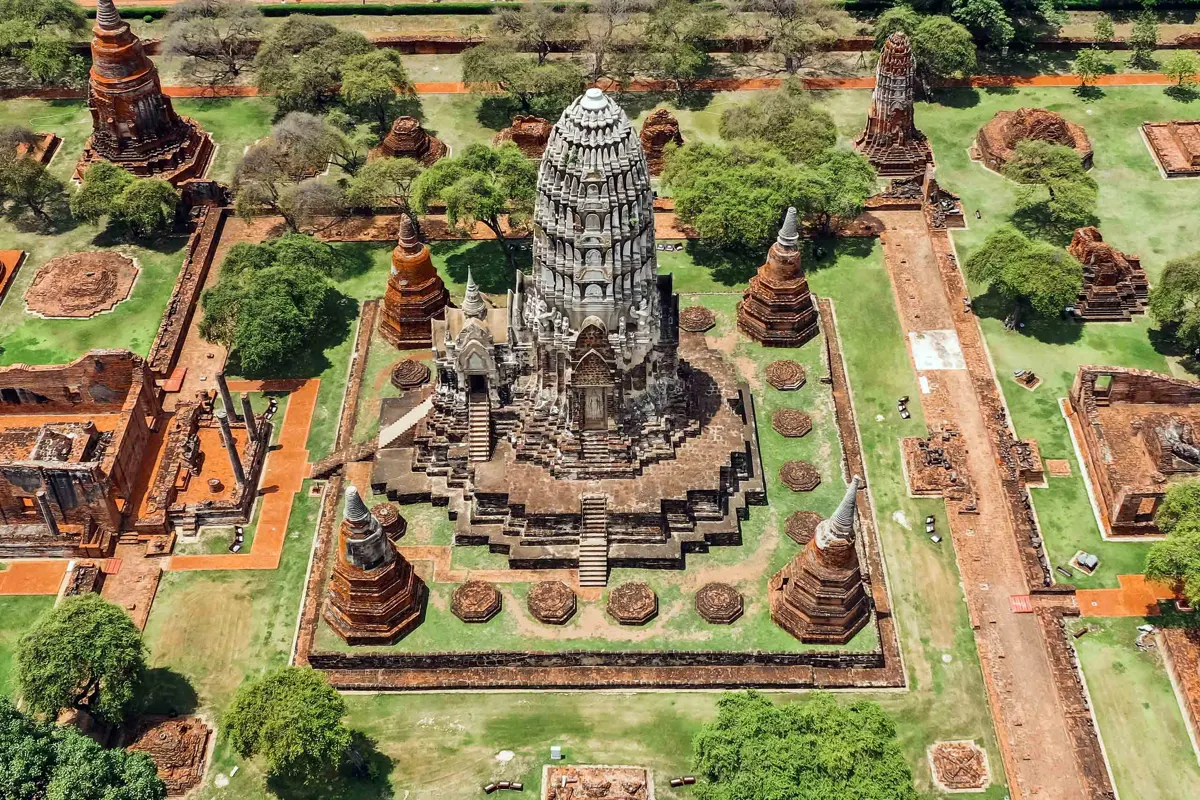
A 15-day journey through Thailand offers ample time to experience its diverse geography and rich cultural heritage, stretching from the bustling capital in the central plains to the tranquil mountains of the north. This duration allows travelers to engage with ancient traditions, admire intricate architecture, and appreciate the country's natural beauty, providing a balanced perspective on Thai life and history.
This itinerary is designed for individuals, families, or groups seeking a comprehensive overview of Thailand's key regions. It outlines a progression through major cities and historical sites, ensuring a varied experience that combines urban exploration with encounters with nature and local communities. Prepare for an adventure that reveals the many facets of this Southeast Asian nation.
Planning a 15-Day Journey Across Thailand
Embarking on a two-week expedition across Thailand provides a substantial opportunity to witness the nation's contrasting environments. Starting in the dynamic capital, Bangkok, the route then extends through the historical sites of central Thailand before culminating in the cultural heartlands of the north. This progression allows visitors to observe the evolution of Thai society and its enduring traditions.
The journey is structured to move efficiently between locations, minimizing travel time while maximizing engagement with each destination. From ancient ruins that tell tales of past kingdoms to modern urban centers, and from serene natural parks to lively markets, this itinerary offers a deep dive into what makes Thailand a unique destination. Travelers will find opportunities for cultural learning, relaxation, and active exploration throughout their stay.
Exploring Bangkok: Temples, Markets, and Evening Entertainment
Your Thai adventure commences with arrival at Bangkok International Airport. Upon reaching your city center accommodation, it is advisable to allow time for rest after a long flight. The evening can be spent with a gentle introduction to Bangkok's atmosphere, perhaps with a stroll to observe the city's evening activities.
The second day focuses on Bangkok's most revered spiritual sites. Begin at Wat Traimit, situated at the end of Yaowarat Road, near Hua Lamphong Station in Samphanthawong District. This temple is celebrated for its large Buddha image crafted from solid gold. Following this, proceed to Wat Pho, located on Rattanakosin Island in Phra Nakhon District. As one of Thailand's oldest temples, Wat Pho houses over a thousand Buddha images and features a significant Reclining Buddha statue, measuring 46 meters in length and 15 meters in height, adorned with gold leaf. After a local lunch, the itinerary continues to the Royal Grand Palace and the Emerald Buddha Temple, situated on Na Phra Lan Road, adjacent to the Minam River. Constructed in 1792 during the reign of King Rama I, this expansive complex is considered the symbolic core of Bangkok. Conclude the day's temple visits at the Marble Temple, a contemporary example of Thai architectural design. Evenings in Bangkok offer numerous leisure options, from night markets to various entertainment venues.
Day three in Bangkok provides an opportunity for independent exploration after breakfast. Sampling Thai street food is highly recommended, as is a visit to one of Bangkok's floating markets to observe daily local commerce. In the evening, a Thai buffet dinner can be enjoyed, often accompanied by cultural performances. The Siam Niramit Show, hosted at the Ratchada Theater, is recognized by Guinness World Records for its expansive stage, measuring 11.95 meters, and presents elaborate performances depicting Thai history and culture. For those seeking further evening activities, night markets and entertainment establishments offer additional choices.
Central Thailand's Historical and Natural Wonders
On day four, the journey moves beyond Bangkok. The Damnoen Saduak floating market, located in the Damnoen Saduak district of Ratchaburi province, approximately 105 km southwest of Bangkok, is an early morning stop. This market is known for its lively trade, primarily catering to visitors seeking souvenirs and an insight into canal-side life, with commercial activities typically commencing at 6:00 am. Subsequently, travelers can experience a 30-minute ride on the historic Death Railway Train, from Tha Ki Len to Tham Krasae. Lunch is usually provided at a nearby restaurant. The day concludes in Kanchanaburi, where visits include the Allied War Cemetery, which contains the gravestones of 6,982 Allied prisoners of war, and the JEATH War Museum, displaying artifacts and photographs from the war period.
Day five is dedicated to the natural splendor of Erawan National Park, Thailand's 12th National Park, situated 65 km from Kanchanaburi province. The park's main draw is the 7-tiered Erawan Waterfall, the country's largest, formed by the Omtala and Mongalai rivers, known for its distinctive green-tinted water due to calcium carbonate. Another site to visit is Wat Tham Sua, also known as the Tiger Cave Temple, set amidst an ancient forest in the Khiriwong valley. This temple, established by Zen masters, belongs to the Vipassana sect and features unique drawings within its cave system, reflecting ancient qigong medical studies.
Day six involves a transfer from Kanchanaburi to Sukhothai. Upon arrival and hotel check-in, the afternoon is free for personal activities. Options include cycling through local villages and rice fields or enjoying a longtail boat ride on the Yom River to appreciate the surrounding scenery.
Day seven focuses on Sukhothai's historical significance. Sukhothai Historical Park, located near Sukhothai City, preserves the remnants of the 13th and 14th-century capital of the Sukhothai Kingdom. Designated a UNESCO World Heritage site in 1991 and maintained by the Thai Fine Arts Department, the park spans a rectangular area measuring 2 km east to west and 1.6 km north to south. It encompasses the ruins of the royal palace and 26 temples, with Wat Mahathat being the most prominent. Other notable structures include Wat Si-Sawai, Wat Si-Chum, Wat Chang-Rop, Wat Traphang-Ngoen, Wat Chana-Songkhram, Wat Mai, and the Ramkhamhaeng National Museum. Wat Mahathat, situated east of the old Ayutthaya palace on Chee Kun Road and Naresuan Road, was constructed in 1374 and served as a crucial royal temple before its destruction by the Burmese army in 1767. Additionally, the Sangkhalok Museum in Sukhothai displays a collection of Sangkhalok porcelain, a type of ceramic produced during the Sukhothai Kingdom.
Northern Thailand: Cultural Highlands and Elephant Sanctuaries
Day eight marks the transition to northern Thailand with a transfer from Sukhothai to Chiang Mai. Often referred to as the 'capital of the North,' Chiang Mai is approximately 700 km from Bangkok and boasts a population of around half a million. The remainder of the day is at leisure, offering opportunities to explore modern commercial centers such as MAYA Shopping Center, Central Festival Mall, Central Airport Plaza, Promenada Resort Mall, or the Premium Outlet at Kaed Farang.
On day nine, the itinerary ascends Doi Suthep, a mountain overlooking Chiang Mai. Here, visitors can explore Wat Phrathat Doi Suthep, a sacred site for the local population, located 15 km west of Chiang Mai. Built in 1383, the temple sits at an elevation of 1667m and is accessible via 309 steps or a cable car. From the summit, clear weather permits views of Chiang Mai city, including the airport and the central Chadi Dragon temple. The evening features a Khantoke dinner, a traditional Northern Thai meal served in the Old Chiangmai style, reflecting the customs of the ancient Lanna kingdom. This experience often includes folk dances such as the graceful fingernail dance, powerful sword and bow dances, swing dance, Shan royal dance, and Mahn Mui Chiangta dance, sometimes concluding with audience interaction.
Day ten is dedicated to the Mae Sa Elephant Camp, located at 119/9 Tapae Street, Muang District, Chiang Mai. This facility cares for over 70 domesticated elephants. Visitors can observe elephant demonstrations, including parades and artistic displays, and learn about elephant life cycles, training, and rehabilitation. The return journey to Chiang Mai includes a stop at an Orchid & Butterfly Farm.
Day eleven involves a visit to Lisu Lodge in Mae Taeng, approximately 16 km from Elephant Nature Park. Here, a village tour provides insight into local life, including a visit to Ton Lung Temple, an herbal garden showcasing traditional remedies, and local homes. The day concludes with traditional Lisu dances performed by community members.
Day twelve involves a transfer to Chiang Rai, where the main attraction is Wat Rong Khun, commonly known as the White Temple. Situated north of Chiang Rai province, this temple was conceived and constructed starting in 1997 by renowned Thai artist and architect Chalermchai Kositpipat. Its entirely white facade, combined with classical Thai and surreal architectural elements, creates a striking visual experience. The temple grounds also feature a park with aquariums and white sculptures. Inside, visitors may observe various contemporary artworks, including depictions of famous personalities.
Day thirteen explores the northern border regions. After breakfast, the journey proceeds through rolling hills and valleys towards the diverse border towns in Thailand's northernmost area. Along the route from Chiang Rai to Mae Sai, stops can be made at various hill tribe villages, such as those of the Akha and Yao communities, and roadside markets. The trip continues to Chiang Saen and the Golden Triangle, the confluence of Laos, Thailand, and Myanmar. Historically known for opium cultivation, this area has transformed into a site for ecotourism.
Concluding Your Thai Adventure
Day fourteen begins with a visit to the Hill Tribe Museum Pda, which provides educational insights into the distinct cultures of ethnic groups such as the Lisu, Lahu, Akha, Yao, Hmong, and Karen. Before returning to Bangkok, a visit to Wat Phra Kaew, located within the Royal Palace grounds in the heart of Bangkok, is scheduled. This temple is highly revered for housing the precious Emerald Buddha statue, a significant national symbol. Its construction commenced in 1785 under King Yodfa Chulaloke (Rama I), who also moved the Emerald Buddha from Wat Arun to its current location, solidifying its importance to the Thai nation.
Day fifteen marks the departure from Thailand. Travelers can utilize this day for relaxation at their hotel and final packing before transferring to Bangkok airport for their onward journey. This itinerary provides a comprehensive overview of Thailand's cultural and natural highlights, offering a memorable travel experience.
Practical Advice for Your Thailand Trip
Preparing for a significant international trip like a 15-day exploration of Thailand involves several key considerations to ensure a smooth and enjoyable experience. From managing your finances to understanding local customs, a bit of foresight can greatly enhance your journey.
Before you depart, it is advisable to check the latest visa requirements for your nationality. Ensure your passport has at least six months of validity remaining from your planned return date. Consider travel insurance to cover unexpected events such as medical emergencies, trip cancellations, or lost luggage. Regarding managing finances abroad, research currency exchange rates and consider notifying your bank of your travel plans to avoid issues with card usage. While the local currency is the Thai Baht, major credit cards are widely accepted in urban areas, though cash is essential for markets and smaller establishments.
Packing appropriately for Thailand's tropical climate is crucial. Lightweight, breathable clothing is recommended. When visiting temples and sacred sites, modest attire that covers shoulders and knees is required for both men and women. Comfortable walking shoes are essential for exploring historical parks and city streets. Additionally, having a basic first-aid kit, insect repellent, and sunscreen is always a good idea. For understanding medical care options, it's wise to know the location of hospitals or clinics in the major cities you will visit.
Regional Highlights of a 15-Day Thailand Itinerary
| Region | Primary Focus | Key Attractions | Typical Activities |
|---|---|---|---|
| Bangkok (Central) | Urban culture, historical temples, modern entertainment | Wat Traimit, Wat Pho, Grand Palace, Siam Niramit Show, Floating Markets | Temple visits, street food tours, cultural shows, shopping |
| Kanchanaburi (Central West) | War history, natural parks | Allied War Cemetery, JEATH War Museum, Erawan National Park | Historical tours, waterfall trekking, river activities |
| Sukhothai (Central North) | Ancient history, UNESCO World Heritage site | Sukhothai Historical Park (Wat Mahathat, Wat Si-Chum), Sangkhalok Museum | Cycling through ruins, historical exploration |
| Chiang Mai (Northern) | Lanna culture, mountain landscapes, elephant sanctuaries | Wat Phrathat Doi Suthep, Mae Sa Elephant Camp, Khantoke Dinner | Temple visits, cultural performances, ethical elephant encounters |
| Chiang Rai (Northern) | Unique temples, border region exploration | Wat Rong Khun (White Temple), Golden Triangle, Hill Tribe Villages | Architectural appreciation, cultural immersion, scenic drives |
Frequently Asked Questions
What is the best time of year to visit Thailand for a 15-day trip?
The optimal period for a 15-day trip to Thailand is generally from November to February. During these months, the weather is cooler and drier, making it more comfortable for sightseeing and outdoor activities across all regions, from Bangkok to the northern highlands.
Is it feasible to travel independently throughout Thailand for 15 days?
Yes, independent travel for 15 days in Thailand is very feasible. The country has a well-developed tourism infrastructure, including various transportation options like trains, buses, and domestic flights, making it straightforward to navigate between cities and regions. Many travelers choose to arrange their own accommodations and activities.
What kind of budget should I expect for a 15-day trip to Thailand?
A budget for a 15-day trip to Thailand can vary significantly based on your travel style. For mid-range travelers, including accommodation, food, activities, and transport, a daily budget of approximately $50-$100 USD per person is a common estimate. This can be lower for budget travelers and considerably higher for luxury experiences.
What should I wear when visiting temples and religious sites in Thailand?
When visiting temples and other religious sites in Thailand, it is essential to dress respectfully. This means covering your shoulders and knees. Loose-fitting clothing is generally preferred. Footwear is typically removed before entering temple buildings, so easy-to-remove shoes are practical.
Are there any specific cultural etiquettes I should be aware of in Thailand?
Yes, several cultural etiquettes are important in Thailand. Always show respect for the monarchy and religious figures. Avoid touching someone's head, as it is considered the most sacred part of the body, and never point your feet at people or religious images, as feet are considered the lowest and least sacred part of the body. A polite 'wai' (a slight bow with palms pressed together) is a common greeting and sign of respect.








