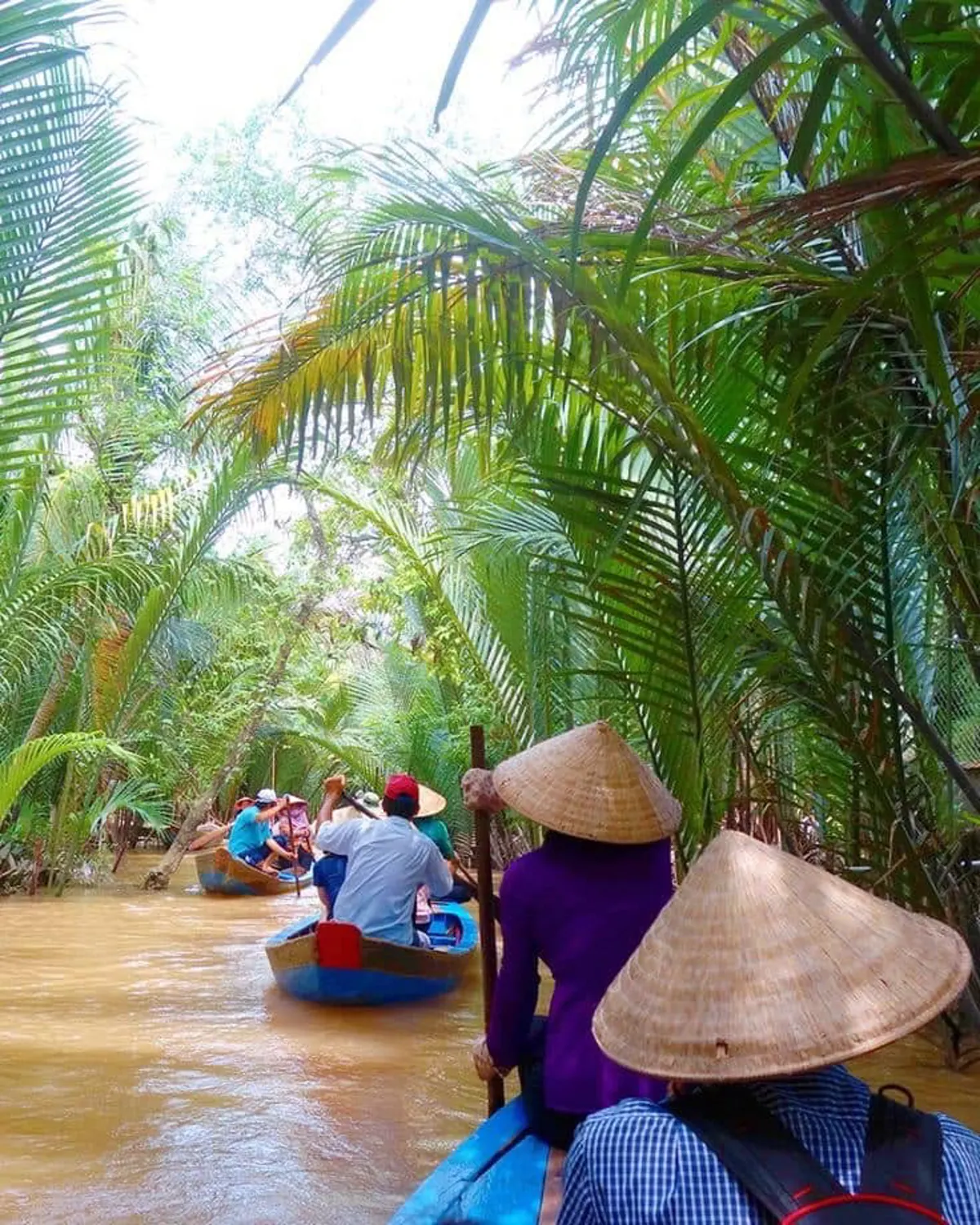
Hue, once the imperial capital of Vietnam, is recognized for its extensive past, historically significant religious sites, grand royal residences, and distinct cultural characteristics. The city is home to several UNESCO World Heritage Sites, such as the Imperial City, various royal tombs, and pagodas. For visitors with a limited timeframe, a two-day plan can effectively cover the city's key attractions and experiences.
This suggested itinerary is designed to ensure you experience both the historical core and the tranquil rural areas surrounding Hue. It combines significant cultural landmarks with opportunities to engage with local life and culinary traditions, providing a balanced perspective on this central Vietnamese city.
Exploring Hue's Imperial Legacy: Day One
Hue is renowned for its numerous historical and cultural landmarks, including the Thien Mu Pagoda, the Imperial Citadel, and several imperial tombs. A visit to Hue is typically considered incomplete without experiencing these locations. This day's activities are structured to guide you through many of Hue's essential sights.
The day often begins with transportation provided, typically around 8:00 AM, to commence a tour of Hue. The initial activity involves a boat excursion along the Perfume River, lasting approximately 30 minutes, leading to Thien Mu Pagoda, also known as the Heaven Fairy Lady Pagoda. This boat journey offers views of the river. Thien Mu Pagoda stands as one of Hue's most significant and ancient religious structures. Upon entering the pagoda grounds, visitors will observe the Phuoc Duyen Tower, a seven-story structure reaching 21 meters in height, and a gallery displaying artifacts related to the Bodhisattva Thich Quang Duc, including a vehicle and photographs.
Following approximately one hour at Thien Mu Pagoda, a short drive will take you to the Tombs of Minh Mang and Khai Dinh. Minh Mang's Tomb, situated 12 kilometers west of the city center, was constructed over three years with the involvement of thousands of laborers and artisans. It distinguishes itself from other imperial tombs in Hue through its balanced integration of natural elements and architectural designs. The site encompasses 40 structures, including a temple, pavilion, and palace, and is regarded as one of the Nguyen Dynasty's most significant tombs. Khai Dinh's Tomb, while the smallest, was the most expensive and recent among the Nguyen royal tombs. Its construction, initiated by Emperor Khai Dinh, the 12th Emperor of the Nguyen Dynasty, spanned 11 years. The tomb is positioned on a hillside and showcases a blend of Eastern and Western architectural styles.
After spending several hours exploring these two tombs, a break for lunch at a local establishment is customary, offering an opportunity to sample traditional Hue cuisine. The afternoon is then dedicated to visiting the Imperial Citadel and the Forbidden Purple City. The Imperial City of Hue functioned as a fortified palace complex within the ancient city, serving as the capital of the Nguyen Dynasty for 140 years, from 1805 to 1945. This extensive complex is recognized as a UNESCO World Heritage Site and features numerous monuments and remnants, such as royal tombs, a flag tower, pagodas, temples, a library, and a museum. The tour typically concludes before evening. If time permits, observing the sunset over the Perfume River can be a pleasant way to end the day.
Countryside Exploration and Evening Flavors: Day Two
Beyond its well-known historical sites, Hue offers a tranquil rural environment characterized by traditional handicraft villages. Exploring the countryside surrounding Hue provides insights into local life through activities like cycling tours.
The second day in Hue often involves a cycling tour to explore the rural areas. The tour typically commences at 8:30 AM, with participants cycling towards the ancient Thanh Toan Bridge, located 7 kilometers east of Hue city center. This tile-covered bridge, along with the Japanese Covered Bridge in Hoi An, is considered a rare and artistically valuable example of ancient Vietnamese bridges. The Thanh Toan Bridge is a historical and cultural landmark built in the style of 'a house above a bridge' and remains preserved today.
After visiting the bridge, the cycling route continues to Duong No Village. Here, participants can visit a small local market to observe daily rural commerce and purchase local food items. Following the market, there is an opportunity to visit the village temple and the Ho Chi Minh Memorial House. A walk through the village might reveal local artisans crafting birdcages. The tour then proceeds to Phap Hoa Pagoda in Duong No Village, where lunch is typically served.
In the afternoon, the cycling journey continues eastward from Hue City to Thanh Tien Village and Sinh Village. These villages are known for traditional crafts, including the work of artist Ky Huu Phuoc, who creates rustic paper paintings in Hue. The cycling tour then returns to Hue city center, usually arriving around 4:00 PM. Participants should note that this cycling tour covers approximately 37 kilometers and requires an active engagement of up to seven hours. The period from March to the end of October is generally considered the most suitable time for this activity due to weather conditions.
Following a period of relaxation at your accommodation, an evening culinary tour in Hue is often recommended. A guide typically collects participants from their hotel via cyclo. The culinary experience frequently begins with a visit to “Hang Me” restaurant on Vo Thi Sau Street, where various Hue cakes can be sampled, such as Banh Beo, Banh Nam, Banh Bot Loc, Banh Ram It, and Banh Uot. After “Hang Me” restaurant, the cyclo transports guests to “Hen Island” to enjoy clam-based dishes, including clam rice and clam noodles. The tour then involves a walk along Le Loi Street, with stops at establishments offering sweet soups. A stroll along Tien Hoang Street provides opportunities to try popular cakes like 'Banh Khoai' and 'Nem Lui'.
Once the culinary portion concludes, the evening can continue with a sightseeing tour of Hue at night, including visits to the Imperial Citadel and Truong Tien Bridge. The cyclo then takes participants through various streets to observe the evening ambiance and offers chances to purchase local souvenirs such as sesame candies, conical hats, sour shrimps, ao dai (traditional Vietnamese long dress), and Minh Mang wines. The tour typically concludes around 10:00 PM back at your hotel. For those managing finances while traveling, understanding banking facilities in Hue City is a practical consideration.
Culinary Highlights of Hue
Hue's culinary scene is an integral part of its cultural identity, offering a range of dishes from savory cakes to refreshing sweet soups. The evening culinary tour provides a structured way to experience some of the city's celebrated street food. Below are some of the notable places and dishes mentioned.
| Location | Specialties | Notes |
|---|---|---|
| “Hang Me” Restaurant (Vo Thi Sau Street) | Banh Beo, Banh Nam, Banh Bot Loc, Banh Ram It, Banh Uot | Known for a variety of traditional Hue cakes. |
| “Hen Island” | Clam rice, clam noodles | Specializes in dishes featuring clams. |
| Le Loi Street | Sweet soups | Various shops offering traditional Vietnamese sweet soups. |
| Tien Hoang Street | Banh Khoai, Nem Lui | Popular for savory pancakes and grilled pork skewers. |
Exploring these locations allows visitors to taste the authentic flavors that define Hue's gastronomy. Many of these dishes are prepared using local ingredients and traditional methods, reflecting the region's culinary heritage. When looking for unique purchases and souvenirs, local food items can also make excellent gifts.
Understanding Hue's Historical Significance
Hue's designation as a UNESCO World Heritage site underscores its profound historical and cultural importance. The city served as the seat of the Nguyen Dynasty, Vietnam's last imperial family, for over a century and a half. This period left an indelible mark on the urban landscape, architecture, and cultural practices of the region.
The Imperial Citadel, with its Forbidden Purple City, stands as the central monument to this imperial past. It was not merely a residence but a complex administrative and ceremonial center, reflecting the power and artistry of the Nguyen emperors. The various royal tombs scattered around the city, such as those of Minh Mang and Khai Dinh, are not just burial sites but elaborate architectural ensembles designed to reflect the philosophical and aesthetic preferences of the rulers they commemorate. These sites collectively offer a window into Vietnam's feudal era and its interactions with broader Asian and European influences.
Frequently Asked Questions
What are the primary attractions to see in Hue in two days?
In two days, key attractions include the Imperial Citadel and Forbidden Purple City, Thien Mu Pagoda, and the imperial tombs of Minh Mang and Khai Dinh. The itinerary also allows for exploring the countryside and experiencing local culinary traditions.
Is cycling in Hue's countryside suitable for all fitness levels?
The suggested cycling tour covers approximately 37 kilometers and involves up to seven hours of activity. A reasonable level of physical fitness is recommended for participants.
When is the optimal time to visit Hue for outdoor activities like cycling?
The period from March to the end of October is generally considered the most suitable for outdoor activities such as cycling in Hue's countryside, due to favorable weather conditions.
What kind of food can I expect on a Hue culinary tour?
A Hue culinary tour typically features a variety of local specialties, including traditional cakes like Banh Beo, Banh Nam, Banh Bot Loc, and Banh Uot, as well as clam dishes, sweet soups, Banh Khoai, and Nem Lui.
Are there opportunities to purchase souvenirs in Hue?
Yes, the evening tour often includes opportunities to purchase local souvenirs such as sesame candies, conical hats, sour shrimps, ao dai (traditional Vietnamese long dress), and Minh Mang wines.