
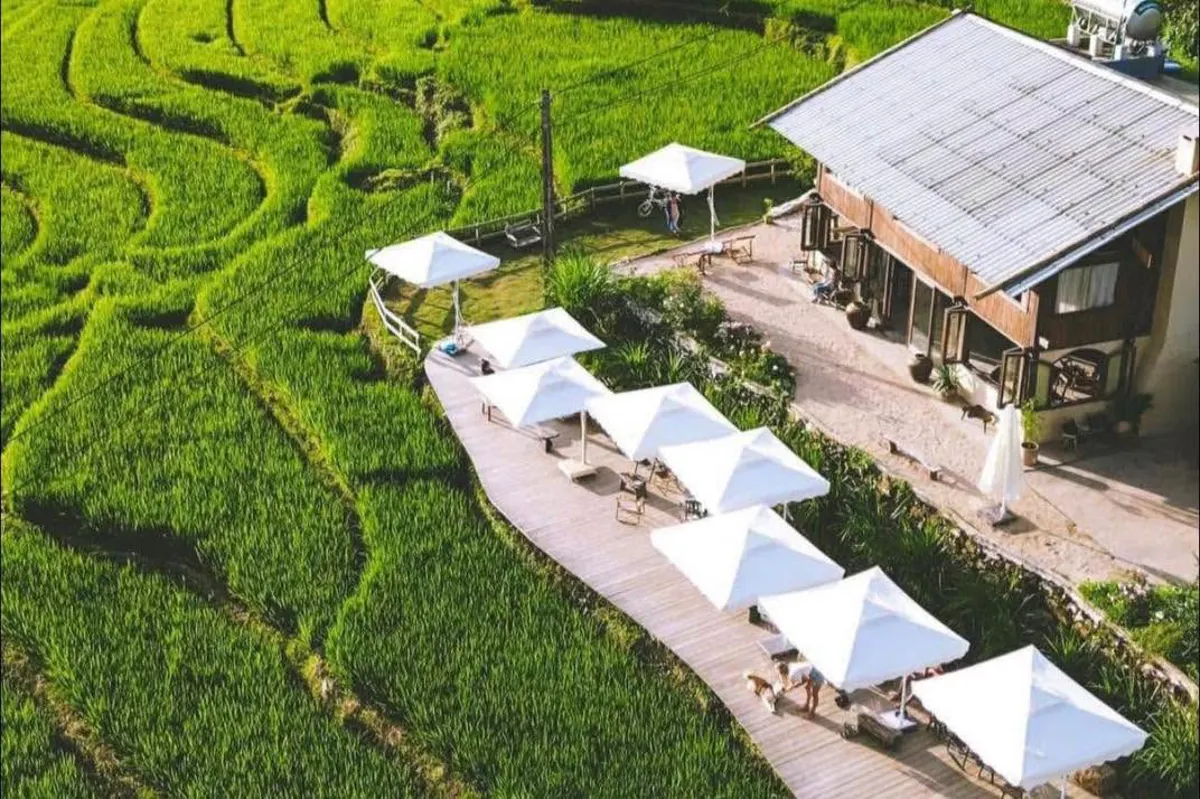
The most favored period for visiting Sapa, Vietnam, is generally considered to be the second week of September. During this specific time, the extensive rice paddies transform into a radiant golden hue, signaling readiness for harvest. This period offers particularly striking visual opportunities for travelers and photographers alike, showcasing the region's agricultural beauty at its peak.
Sapa's Unique Geographic and Climatic Profile
Sapa is situated approximately 400 kilometers northwest of Hanoi, making it a significant destination in northern Vietnam. Its elevation of 1,600 meters above sea level, combined with its location amidst towering mountain ranges, contributes to a consistently cool climate throughout the year. This elevated position provides a refreshing escape from the warmer temperatures found in other parts of the country.
The town is overlooked by Phan-Xi-Pang, commonly known as Fansipan, which stands at 3,143 meters and holds the distinction of being Vietnam's highest peak. The surrounding terrain is home to various indigenous communities, including the Black Hmong, who constitute the majority, alongside the Dzay, Red Zao, Xa Pho, and Tay peoples. These communities traditionally cultivate rice on terraced hillsides, typically yielding one crop annually. For those interested in ascending Vietnam's highest point, information on experiencing Mount Fansipan by cable car is available.
Optimal Periods for Visiting Sapa
While the second week of September is often highlighted for its golden rice fields, Sapa offers distinct appeal across different seasons. The transformation of the terraced fields into a rich golden spectacle before harvest provides an exceptional backdrop for photography and hiking. This specific window allows visitors to witness a significant agricultural event that defines the local landscape.
Beyond September, other months present varied experiences. Spring brings blooming flora and clearer skies, while summer showcases lush green rice paddies and generally warmer, though still mild, temperatures suitable for outdoor activities. Winter, from December to February, can be quite cold, often accompanied by mist and sometimes even snow, offering a different, quieter perspective of the mountain town. Understanding these seasonal variations helps travelers align their visit with their preferred activities and scenic preferences.
| Season/Months | Typical Weather | Landscape Highlights | Recommended Activities |
|---|---|---|---|
| March - May (Spring) | Mild, clear skies, pleasant | Blooming flowers, fresh green fields | Trekking, village visits, photography |
| June - August (Summer) | Warmest, lush green, occasional rain | Vibrant green rice terraces | Trekking, exploring waterfalls |
| September (Harvest) | Mild, clear, ideal | Golden rice paddies ready for harvest | Photography, cultural tours, trekking |
| October - November (Autumn) | Cool, dry, clear | Post-harvest fields, crisp air | Hiking, enjoying cooler temperatures |
| December - February (Winter) | Cold, misty, potential frost/snow | Cloud-covered peaks, quiet atmosphere | Experiencing unique mountain climate |
Engaging with Sapa's Culture and Landscapes
A visit to Sapa frequently involves exploring its natural environment and interacting with local communities. Trekking through the expansive rice fields to reach villages such as Day and Hmong settlements located on the hillsides is a popular activity. These excursions often include opportunities for a picnic lunch alongside a stream, providing a tranquil break amidst the scenery.
The journey to villages like Lao Chai and Ta Van also presents numerous chances for photography, capturing the daily life and traditional architecture of the ethnic groups. Engaging with the local culture offers insights into their farming practices, handicrafts, and unique way of life. Travelers often find distinctive souvenirs and unique purchases crafted by these communities.
Planning Your Journey to Sapa
Most visitors traveling from Hanoi access Sapa by road, a journey that typically takes around five hours. Various transportation options are available, including sleeper buses and private car services, catering to different preferences and budgets. The road conditions are generally well-maintained, offering scenic views as the elevation increases.
When preparing for a trip to Sapa, it is advisable to pack layers of clothing due to the cool, variable mountain weather. Even during warmer months, evenings can be chilly. Comfortable walking shoes are essential for exploring the terraced fields and villages. It is also beneficial to carry local currency for purchases in smaller villages where card payments may not be accepted.
Practical Information for Travelers in Sapa
For visitors to Sapa, understanding local services is important for a smooth trip. While Sapa is a popular tourist destination, it is always wise to be informed about essential amenities. Details regarding banking facilities in Sapa, including ATMs and currency exchange options, can assist with managing finances during your stay.
Additionally, knowing about available medical services is crucial for peace of mind. Information on healthcare services in Sapa, such as hospitals and clinics, helps ensure that travelers are prepared for any unexpected health needs. Always verify current operating hours and service availability, as these details can change.
Frequently Asked Questions
What makes September ideal for Sapa visits?
The second week of September is considered ideal because the rice paddies reach their golden hue, signaling harvest time. This period offers exceptional photographic opportunities and showcases the region's agricultural beauty at its peak.
How far is Sapa from Hanoi, and what is the typical travel time?
Sapa is located approximately 400 kilometers from Hanoi. The journey by road typically takes about five hours, depending on traffic and road conditions.
What is the elevation of Sapa?
Sapa is situated at an elevation of 1,600 meters (approximately 5,250 feet) above sea level, contributing to its consistently cool climate.
Which ethnic groups reside in the Sapa region?
The Sapa region is home to several hill tribes, with the Black Hmong being the majority. Other groups include the Dzay, Red Zao, Xa Pho, and Tay peoples.
What is the highest peak near Sapa?
The highest peak near Sapa, and in Vietnam, is Phan-Xi-Pang (Fansipan), which rises to an elevation of 3,143 meters (approximately 10,312 feet).








