
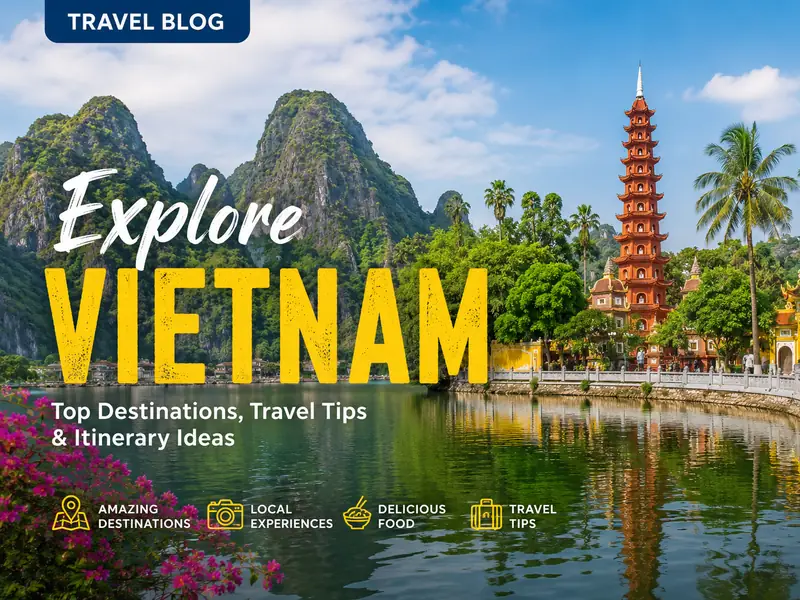
Vietnam, a nation recognized for its distinctive elongated shape and extensive coastline, consistently draws international visitors with its diverse offerings. From the bustling urban centers to tranquil rural areas, the country presents a compelling blend of natural splendor and intricate cultural heritage. Its accessibility from countries like Australia, often supported by airline promotions, makes it a favored choice for those seeking varied travel experiences, ranging from budget-friendly trips to luxurious coastal retreats.
The country's appeal lies in its ability to cater to a wide spectrum of interests, whether one is drawn to culinary exploration, seaside leisure, or adventurous pursuits. While many notable places exist throughout Vietnam, certain destinations stand out for their distinct character and attractions. The following sections detail some of the most recommended locations for travelers.
Southern Vietnam: Ho Chi Minh City and the Mekong Delta
Ho Chi Minh City, frequently referred to as Saigon by both residents and international guests, stands as the largest urban area in southern Vietnam. This metropolis presents a dynamic contrast between contemporary high-rises and historical French colonial architecture, including a notable replica of Notre Dame Cathedral. The streets are characterized by constant movement, with numerous motorbikes contributing to the city's energetic atmosphere. Visitors can explore a mix of historical and modern sites, such as the War Remnants Museum and the Cu Chi Tunnels, which offer significant insights into the nation's past.
Southwest of Ho Chi Minh City lies the Mekong Delta, a vast network of waterways formed by the distributaries of the Mekong River. This region's existence is deeply intertwined with its aquatic environment, evident in its floating markets, intricate channels, and extensive agricultural operations. The area supports a wide array of produce, including various fruits, flowers, and livestock. The Mekong Delta is home to distinctive ecosystems and communities. While day trips from Ho Chi Minh City are common, a more comprehensive experience often requires additional time to fully appreciate the region's depth, particularly its active commercial hubs like the Cai Rang floating market, which is known for its lively trade.
Island Retreats: Phu Quoc
For those desiring coastal relaxation, Phu Quoc Island provides an ideal setting. This destination can serve as a starting point for a Vietnamese holiday focused on sun and sand, a tranquil interlude between more active travel segments, or a concluding escape. Phu Quoc is suitable as a standalone beach holiday or an addition to a broader itinerary across Vietnam.
The island is celebrated for its natural environment, including areas designated as UNESCO protected parks, where visitors can observe diverse marine life in clear waters. A notable benefit for international travelers arriving directly in Phu Quoc is a 30-day visa exemption. This policy requires visitors to present an onward or return ticket upon arrival in Vietnam for flights entering and departing Phu Quoc Island internationally.
Central Vietnam: Hoi An and Surrounding Attractions
Hoi An, positioned along the Thu Bon River in central Vietnam, is recognized as one of Southeast Asia's most charming riverside towns. Its historical role as a trading port attracted merchants from various nations, including Japan, China, Portugal, and France. This rich cultural exchange is still apparent in the town's distinctive mustard-colored shop houses, culinary traditions, local crafts, and coffee culture. Beyond its historical core, Hoi An offers access to beaches and is popular among cyclists and those interested in ecotourism. The town is also a place to find worthwhile souvenirs and enjoy diverse local cuisine.
Located approximately 15 minutes up the coastline, Da Nang is a nearby city that, when combined with Hoi An, offers access to world-class accommodations. Outdoor enthusiasts can explore the Marble Mountains, a series of limestone hills featuring stairs leading to Buddhist pagodas concealed within grottoes. Further afield, the Golden Bridge, also known as Hands Bridge (Cầu Vàng or Cầu Bàn Tay), situated on Ba Na Hills, is a visually striking architectural marvel. This structure, featuring a colossal pair of hands appearing to support a golden pathway, has become a widely recognized landmark in central Vietnam.
Northern Vietnam: Hanoi and Halong Bay
Hanoi, the capital city of Vietnam, is situated on the banks of the Red River in the northern part of the country. It ranks as the second-largest city by population, after Ho Chi Minh City. Often referred to as the "City of Lakes," Hanoi features over two dozen lakes and experiences a climate with four distinct seasons. Its tree-lined avenues reveal an ancient urban center, which celebrated its millennial anniversary in 2010, though its history of human habitation dates back to at least 3,000 BC. The city's Old Quarter and French Quarter particularly showcase the enduring influences of Chinese and French colonial periods through their numerous historical buildings.
Halong Bay, a UNESCO World Heritage site, is renowned for its approximately 2,000 limestone islets and karsts rising dramatically from emerald waters. The bay features numerous caves and grottoes, contributing to its reputation as a visually spectacular location. It is a popular destination, with many boats offering cruise excursions daily. Despite its vastness, certain areas can feel busy due to the number of visitors. The region is significant for its landscapes, diverse ecosystems, and archaeological importance. To fully appreciate Halong Bay, an overnight cruise is often recommended. Options typically include a 2-day/1-night trip, with a 3-day/2-night package offering a more comprehensive experience. Visitors may also wish to explore Halong Bay's best beaches for relaxation.
Highlands and Trekking: Sapa
Sapa is a mountain town positioned on a ridge at an elevation of 1,650 meters. It offers expansive views of terraced rice fields, the Hoang Lien mountain range, and Mount Fansipan, often called the "Roof of Indochina." The town hosts a colorful weekend market where various ethnic hill tribes from the surrounding countryside gather. Sapa is a prime location for trekking, particularly in its more remote areas, appealing to those seeking outdoor adventure.
Mount Fansipan, standing at 3,143 meters, presents a challenging ascent for hikers. However, a modern cable car system now provides access to the summit, making it accessible for families, elderly visitors, and individuals with disabilities. An additional experience involves riding a funicular through the Muong Hoa Valley, passing through extensive rose gardens, to reach the Fansipan cable car station. Another notable natural attraction near Sapa is the Silver Waterfall, located 12 kilometers outside the town. This impressive waterfall, approximately 200 meters high, offers scenic photo opportunities with a bridge spanning its waters and views of the surrounding national park.
Why Choose Vietnam for Your Next Trip?
Beyond its well-known destinations, Vietnam offers compelling reasons for its popularity among international travelers. The nation's diverse geography allows for extended trips, with many visitors spending two to three weeks exploring various regions, including lesser-known spots like Con Dao, Nha Trang, Da Nang, Hue, Ninh Binh, Mai Chau, and Ha Giang.
Historically, Vietnam's public health response to the Covid-19 pandemic was notably effective, with a low number of confirmed cases and no reported deaths as of June 8, 2020. This contributed to its early consideration as a safe travel option during that period. The country consistently receives high praise for its culinary scene, the hospitality of its people, and the wide range of experiences it provides. Travelers can transition from the energetic atmosphere of Ho Chi Minh City to the refined charm of Hanoi and the peaceful ambiance of Hoi An. Transportation options are varied, including air travel, overnight rail journeys, scooters, modern cruise ships, and traditional river sampans. According to the Vietnam Tourism Annual Report published by the Vietnam National Administration of Tourism in 2018, the average expenditure for an Australian tourist in Vietnam was $1,570, indicating that an international holiday package to the country can be quite affordable.
Frequently Asked Questions
What is the best time of year to visit Vietnam?
Vietnam's elongated shape means its climate varies significantly from north to south. Generally, spring (February to April) and autumn (August to October) offer pleasant weather across most regions, with moderate temperatures and less rainfall, making them ideal for exploring.
Is Vietnam a suitable destination for family travel?
Yes, Vietnam is well-suited for family travel, offering a mix of cultural experiences, outdoor activities, and beach relaxation. Many destinations provide amenities and attractions appealing to various age groups, and the availability of cable cars in places like Sapa makes natural wonders more accessible.
What are some unique cultural experiences available in Vietnam?
Visitors can engage in numerous cultural experiences, such as exploring ancient towns like Hoi An with their historical architecture and craft traditions, visiting ethnic minority markets in Sapa, or learning about the nation's history at museums and historical sites in Ho Chi Minh City and Hanoi. Participating in a cooking class is also a popular way to experience Vietnamese cuisine.
How easy is it to travel between different regions in Vietnam?
Traveling between regions in Vietnam is relatively straightforward due to a well-developed infrastructure. Options include domestic flights connecting major cities, an extensive train network for longer distances, and bus services for shorter routes. Scooters are also a popular mode of transport for local exploration, though caution is advised.
What kind of cuisine can I expect in Vietnam?
Vietnamese cuisine is celebrated globally for its fresh ingredients, balanced flavors, and regional diversity. Expect dishes like pho (noodle soup), banh mi (baguette sandwiches), fresh spring rolls, and various seafood preparations. Each region offers its own specialties, from the savory dishes of the north to the sweeter flavors of the south.








