
Navigating Cambodia involves understanding its diverse transportation network, which includes waterways, roads, and air routes. For visitors, choosing the right mode of travel depends on the destination, budget, and desired level of comfort. From traditional river journeys to modern bus services and convenient city vehicles, Cambodia offers several ways to explore its landscapes and urban centers.
Navigating Cambodia's Waterways
Cambodia possesses an extensive system of inland waterways, historically significant for domestic commerce. Major routes, including the Mekong River and Tonle Sap Lake, continue to serve a crucial role in passenger movement. These aquatic paths enable access to various islands and numerous towns situated along the rivers. Certain communities still primarily depend on these waterways for daily transit and trade.
Traveling by boat can offer a unique perspective on the country's geography and rural life, providing a slower pace of exploration compared to land or air travel. While not always the fastest option, it connects areas that might be less accessible by road.
Overland Travel: Buses and Railways
Today, Cambodia's road infrastructure has largely superseded its inland waterways as the primary mode of transportation. Significant enhancements to the national highway system have simplified intercity travel. Buses are currently considered the most practical method for moving between major cities and towns across Cambodia, offering connections at reasonable fares. Local bus services also operate in the areas surrounding Phnom Penh.
Minibus services are frequently utilized by the local population. Although inexpensive, these journeys can sometimes be crowded and less comfortable for longer distances. The railway system holds a lesser but still important position in the country's transport network, owned and operated by the Cambodian government. One rail line links Phnom Penh with the Thai border, facilitating access to western provinces such as Battambang, Pursat, and Poipet. Another line connects Phnom Penh to Kampot and Sihanoukville. Sihanoukville, Cambodia's sole seaport on the Gulf of Thailand, accommodates large ocean-going vessels, and a four-lane highway provides a direct connection to Phnom Penh.
Domestic Air Connections
Cambodia features three principal airports located in Phnom Penh, Siem Reap, and Sihanoukville. These facilities serve as central points for domestic, regional, and international flights. Additionally, smaller airports are available, allowing travelers to reach more remote regions of the country. Air travel offers the quickest way to cover long distances within Cambodia, particularly useful for those with limited time or wishing to avoid longer overland journeys.
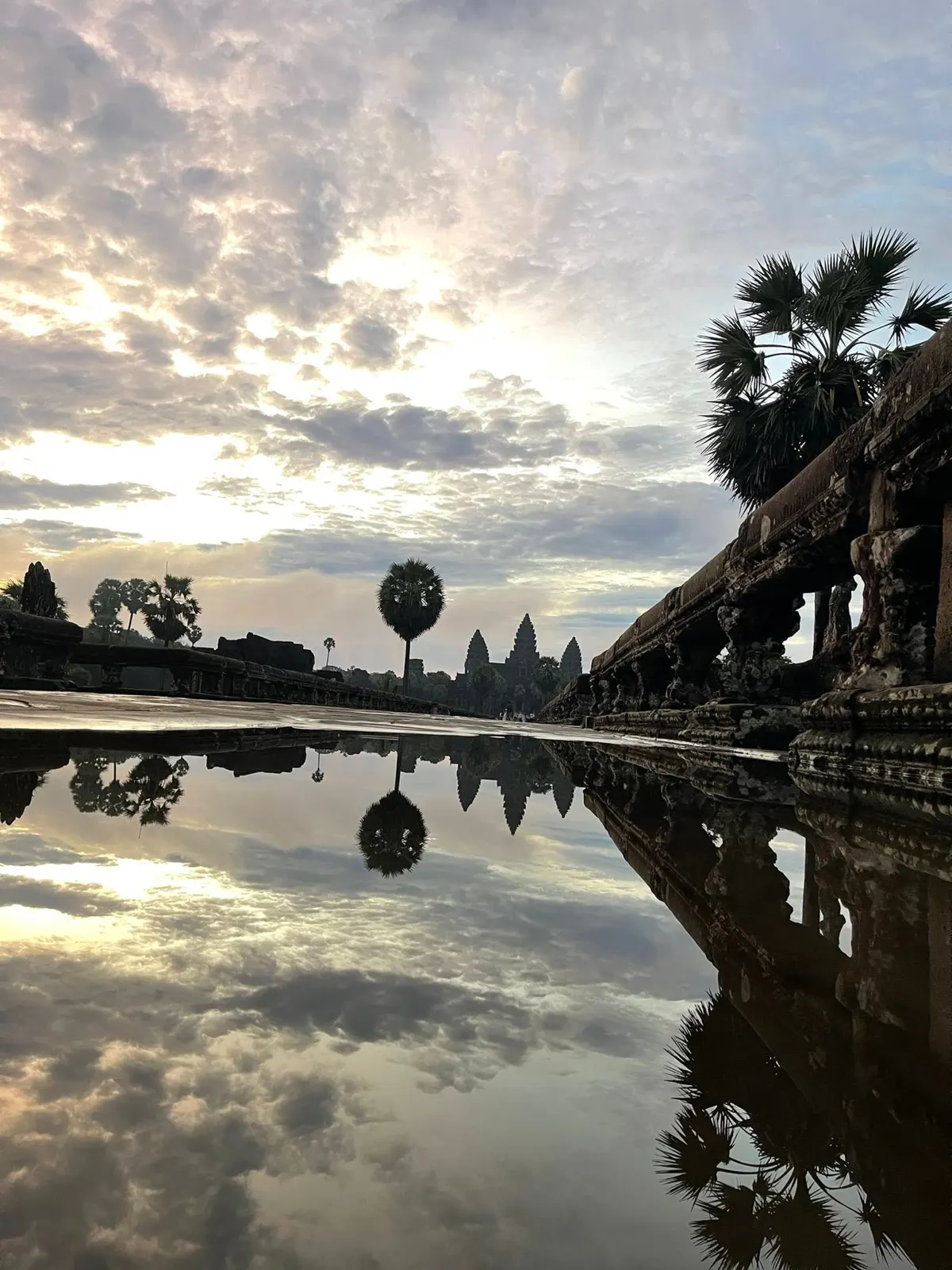
For instance, flying between Phnom Penh and Siem Reap is a common choice for tourists visiting the Angkor Wat complex, significantly reducing travel time compared to road alternatives.
Urban Transportation: Getting Around Cities
Renting a self-drive car in Cambodia is generally challenging, and driving independently often presents various difficulties. Conversely, cycling and renting a motorbike are popular choices for exploring Cambodian towns and cities. Cycling can be a rewarding experience, inviting travelers to discover areas on two wheels at their own pace.
Within Cambodian urban centers, visitors will most frequently use either a tuk-tuk or a moto (motorbike taxi). In Phnom Penh, the cyclo, a three-wheeled pedal-powered vehicle, is also available. When using any of these local transport options, it is always important to confirm the fare with the driver before beginning the journey to avoid misunderstandings. For those exploring the capital, finding a good place to eat is also part of the experience, and Phnom Penh offers a diverse culinary landscape.
Comparing City Transport Options
| Transport Type | Description | Typical Use | Key Consideration |
|---|---|---|---|
| Tuk-tuk | Motorized rickshaw, open-sided, seats 2-4 passengers. | City tours, short to medium distances, group travel. | Negotiate fare beforehand. |
| Moto (Motorbike Taxi) | Motorbike with a driver, single passenger. | Quick, individual travel, navigating traffic. | Confirm fare and wear a helmet. |
| Cyclo | Three-wheeled pedal-powered vehicle, passenger in front. | Short distances, leisurely city exploration, unique experience (mainly Phnom Penh). | Agree on price before starting. |
Essential Travel Advice for Cambodia
Planning travel during public holidays in Cambodia can be particularly difficult, especially around the Khmer New Year. During this period, many residents return to their hometowns, leading to a significant exodus of available transportation from major cities. Phnom Penh, in particular, becomes very quiet, and finding a moto or tuk-tuk can be challenging.
The few drivers who remain often charge significantly higher fares, sometimes doubling their usual rates. It is advisable to plan travel outside of major holiday periods or to book transportation well in advance if travel during these times is unavoidable.
Frequently Asked Questions
What are the main ways to travel between cities in Cambodia?
The primary methods for intercity travel in Cambodia include buses, which offer extensive routes and reasonable prices, and domestic flights connecting major hubs like Phnom Penh, Siem Reap, and Sihanoukville. The railway system also serves some western and southern provinces.
Is it easy to rent a car and drive in Cambodia?
Renting a self-drive car in Cambodia is generally not recommended due to potential difficulties and local driving conditions. Most visitors opt for alternative transportation like buses, taxis, or local urban transport.
How should I negotiate fares for local transport like tuk-tuks?
When using local transport such as tuk-tuks, motos, or cyclos, it is crucial to agree on the fare with the driver before starting your journey. This practice helps prevent misunderstandings and ensures a fair price for your trip.
Are there any specific times when transportation in Cambodia is more challenging?
Yes, travel can be particularly difficult during major public holidays, especially the Khmer New Year. During these times, many transport options leave cities, and remaining services may charge significantly higher prices.
Can I travel by boat to different towns and islands in Cambodia?
Cambodia's inland waterways, including the Mekong River and Tonle Sap Lake, facilitate boat travel to various islands and towns along the rivers. This mode of transport is particularly important for certain villages that rely on these routes.








